Is there a beginner-friendly path to implement Claude Code AIOS without technical expertise?
Answered by 2 creators across 4 videos
Yes. There is a beginner-friendly pathway to adopt Claude Code-based AIOS without deep technical chops, but you’ll still be following a guided, structured process rather than building from scratch. As Liam Ottley explains, Claude Code can function as the engine of an AIOS and, crucially, non-technical founders can implement it using plug-and-play skills and step-by-step installations, making adoption accessible rather than arcane. He emphasizes running the system from a smartphone with Telegram and using modular “clusters” and plugins around Claude Code to enable rapid, transferable automation, which lowers the ceiling for first-timers and provides concrete starting points. DesignCourse’s exploration of Buck Snipes shows a practical, user-facing workflow where Claude Code orchestrates multiple devices (two cameras, a projector, 21 DMX lights, Philips Hue) and produces live visualizations and mood control, giving a tangible template for beginners to emulate without coding every component from zero. The emphasis on a guided setup is echoed by Ottley in his broader AIOS framing, where a layered, context-first approach (context layer then data, intelligence, automation) can be kicked off with ready-made templates or courses rather than bespoke builds. Finally, Ottley’s “free webinar and accelerator” pathway promises beginner-friendly entry points, templates, and community support to help accelerate adoption without starting from ground zero. Overall, the recommended path is: start with Claude Code as the central engine, use plug-and-play setups or coursework to install and configure, leverage ready-made templates and daily briefs, and progressively layer in automation and data integration as you gain confidence.
- As Liam Ottley explains, Claude Code can be the engine of an AIOS and non-technical founders can implement it using plug-and-play skills and step-by-step installations.
- Ottley also highlights running the system from a smartphone via Telegram and using modular plugin clusters around Claude Code to enable rapid, transferable automation, which lowers the barrier for beginners.
- DesignCourse’s behind-the-scenes Buck Snipes project shows a concrete, beginner-friendly blueprint: Claude Code orchestrates multiple devices (cameras, lights, projector) and provides real-time visualizations and mood control, demonstrating what a purchasable starting point can look like.
- Ottley’s AIOS framework suggests starting with a lightweight context layer and gradually adding data, intelligence, and automation layers, offering a gradual ramp that beginners can follow with templates or guided curricula.
- Both Ottley and DesignCourse point toward structured learning paths (courses, webinars, templates) as the practical entry ramps for newcomers who want to deploy Claude Code without building everything from the ground up.
Source Videos
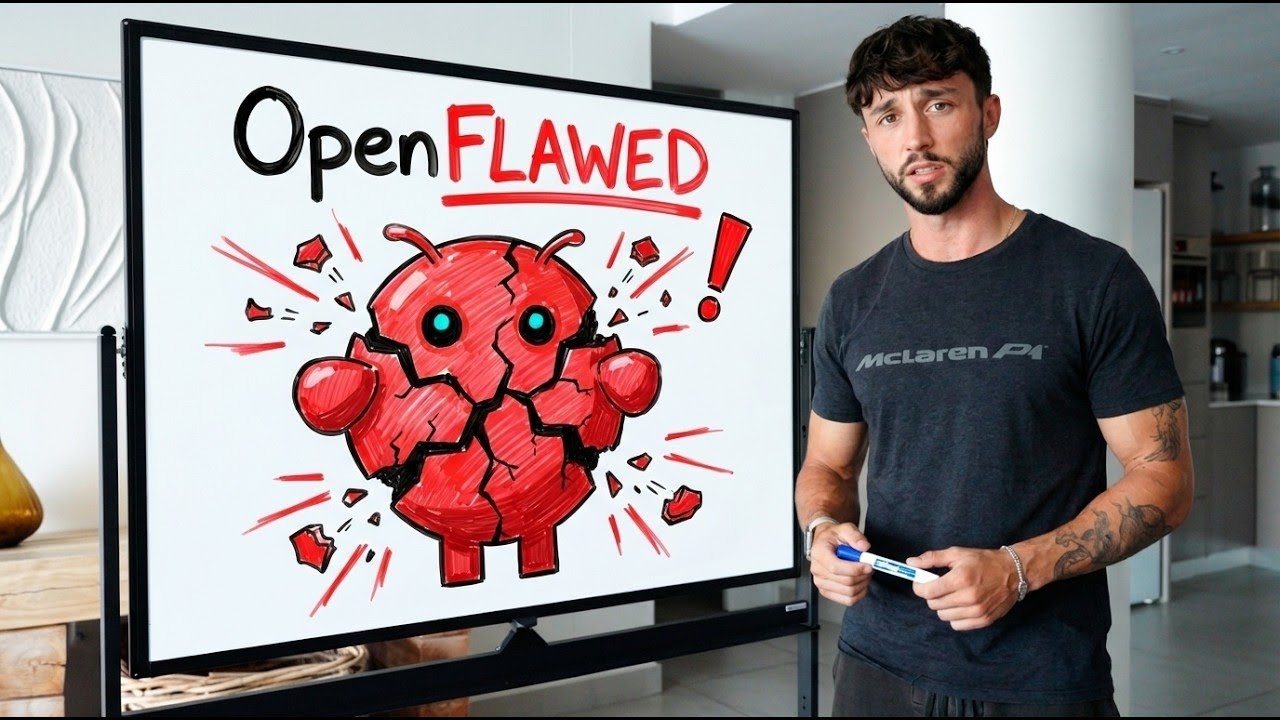
OpenClaw Will Never Actually Run Your Business… Try This Instead.
"OpenClaw is open flawed. There are major issues with it that are going to stop you turning it into the true AI assistant that runs your business." [00:01:40]

AGI Is Here. It’s Real. And It Changes Everything — Here’s My Plan
"AGI is here. It's real and you can use it today." [00:01:15]
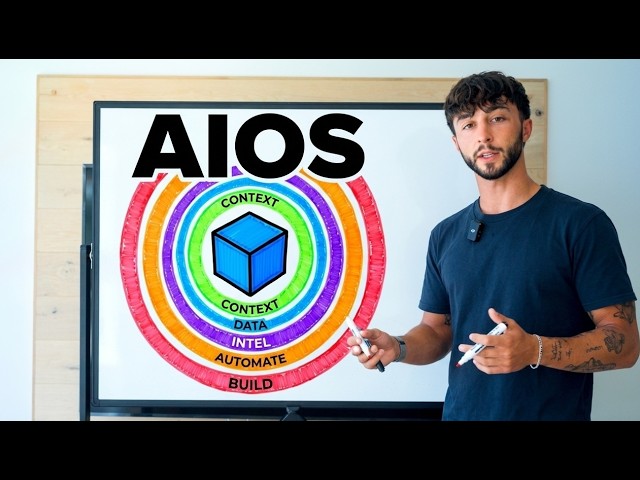
What Is an AI Operating System? (And Why Every Business Will Need One)
"This is not a business model. It is an business methodology, a way of approaching business." [00:12:30]