What are the implications of the Defense Production Act for AI model development in the defense sector?
Answered by 2 creators across 2 videos
The Defense Production Act and related executive and DoD pressure are reshaping how AI labs approach defense work by pushing for disclosures, controlling certain use-cases, and potentially forcing model behavior changes, all while sparking industry backlash about chilling innovation. As Theo explains, the Pentagon reportedly threatened to label Anthropic a supply chain risk and invoke the DPA if Claude isn’t adjusted to meet government demands, signaling that national-security priorities can trump lab autonomy. AI Explained adds that DoD directives emphasize human oversight in autonomous weapons, and even when surveillance might be legal, there are serious worries about mass, warrantless data gathering and the reliability gaps of frontier models in high-stakes contexts. Both videos note that a broader industry pushback is underway—emphasizing open letters and collective resistance from Google and OpenAI employees—indicating a meaningful pushback against permissive, indiscriminate military use of cutting-edge AI. Taken together, the implication is that defense-oriented AI development will increasingly be a negotiated space where safety boundaries, export and supply-chain considerations, and industry norms constrain what labs can ship to government customers, even as real-world deployments in national security workflows remain strategically important for the U.S. defense apparatus.
- Theo points out that the Pentagon reportedly threatened to invoke the Defense Production Act and designate Anthropic as a supply chain risk if Claude doesn’t comply with government requests.
- AI Explained emphasizes that DoD policy requires human judgment in autonomous weapons, while raising concerns about the legality and ethics of mass surveillance and the current reliability limits of frontier AI.
- Theo notes that industry-level tensions are growing, with open letters from Google and OpenAI employees signaling organized resistance to enabling permissive, national-security–driven use of AI.
Source Videos
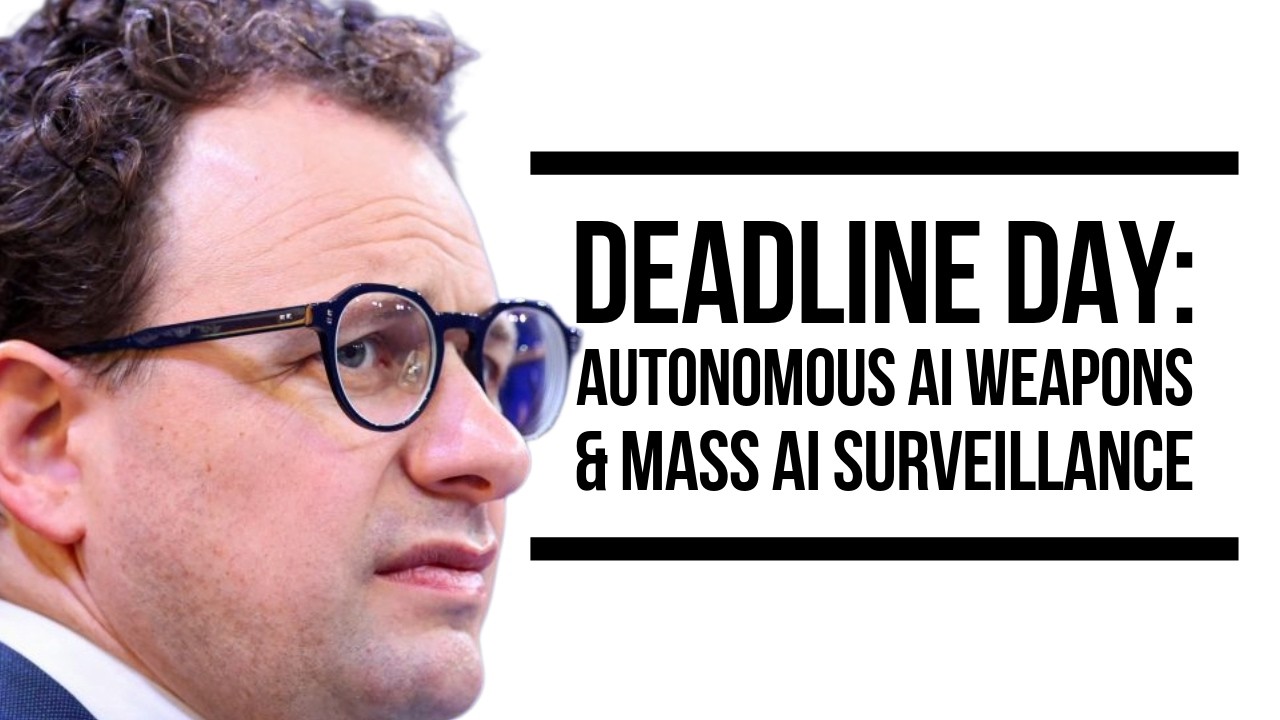
Deadline Day for Autonomous AI Weapons & Mass Surveillance
"Would you want your government to have fully autonomous AI weapons in drone or humanoid form such that for example AI agents could make lethal decisions without a human in the loop?" [00:01:15]
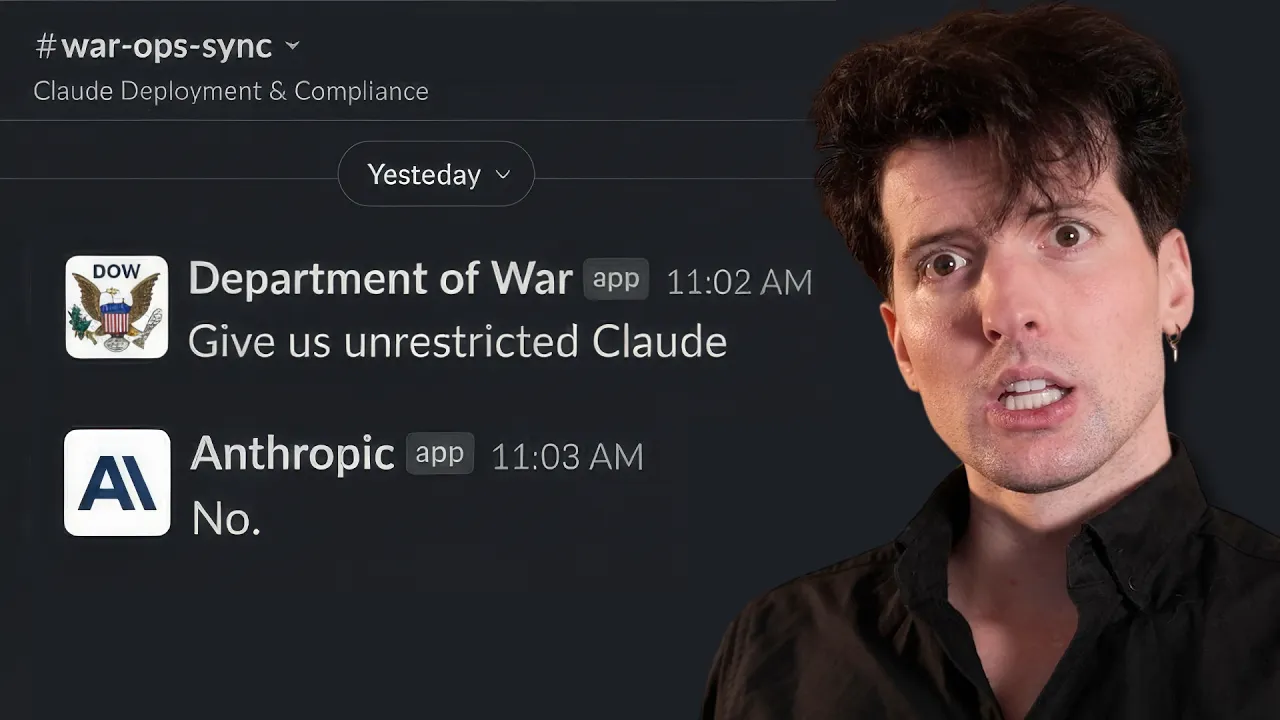
Anthropic just refused Trump’s order for a lethal Claude model
"The Pentagon has just threatened Anthropic, specifying that they must comply with the government's requests or they will be listed a supply chain threat." [00:02:15]