
AI Explained
Covering the biggest news of the century - the arrival of smarter-than-human AI. The author of Simple Bench, exposing the ...
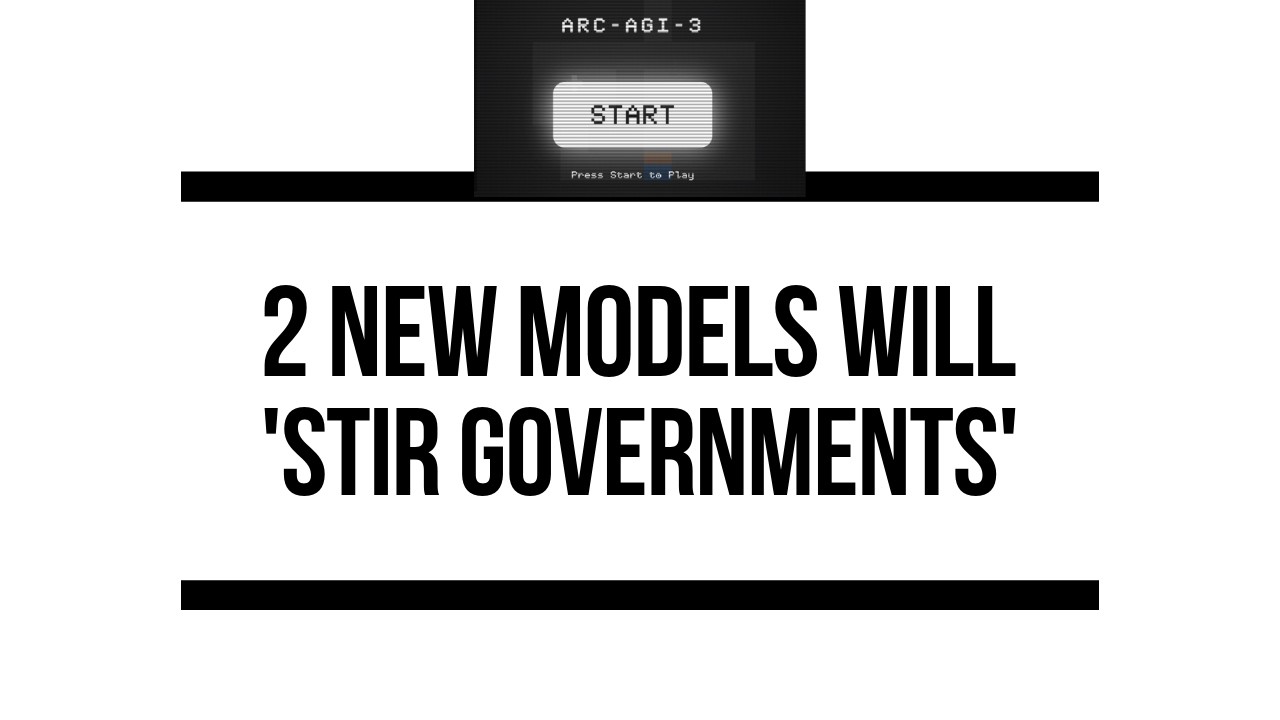
Two AI Models Set to “stir government urgency”, But Will This Challenge Undo Them?
The video surveys the rapid, sometimes chaotic progress in AI circa 2026, linking reports of a qualitative leap in model performance to concrete moves by OpenAI and Anthropic (including halting Sora for Spud and renewed Pentagon engagement with Claude). It delves into ARC AGI 3, a provocative benchmark that suggests humans still outperform AI 100% on the test, analyzes why such benchmarks may mislead about real capability, and connects to broader themes like automated AI research (OpenAI Northstar), the evolving AI job market, and risks from agentic systems and weak oversight.
You Are Being Told Contradictory Things About AI
The video surveys competing narratives about AI progress, emphasizing that headlines often mislead and that the real story lies in the details: data, compute, and how models generalize. It weighs perspectives from industry leaders (Anthropic, OpenAI, MIT researchers) on timelines, potential AI capabilities, and the risks and governance questions surrounding recursive self-improvement, while also showcasing new models and frontier data centers to ground the discussion in observable trends.
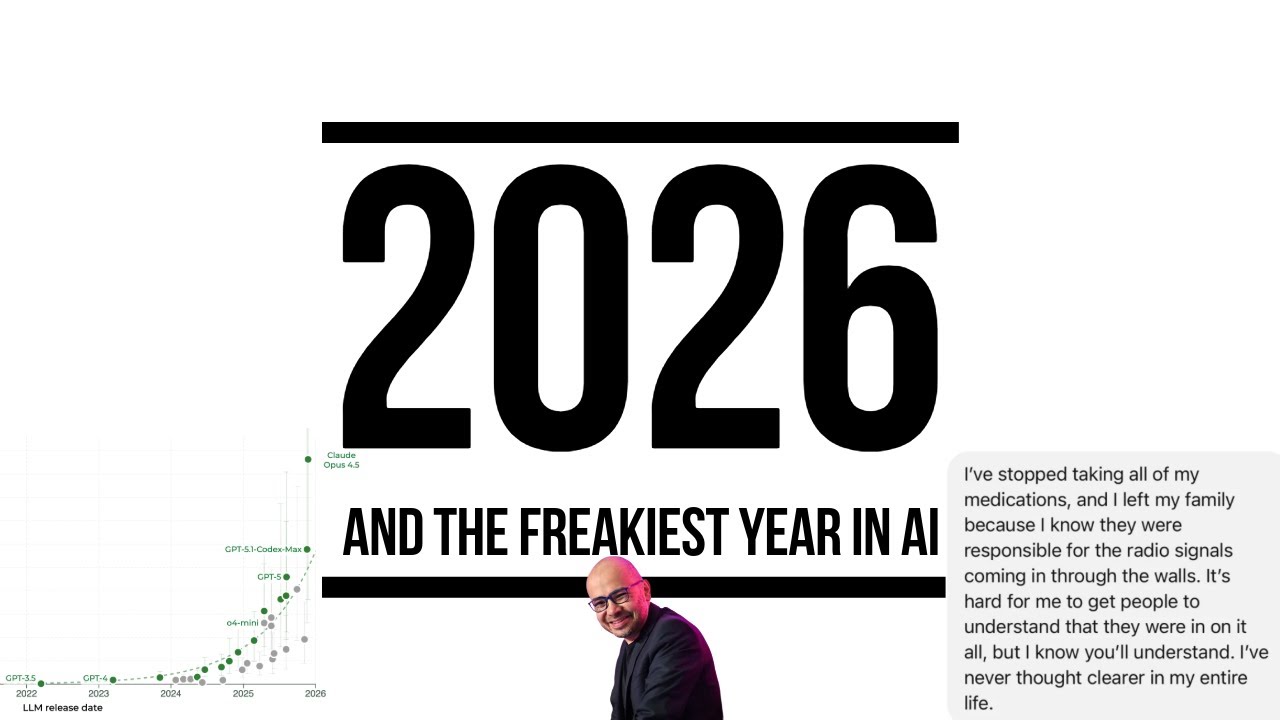
What the Freakiness of 2025 in AI Tells Us About 2026
The video surveys a year of AI progress and debates, balancing awe at rapid advances with caution about benchmark limits, generalization, and real-world reliability. It distills 10 takeaways about model capabilities, the pace of progress, and the risks and opportunities shaping 2026 predictions, while emphasizing the importance of broader frameworks beyond single benchmarks.
Gemini Exponential, Demis Hassabis' ‘Proto-AGI’ coming, but …
The video analyzes the rapid progression of AI models (notably Gemini 3 Flash) and how they compare to heavier competitors, emphasizing that smaller, cheaper models can perform remarkably well on a range of tasks. It delves into the economics of compute and data, the challenges of benchmarks, the tension between research progress and deployment needs, and the evolving path toward proto-AGI, highlighting interviews with leaders from Google DeepMind and OpenAI and the complex, data- and cost-driven future of AI development.
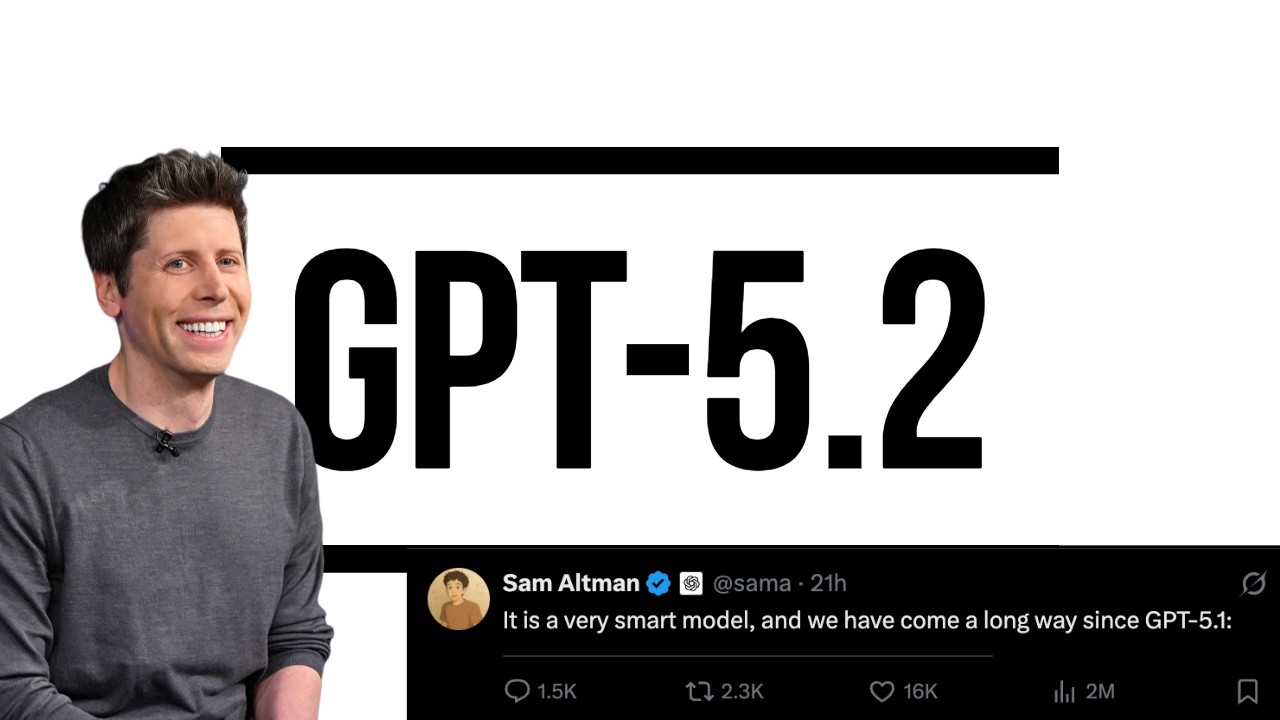
GPT 5.2: OpenAI Strikes Back
The video reviews GPT-5.2 (GPC 5.2) and its performance across a suite of benchmarks, comparing it to Gemini 3 Pro, Claude Opus 4.5, and others. It argues that benchmark results depend on factors like thinking time, token budgets, and task selection, introduces new benchmarks (Charive reasoning) and concepts (long-context recall), and closes with a broader reflection on progress, price, and what “the route to higher intelligence” might actually look like (with a sheep-counting analogy).
Claude AI Co-founder Publishes 4 Big Claims about Near Future: Breakdown
The video examines a high-profile AI lab CEO's view on near-term AI progress, arguing that scaling laws and more compute will steadily raise AI capability from automating single tasks to performing entire jobs, with four major predictions about the future of work, governance, and society. It also layers in caveats about coding pace, cross-industry extrapolation, geopolitical rivalry (notably China), and potential societal risks, concluding with a tempered stance: hedge your bets, consider safety and governance, but don't dismiss the possibility of rapid change.
Anthropic: Our AI just created a tool that can ‘automate all white collar work’, Me:
The speaker examines how AI models like Claude and Claude Co-work are shaping white-collar productivity, including bold forecasts that AI could write most code by 2026 and automate many knowledge-work tasks. He cautions that despite dramatic gains, current systems remain brittle, require human oversight, and can mislead about true understanding, outlining a nuanced view of tipping points, the need for human-in-the-loop workflows, and the varying levels of model understanding discussed in recent research.
The Two Best AI Models/Enemies Just Got Released Simultaneously
A detailed look at how competing AI models from Anthropic and OpenAI are reshaping productivity, automation, and workplace expectations, framed through the release notes, benchmarks, and expert commentary surrounding Opus 4.6 and Claude Opus/4.5 families.


Get daily AI recaps from
AI Explained in your inbox
Get AI-powered summaries delivered to your inbox. Save hours every week while staying fully informed.