
Andrew Huberman
The Huberman Lab podcast is hosted by Andrew Huberman, Ph.D., a neuroscientist and tenured professor in the department of ...
Essentials: The Biology of Aggression, Mating & Arousal | Dr. David Anderson
Huberman and Dr. David Anderson explore how emotions function as brain states that drive behavior, discussing persistence, aggression circuits (VMH, PAG), fear versus offensive aggression, and the hormonal neurobiology behind mating and aggression. They cover somatic markers, pain modulation, social isolation and tachikinins, and consider how brain-body pathways (vagus nerve, PAG, hypothalamus) shape mood, resilience, and implications for mental health and treatment.
Cultivating Awe & Emotional Connection in Daily Life | Dr. Dacher Keltner
In this Huberman Lab episode, Andrew Huberman and Dr. Dher Kelner explore the science of awe, emotion, and social bonding, discussing how awe arises from shifts between small and vast perspectives and how it can be cultivated in everyday life through practices like awe walks, breathwork, and shared experiences. They cover the neural, physiological, and social mechanisms underlying awe—from facial expressions and motor patterns to vagal tone and collective behaviors—while addressing how technology, social media, and modern life can both hinder and foster communal awe. The conversation also touches on practical health implications, the role of music and nature in awe, and ways to design environments and activities (cities, festivals, rituals) that enhance connectedness and well-being.
Essentials: How to Build Strength, Muscle Size & Endurance | Dr. Andy Galpin
In this Huberman Lab Essentials episode, Andrew Huberman talks with Dr. Andy Galpin about core strength training principles, how to balance strength and hypertrophy, and practical strategies for programming, technique, and recovery for learners and athletes at all levels. They cover the key variables that drive adaptation, how to apply progressive overload, and how to optimize training and recovery in real-world settings.
How Hormones Shape Sexual Orientation & Behavior | Dr. Marc Breedlove
The discussion centers on how biology and hormones shape brain development and sexual orientation, weighing prenatal testosterone effects (e.g., digit ratios, otoacoustic emissions, brain nuclei like the POA/SDN-POA) against social influences. The guests examine evidence from humans and animals (rams, mice, birds) and emphasize that group-level differences exist but do not predict individual outcomes, while also highlighting evolving views on gender, orientation, and the limits of how we measure and interpret these differences. A key thread is the importance of careful language, context, and acknowledging plasticity across development and individuals.
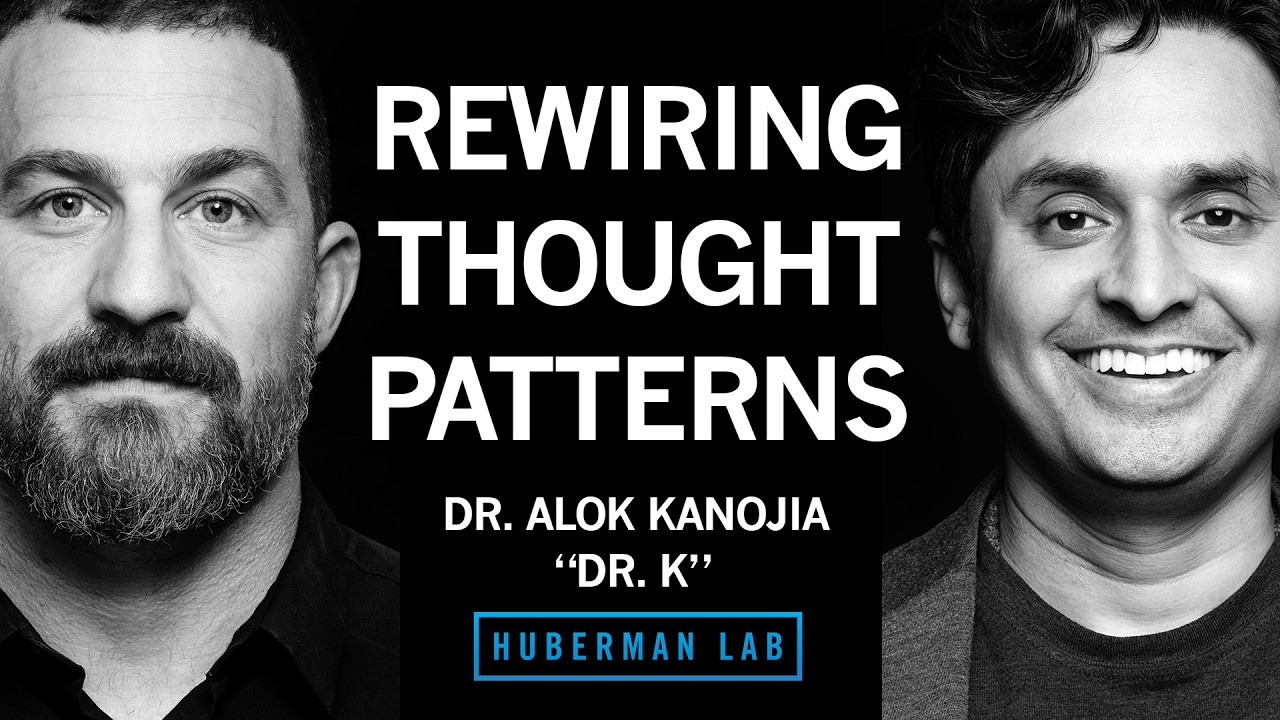
Unlearn Negative Thoughts & Behaviors Patterns | Dr. Alok Kanojia (Healthy Gamer)
Huberman and Dr. K explore how ego, trauma, and internal narratives shape behavior, discussing differences between Eastern and Western conceptions of mind, the limits of willpower, and the role of distress tolerance. They cover practical tools like meditation, yoga nidra, and ego-sculpting practices to reframe emotions, manage arousal, and rewire the nervous system, with attention to social media, dating dynamics, and the impact of the internet on perception and motivation.
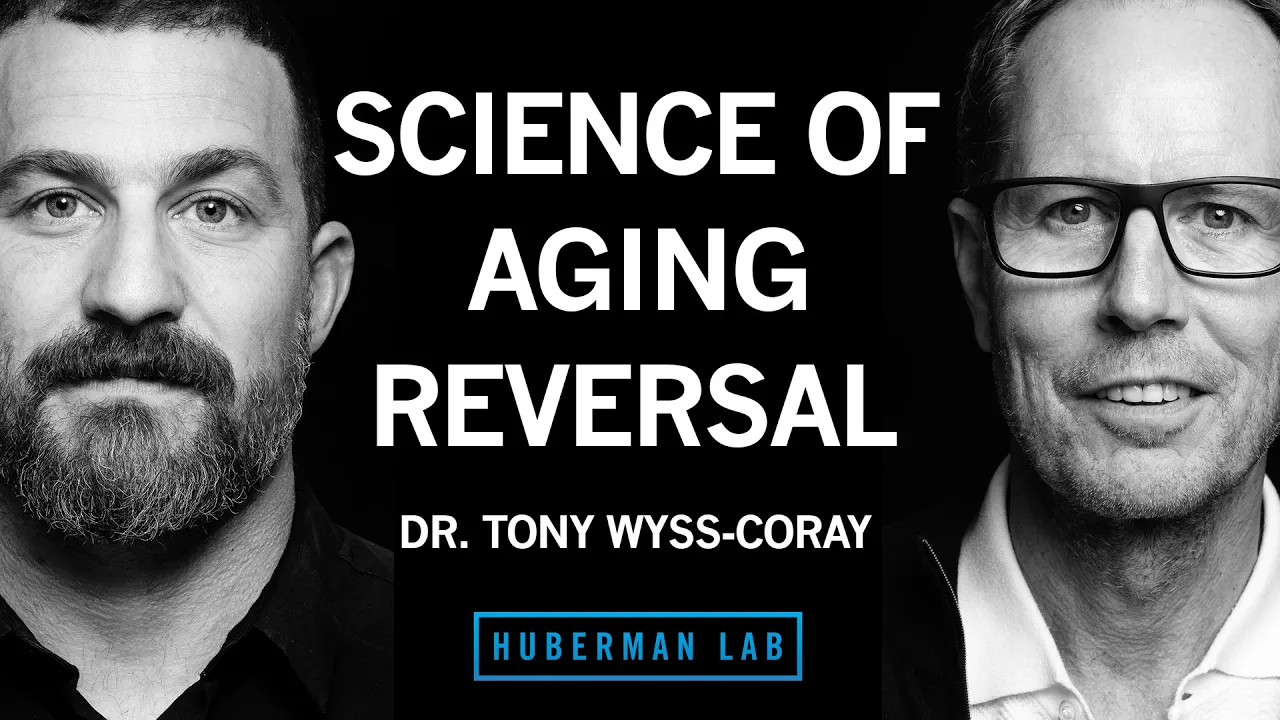
Restore Youthfulness & Vitality to the Aging Brain & Body | Dr. Tony Wyss-Coray
In this Huberman Lab episode, Dr. Tony Weiss-Cory and Andrew Huberman explore how factors in young blood—discovered through parabiosis and plasma studies—can influence aging and brain function, and how these findings translate to humans with cautious optimism. They cover a landscape of blood-borne factors, epigenetic clocks, and organ-specific aging, discuss current human trials (including plasma fractions and NAD-related approaches), and weigh lifestyle, exercise, fasting, sleep, light exposure, and targeted therapies as paths to healthspan, not just longevity.”} }```
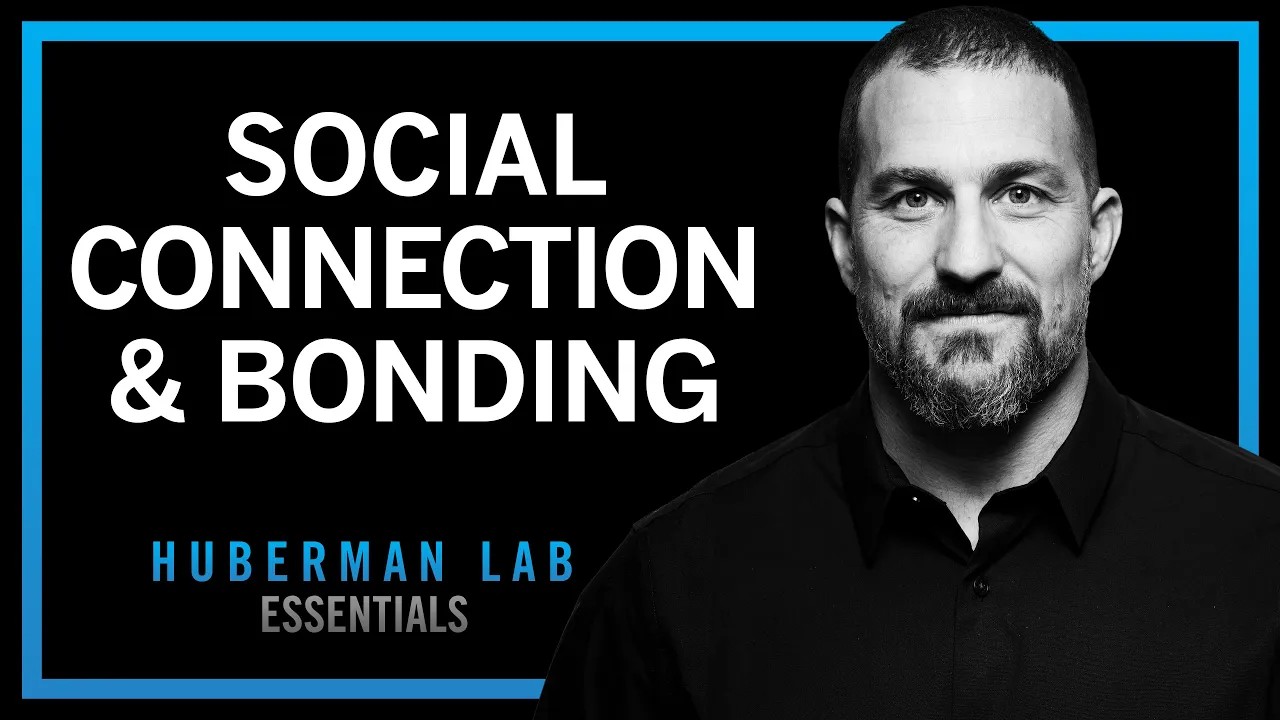
Essentials: Science of Building Strong Social Bonds with Family, Friends & Romantic Partners
This Huberman Lab Essentials episode delves into the biology of social bonding, exploring the neural circuits, neurochemistry (oxytocin, dopamine, serotonin), and hormones that shape our need for connection and how social homeostasis guides behavior. It covers the roles of key brain regions (ACC, BLA, prefrontal cortex, DRN), the dynamics of introversion vs. extroversion, early attachment patterns, and practical, science-based ways to cultivate healthy bonds and navigate loneliness, breakups, and social interactions.
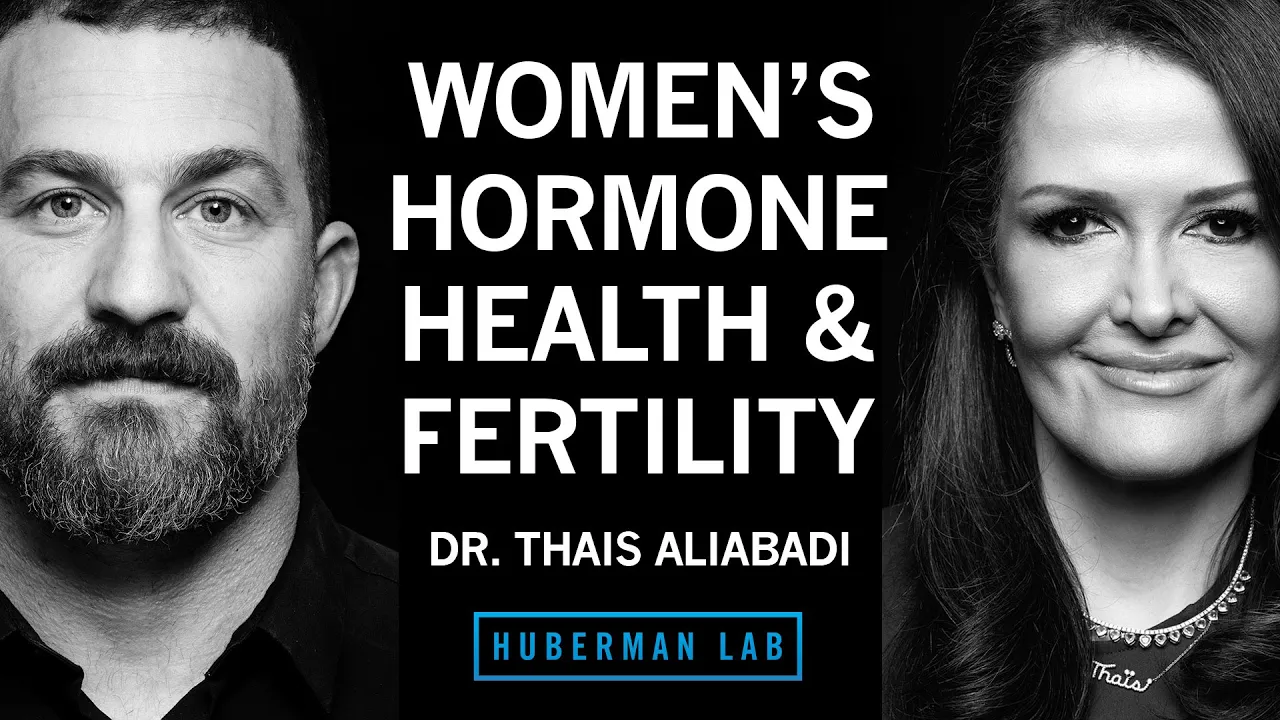
Female Hormone Health, PCOS, Endometriosis, Fertility & Breast Cancer | Dr. Thaïs Aliabadi
The podcast centers on PCOS and endometriosis as major, often underdiagnosed drivers of infertility and chronic pain in women, outlining their four PCOS phenotypes, the roles of insulin resistance, inflammation, genetics, and epigenetics in driving symptoms. It critiques gaps in standard medical care (inadequate screening, reliance on ultrasound alone, dismissive attitudes toward women's pain), and promotes a patient-empowered approach with proactive testing (AMH, egg count, pelvic ultrasound), lifestyle interventions, and targeted therapies (metformin, GLP-1s, hormonal regimens, endometriosis surgery) while emphasizing the need for better education, earlier diagnosis, and accessible care for all ages.
Essentials: Using Hypnosis to Enhance Mental & Physical Health & Performance | Dr. David Spiegel
Andrew Huberman and Dr. David Spiegel discuss hypnosis as a focused, controllable mental state that can alter perception, pain, stress, and memories. The conversation covers differences between clinical hypnosis and stage hypnosis, brain networks involved (DLPFC, ACC, posterior cingulate, insula), hypnotizability testing, practical applications (pain, anxiety, PTSD, phobias, OCD), safety considerations, and resources like Revery and professional hypnosis organizations.
Dr. Glen Jeffery: Using Red Light to Improve Your Health & the Harmful Effects of LEDs
The episode explores how different wavelengths of light—especially long-wavelength red/near-infrared—impact mitochondria, cellular energy, and overall health, inside and outside the body. Dr. Glenn Jeffrey and host Andrew Huberman discuss how indoor lighting (LEDs), sunlight, and targeted light therapies influence vision, aging, metabolic health, circadian timing, and disease, including practical implications for homes, schools, healthcare settings, and the design of lighting environments.
The Science of Making & Breaking Habits | Huberman Lab Essentials
Huberman explains the science of habit formation, emphasizing that habits are neural scripts shaped by neuroplasticity and limbic friction. He introduces key concepts—goal-based vs identity-based habits, lynchpin habits, habit strength (context dependence and activation energy), task bracketing in the basal ganglia, and a phase-based daily framework (0–8 hours, 9–14/15 hours, 16–24 hours) to form and break habits, including a practical 21-day system for building reflexive routines.
Master the Creative Process | Twyla Tharp
Andrew Huberman interviews Twilight Tharp about discipline, creativity, and the disciplined daily practices that support high achievement in dance and the arts. They delve into the concept of a 'spine' as the central throughline of a work, the balance between audience desire and the creator’s vision, ritual versus habit, and how movement acts as a fundamental language that conveys emotion, thought, and meaning across disciplines.


Get daily AI recaps from
Andrew Huberman in your inbox
Get AI-powered summaries delivered to your inbox. Save hours every week while staying fully informed.