From Psychologist to Engineer: Sofia Cardita’s Path to Cloudflare

Chapters11
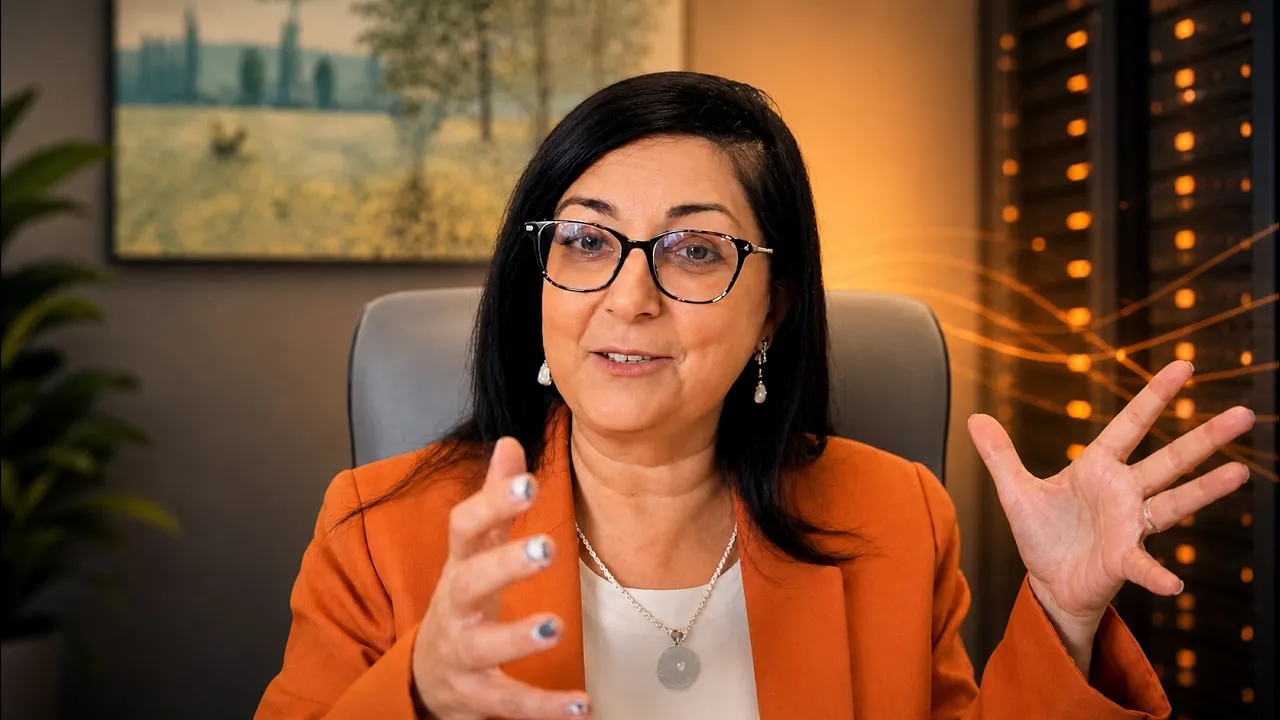
Sofia Cardita describes her role as a Cloudflare systems engineer focused on back-end work and browser rendering, with past involvement in Radar and a URL scanner.
From psychologist to Cloudflare engineer, Sofia Kardittita shares a hands-on, build-it-yourself path into backend work, browser rendering, and radar/security tools.
Summary
Sofia Kardittita explains that she’s been with Cloudflare for about four to five years, currently focusing on backend work and browser rendering, including Chrome dev tools. Her background is unusually diverse: she was a licensed clinical psychologist who pivots into IT through self-learning and on-the-job experience. She recalls learning IT almost entirely by doing—building websites and reinforcing skills with on-the-job projects rather than formal coursework. Radar, Cloudflare’s public-service project, stands out as a favorite because of its impact and the chance to contribute to the internet’s safeguards. She emphasizes the importance of observability and clear communication as key engineering lessons, noting that you should see how systems actually behave, not just how you expect them to. Sofia highlights the role of AI as a helpful, evolving teammate that can act as a self-tutor and reviewer, while stressing the need to go deep to truly understand how systems work. Her go-to productivity advice centers on rest, exercise, and keeping work enjoyable, alongside practical AI-assisted workflows and daily planning. The overall message is one of learning by building, owning what you ship, and staying curious in a rapidly changing field.
Key Takeaways
- Sofia learned IT largely on the job, building everything from basic websites to a major Portuguese newspaper site, without formal early coursework.
- Radar remains a project she’s proud of, especially for its public-service angle and ongoing API improvements that grew after she left.
- Observability and understanding how information actually flows through a system are crucial engineering practices Sofia underscores as foundational.
- AI is a powerful self-tutor and reviewer in her workflow, used for debugging assistance and early feedback without replacing deep understanding.
- Her productivity philosophy centers on rest, exercise, and keeping work fun while using AI to enhance—not replace—human judgment.
- Her role at Cloudflare focuses on browser rendering and backend tasks, with experience also touching Clifair Radar and the security center.
Who Is This For?
This is essential viewing for software engineers transitioning from non-traditional backgrounds, and for developers curious about leveraging AI in debugging and observability within backend and browser-rendering work at a scaleable company like Cloudflare.
Notable Quotes
"I'm based off Lisbon. I've been in CloudFare for about four to five years and I'm a systems engineer at CloudFare, mostly focused on back ends nowadays a lot on browser rendering Chrome dev tools."
—Sofia introduces her role and current focus areas at Cloudflare.
"That was almost all self-arning. I didn't take any courses at the time. I simply started… I learned on the job."
—Her non-traditional path into IT through self-learning.
"Observability that's what I'm talking about and just communicate. This is teamwork. So just learn how to communicate, be kind to others and regular stuff."
—Key lesson on observability and team communication.
"AI helps. Then just keep organized. Know what you're going to do at the beginning of the day."
—Practical take on AI-assisted workflow and daily planning.
"Best way I've used AI so far… one of the first things I'll do is ask it to see if it finds the issue while I'm also looking at the issue."
—Describes a collaborative debugging workflow with AI.
Questions This Video Answers
- How did Sofia Kardittita transition from psychology to software engineering at Cloudflare?
- What is Cloudflare Radar and why does Sofia value it?
- How does Sofia use AI as a debugging partner in her daily workflow?
- What are the key practices for observability Sofia recommends?
- What productivity tips does Sofia share for engineers working with AI?
CloudflareRadar (Cloudflare)Browser RenderingChrome DevToolsObservabilityAI in DevOpsBackend EngineeringCareer Path: Psychology to Engineering
Full Transcript
Hi, my name is Sophia Kardittita. I'm based off Lisbon. I've been in CloudFare for about four to five years and I'm a systems engineer at CloudFare. mostly focused on back ends nowadays a lot on on browser rendering Chrome uh dev tools and that kind of thing. What are the products and things you work on usually? Right now it's it's it's mostly browser rendering. In the past I was also involved in in Clifair Radar was a a great fun project and URL scanner which is also a part of uh radar and security center. My past is a bit off thebeaten past.
I'm a licensed uh clinical psychologist. What happened was as part of of a rehabilit rehabilitation program, some people uh an association of of mental health patients had a training in IT and the regular IT trainers were having difficulty managing and so I was invited since my mysis was also on on how the internet impacted communication. Anyway, I was invited to that since my background was in psychology and I ended up really liking uh teaching uh it was basic stuff, Excel, front page, micromedia, flash, etc. I ended up really liking it. And then as uh one of my best friends uh she was doing she was she was a web designer and she was doing a site for a psychology bookshop and her main developer basically it could it couldn't continue.
So I I I thought okay let let me try and help since I'm I'm getting to like this this IT stuff. And so I studied a bit I I tried to and then yeah and then I did it and that was the start of it. this was almost all self-arning. Uh so I didn't take any any courses at the time. I simply started uh she started a company in the in the web development space and she she invited me in and that's basically I learned on the job. Of course I also did some some courses etc.
But that was that was almost after I had actually started doing my job. So it was a lot of um self-arning, a lot of studying, a lot of reading, doing stuff, building stuff from scratch so that I could actually understand it. That is how you learn. Even nowadays with with all the AI, you learn best by actually building stuff. And that's what I did. I built a lot of stuff [laughter] uh from regular websites to newspapers. I did um a major economics newspaper website in in Portugal. So yeah, I learned on the job. Uh what is the thing about engineering that you most enjoy and like I like the ownership in the sense that when it fails there's a way to fix it.
You can not easily sometimes but you can find the issue and you can fix it. uh when it compares to my previous job a long time ago with people there is no such pass to clarity. Uh so this was something the the the feedback the the not immediate but most often pretty quick feedback that working with computers gives you is something I I truly enjoy. And then building things from scratch thinking about how the information flows from one component to the other. Uh so which is sort of like building a building uh is something that I really enjoy.
Regarding your projects at 12, which ones you enjoy the most? I think Radar is still one of the ones I really like because it's it has a public service side to it. It's about giving back. It's it's about Cloudflare giving back what we see on the internet. building redoing the API at the time uh was something that I really enjoyed and it's still and it's still a product I I feel proud of and have been enjoying it grow after I after I left. Lessons learned it's about going trying to really understand the systems you've built.
Build a lot of ways where you can see what's actually happen happening. You think it's it works one way but sometimes it works another way. And having a way to pick inside the system is something that you really should do and we don't always do that. Uh but we're getting better and better. Um so TLDDR observability that's what I'm talking about and just communicate. This is teamwork. So just learn how to how to how to communicate be kind to others and well regular stuff regular human stuff. What's the piece of advice or tip you can give to other just starting out in in this industry?
Well, I think this industry is changing a lot right now with the advent of AI. Even even at Cloud Square, I think um the way I spend my time in these last three months has changed a lot. We we're using a lot of AI. that shouldn't discourage you from well in in a way it actually gives you more opportunities to learn how things actually work because you have your own self-tutor that you can ask. So you it's really easy to learn nowadays but if you don't learn then you're you're sort of missing out. So even with AI you should really go deep because that's how when AI is stuck you're the one who's going to unblock it.
So even though it's easier to build things without fully understanding them, I think nowadays that is true. It is it is reality, you should also see it as an opportunity since you have this personal tutor to actually learn things deeper so that when things happen, you actually have a you actually gro how the entire system works. Best way I've used AI so far. My regular workflow nowadays is if I'm debugging stuff, maybe the first thing, one of the first things I'll do is ask it to to see if it finds the issue while I'm also looking at the issue.
So it's like both of us are doing the same thing at the same time. So that's one thing. Another is just reviews. Reviews are very very good nowadays. And so just just I sometimes even even push an incomplete what I think needs to be reviewed. I haven't thoroughly reviewed because I want the early feedback that the AI reviewer gives me. So I really enjoy that. Uh sometimes it says things I already know that were marked as as as to-do items and sometimes it's it says things that I hadn't thought of and it's really interesting. It doesn't see everything of course but it's still a very useful partner.
your go-to productivity hack. One of them is very simple is actually just rest. Make sure you are not uh 100% of the time focused on work because unlike what the productivity hackers in in social media will do will tell you that is not how you actually do your best work. You do your best work by being rested, by doing exercise and by just having fun. So most I know this is this is sort of common sense but it's true and and not everyone does it or or at least we easily forget it's trying to keep the fun in it keep the fun in it.
So that's one major productivity hack. Another of course just we we can talk about AI. AI helps. Then just keep organized. Know what you're going to do at the beginning of the day.
More from Cloudflare










Get daily recaps from
Cloudflare
AI-powered summaries delivered to your inbox. Save hours every week while staying fully informed.