
Theo - t3․gg
Software dev, AI nerd, TypeScript sympathizer, creator of T3 Chat and the T3 Stack.
This is bad...
A security analyst discusses an unauthorized access incident at GitHub involving internal repos, examines the broader context of software supply chain vulnerabilities, and critiques the responses of GitHub, npm, and Microsoft, while proposing concrete improvements to prevent future breaches. The talk emphasizes the dangers of auto updating, token exposure, and the need for systemic changes across developer tools and open source ecosystems.

I'm scared to make this video
The video candidly criticizes Google's recent moves, highlighting poor product quality, price hikes, and troubling business practices, including the shift from Gemini CLI to anti-gravity and outages affecting partners like Railway. The creator also defends trusted internal team members and expresses fear for his own channel while calling for accountability and better competition in the AI tooling space.
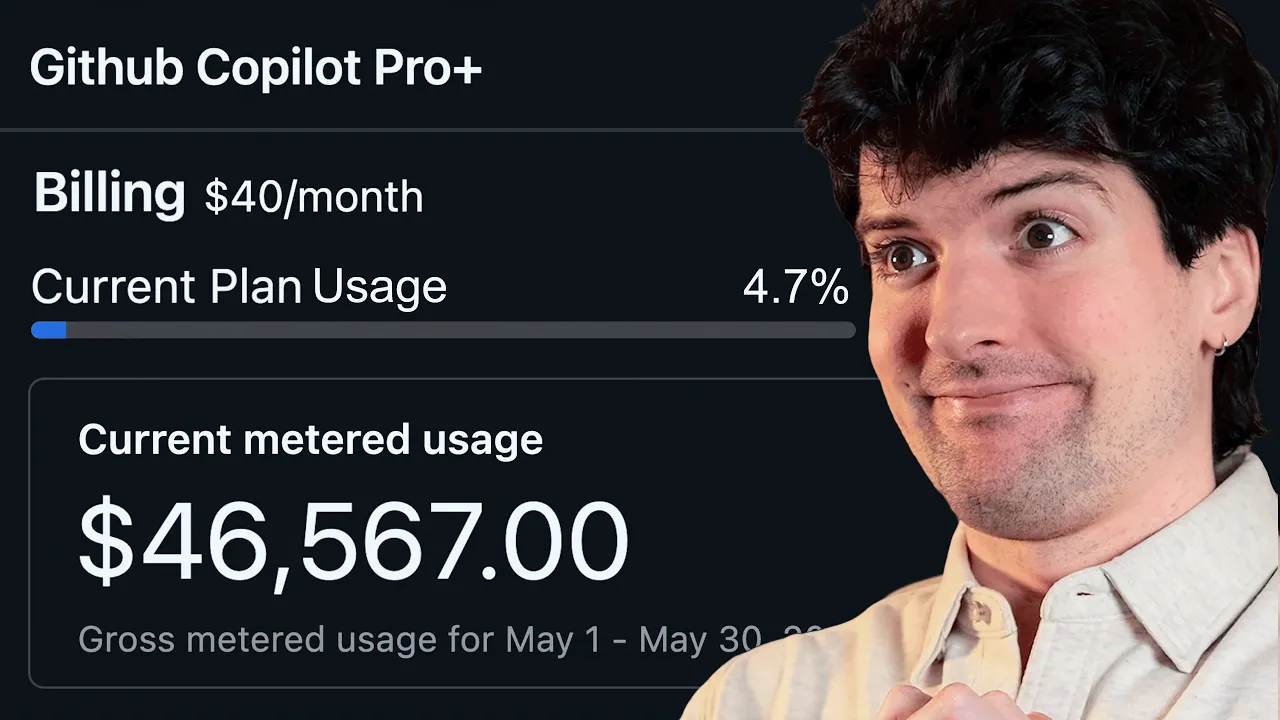
I exploited Copilot and burned $46,000 (it cost $40)
The video examines Copilot's pricing and billing shifts, the hidden costs of AI inference, and how users and developers are coping with agent driven workflows and subsidies. It blends personal experiments, vendor insights, and a critique of how billing models shape usage and value.

Everything is pwn’d now
The video surveys a surge of security breaches across software ecosystems, explains why traditional disclosure and open source practices are failing under AI-fueled threats, and proposes radical changes to how open source and patching should work while offering practical personal defense steps.
I’m done.
The video critiques Anthropic's Claude pricing changes and the new credit system, arguing they create confusion, unfair subsidies, and a fragmented ecosystem that hurts open source and third party integrations. It explains the contrast between interactive and programmatic usage, and why the changes push developers toward less desirable options while offering limited relief.

Stop letting your agents write Markdown.
The video argues that HTML can supersede Markdown for AI workflows, showcasing practical ways to generate and interact with HTML artifacts using Claude/Copilot Kit, and discussing when and how to adopt HTML despite Markdown's simplicity.
I wish this was clickbait
The video analyzes Bun's future amid a major Rust rewrite of the project, discussing stability concerns, the relationship with Zigg, and the impact on Cloud Code and Anthropic-backed tooling.
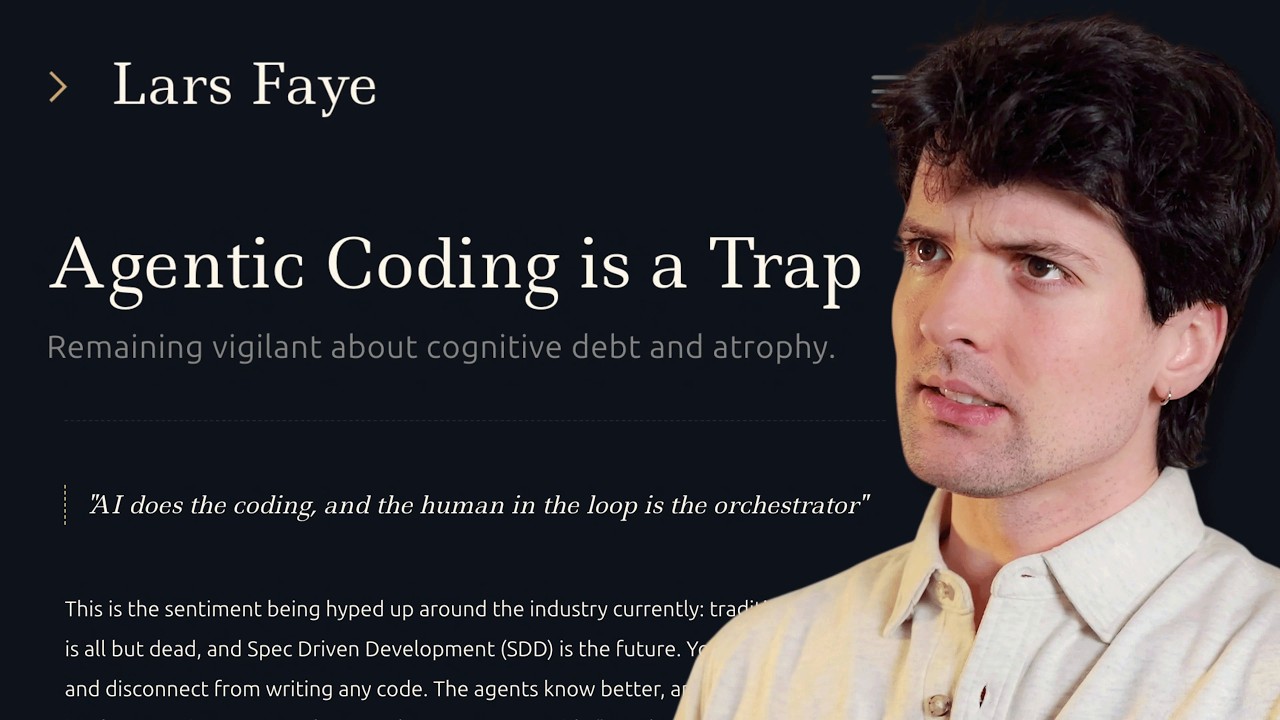
We all fell for it…
The video explores how AI coding tools are reshaping software development, balancing productivity gains with risks like cognitive debt, skill atrophy, and vendor lockin, while debating how to design workflows that leverage AI without losing fundamental engineering capabilities.

Anthropic just…wait what
The video analyzes a broad surge in AI compute demand, explains why compute bottlenecks shaped recent moves, and connects the scramble for compute to partnerships among Anthropic, SpaceX, XAI, Cursor, and OpenAI, ending with a synthesis of data, research, and hardware dynamics driving the race.

What's next?
The video argues that GitHub is no longer a safe or reliable home for code, surveys several alternatives, and champions Forgejo and Codeberg (with their Forge Joe backend) as promising open and self-hosted options while exploring future generational shifts in code hosting. The author emphasizes community impact and practical considerations for developers building a stable home for their code.
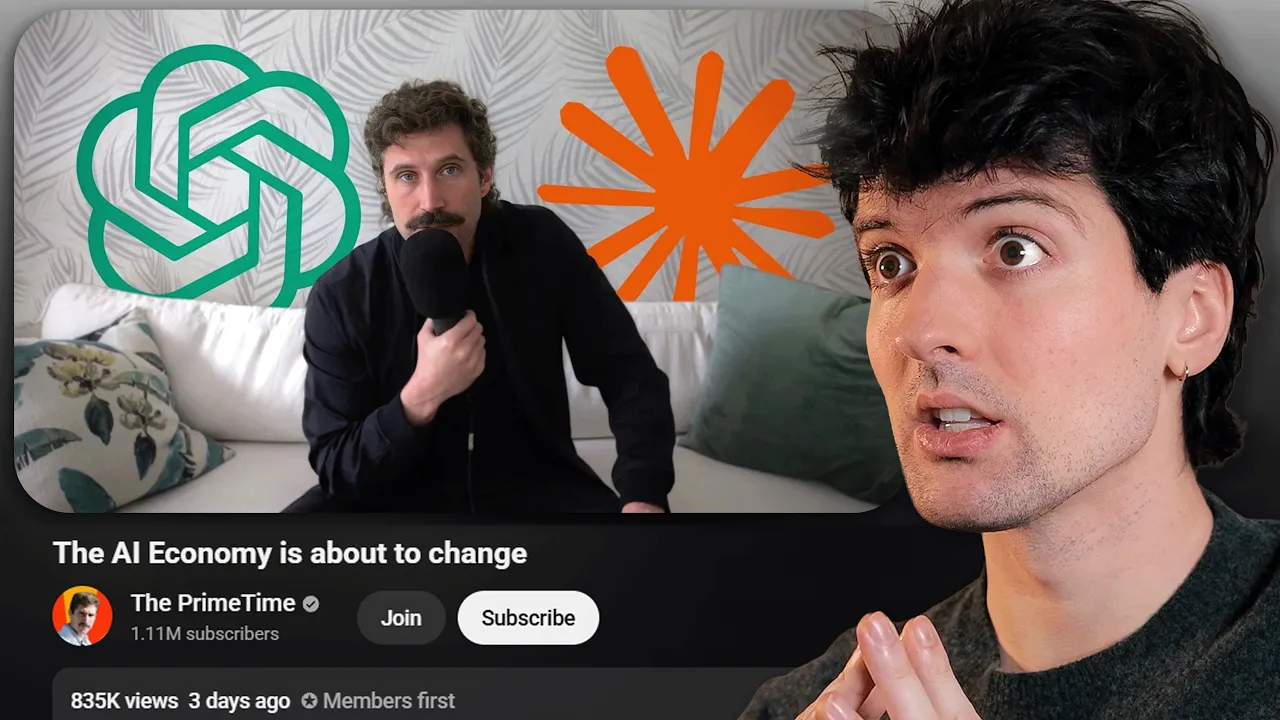
Prime is (mostly) right about AI
The video analyzes the shifting economics of AI compute versus subsidies, breaking down how major players price and provision AI services, and why compute availability is the real bottleneck for end users and enterprises alike.

Microsoft and OpenAI break up (Amazon is pumped)
The video traces the evolving Microsoft OpenAI relationship from its 2019 origins through a history of exclusive cloud ties, escalating conflicts, and the recent Amended Agreement, while examining how Anthropic, AWS, and other clouds reshape the AI ecosystem and OpenAI's strategic moves.


Get daily AI recaps from
Theo - t3․gg in your inbox
Get AI-powered summaries delivered to your inbox. Save hours every week while staying fully informed.