
Theo - t3․gg
Software dev, AI nerd, TypeScript sympathizer, creator of T3 Chat and the T3 Stack.
A rant about Javascript bloat
The video argues that JavaScript web bloat is widespread and inefficient, outlines three main pillars driving this bloat, and offers practical ways to identify, reduce, and prevent it by favoring native features, cleaner dependency trees, and targeted tooling. It also highlights resources and tools from the E18 ecosystem and urges concrete action including auditing dependencies and supporting foundational maintenance projects.
Jira and Linear are legacy software
The video argues that traditional issue trackers are being superseded by a more context driven, AI augmented workflow, highlighting Linear’s approach with agents and Work OS while sharing personal experiences shaping modern product development.
OpenAI is lying
The video argues that OpenAI GPT-5.4 struggles to produce good frontends unless guided, compares multiple models’ UI capabilities, and suggests practical ways to build better AI driven interfaces while critiquing an article that overhyped AI UI results.

AI has a subsidization problem
The video analyzes the shift from subsidized and free AI in consumer tools to tighter economics, examining Gemini, Copilot, and Claude, and explaining why subsidy models are collapsing and how it affects developers and users. It also delves into broader cost dynamics of AI inference, data, and infrastructure, arguing that free access is unsustainable long term and outlining strategies for users and teams navigating this landscape.
Claude Code has a big problem
The video analyzes Claude Code's rendering performance and the broader implications of using React for CLIs, explaining how terminal rendering, buffers, and frame budgets affect speed, and contrasting React's diffing approach with traditional terminal constraints. It also discusses open source tradeoffs, Ink's architecture, and Meta's philosophy behind Cloud Code and related tooling.
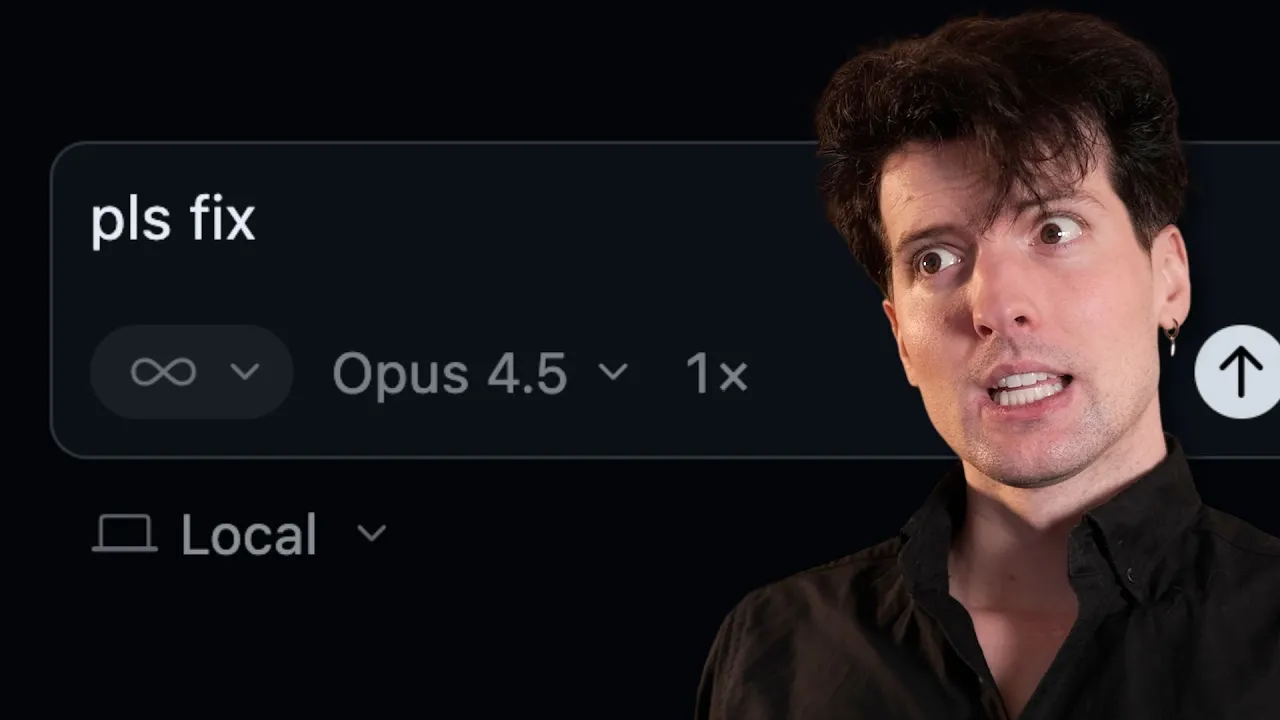
AI mistakes you're probably making
The video argues that AI tools are evolving quickly and outlines practical mistakes to avoid, focusing on problem framing, context management, and disciplined use of AI to actually improve real codebases rather than chase hype. It also offers concrete workflows like plan mode and context mindful strategies to build reliable AI-assisted development processes.
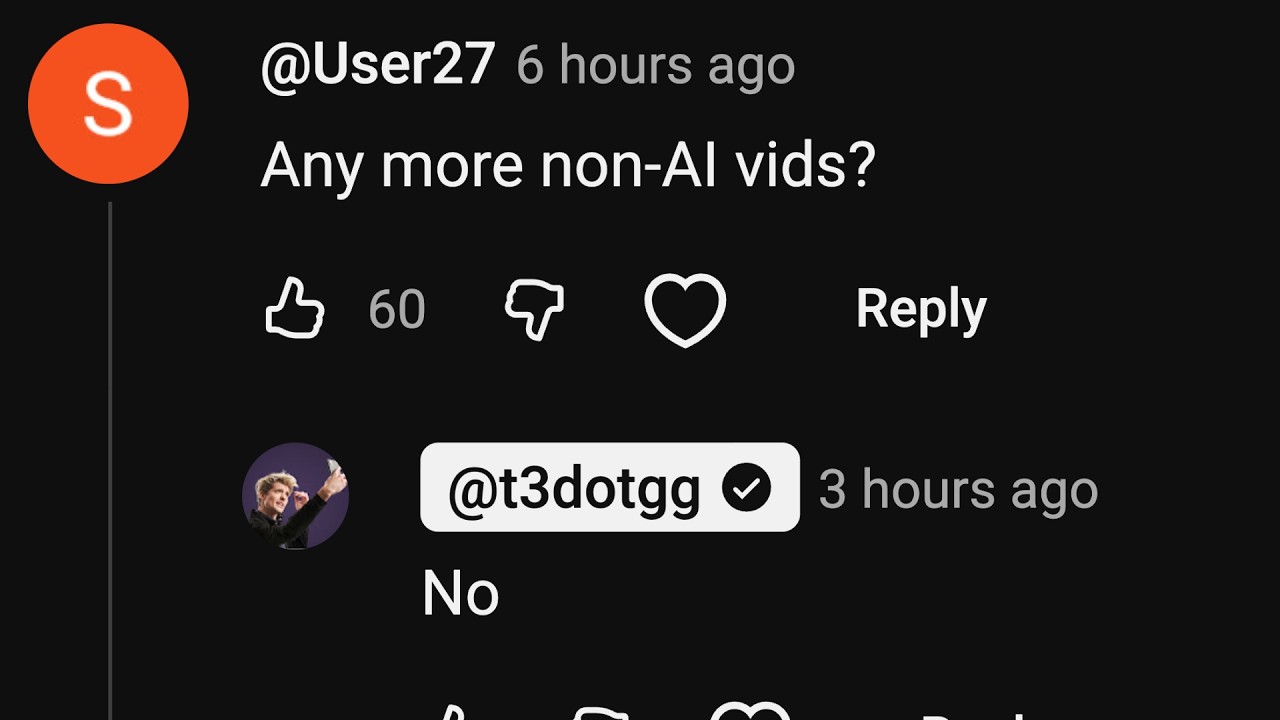
What happened to me?
The speaker explains why their channel shifts toward AI and how they choose topics based on genuine excitement and ADHD, emphasizing authenticity, live conversations, and experiments over chasing money or algorithmic trends.

Peering into Claude's soul (I can't believe this is real...)
The video analyzes Anthropic's Claude Constitution, arguing it functions as a guiding framework that shapes Claude's behavior, values, and training, and discusses how it sits beside system and user prompts to steer the model. It also delves into training data practices, ethics, autonomy, and the philosophical implications of treating Claude as a novel agent with its own identity.
The end of the GPU era
The video argues that Nvidia’s high value hinges on its dominant GPU architecture and the crucial role of TSMC, while a wave of specialized accelerator startups and partnerships threaten to erode Nvidia’s edge. It also explores the shift from general purpose GPUs to tailor-made AI accelerators and the broader implications for the AI hardware ecosystem.
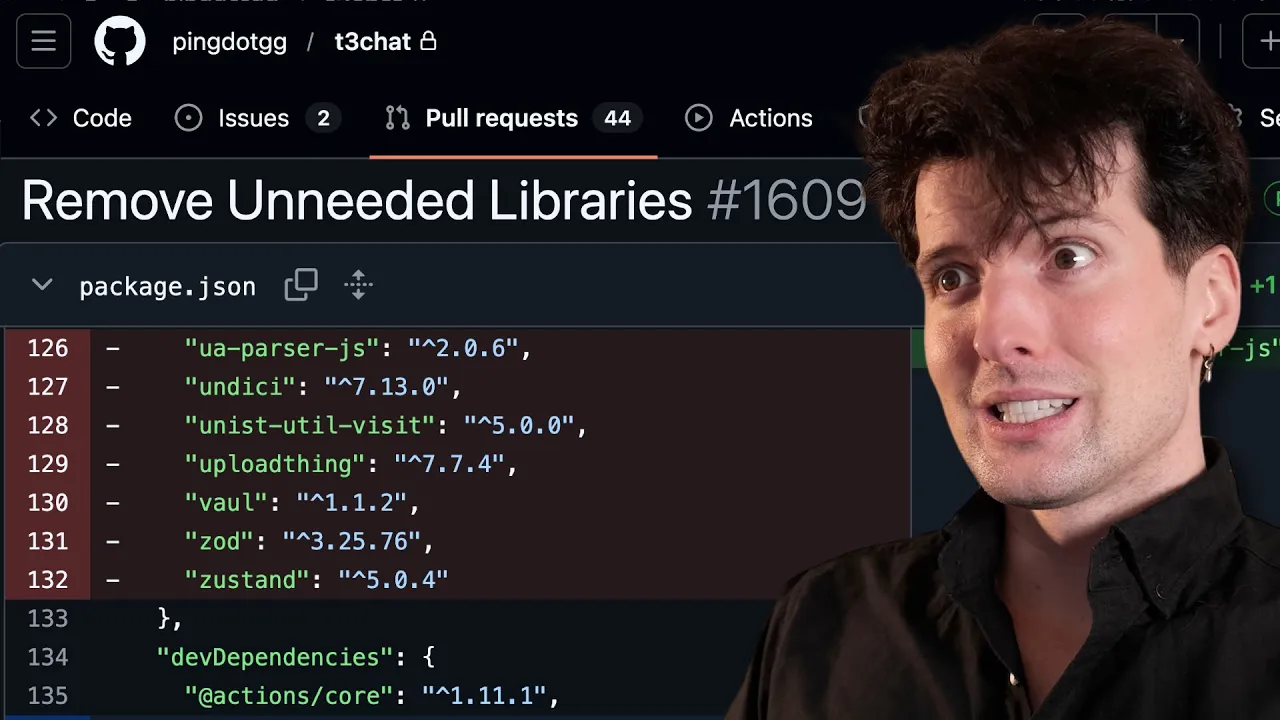
I don’t really use libraries anymore
The video argues that AI is reshaping how we use libraries and how we build software, highlighting both the opportunities and risks of relying on external dependencies versus generating code in place. It weaves personal experience with examples of tools, archetypes, and a shifting perspective on when to adopt, fork, or replace libraries in favor of AI-driven approaches.

I was wrong
The video reflects on how AI is shifting software practices and how the author’s long-held opinions are adapting to this new era, including tools, testing, and learning workflows. It weaves in sponsor segments and then dives into several spicy takes about type safety, styling, server components, testing, and developer tooling, highlighting when AI changes how we build and what we should still value.

What’s the best programming language for AI?
The video argues that the best language for AI is not the one you might expect and explores how existing languages perform in an AI benchmark, emphasizing human factors and ecosystem advantages, with Elixir receiving special enthusiastic attention. It also discusses what makes a language good for AI and for LMS, and highlights surprising benchmark results showing Rust and TypeScript near the top while Elixir shines in admiration from the speaker.


Get daily AI recaps from
Theo - t3․gg in your inbox
Get AI-powered summaries delivered to your inbox. Save hours every week while staying fully informed.