McKinsey’s Thought Leadership Playbook with Daphne Luchtenberg

Chapters11
Discusses the evergreen difficulty of establishing a clear reputation and awareness program that translates into client and talent loyalty and advocacy.
McKinsey’s Daphne Luchtenberg shares how thought leadership, rigorous peer review, and AI-driven tools power a strategic marketing engine that fuels reputation, demand, and client value.
Summary
Daphne Luchtenberg, McKinsey’s global marketing director for operations, joins the Exposure Ninja podcast to reveal how a centuries-old firm sustains growth through disciplined thought leadership. She emphasizes the evergreen challenge of building reputation and translating it into client loyalty and talent advocacy, especially within a partnership model. Daphne details McKinsey’s distinctive approach: codifying insights through a democratic, peer‑reviewed knowledge library where consultants continuously innovate and publish, with performance tied to knowledge creation. The conversation highlights the firm’s rigorous process to avoid duplication and maintain distinctiveness in thought leadership, leveraging data, client challenges, and real-world trends. We also dive into McKinsey’s proactive stance on AI, from building Lily (their internal LLM) to using AI for first drafts, risk checks, and faster content iteration, while keeping human judgment central. Daphne argues marketing must be a strategic function, not a support role, by bringing data-backed recommendations and shaping conversations with clients and partners. The discussion also covers career advice for mid-size B2B marketers, mentorship dynamics for women in leadership, and the importance of apprenticeship and bench strength to scale expertise. The episode closes with Daphne sharing how her unconventional path, curiosity, and willingness to take calculated risks propelled her to the top, plus practical tips for aspiring marketing leaders.
Key Takeaways
- McKenzie’s thought leadership is codified in a democratic, peer‑reviewed library where consultants log learning, share insights, and are rewarded in performance reviews for knowledge creation.
- A distinctive thought leadership program hinges on senior sponsorship, time allocation for codification, and a clear bar for originality to avoid duplication.
- Lighthouse use of AI (Lily) accelerates content drafts, partner profiles, and risk checks, while human editors maintain governance, tone, and factual accuracy.
- Marketing is treated as a strategic asset with data-backed perspectives; consistently entering conversations with recommendations rather than questions to earn a seat at the table.
- Mentorship and apprenticeship are essential for succession: a strong bench and deliberate coaching prevent over-reliance on a single star and sustain brand equity.
- Authentic customer-centric content emerges when leaders connect client challenges, market trends, and practical implementation, rather than chasing volume alone.
- Women in marketing benefit from proactive mentorship and courageous self-marketing, countering common hesitations about visibility and recognition.
Who Is This For?
Marketing leaders at midsize to large B2B firms who want to build lasting reputations through strategic thought leadership, peer-reviewed content processes, and AI-enabled efficiency.
Notable Quotes
""Every single piece of knowledge is syndicated and is peer‑reviewed.""
—Daphne explains McKinsey’s collaborative, rigorous approach to content creation.
""The performance metrics for each of our consultants are attached to their ability to codify and share that learning.""
—Showing how thought leadership is tied to individual performance and value creation.
""AI has always been part of the answer; it was never the final answer.""
—McKinsey’s measured adoption of Lily, balancing automation with human judgment.
""Marketing is our strategic asset and advisor—go to the conversation with data, a recommendation, and a point of view that’s new.""
—Advising on how to position marketing as a strategic function.
""If it looks like a duck and it smells like a duck, it is a duck""
—Advice on assessing whether a new idea or claim is truly novel.
Questions This Video Answers
- How does McKinsey structure its thought leadership process to ensure originality and credibility?
- What role does Lily, McKinsey's AI, play in marketing content and risk management?
- How can a midsize B2B firm build a sustainable content engine without duplicating competitors' ideas?
- What mentorship strategies help women rise to senior marketing roles in professional services?
- What practical steps can marketing leaders take to be seen as strategic partners inside a consultancy?
McKinsey Thought LeadershipOperations MarketingPeer Review ProcessB2B Marketing StrategyAI in MarketingLily (McKinsey's LLM)Content DistinctivenessMentorship & Career GrowthBench Strength & Talent Development
Full Transcript
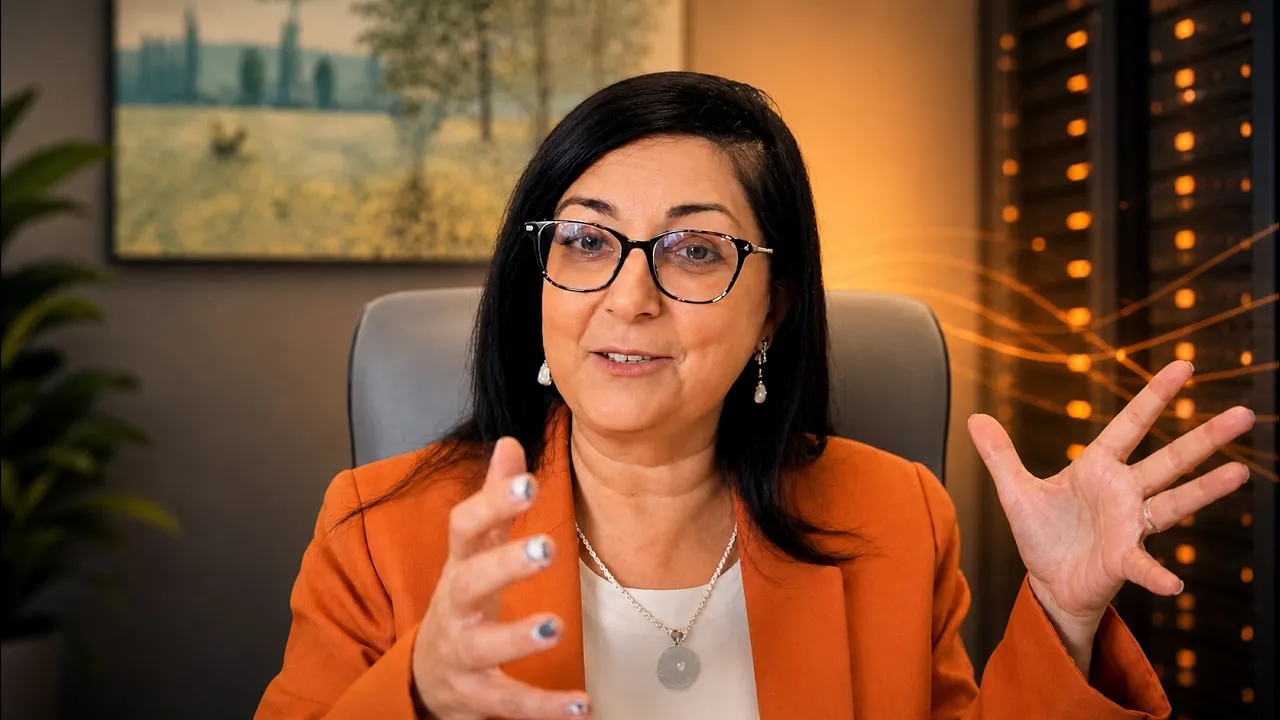
And the evergreen challenge particularly in professional services is you know establishing that red line and building the case for reputation and awareness building programs and how they then translate to client and talent loyalty and advocacy. That has always been the $5 million question and it continues to be. Hello and welcome to the Exposure Ninja podcast. This is the podcast where I get to speak to growth leaders behind some of the most remarkable marketing growth stories out there. I'm Charlie, CEO at Exposure Ninja, and today I'm joined by Daphne Lukeenberg, one of the global marketing directors at McKenzie and company.
McKenzie is of course one of the world's most trusted professional service brands and publishes more thought leadership than any organization globally. Daphne leads the marketing in an environment where growth is driven by insight, credibility, and long-term reputation spanning across B2B transformation, AI, digital, customer experience, all within a partnership model. I'm excited to talk to Daphne today about growth, both of how a world-class firm builds demand through ideas and DAP's own journey as a marketing leader. Before we start, I'd like to add a disclaimer that this conversation is an independent interview. Exposure Ninja and Mackenzian Company are not affiliated in any way.
Deafany, it's so great to have you. Welcome to the podcast. Wow, Charlie, thank you for having me. I am I'm flattered that you invited me and I I feel like I just need to be clear about my role at the firm. Um I am the global marketing director indeed of McKenzie's operations practice. Um and there are a number of um uh colleagues and peers that are also global marketing directors of various um practices in the firm. Um however, I do like to remind them that um operations is um one of the largest practices of the firm and we serve about um 33% of our clients we serve on operations topics.
So it's substantial. Incredible. Um Daffany, so to start off, I'd love to hear a little bit about your role and the big biggest priorities you have right now. What challenges are taking up your mental space? Yeah, you know, um I love that question. Um and you know, having been, you know, working in the industry for um for a while, well, a long while, um I I actually don't think that the challenge has changed very much. It's very much still evergreen, right? And the evergreen challenge particularly in professional services is you know establishing that red line the career the clear red line um and building the case for reputation and awareness be.
So that I would say that is the first um the first piece. Um and in a partnership it becomes even more interesting. Can you explain a little bit about what the partnership model means to those who might not be familiar with how McKenzie works? Of course. And um I've worked now in a number of partnerships and it's it they all have slightly different governance me um um um frameworks. Um, typically in a partnership, what you get is a cohort of leaders who jointly own the firm. And so what you don't get as frequently in a partnership is a kind of hierarchical decisionmaking and leadership structure.
Um and so in McKenzie um we would say we have now have 40,000 folks working in in in effort um to to build McKenzie and to serve clients and it's a very consensus driven culture. That's great. It's interesting that you say just a percentage of clients are partners. So how does that differ from a percentage? Yeah, a percentage of the um of the cohort are partners and of course the rest of the body um is then the cohort of our um of our people is made up of consultants um and then those of us you know the firm um some professional um people such as myself who are there to help the business run.
Fantastic. Okay, so let's get a little into the marketing and I'd really like to touch on the thought leadership that Mackenzie puts out because it's such a significant part of your marketing function and I'd love to ask about how you use that insight and the points of view to create demand rather than just capturing the existing intent in your market. Yeah. Yeah. Yeah. No, I think it's a great question and indeed you know M McKenzie even when I wasn't working at the firm was all always in my mind in professional services and financial services being held up as as the brand to follow and we you know as as outside observers um um you know kind of in awe really weren't we of of um of the research and insight.
So when I was invited to join the firm, I was like, "Ah, now I will finally know. I will finally know how they do it." And I've come to understand what it is that is actually a distinctive difference about the way McKenzie um approach the um the codification of insight. Let's put it that way. Um and first of all, McKenzie is now 100 years old. So 2026 is our centinery. Um and I would put down the success to the fundamental values of the firm right from its foundation. Um because that is around codification and um innovation.
So all of our consultants are incentivized to both continue to innovate as they serve clients, continue to bring new ideas, new concepts, new solutions, and to co-develop those in service of meeting a client challenge and then to codify that learning in a way codify it and log it in the library. um in a way that is not just kind of tick a tickbox exercise but actually a an exercise to to both then um codify that learning log it but also distribute it so that that that is a democratic um distribution of knowledge and understanding so that that the expertise is syndicated right around the firm and so the knowledge base of our firm is is is extensive as you can imagine and the performance performance metrics for each of our consultants are are attached to their ability to codify and share that learning.
And this is such an incredible model if we think about the scale of it because you have a number of consultants over many decades now creating thought leadership that from the outside to someone looking in at McKenzie it looks effortless but actually there must be so many cogs spinning to make this work to prevent duplication to make sure that everyone has the editorial judgment the research needed and the distribution that actually makes the content successful as well. Can you talk a little bit about how this actually works in the background? Of course. Yeah. Yeah. You know, and I think what it comes down to is the collegiate and consensusbased culture that is at the foundation of the McKenzie firm.
Um, and that is really around um every single piece of knowledge is syndicated and is peer-reviewed. And that peer review process now that can be heated. I've been in the middle of some of that peerreview stuff, but it's always embraced with mutual respect and humility, right? So, you know, I I sometimes work with one team of of consultants who have a point of view about, you know, um bringing a gentic to supply chain, for example, and they're passionate about it and they've they've seen it work in three clients. They've got great examples and they are absolutely convinced that this is the way forward.
Um and then they write that into a piece and then they have they must go through syndication. So they go through syndication um and then somebody you know from our quantum black practice for example who are the owners and and the knowledge base for um everything AI enerogic they will say huh have you thought about this this and this and [snorts] I'll go oh here we go and you know and they'll go ah thank you thank you for giving us that perspective you are quite right we need to make sure that we have accommodated that we will go back to the drawing board, find evidence and and explain how we're dealing with that phenomenon, and we will then come back.
And that actually that spirit is the spirit that makes our thought leadership so robust, but also so credible. I love this because it's really actually about colleagues supporting other colleagues to create great points of view. And I think sometimes when businesses are thinking about content, they're thinking about volume and scale and how much can be put out there. Whereas McKenzie's process, even though you have volume on your side because of the number of consultants, this is actually very thorough. This almost sounds like it leans more towards how scientific research papers are done with peer reviews, inputs from other teams within McKenzie as well.
Correct. Yeah, it's amazing to to fathom a content engine like this being built within a business. I mentioned Oh, sorry. I was just going to say, Charlie, because you and I we talked about it before and you said, you know, um how do you get that thought leadership out? And and I was saying to you, well, actually that's not our problem. Our problem is there's too much and we we need to really have a very rigorous framework to say this is distinctive enough to allow us to make it to broadcast it. Sorry, you had your next question as well.
Absolutely. What I was interested in was whether you believe other businesses can replicate the McKenzie model. Well, I mean it's not rocket science and so it can be replicated, but what it needs is a number of things to be true. It needs the senior leadership need to be be convinced that the investment is worth it. Um the investment is both um actual dollars or pounds or euros. It's also opportunity cost time of our consultants. How will you allow your consultants the time, the space to actually invest in in because you know that's this is not done in five minutes.
This takes concerted effort and time and so we need to give our consultants space um to um to codify and to innovate. Um and then the last piece is performance. You know is are people rewarded for doing this? So, so you know those three things need to be true for um for an organization um to to get stronger in in in this thought leadership piece. And so how are McKenzie consultants incentivized or rewarded to put their innovation and their their thoughts actually into content for the business? It is it always has been and it is a um a factor of their annual performance measurement.
So as they put together their cases for um for um essentially codifying their contribution in performance this year, we look for where have you invested in your own learning? Where have you invested in innovating tools and bringing new ideas to clients? Of course, where have you helped to develop relationships with clients, but where where can you point to um evidence that you have contributed to knowledge creation um and publishing? Fantastic. It sounds like this is the perfect way for innovation to actually be central to those roles for ownership to be taken of it. The part that I'm interested in around if another business was trying to replicate this type of model of innovation and codifying their thought leadership if there's common pitfalls that McKenzie have seen that you actively work to avoid.
Um well I mean I think duplication is a common pitfall not really you know and not holding a very very high bar for distinctiveness. that is where you can get you know um um tip tripped up essentially um you know because and and I think that's even more the case in this world of um where all information is prolific where very quickly you know you can check whether somebody else has come up with this point of view as well um how distinctive is this point of view you know so I think that is the thing as you embark on thought leadership um I think you must always ask yourself the question is this really a new idea?
Is this really distinctive or is this actually just a you know a regurgitation of something that everyone's been saying for the last for the last you know year two years three years so I think that is the bar that you need to bring and it's a difficult bar to find I think because you you have to challenge yourself then to look for different points of view and to assess your own learnings all of the content that you take in yourself what you're actually seeing in practice this. So it sounds like a lot of thought actually goes into and I think it's a convolution right it's a convolution of a number of things so um it is it's what is what is actually being delivered what is what are the challenges that clients face and how are we helping them what's the latest thinking there it's also what actually is happening in the world you know so so we're we're very fortunate that our senior partners are encouraged to network and to build strong relationships with senior, you know, CEOs, adviserss, board members, um leading think tanks, um academics, um policy makers, so that you know they're also constantly gauging what's actually happening in the wider world.
And it's it's where you bring those things together to say, well, actually, we see this as a major trend emerging. This is how it's affecting businesses. This is what we're hearing CEOs tell us about where they are struggling or where they would like you a McKenzie to focus and then this is what's happening from the ground up as we are um as we are serving our clients and it's when you bring those things together that's where the magic happens. I think you've just touched on the most amazing point there, which is not creating content or thought leadership for the sake of creating it or for the sake of just thinking about the brand or the company, but actually how it solves a problem for the customer, which ultimately no matter what sector or business you're in, is the focus.
How you meet the needs of the customer, understand what they need from from you, what they need from your services as well. One of the biggest trends in the market though in the world kind of leads me to our next question which is AI and marketing hot topic. Yes. Across across the globe. What has Mackenzie's approach been towards AI and marketing so far? And has it changed things significantly for you? Well, I think first of all the the way to answer that question first is to say how's the firm thinking about AI? you know, and um the our firm very quickly um was um was um uh curious and explored and actually courageous exploration.
Um very quickly we said, "Okay, well, let's build one of these things ourselves. Can we build our own LLM? We're a knowledge business. Surely we have a a bank of data that we can we can figure out how to make this work." Um, and we knew that as we were doing that early on, we were at the very early stages of LLM development. And so we might well be building something that ultimately we would not end up using. But in building it, we could understand it extremely well and we could understand also how we needed to evolve it.
So that happened at least three years ago, right? Where our where our consultants and our tech teams and our experts started to say, "Guys, we just need to get we need to figure this out. what's the best way of working? And actually, we had a team. We we we um we created very quickly a beta version. We rolled it out. We actually then brought in the entire firm to help us test it. And you know, and you know, there's nothing better than a test bed of 40,000, you know, um um u test buddies as it were.
And so, so the firm was was immediately leaning forward when it came to AI. We have to understand this. We have to see where it's going to take us. How will it help us? How will it help us help clients? And what will it teach us about helping clients develop their own agentic platforms? So, so that was already part of the culture. And then the question for us in in the marketing team was okay, well, you know, gosh, we're very busy already, so we can absolutely see if some if there's something that is going to be helpful for us, let's start let's start to to to test it ourselves.
Um and McKenzie has always had a tradition actually of um often working with um early movers, early tech movers and kind of co-developing together. Um and so we identified two or three in fact colleagues of mine. I was not involved directly with this but colleagues of mine identified two or three new startup kind of writer applications um and we started to um collaborate and then we rolled it out to a small cohort of our marketing professionals and over time then started to teach that um that particular application um our own voice at the same time we were teaching our own Lily we called um our own LLM is called Lily we were starting to teach Lily to speak our langage language.
It was fabulous because it allowed us to say, "Okay, I'm writing a social piece, but I want to write it in the voice of Bob Sternfeld's or I want to write it in um in the voice of Kate's Mage." Um and and and very quickly it gave us a very useful tool. Now, it was always part of the answer. It was never finally the answer. And I think that's certainly what we're seeing now. So, we're we're using AI um in marketing mostly around content um helping us fine-tune our content uh perhaps tighten our content, play with different voices of content, but also now we're starting to develop agents that for example get us a um a partner profile written very quickly in a moment, right?
And so you can say I can now say, "Hey, I have a new partner. um here's his LinkedIn profile, here's his biog we know what you know what you know about this person from our database and please go search the web and come up with a one-pager that is that meets the needs of the Mckenzie profile and it's a very good first draft. It's amazing. Yeah. Yeah. Um this is incredible. Yeah. So um so those are real examples of where that's helping us. um you know um reviewing pieces for um articles um for for risk analysis.
So where where is this article touching on areas of risk where we need to just check that the language is right? Where is this article referring to client work? Is it anonymized sufficiently? I mean things like that. Um again it just gives you the hints quickly. So that's it sounds like it sounds like AI has been really well integrated into the marketing function at McKenzie. Did you have any resistance from the team when AI was first brought in because it sounds like you have Yeah, I think we definitely had skeptics and actually to be honest we we love skeptics um and you know they're important.
So there were always early adopters and then there were always skeptics. Um and together you make things better I think. Wonderful. Um and so do you still have Lily functioning at the moment? Yes, Lily continues to grow, continues to improve. Um but you know but every every quarter there's a new development. We bring you know new external software and functionality into it. I mean, what's important about Lily, of course, is that it is ultimately anchored around our library of knowledge of, you know, that goes back 100 years. So, so we're going to want to keep that as a proprietary tool.
Um, but we're also going to want to make sure that that uses the latest advances in technology um in order to help our consultants get smarter faster. Absolutely. What an incredible use of of AI. Which kind of leads me into the next section. I was interested to ask you around marketing and how it becomes seen as a strategic function within the business because you've got lots of moving parts. The thought leadership, you've also got their AI integration, but how have you managed to build marketing into something that's seen strategically and not just as a service department that supports your partners and practices?
Yeah. Um well we are our strategy firm. So if there was ever going to be an um a kind of a culture and a business that would understand that you have to see marketing as a strategic asset it would be McKenzie. So to some extent that you know you're already halfway there halfway there. I think the the the the bigger challenge for um for for us in the marketing team is to demonstrate that we can be strategic when it comes to marketing topics for the firm. Um and and you know in the in the in the one hand of course you know um our internal clients are some of the smartest people on the planet.
um and though and they advise clients at the highest level of the organizations on a daily basis and so they need to truly believe that you know what you're talking about. So to be seen as a strategic asset and a strategic advisor I think it's very important that you um that you get under the skin of the business and truly truly understand it and and and it's not just about I've read an article and now I know the words. You have to demonstrate that you understand the business, the content um because that is kind of that gives you a place at the table.
You have to earn that place at the table. Um and you know I spend a lot of time in all my mentor relationships. This is the topic we talk about most. How do you demonstrate strategic insight? Right? You demonstrate it first by obviously demonstrating humility and showing that you're listening, but also showing not just showing that you're listening tell, you know, by showing them a white sheet of paper and asking somebody else to fill it in, but actually listening in a constructive way so that you're helping the person you're serving understand that when you're hearing things, you've already got a frame of how how you're using going to be using that information.
I think that's the first piece. The second piece is come to those conversations with data, with information, with a recommendation and a point of view that is new. If you don't come with a point of view, how will you be valued? Mhm. And and and that is I I encourage um my team members and and others to do that, right? Which is don't go to a conversation with a partner and say, "What would you like to talk about?" What you want to do is you want to go to a conversation and say, "This is what's being wr written about in the press right now.
This is what our competitors are saying. Here is what you've been um quoted as saying in the past, and I know that you're currently working with this, this, and this client on these really important topics. I think we should work together and write an article on X because because I know that there will be a gap in the market and that people will want to talk to you about that. Now then you are giving strategic advice and it's data backed. So it sounds like the approach is driving with data, understanding the context and being ready to have a conversation for the areas of context that you perhaps don't yet know and then actually driving the direction in those conversations.
Exactly. Well, well, of course it's a collaboration. Of course it is. But you know what you're doing is you're bringing a perspective that that the partner or that the person you're working with probably doesn't have. So for example, right now there's a whole new world around LLMs. Are LLMs good? Are they bad? You know, are they going to steal all your IP or actually are they new route to getting your content giving giving it visibility? Um, in fact, and so I'm just digging into that right now where where I'm going. Okay, I needed people to advise me how is McKenzie performing on LLMs?
How how are LLMs making up their minds about McKenzie's position in those um in in their recommendations? Therefore, how can I influence that better? But also, how can I make sure that we are not giving away, you know, the jewels and the crown? Because you know ultimately what we want is we want to be able to provide a perspective to clients and we want clients to pick up the phone to say can you help me you know apply this learning and this insight to the problem that I have. Yeah. And this is this must be a really big meaty topic at the moment of how much resources put into LLMs and the sentiment they have about the business, the content that they surface from the business and what is protected, what is considered protected information by the business that they don't want put out publicly that they don't want LLMs to surface and reference.
And it's not it's not an easy challenge. So I imagine a lot of the conversations that yourself and the consultants at Mackenzie must have, it's not always black and white. There's a conversation to be had across a lot of gray areas to reach a a decision. Exactly. Exactly, Charlie. And it's a moving feast. Every day something changes. Also that's an opportunity for us right as marketeteers because we can keep our finger on the pulse and we can be the people who bring that perspective because our partners are you know and and our leaders are busy doing doing the business.
So that that is another place where I feel there's a real opportunity for us to demonstrate strategic advice and strategic intent. Fantastic. So this leads me to want to ask you about the advice you might have for other marketing leaders in let's say midsized B2B firms. So they wouldn't have the same resources that McKenzie might have. But are there two or three moves that you would recommend that they might make to build their reputation, their trust and ultimately grow over the long term if you were in their position? What advice would you give? Definitely. I mean in the B2B environment it is absolutely about finding ways to showcase the experts and the expertise.
Um, and you know, yes, at McKenzie, we have we have a body of knowledge and content that we can use, but the tactics are the same, right? And so, if you're if you're if you're trying to build a reputation for a a brand that is providing advice or a service in a particular marketing segment or market segment, you know, how well respected is that brand? How well known is it? How strong is your awareness? And is your awareness, you know, distinctive? How are you setting yourself apart from the competitors? Um, who are some of your very good performers?
What can you how can you give them more voice? Um, where are some of your um your jewels? How can you showcase those jewels? So, I mean, to be honest, um I I think that it is absolutely possible if you're working in a small medium-sized business to use these same tactics um and and cut through. You know, one of the hesitencies I've heard from business owners or marketing managers around this type of thing in a mid-sized firm is the concern that if their employees are out there becoming very well known that the firm might eventually lose some of their best people, their top performers because they are so out there in the market.
Is there any advice you would give if that is the point of view that someone has taken around the idea of having their people out speaking putting thought leadership out there? No, that it's it's that's such an interesting dichotomy, isn't it? Um because I mean and and honestly all the large consultancies have exactly the same it's the same um um phenomenon. Um you know a consultant a partner will really only be with McKenzie. Now many of our senior partners have been with McKenzie for life but you know we have a cohort currently of 40,000 folks that you know the turnover is is a natural progression of of um of a firm's life and so that is always that is always going to be true um and you know the IP rests with the brand right and the brand is where um the where the the function and the purpose of of the of the business sits and that is that stays.
And so I would say if you're I think you're probably more vulnerable if you just have one star and everybody invests in that one star and then that one star leaves. And so I think what's important is a strong bench and to continue to replenish the bench. um and make sure that the bench is representative of the firm brand and the business brand rather than the individual. Yes. I think as well you kind of speak there about the life cycle of people's careers that it would be naive I think of businesses to assume that everyone will be there for life.
There will always be some people who are which is fantastic and amazing but also part of the business's responsibility is supporting the careers of those employees giving them the platforms to go after promotions internally and to go after opportunities externally if that is part of the life cycle of where their career takes them to. So I love the idea of having a bench and working on multiple stars in the business rather than all the eggs in one very risky basket. Yeah. Yeah. You know, and and Charlie, this notion of apprenticeship, I think, is extremely important, right?
So, as you get a very practiced consultant, a very practiced expert on your you you might work in the technology industry and there might be a a bunch of folks who are just the strongest experts when it comes to this technology in this particular business area where we're solving problems. But what are they doing to bring new young young folks along and bring you know and start to apprentice them to to start to following in their footsteps. So so those are the things that leaders can do to you know build some resilience against some of the phenomena that you were describing before.
Absolutely. And Daffany, this this leads me into my next question really, which is around how you came to this point in your career because you're holding an extremely senior position at one of the world's biggest firms. Everyone knows McKenzie and company, but it's also not the only place that you've worked. You've been across many marketing and business development management roles. And I know from our earlier conversations that you didn't really follow what was the expected path, but you had a vision of going into business and wanted to work in these types of environments. So, how did you build your career in a sector that wasn't really the usual career path for women at the time?
Yeah. No, I mean sometimes I'm I have to pinch myself sometimes, Charlie, to say, "Oh my god, look where I am. How did I do this? I don't know." Um um I you know I I reflect on this and um when I was 16 and I was thinking about the kind of job I wanted to have and thinking about how I would get up in the morning and where I would go and who I would talk to and the kind of things I would say. Actually this is probably the job that I was imagining. You know this job where I am um challenged every day.
I have a variety of topics you know from capital projects to supply chain to um you know using agentic in customer service um operations. I'm fascinated at never board. Um I am invited in to have um really interesting conversations with leaders and every day I'm like oh wow I hadn't thought of that. You know every day something new and wonderful surprises me. Um so so that that is actually what I had hoped to be in. I always knew I wanted to be in business. Um, you and I talked before the podcast. You know, I as a as a young girl was fascinated by some ma macroeconomic concepts like, you know, I couldn't get my head around and I think you and I were talking about having a similar experience just the scale of the Chinese economy, right?
And and of its population and I remember when I was 9 years old, I was just trying to, you know, actually, sorry, h how much rice do you need to feed that? You know, stuff like that. And I was just like fascinated. Um, so macroeconomics was always something that was interesting to me. I knew that I had a strong mastery of language and could be very precise and articulate. That just happened to be the truth. Um, and I enjoyed that too, you know, when I was um, doing my baloreate. Um, one of my favorite topics was analyzing poetry and stuff like that.
I just loved it. It just that analytical mindset, I just had it. Um, and I also had a really wild imagination. Um, you know, I one of the things I I did often was I would make up products um very much in the range of, you know, palm olive um detergent and then come up with a different name for a different better product and what would that better product do and then how would I advertise it, you know? Um this was in the this was in the time when um when there were adverts around, you know, soft enough to put your hands in the dishes, you know, that kind of palm olive type ad.
I remember I remember going, "Oh, who came up with that? That's really clever." Um, so you know, so so that was all true. Um, and then I think, you know, not everybody has exactly their the the same opportunities for education and or for jobs and, you know, the opportunities depend on what what decade you're born in. Um, so then I think it was just really about feeling having the right intuition and feeling that the moment was right to say yes to things. Um, and this comes back, you know, one of my favorite books is um is a book called the broken rung.
Um, and in the broken rung we talk about why is it that women have not progressed as far as men. Um and one of the things that is called out there is is this notion of experience capital and experience capital um has comes from an ability to jump into a risky situation and and and you know learn from that. So are you how frequently are you free to or do you allow yourself to jump into the deep end and just figure out how to get out and in getting out and saving yourself you are learning.
Um, and I think I've had a lot of opportunities to do that. So, so I talk a lot about the moments when I said yes. The moments when I said yes, I did that more on the basis of a feeling that this was going to work out okay rather than having all of the data and the facts in front of me. Um, and and so I would love to say to you, Charlie, that I had a blueprint um, from the age of 18 I knew exactly what steps I was going to take. It wasn't that at all.
I think it was a notion of what I wanted to do and what I wanted to be and where I could be strong and then just making the best of the things um as they came along which is kind of incredible. I think you very rarely hear someone who had a vision at the young ages of sort of 16 to 18 of where they wanted to be in business, where they wanted to be in their career and then manages to also make that the reality in their career. How did you originally first get into business?
Because I can't imagine it was the first thought that your perhaps your parents or your teachers had for you of the direction that you would go. No, you're quite right. My dad wanted me to be a dentist. Um he thought that was a very good career for for a woman um because they could, you know, you could still be look after the family and then um um you know, go to your surgery and and and practice on a part-time basis. Um I um honestly I was just always determined. I knew that I wanted to work in business.
So um my first job I just want I had a marketing um degree, graduate degree. Um and I had this idea that I would just be a number two in a marketing department, which is very funny now with hindsight. Um but um um and I remember somebody saying to me and laughing at me um just as as I just did and saying, "Well, you better get some shortorthhand then. And how fast is your timing?" Well, let me tell you, Charlie. Um, I had no shortorthhand. Um, I had a good memory, but not no shorthand, and my typing was appalling.
Um, so that was that was kind of my first aha moment was like, oh, so I don't just need to know about the four Ps. I actually also need to know how to make coffee. Um, luckily times have changed. Um, and that is no longer the case. Um, but um, but you know, I I was determined. I did want to work in business and I was willing to do anything. And as I started, I was the photocopier girl. That was my first job. Um, and but what I did was I actually read what I was photocopying.
So I was also learning in that moment. Um, and and that's really I think that is what uh what I've just kept doing, learning all the time. I'm curious. Um, I continue to learn. I continue to ask questions. Um, and actually I find it interesting. So, it's not like I make myself do it because I should do my homework and brush my teeth. It's because I I am just um constantly exploring and and and and letting my curiosity take me to places. It's funny that you mentioned your first role being the photocopying because one of my first roles was the taking of minutes in meetings by hand.
So actually needing to be away from a computer, you know, it was before the days where we had AI recorders like Grain and the fantastic software we had now that automates it for us and actually taking manual minutes in shorthand. And yeah, I think the perspective on some of those first roles can be like I don't want to be spending my time doing minutes and photocopying and printing and making the coffee and the tea, but the opportunity to learn as part of those roles. And the number of people that you meet is actually incredible and really hard to weigh the value of when you're first taking, you know, that first opportunity to finally be in a corporate environment or a business environment.
So, I love that you were learning from the things being photocopied. I felt exactly the same about learning from just being in the room with all of those brilliant minds, even if I was only at that time taking the minutes. No, I agree with you. And you're that you learn so much, not just the content, but you also observe how relationships are working, how is the power politics playing out. These are all really important things, but you but you need to know that's what you're watching, right? That's that's the piece, right? Um so um but uh yeah no um and and and I am where I am now and actually honestly I still take fast notes and I still have a good memory and it stands me in goodstead.
And so when you're thinking about the opportunities and the barriers for women in senior marketing roles now are there still things you see that need to change? Um I think it every person male female needs to make up their own mind as to what they want and what's important to them and on the basis of that determine how courageous you want to be whether you're a a woman or a man. Um, of course, everyone's going to have their own path. And I have seen, you know, it's absolutely true. It's true. You know, men are much happier to say, um, even when they only did 10% of the work that they claimed 100% of the work.
They actually don't even know they're doing it. Women, when they do 80% of the work, will spend all their time telling telling you who did the other 20% of the work. We just are different, right? We're just different like that. And so, so I think sometimes having someone, a good friend that you trust, a good mentor that you trust, just kind of holding up the light and holding up the mirror and just reminding you every now and then whether you're putting yourself, are you being too humble? Are you being courageous enough when someone asks you, "Will you be the one?
Could you just help me with the coffee and tea?" Is that the best time to say yes? or is there better time to say actually let me organize for you how that can be done which I love that often what a man would do um you know a man will won't go oh well let me figure out where the sticky tape is so I can stick this piece of paper up on this wall a woman will without thinking go oh I can just quickly do that um you know and so it's it's it's it's little things like that but actually it's not those little things it's about being courageous and and taking risks and trusting yourself.
One of the things you mentioned to me before was about the number of women working in marketing as well which had been rising and I think you said that you had seen I was just exactly I was just looking at that um which um you know marketing has always traditionally been the area where we saw a higher penetration of female workers right and female leaders. Um and I was just um uh checking into that and actually postcoid that has regressed. So, where we were pretty much 50/50 in balance, um um I'm seeing now that that's gone back to 30%.
And I think there's a whole bunch of reasons, right? That's a whole other podcast, Charlie, that we need to have. We'll talk about that. I would love that. Um but, um but um women are making different choices. Um, and I'm not judging anyone for making the choices that they make, but but I want to make sure that when women make choices that they really are making the choice or whether they feel somehow pressurized into it or moved into a situation that is not of their making, but they don't know how to stand up um and make their voice or heard.
And and that's also one of the things that I spend a lot of time just listening for when in my mentee relationships as well, right? Which is okay, you chose not to volunteer for that project. Is that because you really don't have time or is it because you were afraid that you might not be able to do the work right? Um and and I feel that it's important for us to you know as as you know colleagues and each other's peers and each other's friends we sometimes have to ask each other the question right. Absolutely.
I love that you speak to the value of mentoring as well. It's one of the things that has been the most impactful I would say on my career but also on me personally. One of the challenges I know is that it can be very difficult to find mentors or to know what to expect from mentors within your life. Is there any advice you would give to someone who's who's maybe thinking, "Wow, that does feel like what I need. I need that sounding board for the direction that I want to go to to soundcheck the thoughts that I'm having." Yeah, I think you should just do it and you should just ask.
I I remember speaking to a senior partner who said, "You know, Dafany, I'll um I'll do a talk to a group of say 30 or 40 consultants and I'll say my door is always open." And you know who only ever comes to my door? The men. Interesting. women. No women come to my door to ask me if they if I could spend some time with them because they're already made up they've already made up their minds that they're not they're not worthy. Um the senior partner won't have time for them. La. Um and I see it consistently when people ask me, "Oh, you know, I'd really love to get some advice.
Um I'm sorry. You must be so busy. Um would you have time?" And I'm and I'm like, "Yeah, I do have time. of course, let's do it. And they're like, "Oh, okay." And then we get we meet once and I always put the ball in the mentee court. It's I don't chase for it. The number of people who've only come to see me once, thank me profusely, and then don't dare to ask me again. I you know, it it's phenomenal, Charlie. And it's always women. It's interesting, isn't it? Because I can absolutely see and have the same kind of thoughts.
If you feel someone is busy, you don't want to take up their time. But equally, I would say almost always that person is happy to give their time. And women are happy to support other women. And the perspective I like to take on it is if you ask for someone's time, you should also then give your time. You have the opportunity to be mentored, but also to mentor others. And if you always see yourself as giving back as well as taking some of that time, which you absolutely should be taking, then there's no reason that the world doesn't revolve that way.
That we can't both take and give. Yeah. Well, and Charlie, and you know, I I don't know. Yeah, I know you must do the same, but I learn a lot when you know when I have conversation, I learn a lot from how other people are thinking about things. Um often, um maybe new tactics, new ways of doing things. So actually it's not a waste of time on my part at all. No either. Yeah. No, absolutely not. It's always lovely to have fresh perspectives. Yeah. I I completely agree. Um Dapany, this has been such a wonderful conversation.
Thank you for sharing so much about the marketing, the operations at McKenzie, how the thought leadership works and your personal story too. I have one last question that I like to ask every guest on the podcast and that's if you send Yeah, [laughter] you know it's coming. If you could send a a text message or an email to yourself on the day that you started your career, what is the growth advice that you would send? Yeah. Yeah. Yeah. And as I mentioned to you, I I hated the question. And then then actually I really love the question.
So um um I would say it's the first thing is do good work and don't be afraid to be yourself. Um then trust your instinct because this is one of the things I have learned um that you know when I had a feeling pretty much I was I was spot on. Um so um also learn very quickly I think to discern gossip from information that is valuable that will help drive a project forward. Um, and and make sure you don't get like wrapped up in gossip and really know how to shut unhelpful gossip down both for yourself because it'll send your mind reeling, but also don't perpetuate it.
There's not there's no that isn't helpful. Um, and then you know, and I've kind of I wrote this down which is like if it looks like a duck and it smells like a duck, you know what? Um it's it is and it's been a valuable life lesson for me. And if I go back and remember um the moments where I thought I wonder if what's really going on here is XY Z I turned out most times to be right. When I was younger I didn't have the confidence to then take that information and do something valuable with it.
But now I know how to do that. But, you know, I would tell my younger self that, you know, if you've got an inkling, a spidery sense that it's this, this, or this, you're probably right. Um, and so, and and it's about going deeper and really understanding the motives and the motivation of others because when you start to think about the motivation of others, the big picture emerges. This is fantastic advice. I was very keenly awaiting your answer because I didn't know what you were going to say to this question, Daphne. And I think it is a fantastic perspective on trusting yourself and then taking action on the feelings that you trust within yourself.
And it's so easy in in business and in life to doubt yourself rather than to back the feelings that you have. But quite often the feelings you have are are from your experience, from the exposure that you've had and your natural incolation of of what feels right to you or what doesn't feel right to you. So I absolutely love that advice. Thank you so much. Totally agree. You're welcome. It was fun. A fun conversation, Charlie. Thank you for having me, Stephanie. If anyone would like to learn more about you or speak to you, where could they find you?
Well, I'm um I'm lucky enough to have a pretty distinctive name and surname. Um there aren't many other Daphne Luxembourgs in the world. Um, so, um, come to me on on LinkedIn. Um, and, um, yeah, we I'm really excited about, um, meeting and talking to folks. So, um, you know, obviously I do still have a day job. Um, but, um, but do reach out. Please do. Fantastic. Deafany, thank you so much for joining the podcast and sharing all of your growth insights for marketing and personal growth. For anyone who was interested in the book that Deafany recommended earlier, it's called The Broken Run and it will be linked in the show notes below.
Thank you, Dafany, again so much. It's been such a pleasure to have you. Oh, well, I hope to come back sometime and uh and and learn more from you, Charlie, as well. I would love that.
More from Exposure Ninja





Get daily recaps from
Exposure Ninja
AI-powered summaries delivered to your inbox. Save hours every week while staying fully informed.