
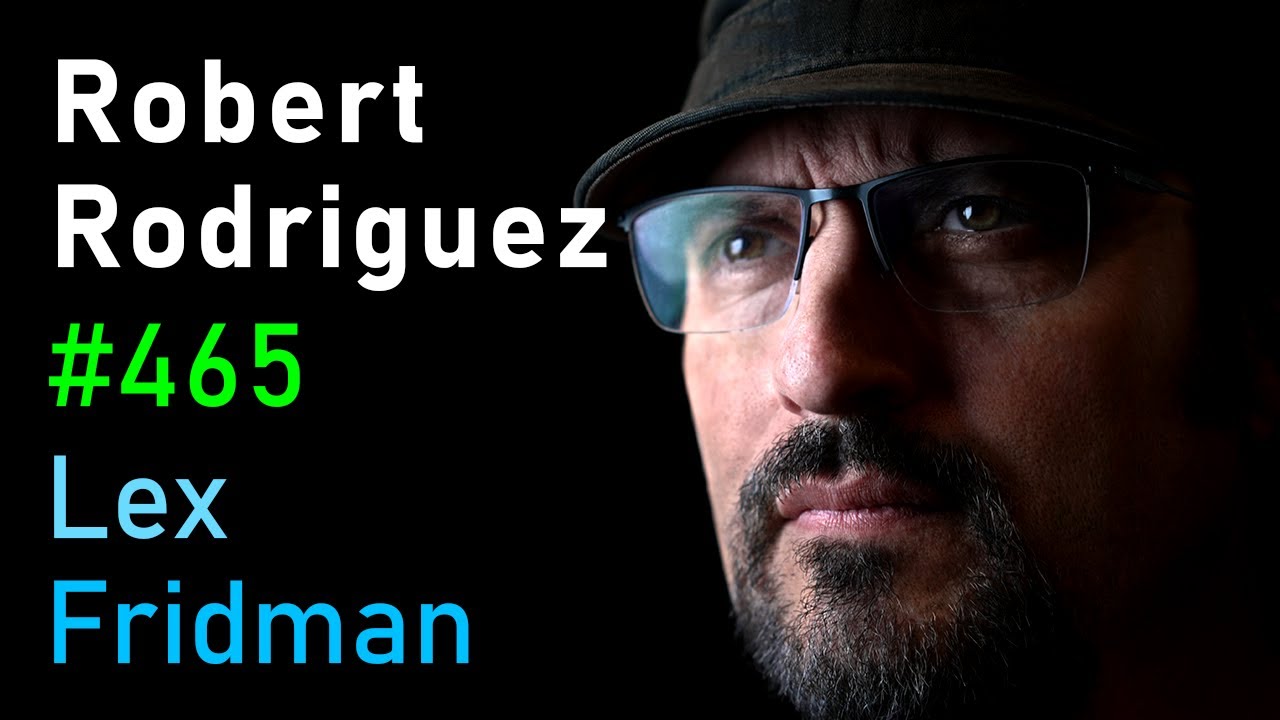
Robert Rodriguez: Sin City, Desperado, El Mariachi, Alita, and Filmmaking | Lex Fridman Podcast #465
Robert Rodriguez reflects on creativity, resilience, and the DIY spirit that propelled his indie career—from El Mariachi to Sin City and beyond. He shares practical lessons on embracing failure, learning across roles, collaborating with iconic filmmakers, engaging audiences through innovative funding, and the power of proximity and instinct in shaping a body of work.
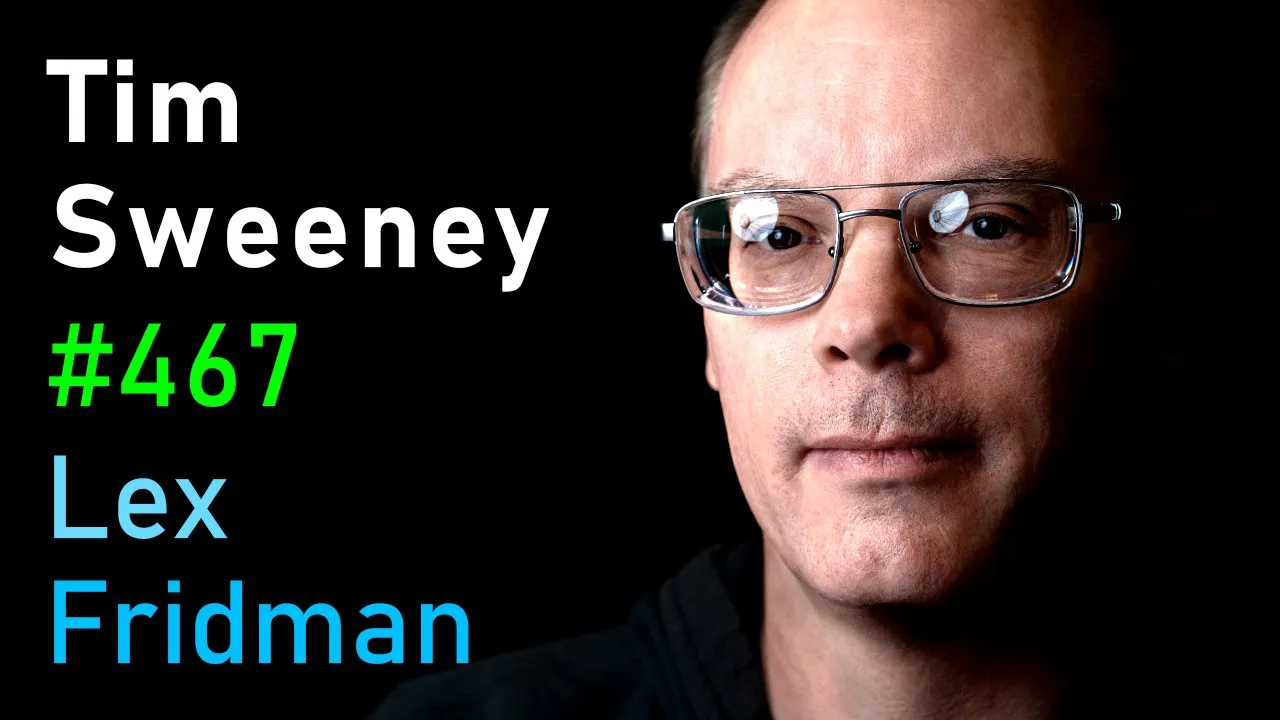
Tim Sweeney: Fortnite, Unreal Engine, and the Future of Gaming | Lex Fridman Podcast #467
Tim Sweeney reflects on the evolution of computer graphics and game development, from early text-based experiments to Unreal Engine and Fortnite. He emphasizes the central role of artists and interdisciplinary collaboration, iterative learning, and the shift from hardware-driven limits to reusable tools and engines, while exploring the future impact of AI and metaverse concepts on creativity and human experience.
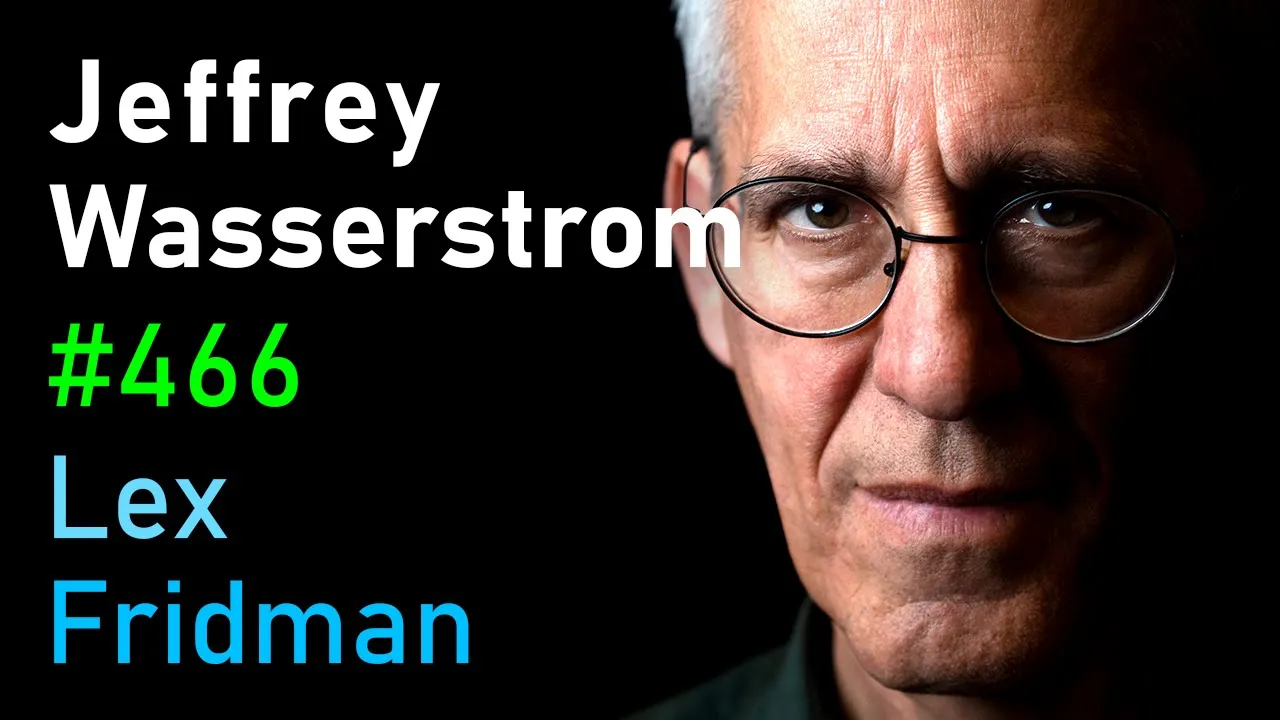
Jeffrey Wasserstrom: China, Xi Jinping, Trade War, Taiwan, Hong Kong, Mao | Lex Fridman Podcast #466
The discussion compares Xi Jinping and Mao Zedong, highlighting how both have fostered personality cults and merged Confucian tradition with Communist ideology, yet diverge in their temperament—Xi favoring order and stability while Mao thrived on disruption. The talk also traces China’s political evolution from imperial history through reform and censorship, examining how education, meritocracy, nationalism, and media control shape state legitimacy, and how events from Tiananmen to Hong Kong and Taiwan illuminate challenges to one-party rule and the possibility of reform or escalation.

Janna Levin: Black Holes, Wormholes, Aliens, Paradoxes & Extra Dimensions | Lex Fridman Podcast #468
The dialogue traverses black holes, spacetime, and gravity—from how black holes curve space and merge, to the event horizon and what lies inside. It weaves in gravitational waves, quantum mechanics, information, and bold ideas like holography and wormholes, ending with reflections on science, society, and the humanity behind breakthroughs. A running thread is how simple equations give rise to profound, often paradoxical insights about reality, measurement, and our place in the universe.

Oliver Anthony: Country Music, Blue-Collar America, Fame, Money, and Pain | Lex Fridman Podcast #469
Oliver Anthony discusses his Virginia roots, his open-mic journey, and his commitment to raw, authentic music in the face of fame. He critiques corporate influence, the slow-burn of the music industry, and political polarization, emphasizing integrity, blue-collar storytelling, and the importance of real human connection and community.
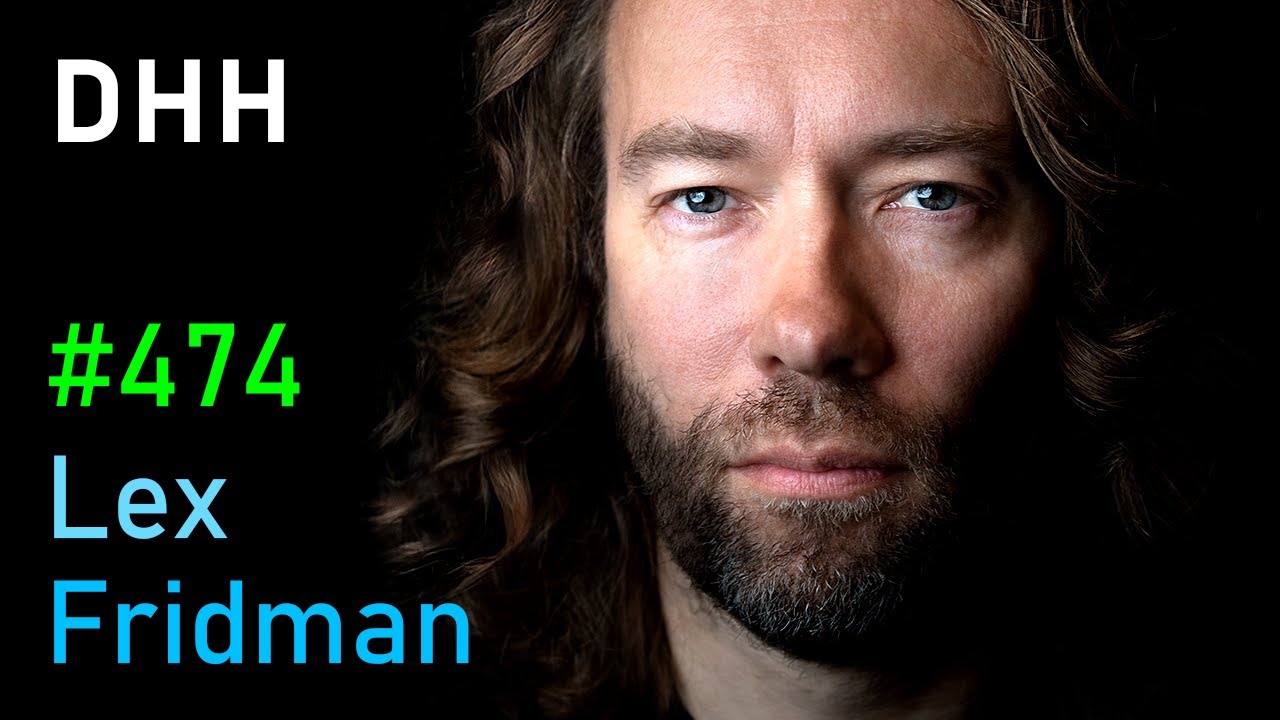
DHH: Future of Programming, AI, Ruby on Rails, Productivity & Parenting | Lex Fridman Podcast #474
The speaker riffs from a pet peeve about cookie banners to a wide-ranging meditation on programming languages, tool design, and the philosophy of building software. He traces his own path from early computers to PHP, Ruby, and Rails, extolling Ruby’s aesthetics and metaprogramming, while critiquing JS churn, monoliths, and over-engineered tooling; he argues for competence, human-centric design, and the balance between productive, pre-configured systems (Rails) and the freedom of exploring, remixing, and collaborating with AI. The conversation ties these ideas to how we learn, scale, and sustain software ecosystems, emphasizing craft, collaboration, and the importance of keeping the open web human and accessible.

James Holland: World War II, Hitler, Churchill, Stalin & Biggest Battles | Lex Fridman Podcast #470
This video unfolds as a deep, historian-led discussion of World War II’s scale and decision-making. It moves from the extraordinary logistics and human drama of D-Day to a detailed critique of Operation Barbarossa, Nazi ideology and propaganda, and the strategic missteps of leaders like Hitler, Chamberlain, Churchill, Stalin, and Mussolini, exploring how political will, logistics, and miscalculation shaped the war and its outcomes.
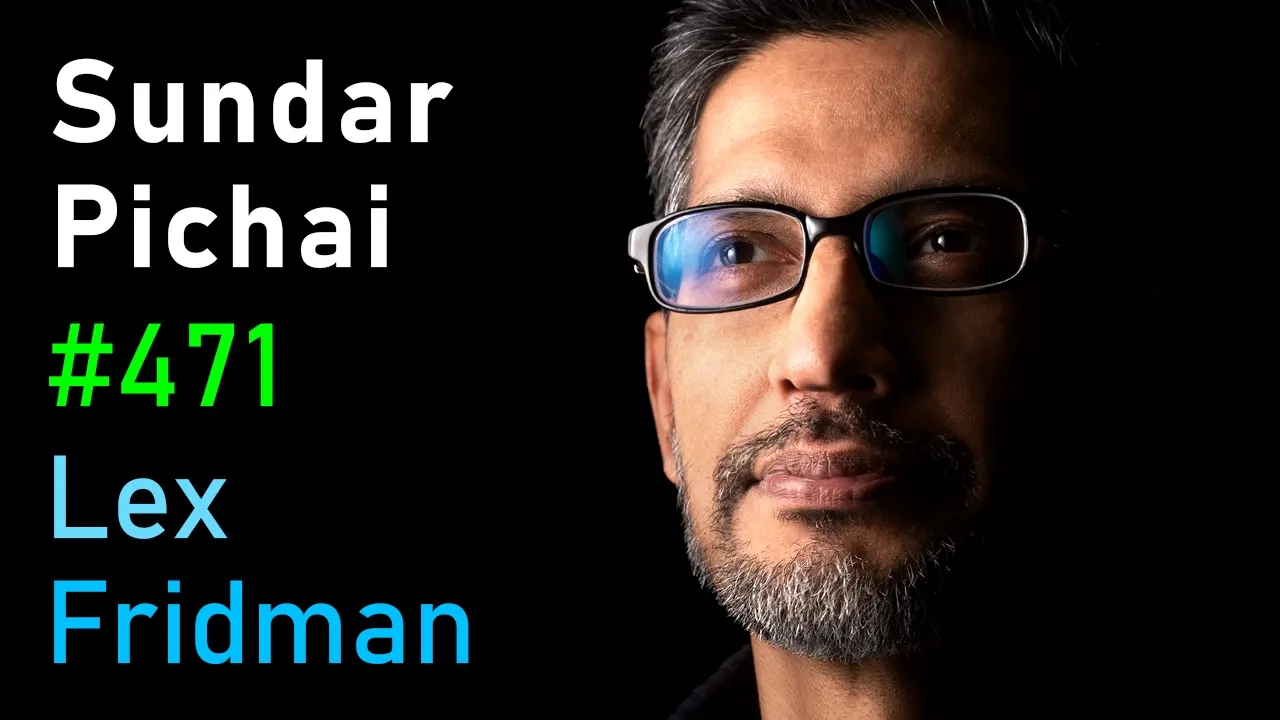
Sundar Pichai: CEO of Google and Alphabet | Lex Fridman Podcast #471
Sundar Pichai reflects on how technology has steadily transformed everyday life—from basic utilities like water and health records to global connectivity and accessibility—while recounting his upbringing in Chennai and how curiosity shaped his path to Google. He discusses AI's accelerating progress, its potential to unlock creativity and productivity at scale, and the need for responsible development, human-centered design, and adaptable interfaces; he also touches on the societal implications, from journalism and education to robotics and space-like breakthroughs, emphasizing optimism tempered by humility and caution about long-term risks.
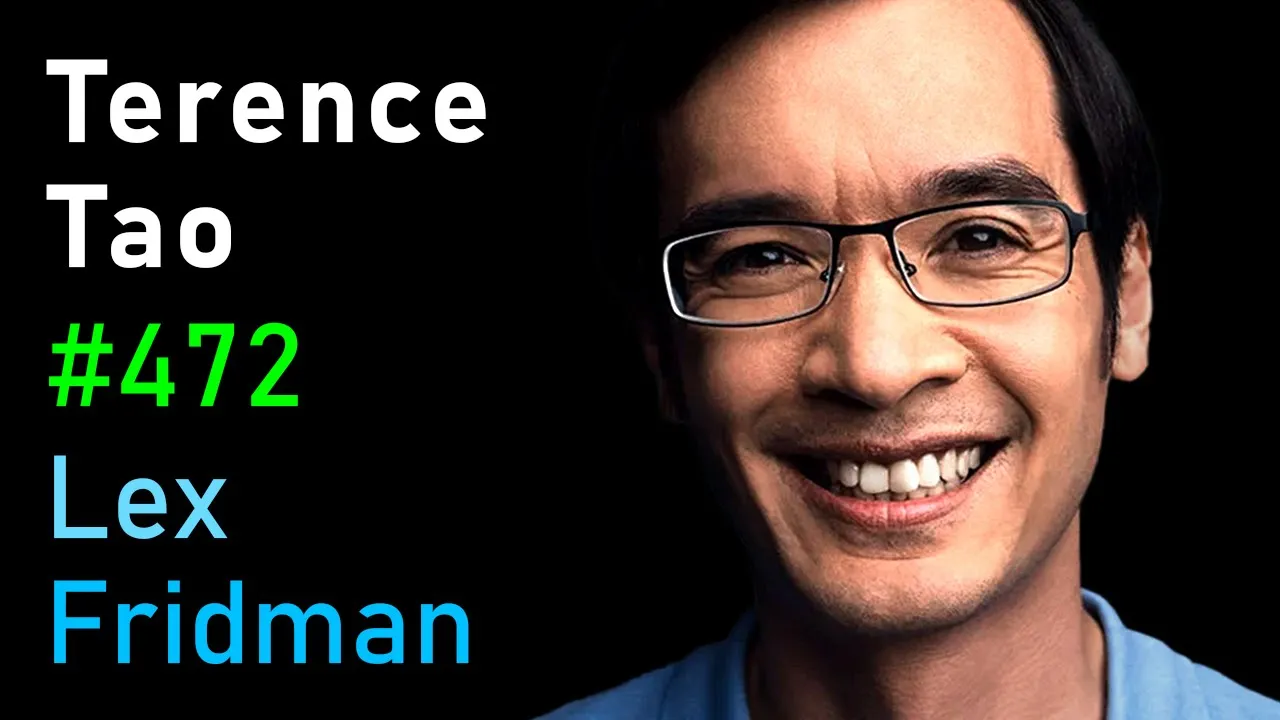
Terence Tao: Hardest Problems in Mathematics, Physics & the Future of AI | Lex Fridman Podcast #472
Terrence Tao reflects on the nature of hard problems in mathematics, exploring ideas like boundary between solvable and unsolvable, supercriticality, and phenomena such as finite-time blow-up in fluid dynamics. He discusses strategies spanning PDEs, geometry, and number theory, the role of intuition, abstraction, and analogy, and how modern tools—AI, Lean proof systems, and collaborative platforms—shape how proofs are discovered, verified, and scaled. The conversation also touches the interplay between mathematics and physics, the limits of models, and the evolving ways we validate and generalize scientific knowledge.
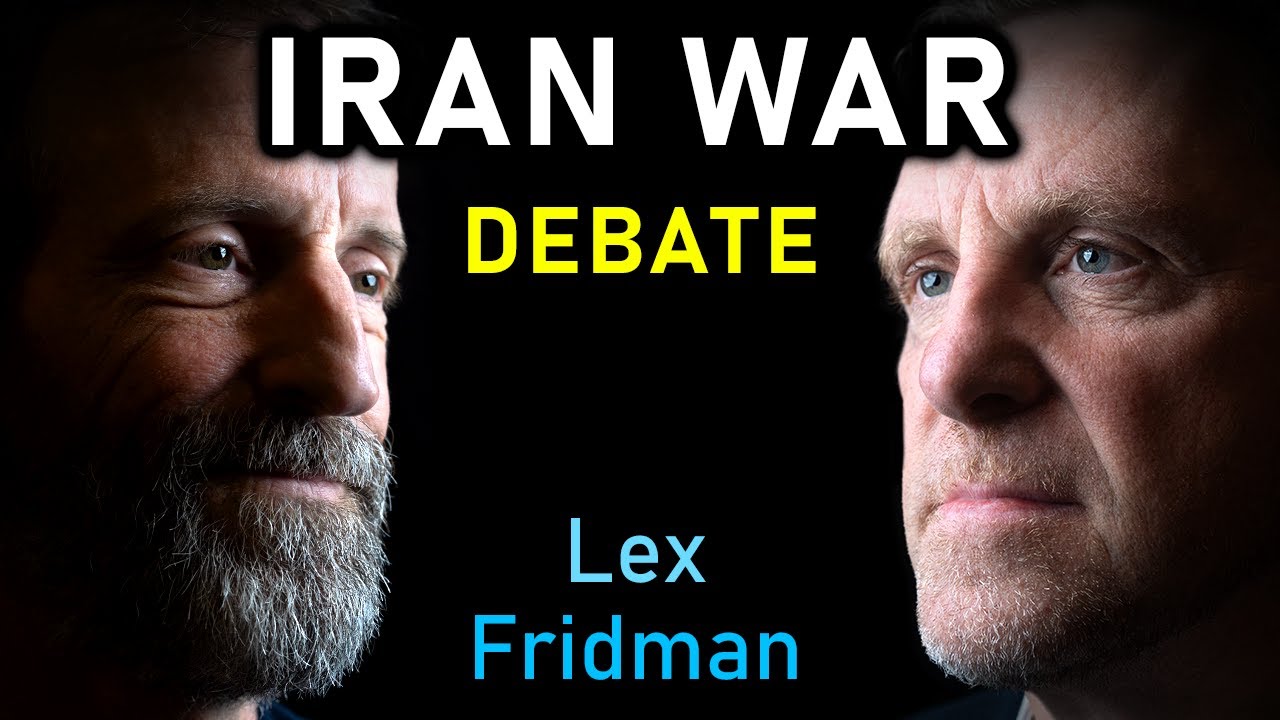
Iran War Debate: Nuclear Weapons, Trump, Peace, Power & the Middle East | Lex Fridman Podcast #473
The conversation centers on Iran, Israel, and the Iran nuclear issue, contrasting views on whether Iran pursued a weapons program, what the JCPOA actually achieved, and how U.S. policy should respond. The speakers debate diplomacy vs. force, the credibility of intelligence claims, and how past administrations’ actions shaped current risks, including the potential for escalation or negotiated settlements like Oman-style arrangements.
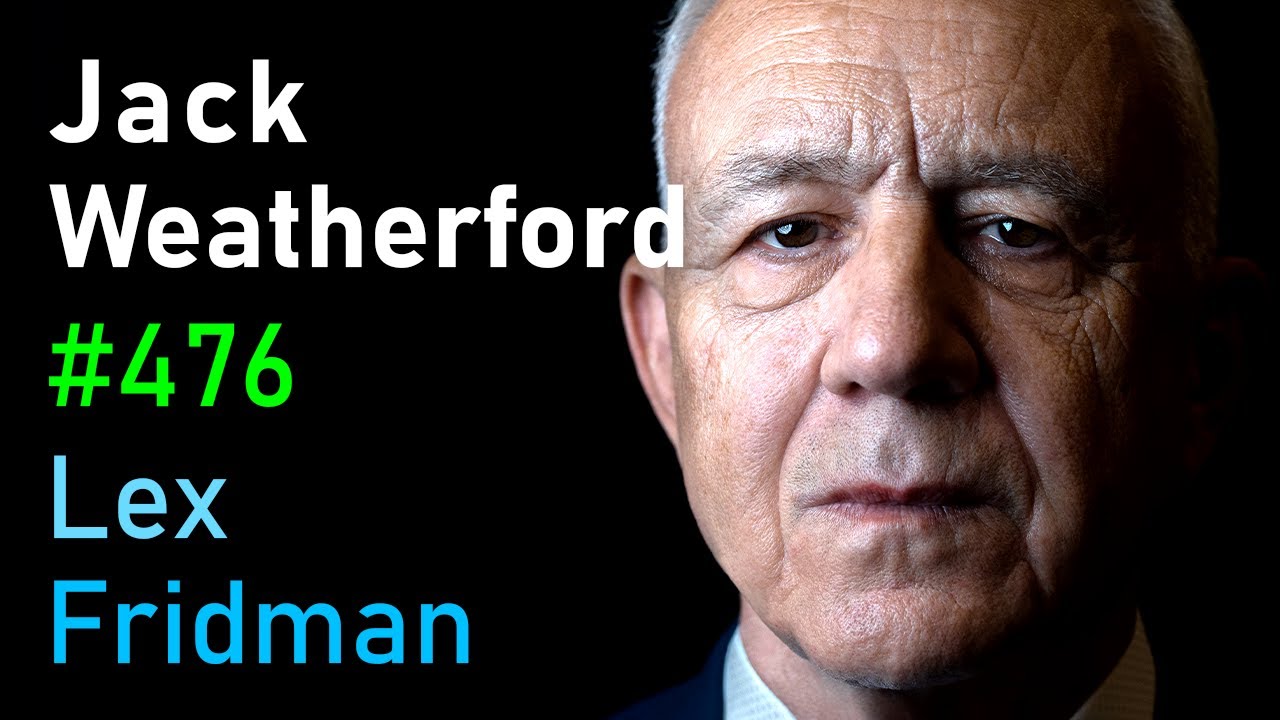
Jack Weatherford: Genghis Khan and the Mongol Empire | Lex Fridman Podcast #476
Jack Weatherford outlines the unlikely ascent of Genghis Khan (Timujin), starting from a brutal childhood marked by kidnapping, abandonment, and harsh steppe life, to the formation of a unique moral code rooted in loyalty and kinship. He then traces how Khan built a vast, highly mobile and highly organized Mongol Empire through innovative military tactics, merit-based leadership, ruthless yet strategic political violence, and a pioneering approach to trade, religion, and governance that reshaped world history.
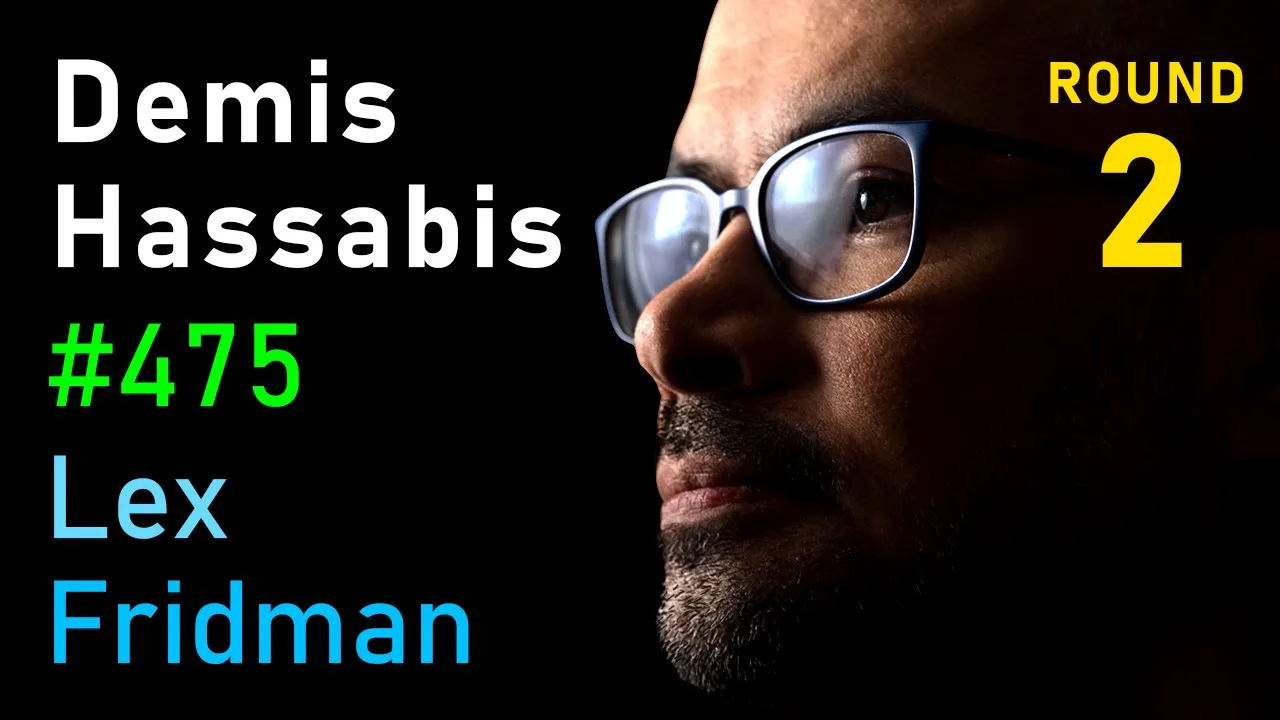
Demis Hassabis: Future of AI, Simulating Reality, Physics and Video Games | Lex Fridman Podcast #475
In this wide-ranging conversation, Demis Hassabis discusses how modern AI systems can learn underlying structure in complex, nonlinear processes—from fluid dynamics to protein folding—and what that means for science, gaming, and our understanding of reality. The discussion traverses AlphaGo, AlphaFold, AlphaEvolve, P vs NP, the potential path to AGI, and the ethics, governance, and societal impacts of increasingly capable intelligent systems, including energy, climate, and open science, while emphasizing human creativity, mentorship, collaboration, and the need for cautious optimism.


Get daily AI recaps from
Lex Fridman in your inbox
Get AI-powered summaries delivered to your inbox. Save hours every week while staying fully informed.