Dare or Die (Full Episode) | Animal Fight Night | Nat Geo Animals

Chapters15
Introduction to the savage world of survival where predators and prey clash across land, sea, and air.
Dare or Die delivers rapid-fire, globe-spanning predator clashes—from cheetah pranks on the savanna to armored beetles and kingfishers fighting for territory.
Summary
Nat Geo Animals’ Dare or Die stacks one high-stakes fight after another, painting a vivid collage of survival across ecosystems. From Africa’s open plains, where cheetahs and leopards jockey for prey and pride rivals, to the Arctic’s brutal brine and polar endurance, the episode spotlights the raw mechanics of combat and strategy. Nat Geo narrator-builds showmanship around the cheetah’s day-hunting tactics and the leopard’s ambush prowess, then pivots to the polar bears sharpening their techniques in sparring sessions before winter. The Amazon’s giant river otters square off against a 16-foot black caiman, highlighting teamwork and stamina in a multigenerational hunt. In Peru’s river basins, the stealthy black mamba and the agile mongoose duel with a tactical exchange that hinges on leverage, timing, and venom resilience. The savanna’s gazelle moms and clever baboons illustrate how alarm systems and opportunistic predation shape herds, while the ostrich’s leg mechanics and breastplate-like chest protectors reveal physics as a weapon. The musk ox battleground demonstrates mass and momentum in head-to-head clashes, and Japan’s rhinoceros beetle drills strength against a rival with antler-like horns. Across these segments, Dare or Die emphasizes both the beauty and brutality of nature’s fights—and the practical, learned skills animals rely on to outlive their rivals.
Key Takeaways
- Cheaper, faster prey capture on the savanna often relies on cooperative behavior, like a cheetah coalition, but danger from bigger predators forces quick, opportunistic kills.
- Cheetahs can accelerate from 0 to 60 mph in about 3 seconds, maximizing ambush timing and prey capture on the open plains.
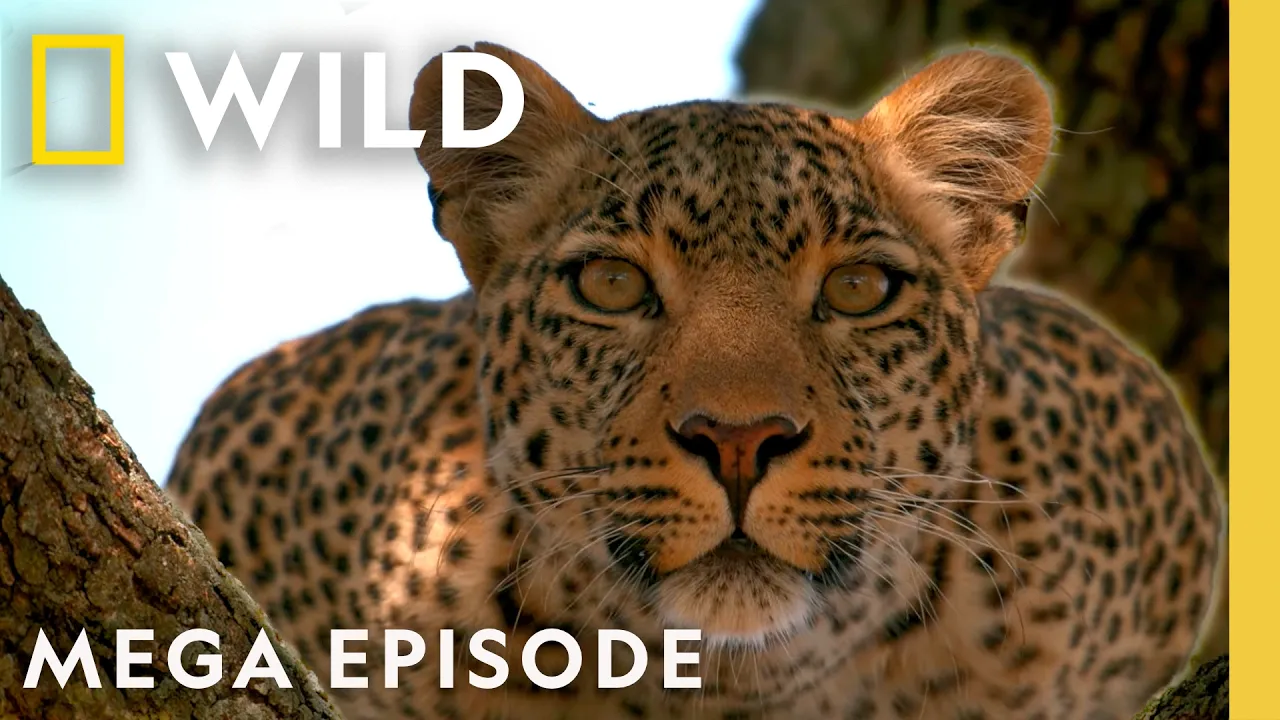
- Leopards carry prey heavier than themselves (up to twice their weight) and use tree access to outmaneuver larger predators like lions.
- Polar bears train through sparring to refine bite strength and escape tactics, essential for winter survival when ice is scarcer.
- Giant river otters and 16-foot black caimans demonstrate a biology of endurance; otters persist for nearly an hour to overturn a heavier predator.
- A mongoose versus black mamba duel showcases venom resistance and precision strikes, often deciding battles with a single, well-timed bite.
- Baboons and gazelles reveal how intelligent, opportunistic predators exploit herd dynamics and alarm signaling to gain advantage over fast prey.
Who Is This For?
Ideal for wildlife enthusiasts and nature documentary fans who crave concrete, scene-by-scene examples of animal combat, strategy, and survival—especially viewers new to Nat Geo’s Animal Fight Night format.
Notable Quotes
"Cheetahs hunts by day to avoid its mainly nocturnal rivals."
—Highlights the cheetah’s diurnal strategy on the savanna.
"The leopard must play his trump card."
—Foreshadows the leopard’s ambush and climb tactics during a kill.
"The polar bear's jaw is designed to tear apart seal blubber."
—Explains mechanical adaptation for a key dietary resource.
"A caiman recently killed two of this family's five pups."
—Shows the high cost of predation and the otters’ defensive drive.
"The mongoose has cornered the mamba."
—Captures the high-stakes confrontation between venomous predator and opportunistic hunter.
Questions This Video Answers
- How do cheetahs coordinate during cooperative hunts and why do they break apart when danger arrives?
- Why are polar bears sparring sessions important for survival in Arctic conditions?
- What tactics do giant river otters use to defeat a 800-pound caiman in close combat?
- How do kingfishers manage beak-to-beak fights during territory disputes?
- What makes the rhinoceros beetle one of the strongest creatures on Earth in terms of weight lifting?
Animal Fight NightCheetahLeopardLionsPolar BearGiant River OtterBlack CaimanMongooseKingfisherOstrich behavior and defense,
Full Transcript
[roar] [growl] All over the world millions of species clash in nature's savage battle of survival. [growling] On land... in the sea... and in the air... all are locked in a deadly conflict. Animals fight tooth and claw to win food, territory, and rights to mate. From the Arctic Circle, to the rivers of Africa that flow with blood, there are no rules. This is Animal Fight Night. ♪ ♪ On the African plains, a fight is never far away. And not just between hunters and the hunted. In the constant struggle for food, big cats clash. The cheetah hunts by day to avoid its mainly nocturnal rivals.
The savanna speed king can go from zero to 60 in 3 seconds, equal to a Kawasaki Ninja 1000. Making its favorite prey, like antelope, easy targets. [antelope crying] This coalition of cheetahs often hunts together, but this noisy kill will attract attention... and they're not strong enough to defend their kill. So they eat quickly. They sense danger. Leopards are excellent hunters, but are just as happy to scavenge an easy meal. With his short, powerful legs and long, muscular body, he's much stronger than the cheetahs, and they knew it. But in the wild, hunter can become the hunted.
The leopard works fast. He, too, senses trouble. Lions don't rely on their sense of smell to hunt, but the scent of a free meal is irresistible. The leopard must play his trump card. The perfectly designed muscle structure in his hind legs allows him to jump up to 10 feet vertically, even with 40 pounds of extra weight in his jaw. Just in time. But lions can climb, too. The lioness is more than twice the size of the leopard. If she can reach him, she will own the kill. As the leopard climbs higher, the antelope's guts fall out, straight into the lion's mouth!
But this lioness is too heavy to climb any higher. The antelope is almost half this leopard's own weight. But leopards are one of the most powerful big cats. They can carry prey twice as heavy as themselves. The leopard, exhausted, is safe for the moment. Now the male lions have gotten wind of dinner, and they've come to take the lion's share. This lion is three times heavier than the leopard. His incredibly powerful jaw and lethal front claws will not help him climb a tree, nor help him get down. [growls] The leopard stashes his meal and sits it out.
The moment the lions are distracted, the leopard makes a break for it. Lions and leopards can reach up to 36 miles per hour, but he's got a head start. The leopard can return to his penthouse pantry when the coast is clear. In the Arctic Circle, life is tough, and the fight for life is always brutal. Polar bears are the largest living carnivores on land, and are most at home on the sea ice, sniffing out their preferred prey, seal, from up to a half a mile away, then stalking and killing it. Here, a polar bear needs to be able to fight, to win a mate or scavenge a kill.
Off the ice, they have to attend the world's toughest fight school. [roaring] For most animals, spring and summer are times of plenty, but for these polar bears, forced south by the ice melt, it means months of starvation. By fall, Rocky is hungry and tired, but if he's to survive the next winter, he needs to rebuild his strength, so he has to find a sparring partner. Apollo and Rocky size each other up. By holding his chin down and his front paws at his side, Rocky is initiating play. And the two start to test their strength. By sparring, they practice technique.
With winter returning, these two will soon head back to the ice, where next spring, they'll be fighting for mates. Now the bears up their game. Apollo's ears are flat to his head. It's an attacking posture. These 10-feet-tall bears have a mass of strong neck muscles which are used here for brute force. Apollo weighs almost 1,500 pounds. It's like being hit by two vending machines. The polar bear's jaw is designed to tear apart seal blubber. The gap between their long, sharp canines and their pre-molars allows them to bite deep. If Apollo can pierce Rocky's skin, he could damage muscles, and the fight would be over.
But the bite doesn't draw blood. He forces Rocky onto the ropes. Rocky throws in the towel. Even if these bears never meet again, the skills they've learned here could save their lives. Some of nature's spectacular fights seem totally improbable. And then you can throw away the Animal Fight Night rulebook. [hiss] In the Amazon basin of Peru, the black caiman is right at the top of the food chain. The largest of all the alligator species, they are masters of stealth. In this single lake, there are hundreds of these ambush hunters. Some lurking at the water's edge, right where giant river otters build their dens.
These family-oriented mammals may look cute, but they are red-blooded carnivores that catch and guzzle down up to 36 quarter pounders' worth of fish a day. From tip to tail, the largest are longer than the average American man is tall. Known as river wolves, mom, dad, kids and babies all live, hunt, and travel together. But it's not for fun, it's for protection. A caiman recently killed two of this family's five pups. Now another blocks the entrance to their den. Resting? Or pup hunting? He's not welcome here. Working as a team, giant otters can kill and eat a small caiman.
But this death machine is 16 feet long. Evicting his 800-pound bulk calls for different tactics, so the family begins by circling the armored beast. This will distract the caiman so that Dad can sneak up and bite his tail. It's a risky maneuver. Dad has 38 sharp teeth, and a vicious bite that can shatter bones; enough to pierce the skin below the caiman's tail ridges. But this beast's not budging. The otters have just started a fight, but will they survive to finish it? A family of giant river otters fight a 16-foot-long black caiman who threatens their pups.
And now he strikes back. [squeaking] In the chaos of battle, one of the pups gets too close. The caiman flicks his massive neck at lightning speed, searching for otter flesh. With his explosive power, he can knock out any animal with the force of 17 bowling balls, and his wide-open jaw is a lethal trap. If he catches an otter, he will grip it, drown it, then swallow it whole. But caiman tire easily, so the otters need to wear him out. By mounting the caiman, this otter is out of the strike zone and able to bite. But the caiman's neck is covered with hard, bony scales that act like armor, so the others go for his soft underbelly where their long canines puncture his skin.
The fight goes on for nearly an hour. The caiman, over ten times heavier than a single otter, runs out of energy first. His muscles fill with lactic acid, and he can't move. The otters overpower him, holding him down to finish him off. [hissing] This caiman is no longer a threat. The otters have won, but there's a cost. Two pups are missing. It's always good to win a battle, but sometimes being a skilled assassin is not enough to survive. The black mamba. Long, fast, and aggressive. With their lethal venom, they paralyze their prey, then eat it whole.
With few predators, it's one of the world's deadliest snakes. The slender mongoose is one creature that's famously prepared to take on this slithering assassin. Weighing just over one pound, he looks outmatched. But don't be fooled. With lightning speed and razor-sharp teeth, snake dinners are a rare treat. This mongoose has cornered the mamba. The mamba's defense is to go high. Lifting a third of her body off the ground, spreading her neck flap and opening her mouth often scares off attackers. Not the mongoose. He toys with the snake... staying just out of reach. She's not falling for it...yet.
If she lands a bite, she'll inject a lethal shot of venom through her needle-sharp fangs. Usually, it's the kiss of death. The mongoose has some resistance. If bitten, the venom would weaken him, but probably not kill him. So, the mongoose avoids the snake by changing direction mid-leap. He can spring over three feet vertically. Each lightning strike tires the snake. The mongoose needs to land one killer shot. A bite to the back of the mamba's head. [squeak] The mamba is exhausted. She tries to get away. But with one bite, the mongoose wins. And now it's time for a well-earned lunch.
In the wild, always watch your back. Sometimes a friend can be an enemy in disguise. On this savanna in eastern Africa, a herd of elegant Thomson's gazelles is grazing on the abundant grasses. One of the smallest gazelles in Africa, they are exceptionally fast runners. But that's not always enough. They are a favorite meal for hunters. Sharing the savanna with olive baboons gives the gazelles extra protection. Highly organized, the monkey guards sound the alarm at incoming predators. [barking] But it's not a foolproof neighborhood watch. These baboons are omnivores and opportunists. Wolves in sheep's clothing. Today, this solitary baboon wants more than just shrubs for dinner.
A highly intelligent and crafty primate, he plays a casual stealth game. He's not as fast as the gazelle, so he needs to get as close as possible. The fawn seems oblivious to the danger. As the baboon zeroes in, the fawn instinctively senses trouble. The fawn is fast, but the baboon is hungry. A hungry olive baboon chases a gazelle fawn. The mother sees the danger. Too late. Now she must fight for her young, and a protective mother will do anything. Her pencil-thin, sharp horns make a powerful double weapon. [squealing] [screech] The baboon's hands are like human's, so he has a strong grip on the young gazelle.
If Mom can pierce his skin, he may drop the fawn. Success! [fawn cries] But the infant is too dazed to move. And Mom can't keep the baboon away. Thomson's gazelles make up over 30% of an olive baboon's diet. A high price to pay for a baboon warning system. For some animals, built-in armor is as important as a killer weapon. The African ostrich. Not as stylish as Usain Bolt, but definitely faster. The fastest two-legged animal in the world. And it's the power in these legs that's a killer. When it comes to family, there's a clear pecking order.
The big chief rooster watches over one of his chosen hens. She's out of bounds to other boys. But this young cock hasn't got the memo. He struts his stuff. The rooster notices. It's game on. Holding his head high and shaking his wings, the rooster tries to intimidate. But young cock pushes back, and gets a kick in the chest. Hidden high up the leg is the ostrich's knee. The complex muscle system attached to it is the power behind their forward kick. It's a kick that could disembowel a human. And there's more. On the end of his two-toed foot is a four-inch talon that can pierce the skin and hit vital organs.
But when it's ostrich on ostrich, they have a built-in protector. An extra-thick breastplate, shielding the heart and lungs. If they want to do damage, they have to attack under the belly. The young cock tries, but success comes down to stamina. The old rooster is stronger, forcing the youngster to retreat. He'll have to get in some practice if he wants to try again. Muscles, teeth and claws are a powerful arsenal. But not enough if your opponent is a shape-shifter. The lioness, an undisputed killer queen. The superior hunter in the pride. It's her job to train the young to kill.
But some creatures don't play by the rules. Like the honey badger. Small, stocky... and some say the meanest animal in the world. With a ferocious bite, they'll take on anything that moves! [snarling] Honey badgers will call anywhere home. These guys are on the search for tonight's bunk hole. But there's a doorman. [badgers grunting] The young lion homes in on a honey badger. He and his siblings can try out their hunting skills as the adults keep a watchful eye. The youngsters follow the killing rules. Step 1: Hit your prey off balance with your powerful paw. Step 2: Bite the neck or throat and kill it.
But the prey isn't supposed to bite back! The second lion tries to sever the badger's spinal cord. He can't get a grip, and the badger gets another bite in. Now three young lions battle the badger. Mom's not happy with the youngsters' techniques. This daredevil takes the chance to launch an attack, biting the lion on his leg. But he may have bitten off more than he can chew! A pride of young lions is trying to kill a honey badger. He's not coming quietly. And he's seriously outnumbered. He's inside the lion's jaw, which is designed for gripping prey.
But the honey badger has a secret weapon-- his built-in onesie. His tough skin, impervious even to a machete's blade, is only loosely attached. As the lion tries to hold him, the badger rotates 180 degrees and launches his own attack. He gets his sharp teeth into the young lion's nose. The more lions there are, the more fired up the badger gets. The lions get the message. They'll have to retake honey badger 101. When your bloodline is the prize, you have to commit, which can mean losing it all. Everything about the musk ox is hardcore. It has lived in one of the Earth's most brutal landscapes since the times of the woolly mammoth.
But temperatures here can plummet to minus 50. Their insulating undercoat and foot-long overcoat keep them warm. These 800-pound woolly beasts only stand as high as an Ewok, but they are as long as Chewbacca is tall. Come springtime, life doesn't get any easier for these die-hards. When the ice melt kicks in, thousands of oxen make the journey downhill to the grassy plains where they fill their bellies and shed their coats. And then the guys... start fighting over the girls. Last year, this dominant male fought many battles to defend his right to this harem of females. Now, an imposing stranger has tracked them down, and wants what this old bull has got.
Fights between musk oxen are brutal. They may have to go the whole way. By flaunting their flanks and pawing the ground, these two demonstrate their size and power. The old bull hopes to scare off the rival. But this young challenger wants to fight. Let the battle begin! Charging at speeds of up to 25 miles an hour, their heads are designed to sustain the impact of these collisions. But they still take their toll. After several clashes, both bulls are reeling. Punch-drunk, the young challenger turns sideways. By charging now, the old bull can use his sharp, hooked horn to pierce the skin and muscle of the young challenger.
An injury that would mean 'fight over.' Just in time, the young challenger squares up. But with one knock too many, he finally concedes defeat. The old bull keeps his head and his herd, for now. On the horizon, another battle awaits. When one of the strongest creatures on Earth does battle, the fight is not for the faint-hearted. Deep in the forests of northern Japan lives one of the strongest creatures on the face of the Earth. Born for battle, the Japanese rhinoceros beetle is like a heavily armored ancient war machine. He carries his weaponry out front-- a short forked horn on his upper body, and a long, double-pronged, antler-like horn on top of his head.
The rhinoceros beetle may be the size of a credit card, but with this armory, he can lift almost 850 times his own weight, like a human carrying nine fully grown elephants. He uses his super strength to clear any bug that gets in his way! Once they hatch, these beetles live for about four months. So each warrior comes with a mission. Eat, breed, repeat, and die. By climbing a tree, knocking everything out the way, this beetle finds food. Tree sap is sweet and full of energy. The nectar attracts the girls. And with one in four types of described life-forms being a beetle, the inevitable--more beetles.
Smaller beetles aren't a problem for the defender. But another warrior with the same mission is! The defender and the challenger size each other up by shoving horns. If one is smaller, it's a 'no fight,' and he'll be chased off. But these two are equals, so the fight begins. The defender gets his long antler under the challenger to lift him off the branch. But the challenger sidesteps and tries to turn the tables. He's not quick enough. And now they've both got their antlers under. Using the claws on his lower legs, the defender has a firm hold.
The challenger weakens. It's all over. Now it's back to square one for him. But time is already running out. the fight for mating rights can be a battle to the death. The kingfisher. An expert dive-bomber and lethal fish-killing machine. And when the fight is bird on bird, it can also be to the death. Pairing up in spring, kingfisher males use fresh sushi to attract their girl. When she finally accepts, their marriage is sealed, and the nest-building begins. But as this happy couple fixes up the nursery, an unwelcome visitor shows up-- a desperate female. A home-wrecker who wants this territory and its resident male.
[chirping] With finely honed aerial combat skills, the new bride chases her rival off. But the home-wrecker is headstrong, returning to battle it out. These featherweight fighters may weigh the equivalent of just 34 paperclips, but with their flying skills and sharp, strong beaks, they are highly evolved killing machines. After full-on beak-to-beak warfare, something totally unexpected will happen! Two female kingfishers fight to the death over territory and its resident guy. The new bride is trying to drown a rival home-wrecker by forcing her underwater. But the home-wrecker employs her jump-jet technology... and manages to break free. But only to catch her breath.
Then it's back for the final round. The pocket-sized home-wrecker gets the upper hand. She's trapped the new bride's beak in hers, and uses all her strength to hold it shut, and drown her. Now the new bride fights for her life. And it looks bad. She's exhausted. Her wings, waterlogged, heavy and useless. The home-wrecker has her by the neck. An American mink. It's a voracious predator that loves the thrill of the kill, executing with a single bite to the neck. The home-wrecker didn't stand a chance. The new bride dived to safety. She's lived, and keeps her territory and her man for now.
It's never easy being the boss. You're only ever as good as your last fight. In the Galapagos Islands, marine iguanas live on a knife edge. The only lizards in the world that have adapted to feed in cold seawater. They have no in-built temperature control. Cold water saps their energy. Hours in the hot sun restores them. They may look content, but they are now vulnerable. Sea hawks prey upon the juveniles. [squeal] This hefty don is too big for the hawk, but fears rival males. He's just eaten in the cold waters, so his energy is low. It's a bad moment for a challenger to come calling.
He ate early, and he's feeling strong. When the don sees the loner, he tries to bluff his way out of trouble with a display of power head-nodding. [bellowing] But these two are matched in size. They will have to go all the way... ...by pushing heads. Their curved claws give them traction on the rocks as they push forward. These beasts have a primeval will to fight. But they don't have the stamina. The don digs deep. The lustful loner has only enough energy to retreat. He'll have to get up even earlier next time.
More from Nat Geo Animals

Get daily recaps from
Nat Geo Animals
AI-powered summaries delivered to your inbox. Save hours every week while staying fully informed.