🔴 Aaron Francis & Ian Landsman: AI, Agentic Coding & The Future of Dev

Chapters8
Ian and Aaron compare Claude, CodeEx, Gemini, and other models, highlighting strengths, weaknesses, and personal preferences for different tasks.
A lively, no-nonsense discussion with Aaron Francis and Ian Landsman about AI-assisted coding, agentic development, and the evolving future of software—from Solo and Laravel stacks to front-end choices and the human edge in content creation.
Summary
Aaron Francis and Ian Landsman share a candid, high-energy conversation with Nuno Maduro about how AI is reshaping development workflows and product strategy. They break down their preferred AI models (Claude vs Codeex) and how tools like AMP, the Counselor CLI, and solo enterprises shape their daily coding. Aaron dives into Solo, explaining it as a desktop project manager that orchestrates terminals, dev stacks, and agents, while staying true to Claude CLI as his preferred coding surface. Ian emphasizes architecture over brute-force coding, using Claude as a primary engine and leaning on counselor-style multi-model analyses to avoid single-model blind spots. The trio also chats about backend and frontend stacks, with Laravel, Postgres, Livewire, Inertia, and React all playing roles depending on project needs, plus debates on when to stick with SQLite, MySQL, or Postgres for different scales. They touch on Rust and Tari for desktop apps, and reveal real-world deployments like Forge, Laravel Cloud, and Modal for AI-driven workloads. The conversation then pivots to content creation, faster.dev, and how AI can accelerate workflows without replacing the human touch. Across the board, they acknowledge the accelerating pace of change and advocate for staying human-centric—shipping fast, learning continuously, and networking to weather a future where AI is a collaborator, not a replacement.
Key Takeaways
- Claude remains Aaron and Ian’s go-to AI model for most tasks, with Codeex used selectively for deeper dives or as a second opinion via Counselor tooling.
- Solo restructures a developer’s workflow by organizing multiple Claude CLIs, development stacks, and terminals into project-specific panes, enabling faster iteration without losing the CLI experience.
- Aaron prioritizes first-party tool surfaces (Claude CLI, AMP) and avoids over-reliance on heavy GUI tools, emphasizing a clean, scriptable workflow over hand-waving integrations.
- Ian argues that Claude’s architectural guidance and distributed reasoning help prevent brittle code, and he uses a multi-model counselor approach to validate ideas and surface edge cases.
- Frontend decisions hinge on practical trade-offs: Livewire and Inertia for Laravel-based apps, React where ecosystem parity and diffusion justify the choice, with a preference for clean separation of concerns.
- For desktop apps, Tari (Rust-based) is favored over Electron due to maturity in process management, with a strong emphasis on maintainable state management (SQLite, TanStack Query, Zustand).
- The conversation highlights that the AI era will not erase software jobs but will elevate product thinking, people skills, and cross-functional collaboration as the core competitive edges.
Who Is This For?
Essential viewing for developers and tech leads exploring AI-assisted development, especially those curious about toolchains around Solo, Claude, Laravel, Livewire, Inertia, and the practical realities of architecting AI-enabled apps.
Notable Quotes
"Claude is way more friendly and way easier to use and, generally, makes good decisions pretty often."
—Aaron discusses Claude as his preferred model for most coding tasks due to its usability and reliability.
"Codeex I feel like is a little more neck beardy and does things with a little more completeness but it's not as nice to use."
—Aaron contrasts CodeEx with Claude, highlighting differences in usability and capability.
"Counselors is great because um you like I said about Claude I'm sorry CodeEx's CLI it's a little tool he put together that basically lets you give a question to a whole bunch of different AI platforms at once."
—Ian explains Counselor as a multi-model comparison workflow to surface consensus and edge cases.
"Solo basically replaces all of my project work. I'll still open Ghosty from time to time when I'm just poking around, but for project work, Solo organizes all that."
—Aaron outlines Solo’s core value: aggregating dev tasks, stacks, and terminals per project.
"I like Livewire. Always Laravel. Always Livewire. Always Flux."
—Ian shares frontend preferences, emphasizing Livewire and Laravel as his stable stack.
Questions This Video Answers
- How does Claude compare to Codeex for AI-assisted coding in 2026?
- What is Solo and how does it change a developer’s workflow with Claude CLIs?
- Which frontend stacks work best with Laravel and AI-powered backends (Livewire, Inertia, React) in real projects?
- When should you use PostgreSQL vs MySQL vs SQLite in modern AI-driven apps?
- What is Counselor tooling and how does it help synthesize outputs from multiple AI models?
AI in developmentAgentic codingClaude AICodeExAMPCounselor CLISolo (tool)LaravelLivewireInertiaJS-React stack
Full Transcript
I need something. Hey, hey, hey, hey, hey, hey, hey, hey, hey, hey, hey. Black. I'm ready. Up. Light it. bright. Blink. What's up, PHP family? How everyone is feeling today? Nice to see you all. Florida, nice to see you. GTS Mac, what's up, dude? Thomas, what's up? Neon, how you doing? Florin again. James Mills, Peak and Flow, Demosur, how everyone is feeling. I'm doing fantastic, chat. You know, just back to another week of work after a week and off with family. That was good. Nice to see you all. And oh boy, today you have an exciting live stream.
I hope you guys are ready cuz today we're going to have the best wombo combo in the entire industry. Okay, so I don't know if you guys are familiar with the mostly technical podcast, but it's basically the best the most badass podcast in the planet talking about AI, software, Laravel, all the cool stuff. And today we are going to have the O of Mostly Technical. So let me just introduce you for you all. Please give a huge warm welcome to Ian and Aaron. How you how you doing, guys? Nice to see you and have to have you with us today, man.
How you guys doing? I feel like I can run through energy. Yeah, I'm ready to run through a wall right now. Let's go. Let's do it. I apologize. Feels a little bit chaotic, but I tried to gamify a little bit my live streams and that's the way it goes. No, it's great. I love it. I'm taking notes. All right. It's cool. Shad, let me know how the sound and the video is for you all. Type W audio and W video if everything is just perfect. As a reminder, this will be published in post-prouction to basically just uh have this very nice for you all.
Uh so it will be edited. Before we start things off, I want to just say thanks to my beautiful sponsors. W sponsors everyone. Of course, JetBrains, the company behind the PHPtorm editor. They're absolutely awesome. Check them out if you can. JetBrains.com. Also, Redberry International, the best company doing Laravel in view development. Check them out. They are beautiful. Look at this picture. They are absolutely awesome. Also, SER API, if you want to have Google as an API, this is basically the place to go. Serapi.com, Mailtrap, they used to be this local email solution, but now they're also doing production email.
Check them out if you can. Mailtrap.io. Titan.com, of course, the company that builds and rescue web apps and with using Laravel, they use React. Check them out if you can. They also wrote this beautiful book, Laravel up and running. Check them out. And finally, code rabbit.ai AI if you want to have some nice AI reviewing your code. They use graphs through pull requests on GitHub. How badass that is. W sponsors everyone. Thank you for making my dream come true. Don't forget subscribe and like this video if you are having fun. Sun video is okay. Best intro man ever.
Thank you Ian. You are too nice to me. You are too nice. So yeah Erin you honestly I love your podcast. I feel like you guys are the best duo ever talking about business about Laravel about AI. So, you know, I love your podcast. So, feels really good to have you here today. Thanks for having us on. It was a great idea to uh to do this and we were in LAU, right? And you were like, "Hey, come on the show." Yeah. Yeah. We'll try to match the live stream energy. We usually do Monday mornings.
I you know, I got to I got to get my uh I got to get my Celsius on to match the Nuno energy. Here we go. Come on, Eric. What's up, chat? You are a natural doing live streams, though. Probably more natural than me if I'm honest. So, but yeah, today I don't want this to be a typical interview. I've done a couple of interviews before, but I feel like our wombo combo noo-noo nation mostly technical thing will be a little bit more uh more spontane, more spontaneual and more informal basically. So I have basically this topic on my head which is talking a little bit about the best AI stack because I feel like with Twitter I don't know what you guys feel but I feel personally with Twitter it's kind of difficult to understand what people are using at the minute but you guys are entrepreneurs you know you guys build stuff uh Aaron Francis with Solo Ian Lesman with a bunch of products but now also with ultrafm which I I do want to know everything about that.
Uh so you guys are doing a lot of stuff today. So let's start with the best AI model and you guys must have answers for this um you know starting with Adam Francis who just have built solo and um so I want to know Adam like while building solo which AI model have you end up using the most? Oh it changes that's the problem. Um so I think the most in terms of lines of code written for solo it's probably claude. Um, but in terms of recency, it's probably codecs. So, I find that they're they're good at different things.
I feel like uh Claude is way more friendly and way easier to use and, uh, generally makes good decisions pretty often. Codeex I feel like is a little more uh a little more neck beardy and does things like does harder things and does things with a little more uh completeness but it's just not as nice to use. Um I use all the firstparty CLIs. So I use codeex CLI cloud CLI. I don't use anything like uh the codeex desktop app or open code or anything like that. So I think a big part of my enjoyment comes from like the first party surface area and I like the cloud surface area but the codeex models are now they're now really good right yeah can you just expand you said that you use cloud code using cloud code and you use codec using codec cli so the UIs you use are the ones that the Bose model provides yeah I only use the stuff that they ship so I don't the only I guess that's not true the only third-party harness I use is AMP which is uh previously by source graph they're now their own company um and AMP is similar to open code in that it is a harness around other people's models and I will use AMP sometimes uh but on on the CLI as well I'll use AMP sometimes because they have really good built-in tooling they've got a tool called the Oracle um that does like deep investigation and they They control the models, so I have no idea what models they're using, which is interesting.
The Oracle does deep investigation and research. And then they have one called the librarian, which has been incredibly useful as I'm building solo. And the librarian, uh, its main purpose is to search GitHub. And so I can be like, hey, I'm using Xterm.js. The biggest exterm app in the whole world is VS Code. I need you to use your librarian to go figure out how they are doing this in VS Code. And instead of like me saying uh go to github.com or like me cloning down VS Code, their librarian just handles it sometimes on the cloud, sometimes on my machine, whatever.
So AMP has really good built-in tooling and their threading is very good. But beyond that, it's all it's all first party for me. Ju just by the way, shad don't hesitate in also saying which one is your favorite AI model and which interface are you using. By the way, Erin, I really love answers coming from people who actually have built stuff. That's why I was just I have so many questions today by the way to you both because you guys actually get stuff done. So you know having those answers from people who actually using this stuff uh it's makes those answers much more rich.
You know what I mean? And Ian now going to you a little bit because you have done probably 10 times Laval new in the past year I would say now you man you build stuff actively right and you also maintain stuff you know lot of jobs and help spot and everything. So which AI model you typically use to interact with maybe like tell me like to interact with the old stuff but also to interact with the new stuff. It's the same model different ones. I'm curious. Mo mostly I'm using Claude. Um I like Claude the best.
I think it's I agree it's not quite as powerful as codeex at this right now. I mean I also think this is the kind of thing right like Opus is going to have 4.7 come out right and then it'll be as good as codeex 5.4. It'll be a little better. So like um I already feel to the point where I'm like eh do I need to switch back and forth constantly. I kind of like I like Claude. It's fine. It's more than sufficient for almost everything. Um the thing I don't like about Codeex, while I agree it's kind of better uh some to a slightly better than Claude if you were just like well I'm just going to look at these answers.
uh it often will like talk so authoritatively, right? But then it will be incorrect and so I feel like it misleads you more than Claude does. Like Claude might just not do something, but like I feel like Codeex more often like actively misleads me. And so like that's the part I don't really care for. And so that's kept me mostly in Claude. I do use Codex a little bit here and there, right? I do especially use it with uh Aaron Francis's counselor's uh little app if you've seen that. But it's a little tool he put together that basically lets you give a question to a whole bunch of different AI platforms at once.
Claw, Codeex, AMP, Gemini, whatever. So send it out to a whole panel of experts. Each of them grinds on it. They all return uh a summary back of their findings and then the main thread AI, whichever one you could do it from any of them, but I usually do it from Claude, right? Uh summarizes all that stuff and says, "Hey, the three of them agree on this and one of them disagrees and whatever." Right. So I still use Gemini and Codeex a lot as uh second opinions on what Claude's doing and planning and things. It said it's called counselors.
That's the name. Yes. So CLI tool where you just give an input and it will just return you a table with all the outputs of the various models and then you can just pick the favorite basically. Yeah. Well, it kind of it summarizes all the outputs of the different models into like an actionable a single returned item that you can understand. It's not just a big dump of everything. It's like you can get to everything. If you want to see what any one of them said, you can see that. But, uh, mostly I just use the summary of the output and then make decisions based on that.
Am I correct, Aaron? Is that is my favorite? You're correct. I love hearing you shill. That's my favorite thing. I'm telling you, if you can get Ian to like a dev tool, you know that you have made it. Counselors. counselors is great because um you like I said about claude I'm sorry codeex's uh CLI it's it's a little it's not as great but you still can use the power of the model without having to go interact with the CLI at all and so oftent times I will open up uh Claude right and say hey let's run a counselor's check and include you know two codeexes a Claude and a Gemini just to see what's up um and then it it farms those out and then cla pod is responsible for putting all the responses back together into an actionable plan.
Um, and it's I think 100% hit rate of at least one of the models finds something that the other model didn't find. Right. It makes a lot of sense. And what is funny about this is that while you guys were kind of answering in the same you know in the same spectrum which my answer is also a little bit on that one but before we jump into that we see on the chat people using uh you know jet brains air but also people using open code on Twitch people mentioning a lot solo term as well which we are going to jump into that in a second but uh but yeah I want to just share my opinion on this topic.
I feel like personally I've been using cloud code since it's out you know and I am one of those type of dudes where if I'm going to change my tooling it needs to be drastically better you know so just to just to give you an example I was a it turn user for years and I was more than 10 years actually and then only when ghostly came out it took me a while to even change to ghostly which is very similar same goes with my editor I was a huge sublime editor. We're going to talk about all of this in a second.
But uh but yeah, and personally feel that I'm using cloud code u 4.6 for everything and uh really works well. It will take me like it will have to give me like a very good reason to try anything else including codeex um because you know I'm just I just feel really good with this tool set of cloud code and cloud code um CLI. I must say though I was kind of in love with open code for actually a couple of weeks but on open code I don't know if you guys ever tried it but uh open code just it stopped working with cloud code for for a while and uh I had to just go back to cloud code CLI and now do Eron do you remember when I asked you like which tool do you use to actually speak with this with the CLI so cloud code actually have that built in on the thing you just press the space and you just talk with the CLI.
So, I'm just using that all the time. So, Cloud Code CLI with Cloud Code Opus 4.6 is my go-to and it really just works and it will take me a while to actually even think about this. Um, moving a little bit to the terminal. People are mentioning solo terminal and you know I want to ask you like um this solo fully replaces you for yourself or your workflow. the Solo fully replaces pretty much the terminal for you. Uh, and maybe like explain what is Solo for those who don't know, even though I think a lot of people here know, but Sure.
Yeah. Um, Solo is a desktop app that I've built that is most closely like T-Max or CMUX. It's a it's a terminal multipplexer, but um, it has a lot of like quality of life features and UX nicities uh, for working in a project. So the whole thing is project specific which is already different than T-M or CMUX um working in a project with multiple um either terminals or coding agents. But then the third thing that most other apps don't hit is running the uh development stack. So like right when you fire up a fire up a Laravel app traditionally you could do I forget what Taylor made it's like composer rundev or something right that puts all of those commands together um which is great but if you want um like your npm your cues maybe reverb maybe a cloudflare tunnel maybe a local stripe CLI web hook listener if you're testing that if you want all of those as separate processes instead of just interle leaved in the logs from composer rundev.
Um, you can add those as what I call commands in solo and that basically defines your dev stack. So you end up with these three sections on the sidebar which is commands, terminals and agents and that helps keep it nice and organized. And then if you're on a team, another nice feature is the commands can be written to a YAML file that is committed to your repo. So when you uh bring on a new teammate and they're like, "How do I run the Cloudflare tunnel? How do I set up the Stripe CLI listener? You can just be like just hit the play button in Solo um and it'll fire up.
And so to the question, um yeah, it it basically replaces all of my uh project work. I'll still open Ghosty uh from time to time when I'm just like poking around with non like project work, but for project work, I mean, having all the agents there alongside the dev stack, alongside any blank terminals, it's just nice to keep it all it's nice to keep it all aligned and it's nice to have like the notifications be like, "Hey, this terminal needs your attention or that sort of thing, right?" So as a as a solo user, right, as a solo user, if I may shill on Aaron's behalf, the thing is it's not just so you got your projects and your runners and all that stuff, but the thing is like I like to have for each of my projects at least two clawed CLIs open and sometimes three, okay?
And so like if you're just using ghosty or whatever, get all those tabs, but then you have other pro I have I have a bunch of projects I work on, right? Or if you have your work stuff, Nuno, and then you have pest and you have your own stuff, right? So like now you end up with all these tabs with all these claws. You don't know which one's which, right? Like the main thing Solo does is just organize it all into like, okay, there's a sidebar and I got my three help spot clouds open. I got my three outro clouds open.
I got my three Lar jobs claws open and I can go between them and it's still the full Claude experience. It's the Claude CLI. So you're not like it's not reinventing that. you're still in claude, which I agree with you, Nuno, is like to me the the best app of them all. Like the Claude CLI is the most comfortable app to work in, which is a big part of why I also prefer it. So, and Solo just organizes all that. If you got a million tabs in your tab bar, you just need Solo. That's it.
Dude, I can't stop laughing because even today like I was with Ghostly open. I remember, oh, now I need to go back to that plan I was working on on cloud code and then I was like clicking on this on the right button of my mouse on the icon on the on the, you know, on the desk on the docker dock thing on Mac OS and there was like [ __ ] 20 tabs open. All of them said clo because I had like claw on every single one of them. It was like holy [ __ ] Now I have to go one by one to literally understand where what I was working on.
So yeah, I tried solo by the way on a lot of fans of Solo. Um, and my reaction on Solo was, "Holy [ __ ] the gen the the free duty is very generous because I was I was just doing everything." Uh, well, you know, I I felt like um almost a paid user because I was just doing everything. In hindsight, I think like it's probably a smart you probably have discussed this a bunch in your podcast, but I think it's a smart move to have it as a free product at least for now until you have something which um you know like curd basically at some point you'll have some a great feature which makes sense to make it like a full paid thing but for now you probably want adoption which is happening right because people are using it people are speaking about it.
Yeah, totally. And and you know, the real competitors are free. It term, Ghosty, it's just free. T-Max just free. And so what I'm what I'm really going for is like broad adoption because there is a little bit, it's not much, but there is a little bit of that Dropbox referral built in. So like if a teammate starts using it and they do the solo.yaml and then they're like, "Hey, just, you know, download this app. It's real easy to be like, "The app's mostly free for our work cases." And then pretty soon part of what I'm relying on is developers having a million side projects.
It's like if you get in there and you start using it and then you're like, "Oh, I want to add this thing and I just bought this domain and oh, I want to do this." Then you hit, "I want to add my fifth project and now it's like, oh, I love this thing at this point. Let me just pay $99 a year to have it." So that's kind of the hope. Now it makes a lot of sense. people on my stream, they were like teaching me solo while I was learning it. Um, the one feedback I would have to you though is and maybe like I am I don't know if I am I probably should have investigated a little bit more but I I kind of would love to have ghostly embedded on the on the inside terminal.
Do you know what I mean? Maybe I'm I maybe you can it does it. It does it. Yeah. I What do you mean ghosty embedded? Well, you know, I I think you mentioned at some point that you the technology you are using behind it is like call it X um GST term or XTORM, I think. Xterm XTermJS. Yeah. Right. Which um which again maybe I'm confused, but do I leverage like all my CLI options behind the scenes like my ZS and all of that? Okay. Yeah, I probably should have used it a little bit more, but uh congratulations.
It felt awesome. You just reached 10 10k uh revenue, right? Yeah. Uhhuh. Yep. I just uh put out a YouTube video. I hit 10K uh total revenue, not MRR or ARR or anything like that. Um but like you said, the free tier is very generous. And I already have, you know, hundred people that have decided, well, I'll go ahead and buy the thing. And some of it, of course, is like I like Aaron, but some of it is just strangers, which is really awesome. No, it's awesome. Everyone typing W Solo on the chat. I also want to hear if you guys have enjoyed Solo so far.
I was one of the users. People are saying that Solo is also a city name from central Indonesia which is interesting. Uh people saying hello chat push back mic. Nice to see you all. People using solo of course super interesting stuff here. Shad don't forget if you're enjoying today's conversation go all the way down literally below me. You should see a subscribe button and the like button. Make sure you click on that to support my work. Now moving forward a little bit. Um, I want to talk a little bit about IDE's and I want to give you my take on IDs and you guys let me know what you think about this.
So I've been thinking you know and I think like ideas in the way that we know them today they are over meaning and you probably agree with me today they are focused on the text editor almost you know like you go to you know Sublime Text PHP Storm VS Code like all the traditional editors you just open a project and you see the folder structure on the left and you see the full main editor on the middle. Um, I think that concept is gone. And I think like what I really want from an editor, and I don't think this problem is still solved yet, by the way, I don't think the problem is solved yet.
What I really want from an editor is I want an editor to be focused on the prompting review experience, you know, but not like what this this prompt did, more about like what I'm about to commit out of this session, out of this interaction. So, I don't think uh editors have solved it yet. So my currently current IDE uh strategia let's call it that way is sublime text for quick editing you know I know you sublime text f still you also use it okay and then I use uh PHP storm for real projects you know if I have to open a real project so you know you starting with you a little bit you have you work with projects with more than 10 years some of them probably even longer 20 years 20 years you know old man ever.
Old man, look at all this gray. I was young when I started. Confirm me if I'm wrong, but they have a decent a decent sizable code base, right? They are big. Yeah. So, when you interact with those projects for bug fixes, for example, can you do it through AI or you still go back to this huge idees to actually get stuff done? Yeah, I I mean at this point like I don't do as much of the HubSpot coding as I used to. So, the developers do do that on my team. But when I am in there, uh, yeah, and definitely in like in the other projects I do, um, I'm I have a little mem I like to do when people talk to me about this, and it's Luke Skywalker when he puts the blast shield on when he's in Millennium Falcon, blast shield on, Nuno, I don't look at the code.
The the AI does the code. Now, I will say in terms of IDE, sometimes you just need to get in there, right? Like, so the number one reason I'm in there is like to look at environmental files or to add something to the environmental file like, right? So like I'll just pop in Sublime Text for that. I am a PHP Storm guy. So I do a PHP Storm for like if I really need to dig in there and like navigate around nicely, right? Because like it knows all the PHP stuff and you can navigate back to the classes and all the stuff.
So I do do that occasionally, but for the most part, yeah, I'm just an AI and I agree with you that like there's something that needs to come post IDE, which is like what the code that the AI generated that like lets me review it quickly because sometimes it's a lot of files, right? And like so you kind of need an AI layer on that. I almost feel like like hey like these are the big changes you should look at this big change like or these are the important bits like this isn't we made this it's one line but it's like a really important one line like you should check this out.
So I do feel like there's like a another evolution to come to some of that stuff but yeah mostly in the AI at this point. Blast shield drawn for me. The AI is cooking. Just by the way, people are saying because of you and me using Sublime that boomers are detected here. I've I've tried a bunch of different ones and I I was a BBEdit guy. You ever used BBEdit? Noo-Noo. BBEit. Real old school. Real old school. Um Wait, I'm missing something. What are you guys talking about? Oh, BBEdit. Have you ever used that? It's like a text edit.
It's like sublime. It's before Sublime Text. It's still around, but it's like a Sublime Text. It's like a pure text editor, right? very pure um with plugins and whatever. It's like sublime text. Uh but yeah, sometimes the sublime text is just so fast. It just pops open. You just want to look at a file. It just it's there. It's easy. So, I like the sublime text and I like uh PHP Storm for the heavy lifting, but mostly I'm just in the AI. On this topic of reviewing, Aaron, do you ever considered doing that on solo?
Like actually, it's coming, baby. Let's on it. Yep. I'm working on it already. Um, so I have a branch that's already has a PR for it that will integrate uh a diff viewer. So you can go through and view the diffs and selectively commit hunks and that sort of stuff. Um because yeah, I agree. I I mean save for a few rare instances. I haven't opened PHPtorm since Thanksgiving to be honest. Um I do I use GitHub Desktop um right now to review stuff. It's great. I love that tool so much. Oh yeah. And I don't care what anybody says about you should use Git on the command line.
Don't care. GitHub Desktop is awesome. Oh, it is. Uh I use even when I'm solo on a project, I will open PRs just so I have a different environment to look at it in. So if it's like a small thing, I'll just look at GitHub desktop and then just yolo domain. But if it's kind of like a big refactor, I will have the agent open a PR just so that I can go into a different environment and look at it. It almost feels like it puts you in a different mindset. Um, and opening a PR, you can then tag like Code Rabbit or GPile or GitHub uh co-pilot and say like review this PR.
And so that's kind of a nice surface to do that. Um, right. And then I've just recently downloaded an app called uh Typora. Um don't know who they are, never spoken to them, but Typora is a specific markdown editor. That's it. That's all it does. Because a lot of the files that I need to edit or look at or read, they're markdown now. And so I needed an app to be like, actually, I want to open this research document or this planned document that one of the clankers wrote and like modify it just a little bit or at least read through it in a nice uh readable way.
And I got tired of double clicking on markdown files and having Xcode open for eight minutes. And so I bought this little app called Typora that's just a just a little markdown editor. I'm just checking it is literally like a white background app with a text on the front. Just a simple it looks like notion back in the days before being complicated. Wow. Okay. Okay. Yeah. I think like honestly if you build if you if you can just get GitHub desktop app within solo because I think what most IDs are missing at the minute is that they only show me like what that last chat have produced in terms of changes and I want to see the full diff because I'm working on this pull request and when I want to see the full diff of my interaction and I feel like at the minute what I do is I actually go into the GitHub desktop you know I also do that I feel like it's probably one of the most underrated apps at the And but yeah, a lot of people's using Sublime Text 2, PHP Storm, Vim Diff, Dreamweaver.
It's been a while, okay, since the last time we Yeah, it's a name I haven't heard in a long time. Fusion Studio for life. Oh my god. Notepad++. A lot of people using Zed, which a lot of people mentioned to me. I never use it. Did you guys ever use Z? Yeah, I tried it the other day a couple weeks ago. See, to me, Zed is like it's not as minimal as Sublime or BBEdit and but it's like, you know, but it's less than PHP Storm. So, it's like kind of a weird I don't really get it basically.
Um, so yeah, it didn't it didn't stick with me. It feels like too much of a middle ground. Like kind of just want super fast and minimal or give me the whole thing with all the options if I if I need that, you know? So, right, you either want to get [ __ ] done or you just want to do something quick. Not like I'm going to get a little bit done. It doesn't have plus it's even though it's not VS Code based, it they basically just copied VS Code. So, it's very VS Code like and I hate VS Code.
And so, like, dude, welcome to the club. Yeah, I don't like VS Code. I try to go in there all the time. I've tried to do it like 10 times. I'm like, everybody use VS Code. Laravel's got the official plugin. I should just use VS Code or some VS Code knockoff thing or cursor or whatever. And I just don't like VS Code. I just don't like it. Dude, the the thing about VS Code is that people keep telling you, oh no, you can do real Laval development with VS Code. And honestly, the plug-in makes it better.
But if you want something really good, just use PHP Storm because there you will get something that that really works, you know. And uh what I do feel it's happening is that a lot of people are you know transitioning from the JavaScript ecosystem and they're used to VS code. So then they want a better experience there which which makes sense. And talking about Laravel and I have a question for Adam Francis here. Okay. So I made my I I I did my homework you know like watch re-watching some of the podcasts and you mentioned that you have used I want to talk about the best backend stock for AI by the way which I think we all agree it's laval uh unless you guys think otherwise but uh break breaking news we're going to rail that's it but yeah Erin you mentioned that for solo you have used so that's right right so I have a multiple questions here first one being did you already know Rust and if not how much were you able to learn Rust while doing this agentic development using Tori?
Um I didn't know Rust and I still don't know Rust. So there there's your answer. Um bless you. Yeah, it's it's interesting because I feel like um so the reason I picked Tari uh obviously it's a desktop app so my choices are Tari or Electron and then also Native PHP which is Electron. Um I built a completely separate app using native PHP and it's awesome. So I it's not like I don't like Electron. Um, but for Solo, I did some research and the main uh the main thing that Solo does is manage processes. Like you can put as much paint on it as you want, but the main thing is it holds processes open and it negotiates bytes out and in of processes.
That's it. Um, and the REST ecosystem is just so much stronger there than the uh JavaScript TypeScript ecosystem. And so for the purposes of this application, Tari made the most sense because uh that ecosystem is super mature. Now the next question is how do you build an app in a language you don't know? Um and I think it's possible now um because what where I have found myself is like guiding the agents on um like architecture and structure and patterns and so I may not know how to interface Rust with SQLite but I know that that's a good idea and I know that we should be we should be doing that and I know that we need a migration system so that when I ship this app to users, their databases migrate properly.
And so I'm telling the agent like, hey, we need a robust migration system that's numbered, that's ordered, that is deterministic, and then it's implementing it. And then I know that like state management is like one of the biggest nightmares of all applications. And so I'm going off to Claude and Gemini on the web and saying I need you to do some deep research uh which is a a product that both of those tools offer. I need you to do some deep research on what other Tari apps do for state management. I've heard a lot about Tanstack query.
Does that fit here? I've heard a lot about Zustand because the front is React. I've heard a lot about Zustand. How do these things How do these things uh relate to each other? So we've got SQLite, Tanstack, Query, Zustand. How do they relate to each other? How do we get over the wire? And how do we make sure that we have one central source of truth for everything? And so I know from, you know, 20 years of being a developer, I know where uh the dragons are. And a lot of it is in chasing state management bugs around.
And you're like, hey, I closed this thing and this thing opened. And it's like, well, that's because you're threading a bunch of if statements through the whole app. Yeah. And so a lot of my job becomes all right let's think about where does the state live and let's have really really solid rules on what goes in zoo stand which is the ephemeral front-end state what goes in SQLite which is the persisted state and how do we get the SQLite data to be reactive to the front end and that's tanstack query and so it's those kinds of things where I don't need to know rust but if I just say hey let's build an app, it's not necessarily going to be maintainable because you're going to end up with these things threaded all the way through.
And that's when you hit the wall, uh, the agentic coding wall where you're like, I cannot fix a single bug without creating another bug. And that's where you just you've lost it. It's game over. Um, and so so much of what I'm doing is architectures and patterns. Like the other day I um I told Codeex to implement a ring buffer and it's like I've never written a ring buffer in my life. I know what a ring buffer is kind of and I know that a ring buffer is really good here. I certainly can't write it in Rust, but I can tell the agent, hey, this problem feels like it's perfectly shaped for a ring buffer solution.
What do you think? Oh, you agree? I'm shocked. Um, why don't you go and write why don't you go and write the ring buffer for me and then we'll see how it performs. And it turns out it worked great. So now I just have this FIFO Q of bytes flowing that I can inspect without having memory grow unbounded. And those are the kinds of things where it's like everyone can build an app. Yes, I agree. If you've never been in the world, how do you know that you want a ring buffer so that memory doesn't grow unbounded and you can just sample it?
I have no idea. Um, and so those are the kind of trade-offs I think we're making now is we're moving up and up and up the stack to where we're saying build a ring buffer instead of like how do I do this particular syntax. I honestly I am speechless. Such a great definition of how AI is literally impacting right now software engineering and you know this will this will do such a great Tik Tok clip, dude. Honestly, because I feel like I feel like it's literally that's why we're here. That's why we're here. the the the answer that you did perfectly defines how AI is shaping software right now.
So Erin Francis knows about architecture because he have done it in the past. He knows about he knows how to take architectural decisions. However, he doesn't know how to do this very particular niche thing on Rust. He doesn't have to now he just have to guide through agentic developing development the AI agent to build a wellarchchitectured application and that I honestly I was listening to you and I was like it's this you know this is our future as software engineers it's literally knowing this architectural decisions and knowing how to actually transmit them to um to the AI codic agents everyone typing w addon because I love that explanation Honestly love it.
Also meanwhile chat just type on the chat which app which framework would you use for desktop applications? Would you use native PHP electron or something else? I'm literally curious to see what everyone have its own opinion about uh this. Um that was a great answer. Um Ian talking about this backend situation you are obviously a big Laval believer right? you have Laravel new Laravel new but more than that and I don't know if people actually know a lot about this but you are one of the reasons why Laravel exists today um you are literally the first boss of Taylor on web development so can you just very briefly tell me the story of Taylor in Userscape real quick super quick I was looking for a dev I was looking for a framework for side projects basically found Laravel found Taylor Taylor had some like it was like code tree or something.
It was like one of these like coder social networks like way back in 2010 or whatever it was. Um anyway, he had like four available for work available for hire little thing on his bio there and uh which I think was even old because I think he said he wasn't even like really actively looking. But I just reached out to him and he started working here and the first like the biggest contribution I would say is like the first few months I just let him work on Laravel and like Laravel at the time like didn't have cues, didn't have caching, had the vers first version of Eloquent which like he totally rebuilt in that time and so like that was like the I think that was helpful and like just giving him the hours right because he had just had a kid like all this stuff.
So, it's like he could just work during the day on Laravel, not like in the middle of the night or whatever. And uh yeah, and it was great. And obviously Taylor's a very smart guy, so it was awesome having him around for like three years or so. He built Forge on the side and that was it. The only thing I can think of, man, the only thing I can think of is that what I would be doing right now if it wasn't for you to give a job to Taylor, like honestly, I probably would be like a See, people say that.
I don't know. I I can't take that level of credit. I think Laravel would have done just fine. Like maybe it would have been another year later, right? Like maybe because all that stuff would have happened more slowly, right? Um but I still think I think uh I think we'd have Laravel, too. I don't want I'm not going to I'm not going to that level of credit. If anything, the more credit Laracon I will take more credit for than Laravel because Laracon I was really like I pushed on Laron. I was like I think we could do it and we did it and it was great and it's still going and I think that's really cool.
So uh if anything I'll take credit I'll take more credit for that than Laravel Laravel itself that's all Taylor just a little help along the way that's all I did chat 120 people watching the live stream right now thank you so much for being on that side be sure to go all the way down click like on the video subscribe the channel but also this will be postproducted meaning that after this live stream I'm going to just postproduct a nice video with beautiful quality beautiful audio and everything will just work on I will want to expand a little bit on aentic development at the end of this live stream.
I have a bunch of questions in that regard. But keeping on this momentum of the the best stack in 2026 for AI development, we just mentioned best back end probably Laravel and PHP for web development and Aaron shared that probably for desktop applications ti really works for him. Uh which I assume and actually a very good question for the front end. Uh which technology? So actually two questions here for Adam to start with. Which technology did you choose for the solo app and which technology would you choose for web development? Well unfortunately I chose React.
Uh I have been a famed React hater for many years. Um I still don't super love it but it's so ubiquitous. Um, and so for example, uh, uh, the the diffs, like the the GitHub diffs viewer that I'm building into Solo, right? Um, there's just the best diff viewer in the world available as an open source on React. It's just on React. Um, and so the agents are fine. I I don't super buy the argument that agents can't write VueJS code. That doesn't move me very much. What moves me is everything new coming out comes out for React first and maybe eventually you get a copy for the Vue.js ecosystem.
I personally as a human way prefer writing Vue.js as a human I don't write the front-end code anymore. So what does it matter to me? You're retired. I'm retired. Now that being said, I still have to be pretty uh opinionated about the React that it writes. So, for example, in my in my rules, um, I say we don't use server components and we don't use server actions because that feels like just a massive foot gun. And if humans have a hard time reasoning about it, I'm going to assume that the agents have a hard time reasoning about it.
And so, I just keep the front end and backend separate. I know, a shocking concept. So, I don't have React server components serializing over the wire. I just use the best in the world uh library for that and that's Tamstack query. Another thing I'm very specific about is never ever ever ever use NextJS. So like if I'm going to go develop something on the web, it's React inertia and Laravel because there's just nothing better. There's nothing cleaner. There's nothing that has actual uh separation of concerns. And I'm not a purist. like I do not care about separation of concerns.
What I care about is the agent making a rat's nest that even it can't reason about moving forward. And so I want a payload that goes over the wire to the front end and a request that goes over the wire to the back end. And it hap just so happens that inertia is the best way to do that on the web. Yeah. And in the desktop app, I think tan stack query is the best way to do that. Um because everything that Tanner Lindsley does is high quality and is basically the antithesis of NextJS. So I still have a whole lot of opinions about React.
Oh dude, I hate I hate Nex.js. I think it's a sloppy disaster and I just have so many like I have so many opinions about Yeah, I have so many opinions about React. Um and do I like React itself? No. I think it's too low level and I think it requires too much uh it puts too much mental load on the developer of like make sure you track this dependency otherwise you're going to drop to one frame a second or you're going to have these problems. So I don't like react as a library but you cannot argue with the fact that every new release from Cloudflare from Verscell from uh Linear or Stripe any new library they put out is going to be React first.
And it's like, all right, well, and and of course, we have Tanner Lindsley doing everything uh for the React ecosystem. So, I'm just I'm fully sold. Honestly, not surprised at all that you mentioned React just purely because of the ecosystem marketplace and most importantly, you are a solo developer. Well, no pun intended, like a solo and you are a solo guy developing it, but like even for big teams, finding a mark a React developer is just so easy these days. And what it's funny is that you do you want to see this chat? Which front- end framework is your favorite at the moment?
Just type react view or livewire or anything else if you prefer anything else. Everyone in the chat will say like view view. A lot of view people on my stream. Yeah, a lot of view people on my stream. You know, apparently also a little bit of live wire. But some live wire, baby. I'm a Livewire guy. Yeah, you'll see in a second. This will jump. View is just the best. You got a lot of views over the place. People love Vue. But uh but unfortunately for I don't know I don't know how view will play out in the future with AI and uh but I want to ask you Yin like you know doing this live news every now and then um you know I want to ask you like which front end stack have you be choosing so far?
Do you change it or you just go with the same one? So we I mean it's all depends on the project but uh two of the three of my main projects are Livewire and then the main help spot. The other one is like pre all that stuff and is becoming Livewire. Um but yeah so basically all Livewire. Um I really like Livewire. I love Flux. I I love Caleb uh and all the stuff he does there. So yeah, I mean if I wasn't doing that I'm sure I would do React. And I did uh I have Vibe coded.
I actually tried to oneshot a pretty sizable app a couple weeks back and it did a pretty good job with it. And I chose React for that because I was like, it just knows React so well and I'll just let it go off and do it. And it did an okay job. It actually didn't do quite as good a job as I expected with the front end in terms of like picking which shad components and things like that. I thought it would like just nail all that stuff because there's like a million examples and it kind of didn't nail it.
But um but yeah, for all my real stuff right now, it's all LiveWire and uh yeah, I like the LiveWire. You know, LiveWire 4 like is a little bit tricky just because like the AI doesn't know it as well yet. So, I'm pretty excited for the next the next models to come out where like LiveWire 4 has been out and it's been fully trained on it and then I think that'll make a couple of little tricky bits go away. But uh yeahire fan I think something cool you can use and probably Aaron talks about this on faster dev and we are going to go into that in a second is you can actually load a skill that knows live wire very well and then you don't have to trust the capac like the the training data that cloth code has because it will just load that skill on the fly about live wire.
Um so that probably will help you a little bit. That's exactly what I did. I actually built my own. Like I've tried for some things like boost is really good. Um but like for live wire where it's like it's every single thing it does is live wire. I feel like it was having to like go out to the MCP all the time and it wasn't like the skill that ships with boost is just like a thin Yeah. wrapper for the MCP, right? And so like so I just built my own skill that's like not it's like everything about LiveWire and then also I had the AI build this skill.
Obviously I didn't build it but like the AI built the skill. Can you imagine that's like everything about live wire and then also like I've tweaked it to be like what you know for my use case and how I like to do things. So I tweaked it and then I have also a like full uh flux reference file which is like a file inside the skill which is like all the components and their uh definitions and blah blah blah and so yeah so that skill could just like do all kinds of stuff and once you have that it's perfect and it's fine.
So yeah. Oh man, we are so lucky. Like live wired in and inertia are such a great front-end options. Honestly, I would be happy with both in any project. I have developed project with both with both and I I was very productive with both. I feel like inertia really caught up in the latest releases. I think inertia v1 wasn't wasn't close to livewire, but now with inertia v2 and v3, they literally caught up u in terms of features. And you know it's funny like on my chat as you guys can see like it's just view all over the place.
There's a lot of livewire as well but it's just mainly view people which is kind of insane like the amount of Vue. GS developers uh the Laval community have. Um well this is a thing I think is interesting is like if you're just on Twitter you think like everything's React. It's 100% React and there's nothing else in the whole world. And then when you actually dig in there, it's like I remember at Laracon US last year I think and they had like the stats up on for the starter kits and it was like the Livewire Laravel starter kit is the number one starter kit above React above Vue.
Number one is Livewire and it's like it totally blew my mind cuz I was like I never would have thought that and like so out in the real world you know there's people using Vue, there's people using Livewire it's not all just React everything. So I thought that's it's kind of fascinating like the the React people are the loudest, right? But like I think the reality is a little bit little bit different. That's also that's also like I like to people to I like to speak with people like you guys cuz I want to speak with people who have built [ __ ] You know there is a there is a lot of opinions like on internet but you want to hear opinions on topics from people who have built stuff with those topics because they have felt the pain.
You know what I mean? Adam just sh just shared a bunch of opinions on how is to work with react and he mentioned like positives and downsides right positives a lot of libraries on the existing ecosystem a lot of marketplace blah blah blah downsides like the use effect sucks or you know what I mean like you can you can have um it's just important to actually have build use these tools in hindsight for example you look at livewire from the outside you see one developer you know you think eh you know probably not a lot of lot of stuff there but when you start using it and you see, oh, there's a lot of good stuff here and it just makes sense.
Um, Ian, I saw you on on on your Twitter, I saw a few mentions of something called WRO.fm. Um, so I wonder if this is another Laravel new or if this is some What is this? Yeah, so this is my main side project from uh that I've been using to learn AI and like all that stuff. So, it's a podcast manager planner monetization platform. So, it's not where you record, it's not where you host. It's like a super fancy Trello ultra optimized for podcast and YouTube. I would say like if you're doing YouTube videos um in a podcasty type format or a podcast, that's what it's going.
is going to organize that and uh me and Aaron are going to use it very soon as soon as I get it ready to use which is going to be within a week or so. It's going to be ready for me and Aaron hopefully. Um Oh [ __ ] I just I just shared the link with the shut. Is that okay? Yeah. Yeah. No, it's out. Yeah. Yeah. That's great. Yeah. Yeah. Outro.fm in domain, right? Outro.fm. And uh yeah, you could definitely sign up for more info there and stuff, but um yeah, you know, it let you manage multiple shows at once.
So, like Aaron and I have a new show coming out and we're gonna we're gonna have two shows and it's like how do I manage two shows and like all this stuff. So, it's going to manage all that. It's going to manage people buying sponsorships, all the things. It's going to manage all that stuff for you. Guests um yeah, so you might find useful for this show when you have guests on guest management and uh planning out your interviews and all that stuff. It's going to do all those things. Okay. Which tech would you choose did you choose for woodfm?
Yeah. So, it's Laravel, of course, and it's LiveWire and Flux. Um, and yeah, and that's the core. It's, you know, got a bunch of AI stuff in there, which I'm not sure right now. I'm probably leaning towards using anthropic, but uh I'm not sure yet if I'm going to go open AI or anthropic or both. And um yeah, it's been a lot of fun to build it. That's what I've been mostly Laral doing, you know. So, I started it that app over and over and over again. How many are we talking about? Not a bunch of different I think I've done it four times.
Yeah, four times I've restarted the same app because it just wasn't right. You know, it's this is the thing. This is the thing, Nuno. People who built and shipped things to real customers, they know when it doesn't feel right. And it didn't feel right. I had to start fresh with the new with the knowledge I learned from the last civilization. I built the new civilization on top. Do you know what I'm saying? You know, I built it on top and now we're in a great spot. Oh. Oh my god. for a lot of old news.
That's insane, dude. Honestly, always always live wire or did you end up changing the stack a little bit? Uh, always live wire. Yeah, Livewire. Always Laravel. Always Livewire. Always flux. And four Laravel news. What are we doing stack? Nothing to do with the stack at all. I love the stack. The stack's fine. The problem is like I go down a path. I'm like the the user interface, the way it works, it's just not right. And I got to go again. And then like then I it was kind of after Eron and I decided to do this second show we're going to start that I was like man it's still now if I have multiple shows it's totally not right for that.
So I was like I got to start again. So then I started again on that but now it's so good if you serious podcaster this is going to be the best tool for you. But have you heard about implementing a new feature instead of doing a lot of new? No I don't know what you're talking about Nuno. I've never heard of that. When you have something to do you start fresh. Here's the thing though. Here's the thing. The first I'm hearing of this because you know how this is going to end. You know how it's going to end, right?
Like for example, this last new where we had it was really optimized for a single show effectively. Like there was this concept of multiple shows, but you couldn't they weren't like tightly integrated. So like that's the whole data model has to change. like a whole the whole user interface has to if you want to be able to see things from multiple shows right next to each other and drag stuff between them and do all this stuff like you gota there was a whole bunch of structural stuff that was going to change. It was just easier in the age of AI to start fresh and say all right boys let's go let's mount up we're going to go in there little AI guys and we're going to get it done again.
All right. So, don't don't clip this because I don't want this on the record, but to defend Ian just for a second. No, this this can never make see the light of day. To defend Ian for just a second, uh getting the data model right is incredibly difficult in any application. So, regardless of, you know, size, scope, whatever, getting the data model right is incredibly difficult. It's also extremely vital um to get it right in the beginning. And I will also say, and I hate that I'm doing this, um I will also say that um preAI we it's not any different pre-AI, we found the path along the way.
It just so happened that it was so much slower that it didn't require fundamentally tearing everything down and starting over. It was you're writing out the code and you start to feel like, oh shoot, this is this is not right. Like this isn't going to work. Let me just change this part. And you weren't moving at 100 miles an hour. So you could do that. So I think I think discovery by building has always been something that developers do, but now we're able to go so fast that we can trash a whole lot more. So we can build a whole huge amount.
And turns out that took three days instead of three months. And then we can say I've now discovered what the app should be, what the data model wants to be. So let me just trash it and start over. So I think, you know, as much as as much as it's like the my favorite thing in the world to give Ian a hard time about everything, I think that like I will discover what the app is and I will discover what the data model wants to be by building it out. I think that's still the same.
It just so happens we're moving a lot faster and code is a lot cheaper so we can throw it away more easily. All right, you can start clipping again but nobody share The other key thing here I think don't forget to clip this. Okay, go ahead. What often happened in the past too, right, is like things were slower and if you missed the point where you discovered you were going the wrong direction, right? And you got deeper in. You did what you did is you just hacked it together, right? You're like, "Well, here's the hacky way I can make all this work, and it's all, you know, duct tape and gum, and when I have to then add a feature six months from now, it's a total disaster, and it takes an extra month because it's all crappily built to begin with." So, like now we can avoid that whole thing.
We know we we don't like the way it's going. We're just going to clean slate it and we're going to do it again with a Laravel new everybody's favorite thing to do. And it's fine. Now we're good. Now we're golden. We're cruising, Nuno. We're cruising. I just find it hilarious. You I was just thinking like while you were explaining I was just thinking like imagine if back in the days when we were starting Laravel cloud if I would come to the weekly meetings like with the bosses like Taylor and Tom and everything and I would just say something.
No, I'm going to just Laval knew it tomorrow because I got to start fresh. Just start fresh. They would be like what the [ __ ] is this guy doing? Like Ian Ian needs a Tom. He needs he needs a father figure. Tom needs me. Tom needs me. We're going to Laravel new this thing, Tom. We're starting fresh, clean slate. And honestly, I want to talk a little bit about the best deployment platform. Uh Adam Francis recently shipped faster.dev um and also solo term. And we are going to talk about faster.dev later today. But those are two platforms, right?
I think like faster dev is even more a platform than solo term as a marketing website. Uh where did you host all of So every every web property I have is hosted on Laravel Forge Laravel and I have I have a giant beefy surfer server over there that handles uh multiple websites all together and one just kind of giant Postgress you know logical database over there. Um and so any new app just goes on that same server frankly. Um, and the reason I went with um the reason I originally went with Forge is because I was doing a lot of ffmpeg work and uh cuz it's video and so I was doing a lot of transcoding of video on these big beefy servers.
Now I have I've moved all the transcoding work off onto a uh platform called modal modal.com which is um they claim it's like uh infrastructure for AI workloads. Um but what they also claim is you can get a container spun up in a few seconds and that's what I use it for. So they have big beefy GPUs that are expensive. I get to use the poor man CPUs because FFmpeg is so like so good at using every single CPU core. So now all my web stuff lives on Forge on uh the server and then all my transcoding happens on modal and so that's kind of the split that I have.
Um, and then you're right for Solo, the desktop app, it's a desktop app. And so all of the building, bundling, compiling, and Apple notoriization, uh, which is a nightmare, all of that happens in GitHub, uh, actions, which is just like GitHub may be on fire and it may be dying, but GitHub actions is still just such a crucial part of every every workflow I have. Yeah. Touches GitHub actions somehow. And so the app is built on GitHub actions. It's signed and notorized over there. And then my Laravel Forge server uh Laravel application picks up the bundle off of GitHub and then puts it I think onto Cloudflare R2 which is where the auto updater can grab it from the user's desktop application.
Now that's interesting. It makes sense. Chat, everyone sharing on the chat. Which deployment platform do you use in 2026? Um, by the way, appreciate everyone following on Twitch. That's really cool. In terms of my opinion on this topic, by the way, um, I think it's a great idea that you are a Forge a Forge user. I think Forge is awesome. Um, I'm I'm recently I'm more into Laravel Cloud just because I was building it. So, I kind of had to put stuff there to try it out almost. So, I end up migrating pretty much everything to Laravel Cloud and now it just it's there.
Uh, we also get like to use it for free at Laravel. So, you know, kind of saves me a few bucks. Um, but I love it. Um, Ian, what are you using for ultrafm or honestly I'm also curious to know what are you what are you using for your old stuff too if you can share? Of course. So, here I'll give you the full picture. Here it is. So, I I'm I'm everywhere. So, help spot we all customuilt right on AWS and it's all pre Laravel anyway and so that's its own custom thing, right? Larara Jobs is on Forge and then Outro will be on Laravel Cloud.
So I have all my Laravel bases covered. Three different invoices. That's the first thing comes to Well, the the AWS one is a huge invoice. The other two aren't so bad. But uh I I have a with Forge I go a different route than Aaron. I go one a full web server per website. So I have like 12 servers on Forge and each one's, you know, just a little tiny server or a couple are a little bit bigger and just one website on each and this way it's just like fully isolated. Um, interesting. Yeah. And then Outro will be on cloud now.
I was doing the what Ed and Francis was doing before. So I had this beefy server and that beefy server call it side projects with just handling like all the apps I had and you know it really just worked um for this production websites and I honestly this is one of my favorite topics today cuz Aaron you have done a bunch of video courses on this various database solutions right but now we are in 2026 with AI and stuff like that if you were to develop an app tomorrow which one of these three is your favorite Postgres MySQL or SQLite?
So for a web app I would probably choose Postgress these days. So obviously the desktop app is SQLite because uh it's everywhere and it can literally run on anything including old Nokia phones. So SQLite still super has its place in the world. Um for a web app I would choose Postgress. Um because I think Oracle has let my SQL slip. I think in the same way that like I prefer my SQL, I prefer Vue.js, the world prefers Postgress and the world prefers React. And so you see you see the development energy and I mean before I guess still Planet Scale is the only company that hosts my SQL outside of AWS, right?
Every other cloud platform is hosting Postgress including planet scale now. And I've been out of planet scale for a long time. So I this is just conjecture but you have to assume they looked at the market and thought well shoot everyone wants Postgress. I guess we better start hosting Postgress as well. And if there's something that like if there's like a maxim that I am trying to live by it's don't fight the market. And so if everyone is saying Postgress is better, which doesn't that doesn't move me very much except when it comes to all the development energy is going to Postgress.
Postgress is putting out new versions. Postgress extensions are more complete. Postgress has a native vector extension. MySQL still doesn't have vectors. And so you just have to look at it and be like, do I want to like be do I want to be the the hold out on the island still fighting the war 30 years after it's over or do I just want to use Postgress and get all the advantages? So for web I would use I would use Postgress. Um I think if I had like a much bigger app I would 100% offload it to somebody else.
All of mine are just on a you know it's just on the forge server as a big Postgress thing. web server and database server together. But if I were doing a bigger app, I would have somebody else host it. It would be Postgress and I would never think about it. No, no. I'm just honestly I'm share exactly the same opinion as you. I still think that if it wasn't for Laravel Cloud, which doesn't support SQLite, I would still refer to SQLite if the product was super small. You know what I mean? Like uh I remember like with Pinkory.com, which is the social media I've developed.
Um it's fully under running on SQLite and um we we [ __ ] up literally we had a migration which just basically uh blew up the data and we had to restore the restore was the most easy restore database I have ever done in my life. literally just delete existing production database, put the backup in place, that was it, backup done, you know, race start done, the file and um that felt really good honestly, you know. Um now with live cloud I think it's just undeniably better just to go with with Postgres because you can you have you know backups just being done every single you know every single I think it's like up to the second now even um you can just easily restore um you in your opinion like um what are you what are you up to now like what are you using you also have these projects in the past which I assume they are using potentially MySQL what are you using?
Mhm. Yeah. So, HubSpot uses MySQL and uh Microsoft SQL Server. If you host, you can host HubSpot on premise. So, if you're on premise, you can use SQL Server, which a lot of like big companies and stuff like to do. Um, but for our HubSpot cloud, where we host your HubSpot for you, that's all my SQL on AWS, RDS, and uh that's good. I love RDS. RDS is amazing. It's got the the magic auto failover stuff, which is some crazy magic stuff, which is awesome. Um and then yeah for new for right now I haven't decided for outro yet.
I mean I work locally in my SQL generally. Uh Postgress burned me like 15 years ago and I'm like a you know I'm like a scorned lover now and I'm just like I I don't know if I can let go of it yet. And I also know my SQL better so when stuff goes wrong I feel a little more capable of like figuring it out where it's like don't really know much about Postgress. So but I do like yeah the extensions are better. It's got a built-in vector story. It's got it's obviously got more like releases coming out whereas like Oracle's like buried my SQL.
So that part I don't love. Um but I mean there's a zillion MySQL install. So I also don't think like my SQL is going away tomorrow or it's like never going to get an update again. It's totally abandoned. I think it's fineish. It's just not doesn't have the momentum Postgress has. So I don't know. Outro. I'm not sure what I'm going to do yet. I'm waiting till the last second to decide there. But uh but yeah, the other stuff uses my SQL. Erin, correct me if I'm wrong, but I also felt a little bit like um like Yin like when I was first trying Postgress, my first reaction was this will be different from SQL and then I will have trouble doing queries.
I will have trouble like doing stuff like I used to. But then I tried it out and it didn't feel that way. I felt it felt the same almost just normal SK SQL basically. Did you felt the same while studying it a little bit? Yeah, I mean from a a lot of what I do in terms of like database education is from the point of view of an application developer. Um, and from the point of view of an application developer, especially a Laravel developer, you might not even know the difference between Postgress and my SQL because eloquent lives in the middle.
Right. Right. I think um beyond that, Postgress has a lot more that you can do. You don't necessarily have to, but for example, I think uh you know SQLite has like five data types. I think my SQL has like 10 to 15 and Postgress has like 50. And so there's stuff that you can do to make your application use the database better and faster and more efficiently and smaller, which is all very important stuff. But from the point of view of like a normal web application developer who's building, you know, fundamentally a CRUD app that serves a couple thousand users, you might not even know that there's a difference.
Um, which is good in many ways because then you get the advantages of the rapid development cycle without having to fundamentally learn something new. I think once you get to the point where you're like writing raw queries, uh, yeah, there's stuff you got to learn. I mean there's different you know you got to do some data type casting there are some cool there are some cool things you can do with Postgress and in terms of different functions and query patterns um but on the whole they're kind of hot swappable if you like stay at a certain level of uh development that that's one of the things that got me that like pulls me about Postgress is the vectors but then the other major thing which is like a thing I don't understand how my SQL doesn't have this it's like infuriating which is like you have the JSON columns like they both have JSON columns but my SQL you can't really index the JSON columns and Postgress you can and I'm like why can't I index this JSON column like it's insanity so there's like stuff like that that's just like for modern software development where like I just want to throw this pile of crap in a JSON column and like you can't because you can't ever then search it efficiently again and that sucks and even stuff like uuid like the data type of a UUID um Postgress has first party support for like uid v4 V7 all this kind of stuff where if you need it you kind of need it like if you're doing something where you're like you're writing so much or you're so distributed that you need UYU and uh primary keys Postgress is really the better option there some shout outs to the MySQL 9 having vectors which is sort of true except like it seems all very flaky so I don't know like AWS doesn't even support it yet which seems very scary to me that like AWS usually is pretty on these things and they're like you only can use it in like this research preview mode or some crazy stuff.
So, I don't know. And still about databases, this stream is brought to you by the database school.com. No, I'm just kidding. But you can go to database school.com if you want to learn some database stuff. Courses about high performance SQL SQLite for developers mastering Postgress and stuff. Chad, I'm going to share this link with you. By the way, Chad, 130 people on the live stream. You guys are absolutely awesome. This combo combo mostly technical with Noo-Noo Nation is really working out. Wombo Combo everyone thank you for being on that side. Don't forget go all the way down, click like and subscribe.
I have so much to talk about here honestly. So we are 1 hour in. Are you guys up for more 30 minutes? Is that okay for you both? Let's do it. All right. So just by the way on the topic of by databases I love using UIDs by default on Varavevel. Okay. Just let you know that. And I do think that Yeah. Yeah. Yeah. for multiple reasons because one of the examples was on Laravel cloud. So I was using regular ids and suddenly like obviously people start saying oh we need to start using UIDs because we cannot know people cannot know that how many customers we have and how many applications people have created on the app you know because this information cannot be guessed by our competitors and [ __ ] So we have to use UIDs from this point.
So from that point just like Erin Francis just said I understood that the UIDs are also indexable on Postgress. So just why not using them in by default that's it they they are the same size and everything so really just worked and um yeah UIDs by default big believer on that. I don't know if you guys want to expand on this but I'm just a big believer on that. I think UyUids by default in Postgress are fine. Um, I think if I recall correctly, there's some maybe some traits or something you have to add to your eloquent models to inform it that it's a UU ID key.
Doesn't really bother me that much. Um, I am not moved by the let's not expose uh like the primary key to the end user. That doesn't bother me that much. Um, if if that were a problem, I would probably have like a publicly displayable primary key, something like a nano ID. Nano ID is an algorithm that's available in many languages. Um, but yeah, UYU IDs I think make a ton of sense if one you need to generate them without coordination to the database, right? And so if you're trying to generate a primary key without coordination, you can't use an auto-incrementing integer ever because the holder of the truth is the database.
And so in in something like a distributed environment or perhaps like an optimistic UI where you're like, I'm going to generate this record on the front end and then hopefully sync it to the back end and then hopefully have that come back. you need that uh primary key to be generated without speaking to the database. Wow. Uh UU uyu ID is just uh it's just like a algorithm. And so you can generate that on the front end, put it in the database and be almost 100% confident there's going to be no conflict. And if there is a conflict, that means like a meteor has struck the earth.
Like that's how rare it is. like you can generate ids anywhere you want, put them in the database and never have a problem. I think my only word of caution for the dear listener would be um there are many variants of UU ID. They don't supersede each other. They're just kind of like different versions. Um and you want one that is ordered so that when you put it in the database, it goes at the end. And that would be UUID V7. And I think there's another version where you can flip a flag and it's ordered.
But with a UU ID v7, you get the benefits of everinccreasing ids like you do with uh primary like auto incrementing integers but also the benefit of uh coordinationfree generation. This is so interesting because you know you we need to know what a UID is and why it's beneficial but we don't have to know how to implement it on Rust. Just to go back to that part just to go to back to that part of Rust. Um you know we are done with the best AI stack but I'm going to now jump into a section where we are going to brainstorm brainstorm a little bit the future and um you know this is a bigger topic okay and we are going off rails a little bit now okay so 20 years ago we had languages right we had languages 20 years ago 10 years ago we got frameworks right jQuery Laravel many other frameworks and it seems to me that within 10 years from now we are going to be lovable developers, bold developers, replic developers.
But it feels to me that we are well at least a new generation of software engineers won't and don't need to know how to type code anymore at all you know and they mostly will be uh this kind of people who are not JavaScript developers but they will be lovable developers. They use lovable to build applications. So I want to ask you if you want to expand a little bit on that because still ju just to remind myself a little bit like when we started with PHP do did we know like the output of PHP?
We didn't right we don't care about the output of PHP in terms of C or assembly we just cared about the output on the terminal or on the web browser. So I think like a bunch of these frameworks will shift a little bit into this highlevel frameworks like lovable where people like us or at least these new generation of developers they will only care about architectural decisions and about the output of these tools. Uh do you have any you know any thoughts on this? What do you guys think? Yeah I mean I think that's probably correct.
I feel like it's like it's already exists right? It's like you have like C developers, right? And they're we're making software to shoot missiles, right? Okay, we get that. And then you have like web developers, right? And then you have like different tiers of web developers, right? You have WordPress developers. I mean, there's a millions and millions of people who consider themselves WordPress developers, right? And they're so they're working at this like higher level of abstraction. like they're sometimes they're in the PHP, but a lot of times they're like I'm I'm taking these plugins and I'm building a website for my client out of the plugins and maybe I wire stuff up a little bit, but like I'm I'm kind of at that that level of like a plug I'm just aggregating plugins to build websites, right?
Like you can imagine now a new level above that that's like yeah I just work in Lovable and in Lovable I build all this stuff that Lovable lets me do but there's still probably like the lower level developer that's like okay for certain types of products Lovable can't do the thing I needed to do and so I need a developer who's going to like work at the lower level and write in the code still. So, I think it'll you'll still have the whole stack of developers, but certainly like you'll have this more abstracted tier and also people who maybe traditionally wouldn't consider themselves software developers, right?
Because they could just go into Lovable and maybe they're a little bit technical and Lovable has guard rails for them and they can build apps without a traditional software background and and it's kind of insane. Go ahead, Erin. Sorry. I think if we…
Transcript truncated. Watch the full video for the complete content.
More from nunomaduro




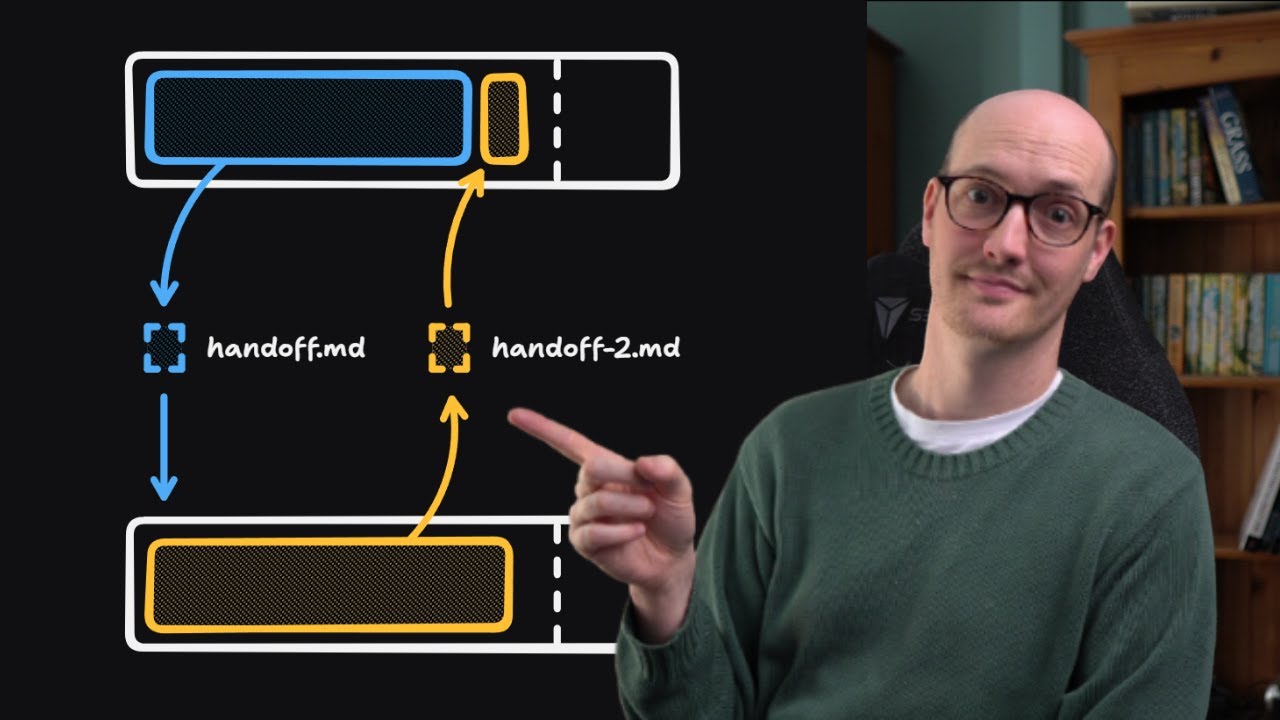






Get daily recaps from
nunomaduro
AI-powered summaries delivered to your inbox. Save hours every week while staying fully informed.