Generative Engine Optimization: Is It Safe and How to Do It the Right Way

Chapters19
The hosts discuss whether popular GEO methods are safe in practice, highlighting risks from Google algorithm updates and the potential for long recovery times after penalties, with emphasis on maintaining sustainable, long-term strategies.
Generative SEO is risky and often short-lived; a safe path means solid on-site SEO, configurable off-site signals, and measurable revenue impact instead of chasing AI-driven spikes.
Summary
Edward Sturm talks with Harpre Singh about the realities of Generative Engine Optimization (GEO). They dissect why many GEO tactics—especially mass content generation and top-of-funnel listicles—can backfire when search engines update their algorithms or AI systems rely on trusted data sources. Harpre warns that scalable content farms can create quick traffic bumps but frequently crash later, leaving sites with deranked pages and damaged organic visibility. The discussion pivots to safer practices: reinforce traditional SEO fundamentals, build revenue-focused “compact keywords,” and create pages that genuinely serve buyer intent. They also cover how to assess GEO vendors, red flags (like heavy content automation or dubious Reddit/affiliate tactics), and the importance of a cross-channel strategy (video, reviews, press releases) to influence AI training data and training sources. The conversation ends with pragmatic takeaways: start with solid on-site structure, then broaden to reputable off-site signals, and always ask vendors hard questions about long-term impact, not just short-term gains. The episode also underlines the looming reshuffle of the web as AI systems and search engines adapt to new optimization tactics.
Key Takeaways
- Scale content cautiously: short-term traffic spikes from automated pages often tank after algorithm updates (Mount AI patterns).
- Compact Keywords approach prioritizes money-making pages, typically shorter (around 415 words) that convert better than generic FAQ-style content.
- Evaluate GEO vendors by long-term performance and real client outcomes, not just shiny case studies—look for red flags like reliance on content generators.
- Optimize a multi-channel presence (video, reviews, press releases) to influence AI sources and improve brand visibility across AI and search results.
- Avoid over-reliance on single signals (e.g., Reddit or G2 alone); diversify sources and monitor how AI tools actually cite your brand across platforms.
Who Is This For?
This is essential viewing for SEO professionals, digital marketers, and CMOs considering GEO as a growth lever. It’s especially relevant for teams weighing long-term brand health against short-term AI visibility gains.
Notable Quotes
""The whole system of measuring citations, measuring the way brands show up in AI tools, I think it's dangerous.""
—Harpre warns about unreliable metrics when brands try to game AI citations.
""Again, this tactic is not going to influence LLMs because it’s all based on web retrieval.""
—Discussion on whether GEO tactics affect LLM training data.
""Mount AI literally the traffic. It's what we're saying. It literally looks like a mountain. Spike goes up, spike goes down.""
—Describes the transient nature of GEO-driven traffic patterns.
""Google literally has a passage about doing this and how it goes against their guidelines. It's called scaled content abuse.""
—Cites Google guidelines as a warning against scaling content with AI.
""Press releases are great to try and change the narrative about what AI is saying about your company.""
—Suggests low-cost PR distribution as a safe GEO signal.
Questions This Video Answers
- How safe is generative engine optimization for long-term SERP visibility?
- What is compact keywords and how can it improve SEO revenue?
- Which GEO signals actually influence AI training data and how to optimize them?
- What red flags should I watch for when evaluating GEO vendors?
- Can press releases meaningfully impact AI overviews and LLM citations?
Generative SEOGEOAI in searchCompact KeywordsMount AI patternContent strategySEO vendor evaluationAI training dataBrand reputationPress releases
Full Transcript
We are talking about generative engine optimization. If it is safe with the primary ways that it is being done and then is there actually a right way to do it that is not going to get a website absolutely destroyed where they're losing all of their organic traffic and if they're losing their organic traffic then they're not going to they're not going to be found by large language models and that's what we're talking about. Harpre Singh is joining the show once again. Harpre thank you for being here. Thanks for having me back. Uh, all right. So, let me ask you, is generative engine optimization the top ways that it is being done?
Is it safe? Yeah. Um, so I think that there's a few different ways you can do um, GEO. One of the ways that is being recommended, the most popular method is just publish more content. Make keywords for the query fan out. So, you know, in case the listeners aren't aware what query fan out is, when you make a search inside of ChatG or Perplexity or any AI tool, they take that one query and they fan it out. They spread it out into multiple other queries. So, you might look for the best running shoes, but then chat GPT might search for best running shoes 2026 in the background.
So, what's happened is a lot of SEOs um they're saying we need to create content that matches the fan out. So they want to create content for all of these different variations of keywords. But then you get some um GEO companies or AEO companies and whatever you want to call them. All they do is help you scale content. So um they will help you rank for top ofunnel keywords. They will say you can automate these processes. You need to create a blog post on this and this. And what's happened is multiple websites are using those tools and they've just scaled their content.
they've gone from having a hundred pages in their blog to having a thousand pages in their blog within weeks and that's not sustainable initially. They all see an increase in traffic or most of them see a big increase in traffic. Um and then the companies take that increase in traffic and say that oh we've increased AI visibility for this brand by 300%. But then comes along the crash where the keywords that you know they started ranking um they start to decline and we've named that in SEO that's been named as um Mount AI um rank and tank.
There's many of different terms. So yeah, I'd say it's dangerous because the if your website gets hit by a Google algorithm update, it can take many years to recover. And that's not an understatement. There's so many case studies out there where you know some websites do take 2 3 years to recover. Why take that risk in the first place for traffic that doesn't mean anything? A lot of these tools, they're just making keywords like how to do something or like um or what is or you know explain this this topic explained that content is not generating revenue.
It's not generating sales. I believe you have a course um compact keywords. The whole premise of that course is you want to rank for stuff that makes you money. This method of marketing is so effective, I had to make sure it wasn't against Google's rules before I kept doing it. It's a form of SEO I call compact keywords. Whereas most SEO focuses on putting up articles to answer questions, how, what, when, compact keywords focuses on putting up dozens of pages that sell to searchers who are actually looking to buy. These pages rank on Google and convert so much better than normal that when I discovered this years ago, I couldn't believe this was allowed.
It's less work, too. The average Compact Keywords page is only 415 words. Compact Keywords is a 13-hour deep course on getting sales with SEO. A customer recently said, "Each lesson is dense with information. You're giving years worth of experience boiled down into 15 to 30 minute lessons with no filler or fluff. I feel like I'm gaining a new superpower. Compact Keywords is about setting up an SEO funnel that brings you sales for years and years and years. It works with AI. It's less work than traditional SEO and it makes way more money. You can get it now at compact keywords.com.
Back to the podcast. Some of these GEO tactics, it deviates from that. You're just getting traffic for the sake of traffic. And a lot of the citations are fake. So, it sounds like I'm going on a rant here, but you can rank or show up in AI for an infinite number of terms, and one page can be cited for an infinite number of terms. So, let's just take a keyword how to get rid of mold. You can easily make that page with um with with AI, but how to when you take the how to get rid of mold within AI citations, there's yeah, there's so many ways that that URL can show up.
So if it's coming from a brand, you can say how to get how to get rid of mold brand name. That's going to show up in AI citations and you'll be able to say that oh we've increased AI citations for this topic cluster, but that doesn't mean that you're more visible in AI. So I think the whole system of like measuring measuring citations, measuring the way brands show up in AI tools, I think it's dangerous and they're obviously just trying to sell their tools and sell their methods. But yeah, I personally wouldn't advise it. I don't think it's safe if there's multiple case studies out there where it's not um where it's not where um you know, yeah, companies have ranked and then and then tanked.
So, you're saying that you're going to use these tactics, you're going to scale content for from 100 pages, 100 blog posts to the 1,000 plus blog posts. And this is going to get you a lot of organic traffic. And then it's going to get and you're going to get cited in AI. it's going to get you a lot of traffic from Google and you're going to get cited in AI. But and then you're saying but then you know Google is going to catch on to the patterns. You're going to get deranked. Your site is going to basically get hit by like a penalty.
And uh that's going to be really bad for your organic traffic. But if I'm uh if I just care about generative engine optimization, if I just want to show up in AI, why is that even a problem? It's a problem because AI systems use search APIs to um get in to um to rank pages or to show pages. Um so it's it's quite common. I think it's it's common knowledge now within the AI industry that um yeah chatbt claude when they go and search the web they use an API that links to a search engine database.
Whether that's Google, whether that's Bing, there's lots of different debates out there. um they use a search engine database to retrieve URLs. There's also many studies that show correlations between the better you rank in traditional search engines on Google and Bing, the better your chances your pages being retrieved when AI goes and searches searches the web. Is that often or or can like a company try to get into the to LLM's training data? You can. So that's the whole So the GEO tactics being and it's good you actually brought that up. So the tactics being promoted by these companies about create more content that is not going to get you into the LM training data.
Getting into L&M training data, I personally don't think there's any true case study of any company doing it. Um because you have to compare output between models. So, if we want to get into the LLM training data, you have to ask AI to give you answers without searching the web because that's the only way you're going to know if the model has learned about you. Now, I've tried this. I'm not going to name drop the company, but um 2 years ago, around 2 years ago, um this company had a lot of negativity around how long their solution takes to implement for for enterprise companies.
um they were pulling from G2, they were pulling from Reddit, they were pulling from other places around the internet where the LLM didn't even have to go make a search. It said, "Oh, for an enterprise, this solution can take 9 plus months to implement." And now over the over the months, I've been following the different model changes, the different LLM tools, we've brought that down to 6 plus months for enterprise brands. So, it's gone down from explicitly saying 9 to six. So, that is an example of L&M optimization in in my opinion. what these companies are promoting with their content creation side of things.
I don't think that's going to influence L&M's because it's all based on web web retrieval. Okay. So, you're saying that with with any with any term that has s with any prompt that has sufficient commercial value, it's going to do a web search. And if you if your site is using these scaled tactics, you're getting hit within organic search and so the LLM isn't going to find you in the first place. Yeah, that's basically that's um basically that's correct. I'd also say that if people use the free version of chat GPT, so this is just an experiment all the listeners can do.
Make a search for something using the free version of chat GPT. open a new tab in incognito and then make a search in your logged in version of chat GPT especially if you pay for it compare the difference in answers. So one of the things I've noticed with prompt tracking is so I use a tool to track to track prompts and it gives me a screenshot I won't name name the tool but I use um they give me screenshots of the prompt I've tracked within chat GPT. So the way these prompt tracking tools work is they take a screenshot of the page and then they um then they upload it into the tool and you can see what it was.
When I track Chachi PT I'm finding my my it's pointless me tracking the answer because half the time now Chachi PT doesn't search the web in the free version. Maybe they know like a server or scrapers um a scraper is the thing that's making the action but they have a lot of useless data in one of my prompt tracking tools just because it's the free version of chatbt. there's no citations because the tool didn't go and go and search the web. So, a good experiment for everyone just to see how these tools and systems work and how the answers can change.
Open up incognito, make a search for something in chat and then in your paid account or even in your loggedin account, make the same search and just compare them side by side. do it again a few times. Maybe change the structure of your of your sentence and just see what you find. And you'll just notice how different the um how different the answers are and and so you notice how different the answers are, but what what sort of insights does that give you? Um it gives you it tell okay it tells you what you need to focus on and what you need to do to what you need to do.
So even every time somebody makes a search in these tools, the AI answer is going to be a little bit a little bit different. So you need to know that okay, should I focus on improving? Do I need to completely focus on brand so I can heavily influence the training data or can I get away with doing GEO that um through um through improving web pages and um yeah through through through improving web pages because the AI search will often look for it look for go to the web to um to give an answer. I'll give an example.
It's not business related, it's politics related. But the other day I was doing some research and um Canada got a new governor general. So something was changing in Canadian politics. They got a new governor general of Canada and um there were some silly rumors on Twitter or X that Justin Trudeau is going to be the new governor general of g governor general of Canada. Of course he's not. So I typed into the free version of chatbt um is Trudeau going to become the new governor general of Canada? And then I just typed in Trudeau governor general of Canada.
So, I have both screenshots on my Twitter profile, but um Chachi Piti said no because he's the prime minister of Canada. Now, it's been a year since Trudeau left office. He's hasn't. He's not the prime minister of Canada. Marani is. It's been one year. But because Chachi Beti did not go to the web, that's the answer it gave. So in that sense, I'm going to be like, okay, so if you're a business and something's really outdated about your business, you need to focus on the sources that can have the biggest impact on LM training data.
I truly don't think everybody knows what that is. I truly don't think that everybody knows what that is, but we're saying it's things like Reddit. If you're if you're a business, it could be Reddit. If you're a business, it could be G2. If you're a business, it could be a local directory. And if you're a business, it could be if you're a local business, it could be your local board of trade. Make sure your profiles are updated in the local board of trade website. So things like that. So then you need to say, okay, I need to update I need to make sure the LLM training data um is up to L&M training data has the best possible chance of knowing everything up to date about my brand.
But then if you make a query and you see nine times out of 10, eight times out of 10 chat GPT is going to the web to make a search. You need to make sure that your that the web searches are optimized. So I'm going to take reviews now. So um brand name plus reviews for that. Chat GPT might more often than not go to a review website to give the user reviews. So in that case if you're on Trustpilot for example Trust Pilot is heavily cited in Chachi BT you need to make sure your Trust Pilot profile is optimized if someone is leaving a bad review you know reply to them if you're able to do that in the platform reply to them um encourage people to leave good reviews on Trust Pilot.
So then you need to do things like that um brand A versus brand B. So a common GEO tactic is making comparison pages. Now, comparison pages were made well before the invention of AI search. Like um the mattress companies made them like um mattress one versus mattress 2. Um what happened six years ago. Yeah. Exactly. But what happened with GEO is they said make tons of them. So they took that concept. So these tools took that concept and they just told brands to scale. And I see comparison pages on some websites now where no one's even searching for that cuz the brand they're being compared to is not like no one no one it's it's a nobody brand like no one's searching for it.
The GEO tool companies are also asking brands to make comparison pages. So I'm brand A but I'm making compar comparison page for brand B versus brand C. Now I don't think that I personally wouldn't do that. I'd stick to my own brand cuz why why like what optics does that give to a customer when you're making a page for brand B versus brand C when you're brand A? I don't think that's good marketing. But the tool companies are getting people to scale. But that said, if you're a brand A and a customer is comparing you to brand B and in chat GPT, um the URLs are going to newly published pages.
So it might be Healthline for example cuz you're a supplement brand. Healthline might have a page A versus B. It might be G2 that has a page A versus B. Then you need to figure out something and then you need to think about actually making that page on your own website because now AI has another source it can reference for that specific specific um specific term. Yeah, I want to get into I want to get into the safe ways and proper ways proper ways to do generative engine optimization in a moment. So you mentioned that these companies they were getting these short-term spikes where of by scaled by scaling content you're you're scaling alternatives pages you're scaling how-to pages you're scaling best lists like this is the best for this you're scaling all of these things and you're seeing actually like a really dramatic increase in organic traffic and your and citations and so um and then you said these companies are going and shouting about like how well these tactics work even and this is at the height right before these right before uh the companies that are doing them are getting hit like are getting hit and losing all of their traffic and so the companies that are screaming about how well this works without naming the companies like what do you mean so these are companies that will do this for other companies?
No. So the GEO tool company will um yeah actually yeah so they work together. So the GEO tool company or AEO tool company will have a case study on their website saying that company X they received a 500% visibility in in AI citations and AI mentions after doing A and C. And generally it's they created content they they always put a spin on it. So they'll say stuff like they created content that serves the full funnel. Someone says that they made listicles. Um there's some case like listicles if in case anyone isn't aware is basically on your own blog post or on your own website.
You you write something. Let's just say the top five email marketing softwares. You put your own company in the number one spot, your comp competitor 2 3 4 5 6 7 or however many and the other remaining spots and you post that on your your blog. The goal is that when someone makes that search in in AI that your page is cited and your company is is mentioned for that longtail query. So that's basically a listical. Um they'll say stuff like we created comparison content, we created bottom of funnel content and we received X percentage visibility in AI tools.
But there's a funny one. Um I think I I'll name the industry. If you search for the best AI FPNA software and um everyone can try this out because it's still it's still working or it was yesterday. The top citation in Google's AI overviews is a new a newer player. So they're an AI they're an AI they're AI focused player. They're a newer company and they are using one of these um GEO tool companies. And if you know if you just put that name into Google and type in AI optimization or whatever, I'm sure you'll find out which company they're using, but they are cited in the AI answer in the AI overview, but they're not mentioned.
So the AI overview says, oh, these are the best companies for this software, and it doesn't mention them, but it links to their web page. So is that a win or is that a loss? because now someone can see that this company is recommending these brands as the top companies, but Google isn't listing that that brand. Uh, how can you discern if you if if I'm a business owner and I'm and I'm deciding between hiring different geo companies, how can I decide how can I discern the ones that will be good for the um and I was going to say long-term health of my company, but honestly, when you see these like mount AI patterns, when you see these rank and tank patterns, you see it working for literally a few months and then after like 3 months, It's It's done.
It's hit. So, and it's not even It's like short term, too. Yeah. Um, so if I'm if I'm trying to decide between uh geo companies that will be good for my company, what what are the red flags that I should look for and then what are the good signs that I should look for? Yeah. So, I think the biggest red flag is do they have a content generator in their platform? If you Okay. So, you can get different types of GEO vendors. Um, my my take on this is that if you get an experienced SEO professional who's not trying to upsell you lots of stuff related to AI, they are probably your best bet cuz they're going to give you a balanced approach.
Um, but if you're looking for a specific GEO vendor, I'd say the one of the red flags is yeah, like do they have a content generator? Go through their customer stories. Um, what look at their customers. Um, so don't just look at the logos on the homepage, but most established tools or even some of the newer tools, they have dedicated customer stories. Read the customer stories. Like see what they've done see what they've done for their clients. See see what they've done for their clients. If some of the terminology is, you know, if you're a business owner and you're not you're not you're not doing SEO day in day out.
You're not doing this day in day out. So some of the terminology might go over your head. Take that page and put it into Claude, put it into chat and ask Chachi to explain it to you in layman terms. Um that's what I would suggest people to do. And then when you look at the case studies, if there's a lot of case studies around how how we did this by scaling content, that's a red flag. If you're able to book a demo with these companies, so you might be on a big you might be wanting to get a bigger plan.
Ask them how they're performing now. So legit, just ask the sales rep, "So I see this customer story on your website with this brand. Can you tell me how they're performing now and how did this strategy hold up over time and see what the salesperson has to say?" So yeah, my biggest red flag is um is um is is scaling content, but at the same time, you know, I get inquiries, I get messages all the time around, hey, can we look at this company that will help us show up on Reddit? and um there was company was helpful show us on Reddit and they're saying that's going to improve our AI optimization.
Well, then you have to ask them what are they doing on Reddit. Again, look at the customers, look at the case studies. With Reddit, it's a lot easier. So, if they have logos on their homepage, you can just search for that company on Reddit and you'll be able to see Reddit threads. And a lot of the time, they're just autogenerated. They're just AI created posts that add no value. They have no engagement. That's not gonna that's not going to boost your visibility on Reddit. So you're saying that they're that that these geo companies for Reddit are say are giving customer success stories that actually they're just like making up success stories or Yeah, basically.
Yeah. They're saying, "Oh, we increased mentions on Reddit by X." But like what does that mean? That doesn't have like you can't tell me that has an influence on AI search or AI visibility. They're saying we we me we increased mentions on Reddit and but they're not actually saying the the goal that it's supposed to get you. Yeah. Yeah. Well, what they say is we're going to post on Reddit and because AI loves to site Reddit, we're going to you're going to see an improvement in X. So, I'm just throwing I'm just like crossing out that theory right now.
What you need to do as a business owner again when if you're working with an SEO professional who's has a balance take, they will do this for you. They will take your set of keywords that are really important to you. They will take your prompts and conversational queries that are really important to you. They will put them into an SEO tool. They will be able to see um or GEO tool. They will be able to see what Reddit threads are actually influencing the queries that you care about. So, let's say I want a new um a new a new sink, a bathroom sink or bathroom vanity.
Um I'm going in on chat GPT. I'm typing what are the best bathroom vanities. Now, let's say someone's telling me like, I run a bathroom van a bathroom store and someone's like, "Hey, I can um improve your AI visibility. I'm going to do this on Reddit." But now, because I've gone to my SEO and I've and I've um done the analysis, I've seen that the only Reddit thread being mentioned or being being cited by AI is a thread that was started eight years ago and that is now locked. Even if you create 50 pages on Reddit, you are not going to break into that AI answer for the best bathroom um bathroom sinks because you're posting on Reddit because AI is using that Reddit thread from 8 years ago.
So that's an example of what I'm saying. So yes, Reddit is cited by AI, but you need to take your set of keywords and your set of prompts to see what URLs from Reddit are cited. You need to see what subreddits are cited. There's some subreddits out there that as soon as you mention a brand name, so you might even be trying to give a helpful answer, but as soon as you mention a brand name, they ban your account. But that subreddit might be the one that is most heavily engaged. So if you make another subreddit with a similar name, what's the point?
Because you're not going to influence anything. You're just creating a page for the sake of creating a page. That makes sense. And so, and ho how do you how do you evaluate geo companies? I'm saying geo companies because I still think if you're uh if you are a business owner, you're going to be looking for geo companies. Yeah. Even though Yeah. You're I mean, yeah. So, you're going to be looking for geo companies. So then how do you actually evaluate ones that will be good for your brand, that will be effective, and that aren't going to aren't going to hurt you, that that aren't going to destroy your organic traffic, make it so you can't be found on Google at all.
Yeah. My biggest thing would be if I'm consulting with someone, I'm helping them find a company, it's how long have they been around? Um, did they just pop up after Chai GBT came came along or have they got experience? Were they here in 2015, 2016, 2017? Obviously, people new in the industry and there are going to be new people in the industry, but yeah, you need to kind of see how long they've been around and you need to talk to them to see what tactics they're recommending. So, of course, when you talk to a consultant or you talk to a company, they're not going to give you all of the they're not going to give you the full strategy.
They're not going to give you the full source, but they're going to give you snippets of what they they're going to give you snippets of what they will do. Um, if they're focusing on scaling content, like I said, that's a big red flag. If they're focusing on Reddit mentions, um, that's a yellow flag. And it depends what they're going to do on Reddit. You need to ask them how they're going to post on Reddit. You need to ask them how they're going to engage with communities. Um, if they're a GEO company, you need to ask them if they have a video strategy cuz video is performing very, very well in um, in Google's AI overviews.
Not sure about Chat GPT, but in Google's search experience, videos are getting heavily promoted. So, do they have do they have a strategy for for YouTube? Um, do they have a strategy for social media? The GEO company doesn't necessarily have to make the videos for social media, but they can advise on what topics that you could be creating for. They can advise on saying that, hey, for these keywords in the AI overview, there's a YouTube video present because these keywords are so important for your business, we need to make a video on video on that.
So, things like that um is what I would evaluate. But yeah, you have to talk to them. You have to ask them about case studies. If they are really going in on how we achieved whatever for this company or a specific company, ask them how that company is doing now today and ask them how that company is holding up. And often times if you have a subscription to an SEO tool, you can kind of see yourself. You can see yourself too. You can use Simrush for free as well. Yeah, exactly. Yeah. And you can see so Mount AI literally the traffic.
It's what we're saying. It literally looks like a mountain. Spike goes up, spike goes down. Um, I would say that brands that have been around for a little bit longer. Um, when they engage in this, their peak lasts a little bit longer than newer companies. So, it's something I'm noticing now. So, if you're a startup that has lots of media mentions and people are googling your name, you got a lot of branded search, you might get away with these tactics longer than a company that isn't as, you know, isn't as isn't as relevant or if you're a small business.
There's one tool out there, um, again, I won't say the name, but there's a tool out there that helps small businesses makes make optimization. So it's a tool marketed for small businesses. So local plumbers, electricians, HVAC companies and so and so they do the same thing and their mount AIs are even or even even worse. Like they are literal like they go up right away and then they go down right away. Um so yeah, I think the biggest biggest red flag is um is content, but talk to the company and see what else they're proposing.
What would you say to the geo company who's like, "Yeah, look, okay, sure, we had this up and down pattern, but actually where we finished is higher than where we or yeah, is higher than where we started. So, it's still it's still a win." Yeah, I actually got asked that question um by someone a few a few days ago. I would say, what is that traffic doing for your company? Are you making more money? If you're getting more organic revenue, if you're getting more revenue through LLMs, then that's okay. then you know you can say that's a win but if you're not getting more revenue that's not a win and I personally don't think that these companies are cuz the traffic is top of funnel that's how they're able to do this so fast there's one company um the big finance company they're a case study on multiple company websites they have heavily scaled content and in March there was a core algorithm update so right now it seems like their traffic is more than where it was a year ago.
There's no question about that. But then I did some more analysis into that. The keywords with a difficulty over 30, the rank and tank has begun. But this is a company when you look at the overall traffic chart, things are still going up. For keyword keywords with a difficulty of over 30 in AHFS, um the tank has started and they're going and and they're going down. the more difficult the keyword is um the more like to keep things simple the more likely it is to be a competitive term the more likely it to be a more useful term for the business um those keywords are going down so even if traffic is up again my question is what impact is that having on the business if it's not having a big impact then strategy is not worth it but if it is having an impact on your business and you are making more money then there are some edge cases where okay um this tactic is good.
But at the same time, can we even call that tactic good if in the next Google algorithm update they get hit and their core services or solution or product pages get affected? So, even if your traffic right now is higher than where it was after the after the after you've tanked, you still need to be wary of what's going to happen in upcoming Google updates because there have been cases. Many many cases where algorithm update one, you see a decline, update two, decline, update three, another decline, and in six months or seven months or two years down the line, you're at a much lower point than where you were a year ago when you asked that question.
And I think we even did an episode on this with Shopify. I think their traffic now in 2026 is like it's just way it's I think it was around 1 million or 1 million and a half and in 2021 they had 7 million users. Um what's Yeah, I don't I would avoid this tactic essentially. Yeah. Yeah. Yeah. I mean, um, you're going to you're going to see that spike and then honestly, uh, what what happens often times too is like the short in the short term, you will be better than when you started. And then in the long term, you're going to be not just like getting less traffic from Google, but it's going you might have a harder time for people just finding things when they're putting your name into Google.
Like for real things that are going to make you money and and as we talked about, LM are pulling from Google. They're pulling from search. This devastates businesses. Yeah. And I would also add that, you know, LLMs are aware of this tactic. Google is aware of this. So what we are that's Oh yeah, that's what I was going to mention. Yeah. So Google literally the thing to know is Google has in their guidelines a a passage about doing this and how it goes against their guidelines. It's called scaled content abuse. They literally say don't do this.
Don't scale content using AI. And and so you got to consider that if you are if you are a if you you're considering doing this yourself or going with one of these generative engine optimization companies, answer engine optimization companies who's saying that they're going to do this for you. This little startup is going up against Google with their teams of the highest paid engineers in the world with with an abundance of websites that have already tried this. All of the patterns for what this looks like. It is very easy for Google systems to detect this.
Very easy. And and so if you were considering going with a geo company, you just have to know you are going up against trillion dollar Google and and their their teams of engineers. Hey, it's not just Google. So back to the query fan out. So there was a period I don't know if this is happening right now or if this was a test, but I'm going back around a month, a month and a half. So when you made a search on chat GPT, so let's just say the best I'm going to say the best email marketing software again.
So what happened was all these go companies told their clients to make the best listicles where they put themselves number one and then they put that blog post on their website. So during the query fan out, chat GBT started to use the site colon um like G2.com and then in quotation marks a company name that's already well known as part of their fan out. So that tells me that open AI are onto this as well. They know people are trying to gain chatbt. They want people to get the best possible answers and in the background they are doing things or they are testing things to give people the best possible answer.
So when you're hiring a GEO company, even an SEO company, you have to think about the tactic you are using. Is that going to give users who find users that find your page through Google or through an AI search engine, does that give them the best possible experience? Can you give um can you give just five specific questions that a company considering going with a geo company should ask to that geo company? Just five specific questions and then we're going to move on to actually the the right ways to do generative engine optimization and answer engine optimization.
Yeah. So, let's see if I can think of five. Number one is going to be um how how do you think GEO is different to SEO? Um that I think that's a very important important question. Number two is going to be how long have you been how long have you been around and when did you start when did you start in the optimization business? Um number three is going to be can you tell me about can you tell me some recent case studies? Um, and can you let me know how they're doing now? So, not what you've achieved for them like in the past, but how are they performing now?
How have the strategies held up? Um, what are your thoughts on offsite off-site SEO? Um, what are your thoughts on incorporating video and social media into our into our strategy? And number five, um, this is very I need some help. Number five, what could the fifth? I was I was just I was I mean I would be like are you are you putting up um lots of blog posts? Like are you putting up hundreds plus blog posts? Something something like that. Um I would also say a red flag might be if they can't explain things to you in a way that you understand.
So if they're using lots of really fancy terms that make it that that just don't even make sense to you. they can't explain it in a way that you understand. That's a huge red flag that the and this this goes with search engine optimization too. This goes with many with many marketing agencies to be honest, but especially with SEO, you see this is very common. If a company can't explain it to you in a way that is very clear in plain English so you understand it there's a good chance that they are a grifter and they are trying to overcharge and you should find someone who can explain it to you really clearly 100% one more two more questions do you recommend implementing an LLM.txt file if they say yes we recommend an LLM.txt txt file.
Probably one to stay away from. And the other one is, "Do you recommend implementing an AI info page?" Cuz there was a guy on LinkedIn, not going to say his name, but he didn't have an about page on his website. Like, he has no about page, but he does have an AI info page, and he's posting on LinkedIn how this AI info page is being cited by AI tools for questions about his brand. But like, bro, like the AI info page. Is this about page? If you didn't have that, it would site an about page.
So, I'd ask them about llms.txt. Ask them about an AI info page. Ask them what they think about chunking. So, if you're a little bit more advanced and you're you're more aware of these tactics, take some of these complex terms that we might put in the grifting category and ask them questions about that and see what their response is. and if they play along with them like yes, you need to chunk all of your content, you know, we're leaning towards the red flag. So, we were talking about actual ways that you could do this and I want to go back to this discussion on influencing training data.
This is something that a lot of people are interested in. Have you what what have you seen people testing? Have you seen anything work? Because we know that brands are in training data. Y like and it's very common that like top people, top brands are already in LLM training data and they and we all the time you will see that an LLM will not do a web search and will still mention a brand or will still mention a well-known person. And so yeah, how how has that even happened in the first place? What have people done to try to recreate this?
And has any of it worked? Yeah. So one thing with training data we have to understand is that LLMs have years and years of training. So when we any tactic we do it's going to have a minor impact on the grand scheme on the grand scheme of things. And now I'll give this case study I did about around implementation. So we started this around 2 years ago. Like I said, the company in question when you asked about the implementation times for their software, they were long. Like they were saying 9 months plus, sometimes 12 months plus, and they were obviously from 5-year-old reviews from G2.
So even without a web search, chat GPT would say that it's taking this long. And we know it came from G2 cuz that exact wording is on G2 that oh, it was a horrible implementation. It took like 2 years or whatever. So I sat down with multiple people um opened up conversations with multiple people in an organization saying we need to address this. So the first thing we did was on the website say that implementation can be as fast as 3 weeks. Very simple thing but we just said that exact thing on our website. Why did we do this?
Because AI is a parrot. AI is going to repeat information that it sees. So what better place to start than your own website? Then we took that we took that 3-week period and um we expanded it to social media. We started making posts misconceptions about the brand name, myths about the brand name and we got the founder to make videos um so the founder posted videos on Instagram like through the company channel but from the founder like a misconception is that this company implementation is slow and takes this many months. No, that's wrong. Implementation is actually dependent on multiple other things.
We distributed that like crazy. So, it was on the website, it was in third party articles, it was on Instagram, it was on YouTube. And now I can see that the LLM gives an answer of 6 months. So, it seems like that that big that the distribution we did for that specific query, for that specific topic seemed to have an impact on training data. not the impact that we liked for these 3 plus weeks but it took the time down from 9 months that means AI now knows that you know this can be implemented in a in a shorter period of time so that's one example you need to create content across multiple multiple multiple challenges channels and if we're talking about what we need to g do for GEO that is one thing create content for more than just your website so yeah if you want to influence the training data have it on your website but what else can you do and it costs If you want to do press releases, then that costs money.
That costs money. You have to, you know, invest in those releases. Um, it costs to invest in a social media person who's going to grow your brand. Do community, do community engagement. If you're a local business, be known in your local city for doing something. That's all going to help improve your brand, your brand presence, your brand standing. Um, one thing with a law firm I noticed actually is um, glass door was being cited. So when you ask for reviews around this law firm, glass door, chat was citing um glass door, it was ref referencing glass door.
What we did was we improved a we we went on like a you know recommended asking recommended the lawyer asking their employees to leave reviews on glass door and you know give them an incentive to leave a review on glass door and now their glass door rating is above four stars and now chacht doesn't use that as a review source anymore it uses something else. Um, so yeah, there are a few ways you can do I think good GEO and just try and influence the um the LLMs. Put lots of content out there across different channels and then when you make a search into chat GBT, where is this sentiment being sourced from, can you do something to address that sentiment?
So are with the success story where the the imple implementation time was originally given at 9 months and you got it down. It wasn't 3 weeks like you wanted but you but you got it down but are you saying that the LLM was not doing a web search and it was giving the it was giving this lower answer. Yeah. So right now so the newest chat GPT model cuz the cutoff date I think is August 2025. The newest chat GPT model without a web search enabled is giving this is giving that is giving that answer.
And yeah go on. And yeah, I was going to say that to me like that is LLM optimization because it's I've influenced the LLM or the company have you know all together we've influenced the LLM and that's the other thing about GEO it's not a oneperson effort like one for most companies out there so obviously we have a diverse audience here with people work in different companies but for most brands GEO like one person isn't going to solve the problem. It's a companywide thing. If your product or service is really bad, you can do all the Reddit optimization you want.
People are going to say bad things about your product on Reddit. So now GEO is a product thing. Um brand reputation thing. If your CEO is questionable and he's doing questionable things, you're going to have some negative sentiment associated with your brand. um your communications team when they are writing press releases or if they are when they're writing press releases or talking to the media. If they positioned the brand as let's say we're we're a company that does this but for the last 15 years you're known as the company that does A B and C and now you're saying you're a company that does you know um DE and F.
The AI is still going to say you do the the AI is still going to say you're a company that specializes in the thing you're thing you're known for. It's going to take a lot more than just a press release to do that. You're going to need to you're going to need to promote your messaging in other channels. You're going to need to take pick up sponsorships. You're just going to have to do way more. So GEO is not just a one person problem. I think I think it's a whole company problem. Of course, one person can be the owner, but if you're working in a bigger organization, everybody needs to know what they can do to help with AI search cuz I think yeah, now because so many channels are affected, everyone has a role to play.
Moving away from influencing training data, um that's an aspect, but arguably a bigger aspect is because so many prompts do result in a web search. So, okay, how can we h how can we influence as many prompts as we can because so so the prompts are the the your prompt is being broken into multiple web searches and the web searches aren't the exact same every time. They're slightly different and these are called for people yeah like you said these are called query fan outs if for people who are new to this um if your your query is being it or you are having your prompt into these multiple queries kind of like a fan is like because you'll see like one to three sub queries from your prompt and so it's like all right how can we actually for these sub queries show up on really high in search so that we are getting cited.
Um, have you and there's a lot of a lot of tactics for this. Um, and a lot of tactics that are safe. A lot of tactics that are safe. Um, have you uh have you toyed around? I'm curious. Um because this is something that a lot of people have come on the show and said that they're doing is finding finding maybe there is a listical that is getting cited overwhelmingly across prompts that you are tracking and then trying to get into that listicle. Have you tried something like that? Yeah, I I have. Um but I go I don't go for company competitors.
I don't go for them. So if I see so actually um for the listeners when you monitor your visibility in most GEO tools and even SEO tools their new AI dashboards have like a sources section or a lot of them do they tell you what sources are influencing the AI answer and they're like oh you're not mentioned in this source you should try and be mentioned in this source but a lot of the time that source is a competitor if a competitor's listical is being is being ranked and you know I'm not I'm not going to go ask them for hey give me I've received email.
I've received emails from competitor companies. Hey, can we can you put me into your listical? I don't respond. I'm not going to ask ask a competitor either. I will go to the affiliates. That's where affiliate marketing comes in. And that's what I said about SEO or sorry, GEO being a companywide problem. So, there's some or I was working at a grocery grocery retailer in the UK, like the biggest retailer they have. as an SEO. When I was the when I was doing SEO, I don't have a say in what the affiliate marketer is doing. But now, as a GEO, I'm going to ask the affiliate marketer, hey, um, this affiliate website is highly cited in AI search, can we run a program with them?
And then the affiliate will go out and, you know, we they will, um, they'll engage in them. So yeah, it's something I've done, but I only focus on the companies that like the real big companies that are actually being being listed cuz yeah, the brands, they go in and out, but your Health Lines for example, your WebMDs, if you're in supplements, um Sleepopolis, I believe is their name, the mattress, one of the mattress sites, yeah, these type of companies, they're going to they're not going anywhere. Um if you're in credit cards, I forgot the company name.
Um but a huge credit card affiliate. um you know these type of companies you that's where you want to be listed. They're the companies you want to be a part of. You want to be a part of their affiliate program. Even if it costs a little bit more than you want it to, I'd recommend trying it out. If you are in the affiliate game, sometimes they run tests with your brand. Like they'll put you in a So these websites, they'll put you in a certain position on the on in their list and they'll see what kind of click-through rate you get.
So yeah, I'm proud because you kind of have to be listed in those sites because like I said now the query fan out also makes site colon searches and it goes to specific websites to learn about brands and if you're not listed in trusted websites you might not show up in AI. Yeah. So, so uh or or you might find and sometimes you see this it's just some random niche blog that is that has a listical and this listical is influencing a lot of prompts that are important to you and it's like literally like a a a random uh like like hobby blog or something and they don't realize the value that this listical has and you just email them and you say, "Hey, what would it take to to get in your listicle?
Um how much would it cost?" and you you're kind of explicit about it and they'll give you a price. Okay, uh $200 and maybe they think for them like that's a lot or $300 and for you it's like now you're cited really high in this listicle and because this listical it or you're given really high in this listicle and because this listicle is cited for so many of your prompts now you're really influencing just a lot of the prompts that you care about. Yeah. And 100% and an unethical GEO tip is uh make your own listicles on third party websites.
I'm seeing companies do that. Not recommending it, not condoning it, but it works. Um you know in Canada, Post Media is a um huge news organization. If you go in the Vancouver Sun, the best hair transplant companies, um the number one is a clinic in Turkey. Um the number one is a clinic in Turkey. They sponsored that article in the Vancouver Sun. And when you Google best hair transplant companies Vancouver or whatever, you know that listical ranks in number one, that listical influences the AI answer and the Calgary Herald in Calgary's son. There's law firms that have created um so they didn't create a listical, but they made pages like why law firm X is the top rated law firm for Albertans, for example.
So there's lots of things you can do in third party um in third party websites. Whether it's ethical or not, it depends on what industry industry you're in. The disclaimers you need depends on the industry you're in. But I've also seen some companies buy guest posts like they used to do for SEO back in the day. And that's where they have the listical. And like you said, it could be in a $200 blog, it could be in a $300 blog, $50 blog, but sometimes these do show up more often in chatb. I've seen them have an in I've seen them make a make a difference.
But I think that's where your SEO person is going to come into play. If they know what's going on, they will tell you like look these are the sources that are influencing chatbt influencing Grock whatever where whatever your main AI is. This is where we this is where we need to this is where we need to be. our competitor has or you can do a simple link analysis um like SEOs used to do link intersects back in the day like what where's this company has this many links from these websites we have this many from these websites go through your competitor's backlink structure um and see what's listical see see where they're buying guest posts try and do the same thing for bigger companies it's probably not guest posts in the $20 blogs it's probably more you know like the marketing dive or like the CTO times or whatever like some bigger industry publications.
But if you're a smaller smaller company, you're doing local SEO, you can do this type of stuff in um in cheaper in cheaper magazines and cheaper sites. Something that something that works really well and it's completely completely ethical is just putting up product pages and landing pages literally targeting um like terms that people are searching with very high intent because when the query fan out happens when multiple prompts are broken into these sub queries that are being searched often times they will come across these landing pages, these product pages that you are making and product pages and landing pages are getting cited a ton and it's very it's very ethical to just put up pages on your site about what you offer and and all the different use cases that you fill, all the services that you offer.
Yeah, exactly. Um, I see this in e-commerce. So, very similar to what you said. So within e-commerce, the Google search engine results pages, there was a bit of a shift maybe two to three years ago where some of these affiliates were actually ranking less and e-commerce companies, they their category pages started to be called like best um best fragrances for men, for example. So the SEO page title of the category, like if you're a fragrance website, the category page might be best fragrances for men. And rather than having like 1 2 3 4 5 6 7 8 9 10 the product grid is the the product grid that they have like where they have the one product two product three product like that is the same that's the same thing.
The H1 on the page will be best fragrances for men for example. So yeah you can just do that as well. You don't have to make a list to rank for a bottom ofunnel query like you can do that through a product category page. You can do that for your service page. Just yesterday, I even saw a page for a law firm that said um brand name voted as the best law firm for this in Toronto. And what it was is they've paid a third party affiliate. It's like marketing, it's like law marketing Canada or something like there's a marketing there's a lawyer lawyer magazine.
They paid obviously they're a part of their affiliate program. that affiliate program put them in the number one spot and they just took the little sticker and logo they gave them and they put a page on their site saying that this magazine thinks we're the number one law firm in Toronto for car accidents and yeah there you are like now they're ranking for a bottom of funnel query and I saw them show up for best personal injury lawyers in Canada. I saw them show up for that keyword through that page. Yeah, I mean dude, even um actually I I include this I included this in compact keywords my SEO course.
I said like personal injury law NYC isn't as competitive as everybody thinks like as a keyword. There's actually not many websites that are targeting that keyword properly despite it having such a high cost per click, despite it being such a valuable keyword. It literally just going after things that are scenarios, just making pages for things that are common scenarios for your brand, common services that you offer can be so effective. I also want to I want to uh give credit to you for finding out about the press release strategy with cheap press releases. This is something that's really safe, too.
And cheap press releases influence a influence LLM a ton with with searches. it. They're influencing AI overviews. They're getting recommended by Cha GPT and these press releases can cost like 80 bucks and you put this out and it can be immediate. Yeah, exactly. Like there's so many ways that you can do I think GEO like ethically or I'd say the safe way like press releases is not even so press release. Let's let's just let's give a walk through for that. You use AB Newswire because because AB Newswe is the least expensive. That's the only reason it's expensive.
Yeah. So, I just did it as a I just did it as an experiment. I had no personal gain from doing these. I just wanted to prove a point that you can make something fake. Oh, I made videos about people who have done this and who have done it and got personal gain. Yeah, it works. So, back then I wanted no personal gain. I just wanted to prove a point that I can make a random company and I can get AI to say that it exists. And yeah, used AB Newswire. It's like a $5 release.
and um made a website said that we're a fivestar rated company or a near fivestar rated SEO agency and then that's it. DB Newswire put it on the wire. They they are distributed into multiple websites like financial content um Yahoo News, Globe Newswire, no Glob Glob and Mail at the time. I don't know if they're still part of the network, but the Globe and Mail. And then when you asked AI about this company, AI was confidently saying they're near five star rated. They've got hundreds of reviews. Then they experiment. And GEO, I even got emails.
I got leads from this. I was like, there were people messaging me saying that we're looking to do GEO. Um, can you can you can you help us? So, it it it worked. And this is especially important if you want to change the narrative about something. So, let's say you've got some reputation management to do. Um, I think press releases are good. Company announcements, of course, always, but I think this strategy might be more beneficial for those of you that, yeah, there's a bit of reputation management to do. Um, this works or yeah, maybe you're sponsoring a local sports team.
Cheap press release is a good way to distribute that cuz on your website, if you're a local business, Google doesn't care if you're sponsoring a local sports team. You need to make some noise about it. Maybe you can buy a cheap press release and say the top plumber, the top plumbing company in New York is sponsoring the little league baseball, whatever, right? Whatever. Um, that's then going to be syndicated by all of these top news websites or big news websites and it's going to influence the LM. Your your LLMs are going to know more about your brand.
So, when a local when someone researching about your company, um, is this plumbing company good? Do they have good reviews? AI does that thing where it gives you more information than you need. It will say that this company has been recently been in the news for sponsoring this team or donating this to this charity or doing this or doing that. So yeah, press releases are great to try and change the narrative about what AI is saying about your company. Yeah, I mean even even without branded searches, even if you're not even asking about a specific brand.
So I'll give the example of Matt Tiamonte. He's allowed he's allowed me to share this and I've made multiple videos about it in the past. So Matt Diamonte came out with an SEO book. Matt is a SEO. He has an agency called Hey Tony and he came out with an SEO book and he used AB Newswire. So AB Newswire if you buy um 500 press releases for No, no, no, sorry. If if you buy I think it's like 83 press releases for a year, there's a $500 per year package which gives you 83 releases which makes it so that each release comes down to like six bucks.
If you want to just buy a single press release from AB Newswire, it's $80. And so Matt got this like single $80 press release, puts it out and and puts the term best-selling SEO book in his press release title in the press release subheading and in the first sentence of the press release. Then when you ask ChachiPT about a best-selling SEO book or when you just search bestselling SEO book, the AI overview is citing him. Chachi PT is citing him and his press release is showing up number one in Google for best-selling SEO book and and you see that the press release is citing his or sorry you see that the AI overview is citing his press release and like this is this is that this is an example of something that works really really well and um and you know we've talked about this before and I asked you do you think this tactic is going to stop working anytime soon and you said no you don't see how it could.
Yeah. And I still don't unless Chad GPT, Google, Open Air, like all these companies, they fundamentally change the way they train themselves. Like how can this stop working? Like it can't because the real companies use press releases. Like I made a I made a presentation for example about Toyota and their brand messaging. So Toyota is known as the most reliable car. If you ask Chat GPT or any AI for the most reliable car, it's going to say Toyota. But it's not just because they do press releases, but Toyota on their website, they have hundreds of instances where they say most reliable car.
Every press release they put out that line most reliable car is in there. So like big companies use press releases as part of their communication strategies. The news is informed by press releases like business news. So when a company like a company's going to announce their financial statements, for example, they put it in a press release. Press releases are used so much that how can these companies stop using them? And there's always going to be the ability to um there's always going to be the ability to to gain them in my opinion. Yeah. Something something else that we need to talk about is just like actually looking at the language in the query fan out, looking at the searches that an LLM is doing.
Um you can you perplexity will show the searches visibly you there are ways to you can see the searches with chatpt if you like uh this is more complicated but if you want to try this yourself it's it's still really easy to do make a give a prompt to chatpt wait for it to see like searching the web then um rightclick inspect and go to the network tab uh then you'll see like a you'll see like a filter a a filter search thing. And what you do is you copy the part of your URL that comes after forward slash C.
Paste that into the filter search area. Refresh the page. And when you refresh the page, you'll see these like orange brackets with the string that you copied, the string that from the URL that comes after forward/ C. Then you'll see like a response tab. Go to the response tab and search that for the word queries. And in that you will literally see the searches. you can see the searches that chatpt is doing and and when you know how to do this if you if you just by the way if you if you search anything like what I just told you into Google video tutorials that I've made about this will come up and then when you do that you see that chatt is using different searches than what your prompt was but you can see the exact searches that chatt is doing and then you know the language you do it a few times and you start to learn the language that the LLM um is using to get its information.
And so then you take that language and here's the thing about most websites. Most websites are extraordinarily bad at targeting language specifically with SEO with their websites rank just ranking in Google by being really targeted. So now you know the language that an that the LLM that the large language model is doing is using and you take this and you put this language in your page title. You put it in your URL slug, you put it in your H1, you put it at the beginning of your first sentence. What you are what you are doing is you are literally optimizing pages on your website for this language.
And so by doing that, if if especially if you have people linking to your site and sharing your site, you have what's called an SEO authority. Now, you're going to show up in search really high for this language. And then when the LLM does a web search, like it invariably does because so many prompts results in web searches, when the LLM is doing web search, it's going to come across your content and you control the narrative in the content. You say what you wanted to say and the LLM, like you said, Harperit is going to parrot whatever you write.
Yeah, basically that's what it is. And you know, we can say GEO kind of comes down to that and GEO is going to parrot whatever you write and whatever third party whatever people outside of your business write about your business. Um, so yeah, try and get the parrot to say good things and you do try to get the parrot to say good things. Be mentioned in all these other review sites. Say the right things about your product on your website. Put the information there. Like pricing is a big one. So many companies, SAS companies, they hide their pricing, but when you ask chat GPT about the pricing of a B2B SAS company, it is going to tell you if you don't have something on your website, it's going to make some ch.
It's going to make something up. It's going to pull it from G2. It's going to pull it from Reddit. It's going to get it from somewhere. So, you might as well try and influence the pricing. If you want to hide your pricing, that's okay. But you can say starts from 10,000, starts from 5,000, starts from 50,000. Even if you say that, Chhat GPT will reference your website and say that this company does not specify its pricing, but they do say they start from this. That is better than Chat GPT linking out to a Reddit thread that says, "Oh, this was way too expensive.
They quoted me 40,000." So, that's something you can that's something you could seen in the wild. We were talking about uh LLM's specifically searching like G2, not even when you don't ask it to. You're not saying go search G2. It's literally just doing that. Have you actually seen that happen in the wild? Yeah. Yeah, I have. Um this is the query fan out I noticed um last I think last week, a couple of weeks ago. I've noticed this where I'm searching for I'm searching for let's just say the best uh best email marketing software. And I've seen Chat GBT put G2 in the in its query find out title.
So, it'll be like actually now it's even more interesting cuz it will put in company A, company B, company C, and they're usually well-known companies. They're not newer companies. And it will add like G2 reviews as the query fan out. So, I've had that as the query fan out before is company A, company B, company C, G2 um reviews. Has it been has it been with the initial query fan out or has it been with like a pattern that I've seen is the LLM will do an initial search and then gather companies to look into and then do further searches within the same prompt do further searches into those companies then searching G2.
So it's not starting with the G2 search or have you seen it starting with the G2 search? I've seen it start with the G2 search. That was my that's my and that's my initial um that would be my initial query fan out prompt. Yeah. I've I've seen it start with the initial Well, it comes it comes down to then what it comes down to what you're saying like also try to have a good product because if you don't you're going to get these bad reviews and and if if you have a b if you have a brand that is doing a sufficient amount of business, customers are going to say if they had a bad experience.
Yeah. Try try to prevent that. But the other thing I'd say is don't just focus on one third party platform like today it's G2, tomorrow it could be Capterra, right? And I' I've seen like um today is Reddit, tomorrow could be Trust Pilot. Like we remember that time in September or October when Reddit completely fell out of OpenAI's results and everyone was like, "Oh, the Reddit stock went down cuz OpenAI is not citing them anymore." Never put your eggs in one basket with with GEO. Try and make sure your reviews are optimized on every platform, right?
If you're on Trust Pilot, Trust Wiz, I don't know how many of these they are, make sure you don't have a bad review. Oh, you can't make sure you don't have bad reviews, but make sure you have good reviews across the across the board. Um, set up alerts, set up a monitor that if this random review website, someone leaves you a one-star review, um, you can go there and address it. Make sure your Yelp profile is optimized. Even if you don't use it, make sure your review rating is good. Make sure your profile description matches what you want to be known for, what you want to be known for right now.
So yeah, it's more just scan the internet for your brand wherever your brand can be and just make sure that thing is is optimized and make sure good things are said about your company. You know, it's this uh the original concept for this episode, which I I think we should touch on, is how there's a possibility that the web is going to get reshuffled because of all of these major companies that are falling for the spam tactics, the rank and tank mount AI spam tactics that we talked about at the beginning of the episode. And so the a lot of major companies are falling for it.
They don't have their their marketers are not sophisticated enough. Their seauite is not sophisticated enough to know what happens or or to know that you're going to get in trouble if you're scaling these listicles with very clear patterns and yeah, they just don't know. And so you literally are seeing this happen with lots of major major major companies. And the concept is that the web is going to get reshuffled and there's going to be now tons of room to take the SEO real estate that these big companies once had because they are tanking themselves. Yeah, I' you know, I'd agree with that and I'd say that the internet is already being reshuffled by the way people search themselves.
So like Google's AI overviews, AI mode, chat GPT, Claude, that's reshuffling the internet in itself because um I'm looking at Home Depot's uh traffic right now. Not to say that they've done anything bad, but I remember a few years ago they were seen as like a best-in-class website for how-to queries. So, like how to get rid of mold, how to fix a leaky uh how to how to water your lawn, how to get rid of black mold, how to install a French rain, how to patch and repair drywall. And these were seen as best-in-class pages because they ranked for the term, they had a video, and then they explained how to do the thing.
But now, you search for that inside Google's AI overviews. Um, you Google that search, how to get rid of mold or how to how to patch and repair drywall. The AI overview tells you what's the purpose of this Home Depot page now because there's even a video in the AI overview. So I'd say the internet's already being being reshuffled and like you said about all these companies losing traffic. Yes. Like there's com there's there's companies making pages gaining the top ofunnel traffic then losing it because their domain gets hit on an algorithm level you know for a couple of years if they don't start doing the right things that gives an opportunity to another company to take their place.
now because the AI overview is there, because the AI answer is there, they're not going to get the traffic that they got 5 years ago. Like that's that's gone. But they're going to get some exposure. Um, AI overviews in the linked box. Sometimes your logo, you can see the company logo, that's a brand impression. You might be able to get your brand or website listed right underneath the overview. That's a brand impression. And we know companies love to pay for brand impressions. people they do that on billboards, TV ads and so and so. So now I think being on page one of Google or just underneath the AI overview and in the AI overview yeah it's not just about the click it's also in my opinion it's also a brand impression where someone can see your logo and like okay that's one impression I know who that company is now that company is companywide.
So yeah I think the web is being reshuffled I think the way we're doing marketing is being reshuffled. The one thing I don't think that's being reshuffled is marketing tactics. Well, actually, no, that's wrong. Marketing tactics are being reshuffled, but there's nothing new. The order of the importance of tactics are just changing. Like even we talked about, you know, what are we doing for GEO? What are we doing for SEO? There's things that we can do for GEO now that we stopped doing for SEO in the last 5 years, but we did do them 10 years ago type of thing.
Um, so I just think that, yeah, the tactics are remaining the same, but there there are things that are being being reshuffled. At any given point, you as a brand, as a company, just need to make sure that you don't do anything that will put you on the bad side of an algorithm. Like just question yourself like when I'm scared content, what impact is this going to have to me in two, three years? If you're if you run a Chan and burn website, if you run a website built for short-term gains, some of these tactics are fine.
Like, go ahead. Like, that's your business model. But if you're a real business with real customers and you have a 10-year plan, 15 year plan, you want to be around for a long time, you can't afford to do some of these tactics, even if you get a short term short-term gain. You wrote to me, I I like this comment. You you you wrote to me uh over DM. You said look at Google AI mode. Looks like SEO is going back to the old days where product pages and categories and the homepages are ranked. Yeah. Yeah.
And I see that more and more now actually compared to a few months ago and I think Google is trying to take action on some of these topunnel pages. So I look I was looking for the best e-commerce website platforms and there were some listicles cited by Google but the brands mentioned you could click on them and go directly onto their homepage. But all of these brands that were mentioned for that term they also had a listical on their website. So what was the point of making the listical because now Google sending you to the homepage or it's sending you to the product page.
Um when you look for services it's the same it's the same thing. Um, oftent times Google will either underline the clickable like the company name, they will underline it. If it's blue, you go directly to their website. If it's a dotted black line, then it opens up another search for that for that brand name. When that happens, the citations on the right are kind of mute cuz you're not going to click on those and go to the citations. You're just going to go to the brand directly or you're going to search for the brand directly.
So, that's another way that things are being reshuffled. I think the blog section like long form content, it is having less of an importance. But now this ties into all the other stuff we just talked about and being mentioned in other places and being recognized for what you do. Because if you're not going to be recognized for what you do, you're not going to be listed by Google as, you know, a solution for whatever or as a service for for whatever it is you sell. I also want to go back to what you were saying about top offunnel content because personally I I like I make a lot of episodes about this.
I just think going after top offunnel content putting your effort towards top ofunnel content is such a waste. It was I think it was a waste actually before this is where a lot of people I wouldn't even say disagree with me just no one even stopped to think about it. But even before chat GPT I think making top offunnel SEO content was a waste. I I like the thing about bottom ofunnel content is it's very easy to rank for. It's very non-competitive. The most high intent terms are the least search terms and because they're the least search terms, they have the least competition.
And just because like most marketers are going where all the search volume is, where all the traffic is, but if you instead go where all the intent is, there's paradoxically less competition there. And and when the AI is citing you, you are being cited for something where somebody wants to go to another website to convert. They're not looking to get information and leave. They are literally looking to take an action. Yeah, that's that's right. And I think with top of funnel traffic, a lot of the thing was back in the day, people wanted to monetize with AdSense.
And I think their AdSense or I forgot what the other platforms are called, but their whole thing was they just wanted clicks. And because there were so many case studies about getting clicks with top of funnel content, other brands started to do this too because they thought more organic traffic means more sales, it didn't necessarily pan out for businesses. But if your model was to get traffic through, you know, AdSense and stuff like that, it did work out. And I I agree with you. I think with top ofunnel content. Now let's just say like what is um what is financial reporting as a just as an example you can make a page for that keyword but AIA is going to tell you what it is.
Um but if you're a brand and you're an accounting brand or whatever you want to have an opinion in your top ofunnel content that no other company has or you want to have a point of view and you want to try and shape the narrative of that term. In that case, top ofunnel content would be good, but for a lot of companies, they're not there cuz they're not at that superstar level where what they say makes a difference, right? A lot of companies, you can put stuff out, no one really cares about what you're putting out.
But if you're a top brand, like if Apple put out something in their blog for a topunnel keyword, but they wanted to frame something new or they brought like a new narrative into the mix, people would listen. And so in that sense, top funnel is good because they've already got an audience. They've already got the authority. They have an audience. But yeah, if you're a if you're a small brand and you're just making a page for what is financial reporting, like what's the point cuz AI is going to answer the question. The best thing you can hope for is like I said, the brand impression.
But at the same time, when you've got 50 other things to do, you know, your effort is better gone towards just making the bottom of funnel content that's going to have an impact on revenue. And when you have more res resources and more time, you can do some of the other the other marketing stuff. Yeah, it's instead do like financial reporting software for small businesses. Or you could even literally niche down further. You could do financial reporting software for brickandmortar businesses. And the further you niche down, the less competition there is. And you know what's what's cool too is that a lot of people the way that they are using LLMs is they're giving really long prompts.
They're telling the LLM all about themselves. And so the LLM will now actually do a more specific search. And so if you're saying that you can s that you address all these different customers, the LLM is coming across that in its searches. Yeah. Yeah. Exactly. Exactly. And you're going to find that like you said through the um through the query funnel. So yeah, there's a lot of research that needs to be done um in in in my opinion. If you have an SEO person, if you have an SEO team, if you have an SEO agency, ask them these questions, you know, ask them um for our main keywords, what kind of fan outs are showing up and you know, and they'll do that analysis.
A lot of keyword tools now when you measure prompts, they do give you the fan out, but you can all they can also do this manually. And sometimes you have to sometimes you just have to put in the time. You have to see what else is showing up. If you want to rank for best running shoes, but the query fan out is always citing um let's just say like REI or like a big a big running store, you kind of have to make sure that you're you're mentioned in that website that's being cited. So GEO, there's lots of things that are easy, but it all starts with research.
Where is the AI getting its information from? Now you're going to…
Transcript truncated. Watch the full video for the complete content.
More from Edward Sturm



![Social Media Marketing Full Course 2026 [FREE] | Social Media Marketing Tutorial | Simplilearn thumbnail](https://rewiz.app/images?url=https://i.ytimg.com/vi/6dACuPvW0I8/maxresdefault.jpg)

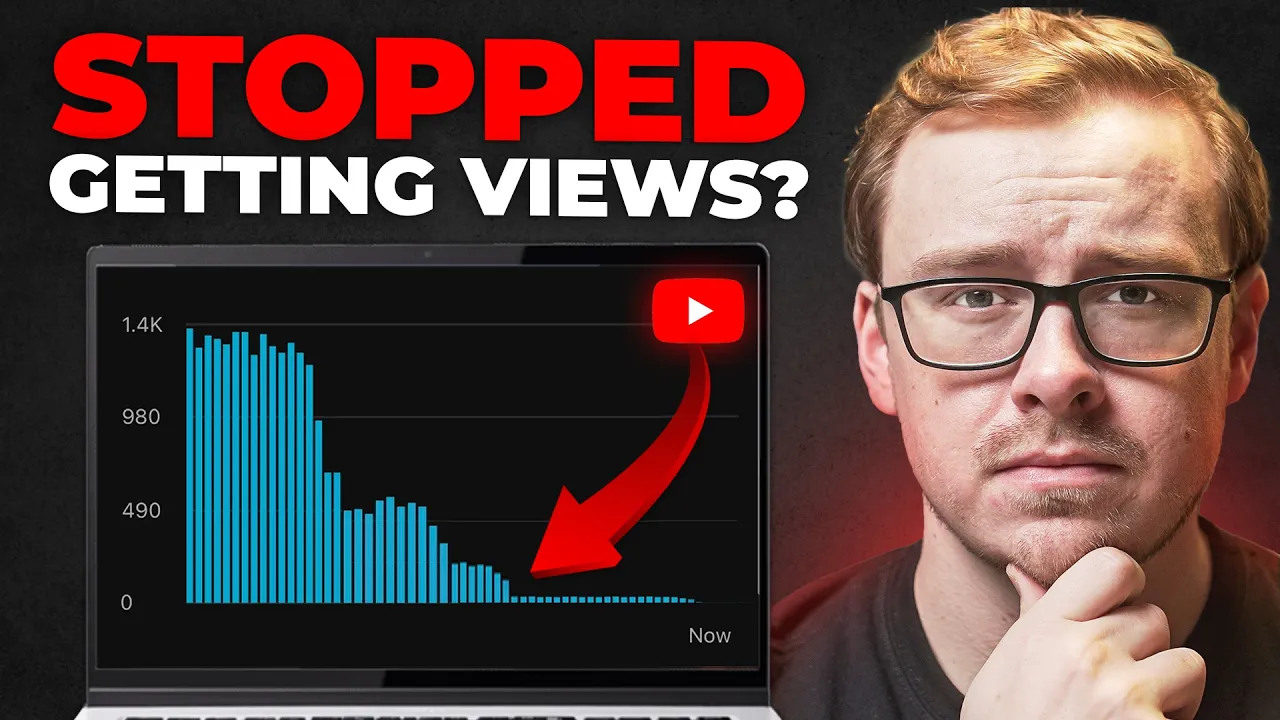
Get daily recaps from
Edward Sturm
AI-powered summaries delivered to your inbox. Save hours every week while staying fully informed.