How Cody Schneider Uses AI Agents to Automate SEO, Ads & Growth

Chapters35
Cody introduces himself, expressing humility about his influence and setting the stage for a discussion on his approaches to AI-driven SEO and growth.
AI-driven SEO and growth playbook: Cody Schneider builds fast, data-backed content systems with agents, dashboards, and compact keyword strategies that convert.
Summary
Cody Schneider sits down with Edward Sturm to unpack how he uses AI-enabled agents and a data-forward workflow to automate SEO, ads, and growth. He emphasizes pulling Search Console data into a data pipeline and then refreshing content with keyword- and product-relevant signals, often achieving 10–20% overnight lifts by weaving in long-tail terms Google signals it wants you to rank for. Central to his approach is a cloud-driven stack (GraphT with a graph MCP) that feeds a semantic layer and a knowledge graph so agents can query and reason over large datasets without getting overwhelmed by raw tables. He teaches that the real juice isn’t just churning out content with AI, but creating compact keyword pages that convert, and maintaining a disciplined cadence to avoid penalties or cannibalization. Beyond content, Cody demonstrates how to optimize the entire funnel—from internal linking and CTAs to dashboard-based tracking of organic lifts using GTM, GA4, and Looker Studio. He shares practical tactics like newsjacking, AI-enabled calculators, and landing-page-focused SEO that align with bottom-of-funnel buying intent. The conversation also covers myths and risks of “mount AI” strategies, the importance of branded search and citations, and the need to present a legitimate business presence when scaling AI-driven SEO. Throughout, the emphasis remains on a repeatable loop: data in, optimized content, measurable signal back to Google, and continuous refinement through agent-enabled automation.
Key Takeaways
- Connect Search Console data to a data warehouse (ClickHouse/airbyte) to power AI agents with context, avoiding API rate limits and token truncation.
Who Is This For?
Essential viewing for growth teams and SEO-focused founders who want a pragmatic, scalable AI-driven workflow, especially if they’re already operating branded products or software with clear bottom-funnel goals.
Notable Quotes
""This whole thing is about compact keywords—dozens of pages that sell to searchers who are actually looking to buy.""
—Cody defines the core concept of compact keywords as his alternative to traditional question-based SEO.
""We have the graph MCP... we connect search console data into cloud code, and then AI agents access that data.""
—High-level architecture of his workflow and the data pipeline.
""The best signal back to Google is when somebody goes deeper in your site and actually fills out a form or takes an action.""
—Explains CTAs and engagement signals as trust signals to search systems.
""If you're not maintaining content, it will decay. This is a living, breathing site that evolves with the market.""
—Emphasizes ongoing maintenance to sustain SEO gains.
""Good content is good content. The tool belt just changes how you create and scale it.""
—Summarizes the core message that outcomes matter more than the specific tool used.
Questions This Video Answers
- How can I implement a compact keywords strategy for my SaaS site?
- What is GraphT and how does its MCP integrate with AI agents for SEO?
- How do I set up a data warehouse to feed AI agents for growth?
- What are practical newsjacking tactics that actually move the needle in SEO?
- Can I scale SEO with AI without getting penalized by Google?
AI AgentsSEO AutomationCompact KeywordsCloud CodeGraphTData WarehousingLooker StudioGTMGA4Newsjacking
Full Transcript
Cody Schneider, you are a freaking legend. What the what the heck, Howard, how did how did you end up on this show? Oh my, how did I get Cody Schneider on the show? Oh, stoked, man. I'm nobody. I'm literally just out here doing stuff. So, uh yeah, I I don't I hopefully provide some value to some people, but I I do not feel that way whatsoever. So Oh, come on. you were so you were telling me about this uh this AI workflow that you have um where you're using search console data in this basic basically a feedback loop to go you go after easy keywords you rank for them you go after more easy keywords because now you're ranking for more keywords like yeah I was wondering if you could talk about that yeah absolutely um so it's just like a con like a classic content refreshing like you know funn basically just like process Right?
It's like I'm I'm looking at my data. I'm then going back to my article and I'm basically improving the article based on the data feedback that I'm getting. Like Google constantly is trying to tell you, we want you to rank for this. We think you can rank for this, right? Like the and super easy one for anybody who's listening is like go look in page two, page three, and like you're going to find, you know, if you're actually investing in SEO, hundreds of keywords that Google's basically pointing at you and saying, "Hey, I want you to rank for these, right?" Um, so my process is super simple.
I basically just like find these longtail keyword phrases that are related to the product. Um I'm going to be talking specifically about like SAS SEO um because that's like what I've been doing for the last, you know, seven years of my life. But could talk about ecom, could talk about just like content sites as well because I own those. I've done the I've done ecom before as well. But um on the process side, it's basically like look at my top performing articles. you're going to find keywords that you're accidentally ranking for that you don't even have on the page.
Uh if you add a section or figure out how to weave those in, like you can get a lift typically in like 10 to 20% like overnight just by including those in there. And then um the thing that I find then that to extend that is you basically take that content uh like once you've made that modification, if you don't go to page one for that keyword phrase, then at that point it's like, okay, I need to do like a supplementary article. a link from that page to that new article. Um, and then that will then enable it to basically like pass that on.
Um, and then what you'll see is that that page then will start like it'll start to rank for that keyword that you get into rage on the yeah you know on on on page A. That whole thing that I just talked about how we do this now is like entirely through cloud code. So what I'm doing is basically I'm connecting my search console data into cloud code. This is like why we built this company um called GraphT. It's basically how I do it. We have the graph MCP. Um like art source console has a really like large amount of data.
Um so you have to do basically a data pipeline a data warehouse and then give your AI agent access to that data. Um you could do this by hitting the search console API if you have like you know not a huge volume of data. Um but it gets to a level basically where the API you'll hit rate limits like you'll hit page nation issues where you have truncation and then also you hit like uh basically um a uh like a token like a context limit window. Uh so at some point you basically have to build the the data pipeline data warehouse solution.
The open source version of this is you can set up what's called air bite and then uh put that into a clickhouse data uh data warehouse. Um those are both open source. You can run it on something like a railway.com. If you go to cloud code and you're like help me set this up, um it'll like do it. Uh where it gets tricky is when you have like multiple data sources or you have like a lot of the times you'll see like duplication errors that'll that will occur uh like within like it the air by writing to click house.
Uh so uh but those are just like different ways to do this exact same thing. So but yeah on the refreshing side once you've done that refresh um I then go and try to like track it. So it's like cool we've modified these you know whatever 100 articles uh let's look at the uh like organic lift that we're seeing there uh you build a dashboard around tracking that and then basically again go through that loop. This is actually I think the most valuable thing to be doing in this like AI era of content. Everybody right now just like yeetss out articles which is like awesome cool like hope I hope they're relevant to your core product otherwise it's gonna like you know you're going to get absolutely nerfed and clapped.
I mean, I we we've owned sites and I've been experimenting with this since like, you know, GPT3 got okayish enough to like be able to do this. And what I've always found it comes down to is like is is there branded search happening on the website and is the content relevant in all in in some way to like whatever the product or the kind of niche that the article is. And if you're just like writing about random [ __ ] and people the the example I always use is like looking at HubSpot as an example, right? like they had all of this content that was like not specifically relevant to like CRM or like you know their uh integrations that they have and so like if you look at when the correction happened on their site like majority of the articles were like random business articles like what to how like how do I get a raise and like stuff like that right contrast yeah exactly and like in contrast if you look at you know the the content they're still ranking for effectively it's all related to CRM it's all related to things that they integrate with like how to Gmail and they'd have like a you know a whole category around that and so they even said at their inbound conference they basically said like we effed up we're going to focus on the bottom of the funnel like totally totally like that's the whole point that's the whole point of why you're doing SEO especially for a software product or like ecom like you're trying to make a purchase occur like in some capacity right and so everything that you're doing it needs to be like relevant to the product it's not just about getting traffic it's like it's not just about getting impressions it's like purely about like the user lands on that page and then what's the user action that I can get to occur, you know, after they hit that page.
And so this method of marketing is so effective, I had to make sure it wasn't against Google's rules before I kept doing it. It's a form of SEO I call compact keywords. Whereas most SEO focuses on putting up articles to answer questions, how, what, when, compact keywords focuses on putting up dozens of pages that sell to searchers who are actually looking to buy. These pages rank on Google and convert so much better than normal that when I discovered this years ago, I couldn't believe this was allowed. It's less work, too. The average compact keywords page is only 415 words.
Compact Keywords is a 13-hour deep course on getting sales with SEO. A customer recently said, "Each lesson is dense with information. You're giving years worth of experience boiled down into 15 to 30 minute lessons with no filler or fluff. I feel like I'm gaining a new superpower. Compact Keywords is about setting up an SEO funnel that brings you sales for years and years and years. It works with AI. It's less work than traditional SEO and it makes way more money. You can get it now at compactkeywords.com. Back to the podcast. Yeah, man. That's kind of the highle workflow on it.
I I mean you could scale this up, scale this down. So So could you talk about this? You're not You're not doing articles. What are you doing? The AI isn't doing articles. What What are we doing articles with AI? Yeah. So with with the first the first version of the of the of the piece of content is AI written. Um we but our process to do this is I will find a target keyword phrase. A lot of our stuff that we go after is like X verse Y, X alternative, you know, X review, like a bunch of these bottom of funnel that are related to other products.
Um, you take that target keyword, you find what's ranking on page one currently. I was just geeking out this morning because Cloudflare just released their like scraper that returns like entire HTML sites in a JSON format for you that you can use, which is insane. But basically, um, I will go and scrape what's ranking on page one of Google currently. I'll put that into the context window and then I'll interview myself for like 30 minutes talking about that specific category with my personal opinions, with my personal experiences, where I think the market's going, you know, just kind of like a corpus of information that's relevant to that content.
We use both of those as source material and then we write that article for that target keyword based on top of that. What I found is when you do that, you're basically pulling in, hey, Google looks like at content that it's like this is a good answer for this query. We have our personal views, our personal take based on this. And then we basically have like an agent loop that runs over that where it's like, okay, how are we doing internal linking with these articles to the relevant ones? How are we adding, you know, uh internal links to the homepage of the site in the last, you know, paragraph of the article so that it's like we're passing that on on this traffic.
And then on those the the con the blog content that we're publishing, uh then having uh call to actions that are scattered throughout them. So after the first paragraph uh when you scroll down 25% um you will have a popup occur uh scroll down 50% scroll down 75% have those CTAs and then different CTAs uh being injected from a design standpoint like right now I think on the site if you look we we have the same CTA where this goes is like to you have multiples that are that are happening through it that call to action is sending to the signup flow I'm then tracking that uh those signups that are occurring from the pages uh you can do this with Google Tag Manager um uh and Google Analytics 4.
Uh so Google Tag Manager, you basic basically set up a conversion event, a custom conversion event for when that signup happens, you push that to the data layer and then within Google Analytics 4, you can you can uh you can do this in Looker Studio. You can say, okay, they you know, they landed on a landing page X and then they like created a signup event and I can tie that to the blog post. So I can say okay um like filter uh landing page URLs that contain blog and then show me signup events that have happened when they landed on one of those landing pages.
And then you can start to see trends that are happening within your own data where you're like, okay, when we talk about, you know, for example, Facebook ads. Um, like we see that that creates signups at a conversion rate that's, you know, 2x higher than when we t uh than when we talk about Google search console, you know, or what whatever else that you integrate with. Um, and so that's on the blog side. Uh, if you're doing looking at like landing pages, we could go that direction. I could talk about tool generation, which I think is the biggest opportunity right now with like AI.
um like the ability to basically like build out calculators or generators at scale super easily, super quickly. They're just like also just a great link magnet strategy that just like naturally builds links as they start to rank on page one. Um and then you can like pass that, you know, onto whatever your money pages are, etc. Uh but yeah, happy to dissect any of that for you. Edward, you told me too that you were putting TLDDRs above the fold like right there so that people get their answers right away. Yeah, that that I found to be such a like powerful thing of like I it's like okay, what I'm looking for is here and like what we'll see is that we als we'll start to get lift within AI search as well because it's like this like you know it's a good it's a good like written piece of content that I can it can just pull from.
It doesn't have to like go through the entire site and then like kind of create its own answer. Um, and then also because that's there, like you can have this as a call out. This is probably the best way to do this where it's like a different color, you know, background and it's kind of like, you know, some type of text stylization, but then the eye gets drawn there immediately. And then below that, you can have your CTA. And so it's like the natural progression is like, you know, I I hit the top of the page, above the fold, I have this like call out, and then right below that, it's like, okay, here's my CTA for whatever the action is I'm trying to get the user to do.
Um, I think that free assets are still the most slept on thing in the world. Um, I actually stole this from you, by the way. I've been using this a lot, but like buying a really brandable domain is super valuable if you're just trying like especially on social content. Um, I think I pulled this from I can't remember when I saw you talking about this, but basically like short form content, brandable domain, and then that's where you send them. I It might have been linking for an affiliate. I'm doing that for lots of affiliates. Yeah.
Yeah. Cool. Nice. Yeah. So, anyways, we've just been doing that. I dude I literally did that for my for my SEO course, Compact Keywords. I have compact keywords.com. It goes to edwardstrom.com/compact-keywords. And it's so much it's like so much more catchy to say. 100% 100%. And so, like, for example, we just did this for gtmineeringcourse.com. Um, this is like our whole content marketing strategy for Graph is basically like here's how to use AI in your go to market workflow because it's like I I don't really even touch keyboard. Excuse me, I'm just getting over a cold, but I don't really even touch keyboard anymore.
I'm just like cloud code is doing all the middle work for me basically. Um, and like how that happens is you're you basically like put all of your API keys into an environment file and then you're like claude go do this thing for me and it like through the APIs does the activities for you, right? Um, but the uh so anyways, GTM engineering course I like call it out in videos or like whatever it is that I'm going on and then it's like a very memorable domain. They go to it and then that turns into it.
I think there um like these downloadable assets with like some type of promise like within those blog post articles is such an easy way to send a really high intense signal to Google that like oh like this person is finding this valuable they just gave their contact information to this random site that they just landed on. Um, and I'm always trying to look for that some feedback loop and some some, you know, uh, uh, like some signal that has like, you know, some feedback loop signal that I can send back to Google. Like we used to focus a lot on dwell time.
Like that was something like, you know, are they even going down at the article like I I would turn on scroll tracking. That would be like firing every 10% going down the site as like an event that would send that back. Um, I I've seen that lift sites like overnight by just doing that. It's been a while since I've I've done this like where it's like go in just turn on scroll tracking and like watch the the pages increase because it's like now it's like like oh user is actually going deeper right and like that that signal is going back to Google Analytics 4 that lives in the ecosystem in Google like we think you know my like experience has been like the more signal that you can send to it the better the page does.
Um, but anyways, that that deeper piece of like is somebody going and like filling out a form. We actually we talked about how like clicking clicking a button and going to another page. We both believe that to be a very positive signal. Totally. I think it is. Um, it's it's just like you're going deeper into the website, right? So, it's not like this kind of like superolous or or or highle like, oh, it's just it's not just a content page. It's like, oh, I'm driving them somewhere. And then that that really just I look at it like it's signaling trust, right?
Like somebody obviously is looking at this. Um they're clicking on something to go deeper into the website and they're landing on a page that's like a form and then a percentage of them are filling out the form. So it's like they're it's just a great trust signal in my opinion like sending that back to back to Google. Also, I just it's the whole point of why we're doing any of this SEO like is like I'm it's like I'm trying to get them to sign up for the product on ecom. It's like I'm trying to get them to buy the product.
And if it's a content site, it's like, you know, a lot of the times you're trying to get them to whatever you're going to do some type of CPA, right, where it's like cost per lead. And so, a lot of the times it's a form as well, right? Um, but it just depends, I think, on on like the goal of the company. Um, but uh yeah, man. I I I think that people were like, "So is dead." I'm like, "It's the golden age right now." Yeah, dude. You like also like anybody that talks about like, "Oh, you get uh the quality that you get out of AI is terrible." And I'm like, "Okay, cool.
Show me like what you're prompting." And they're like, "Write me a blog post about X." And I'm like, "Okay." Like, "Of course it's shit." Like, it's of course it's terrible. Like when you think about how LLMs work, it's like that's just writing to the average of the bell curve, right? But in contrast, if I go like I I always give this example like on an email newsletter, right? Like writing like if you're like write me an email newsletter, it's terrible. But if you're like write me an email newsletter, like you're the top one like you're a top 1% direct response marketer, right?
From the perspective of uh educational and uh like conversational. Um, I want you to focus on like soft selling about 75% of the way down the like the piece of content. Like if you if you can basically like contextoriented and then also give it a sandbox of like here's the content to pull from like and it could just be a transcript a lot of the time like there's it can just be raw data that you then like you write based off of. the output quality that you're going to get from that is going to be like top 10, top 1% in comparison to you doing this like very mid, you know, just like write me thing.
And the other way to think about this is like if you're a software engineer and you go to like one of these like vibe coding apps and you tell it what to build, right? The outcomes that you're going to be able to create with that is going to be so much better than somebody that like is just going in and has no technical like language or knowledge to be able to like get the agent to do the thing that we're looking for. But for some reason, people don't like equate that into marketing. They're like, "Yeah, I'm good at marketing." But it's like if you don't have the vocabulary to describe like your like how you're good at marketing or the like the technical language that's necessary, the output quality you're going to get is going to be super super average.
So, it's not actually that like you don't know what you're doing. It's you don't know how to explain what it is that you're doing with language that can like transfer that knowledge or that expectation into that agent that's doing that work for you. So, but yeah, I' been happy to answer any of the questions that go. That's why that's why doing those like 30 minutes just like stream of consciousness speaking is so important. I I've been talking about this. I just started this uh this new venture which I'm funding. It's using my SEO strategy to grow and we're we specifically we're going into a niche where people don't want to vibe code their own solutions and a niche that also has bad SEO.
So, we found we found that niche and we're making the thing right now and it's a lot of fun and I I have like a really talented operator just doing all the work and I'm advising him and and paying him and you know he's going to get a lot of money and equity and um before I even started this venture I did one of these 30 minute stream of consciousness just me speaking to Chachi PT kind of about like what I want to do is this possible Chachi PT was like yes it's possible I had it give a prompt for agent mode to find previous cases of like ventures like this.
And actually I I learned that like Steve Jobs, he acquired Pixar had 70% of the company. I believe he gave 30% to the employees of Pixar who thought it who had this crazy idea to make like CGI films. They wanted to make CGI films and so they were getting 30%. Steve Jobs was also paying them and like he was advising them and like we wouldn't have Toy Story without Steve Jobs and Steve Jobs owned 70% of Pixar and then when they were late really late on the product he he kept on giving them money and basically bought all their equity and he ended up owning 100% of Pixar but like I I got like all of this stuff and then I learned like how I could do it with his company and that's why these stream of consciousness like you got the output you get correlates to the input that you get that you totally it's garbage in garbage out is kind of the classic right and I I think that like what I've how I think about it when I'm using any of this AI tooling for like any amount of my work is like I'm trying to create like the sandbox that it lives in of and how you do that is you you provide all the nos basically like these are all of my nos and then it creates this like space that can exist for like what does a yes look like right and this is like how I personally kind of like approach it like framework-wise Because what I found is like if I'm like do this, it kind of just creates this like it could go anywhere, right?
It's like this like it's like it's free range at that point. But in contrast, if I'm like, "Okay, here is this like walt garden that you can live within. Like here's the resources that you have available. Now go do this thing." It's way more likely that I'm going to get an output that like I think is, you know, what I'm looking for from a quality standpoint. And this is like the thing with these agents is that they can do anything. So they will do anything. So you have to like create that that boundary for them to live within.
So have you found that it's that you get um higher quality content if you will have the agent write basically section by section instead of the whole piece of content. Yeah, absolutely. Um like basically you know how we used to do this when the it depends on the model you're using honestly. Um, like we found that for example like Google uh Gemini 2.5 writes really good content for some reason. Like it's unbelievable. Um, in in in a specific like specific sandbox. So the raw model is kind of [ __ ] but for some reason if you do it in like a Gemini gem, it's just incredible.
Um, and we you know large, you know, I just think that's like it trained off of the front page of Google. Like so good quality articles are on the front page of Google. So of course like that's going to be like the best like like output that it can create. But like if you're looking at writing that content if you you really want like a super high quality output, you can do like okay write here's the source material that's already ranking. Write me an outline based on off of the source material. And you can even like tell it like, hey, I want you to like, you know, we're trying to incorporate everything that's within all of these articles into one to so it's like more like a skyscraper piece of content.
Um, you have that outline and then you're like, cool, write section by section, write section by section. And then you can go back over the top of that again and then you're like, okay, what did we miss here? How can we make this like like basically improve it? And you go through a couple cycles of that, it's going to like think especially, you know, it's basically going to think through its actions and like what it's done and then like improve that article quality off of that. So, um, some of these models now are like so good though that you can just like have it first try.
It really depends on the harness Edward like so the when you look at claw like claw opus 4.6 if I just go straight to the straight to the API and I'm like write an article that like section by section is going to be like necessary for it to like get the quality output. But if I put claw, you know, if I put opus 4.6 six into the claude code harness. And when I say a harness, all that is is like basically like it's all this tooling for the agent to use, right? So I think cloud code has like 38 tools that the agent can call so that it can do like recursive loops and like think through things, etc.
And so you have the raw model and when you put that into that harness, what ends up happening is that you it just like it gets smarter, right? because it like it basically it it knows how to like interact and use that harness like the harness is built to like use that model at its like full capabilities. And so the challenge then comes like okay how do you get that harness to be how can you use that harness with that model like like at scale. So we just found this like two weeks ago but um Claude has an SDK for the the claude code agent harness so you can just use the harness wherever you want.
they like give you access to it and then there's these models that are open source that are basically training off of Opus 4.6. So one is uh Miniax 2.5, right? Like Opus drops uh Miniax 2.5 trains for 90 days and they release it. If you turn the temperature all the way down on Miniax 2.5 and you're like who are you? It's like I'm Claude Opus 4.6. Like it literally responds back like that. It thinks that's what it is, right? Um, and it's 120th the cost of Opus. So you can hot swap the model, but put it like this this open source model, but put it in this harness and then have it write for you and the content for you in that same harness that's creating the unbelievable output.
And because the model is basically just a clone of this, you can you can basically, you know, get this this work at 120th the cost, right? And you can you can run this whole thing without having to to like run cloud code locally on your device. you can run that in the cloud and so that you can basically like have that agent in an agent harness doing the activity for you running in the cloud you know doing whatever that content output is. So just some like random stuff that we've been experimenting with and like I I don't have awesome workflows for this honestly yet but like this is where I see this going is that like just the raw model like and this is the the the con you know the comment that I always see coming back from people is like when I just you like when I use chat GBT or I use you know claude or whatever and tell it to do a thing the the output I get is way higher than when I go to the raw model.
So that output difference right that you're seeing between like the chat UI and like what you know the raw model provides back is entirely the harness. So you need to basically think about okay like how is the how is the raw model sitting in a harness which is like they call it an agent harness. How's it sitting in that agent harness? And then how am I then like how can I basically get that to run in like a cloud setting and that's where you're going to get the best like output quality that feels like it's like coming out of you know the UI version of the tooling.
So, can you talk about some wins that you've gotten doing this? Yeah, totally. Um, like I mean the I think the big thing I I mean I'll just say it like we I I don't think that like people are like don't publish too much content. And I totally disagree. Like I'll publish a lot of content. There's a threshold, right? Like I'm not like going to go publish a million articles, but like I'll publish a lot of content. Um like good content is good content. Full stop. People are like, "Oh yeah, these ranks that and then they like they they you know dramatically decay and drop after." And I'm like I don't agree with that.
Like if you're publishing good stuff and you're refreshing the content and you've got like people going deeper into the content um like you can very effectively like get a lot of traffic really quickly. Um I mean I'll talk about a link building strategy that I think it will be like fascinating to people. So we do link exchanges all the time. I just own like a portfolio of companies, right? Um, and so like one site, uh, I think it gets like ah ref traffic of like 10,000 a month. Nothing crazy, right? But you can run Twitter ads right now and be like, "Hey, I want to do like a link exchange and you literally just have it be a form and I do global targeting to the you like the world and I put the the max CPC bid at 01 cents." So, I'm getting link clicks at like 0003.
And then it sends them to like literally it's just a form that they fill out where it's like name, email, like what's the URL of their company. Then you filter like which has the highest value links. And then I have this like like basically I'll link from their site to like the asset that I'm trying to build the link to. And then I have another asset that I link to their site from. So I'm not it's not like a link swap. It's like you know basically it's it's like three sites that are interacting with each other.
But like that is just like a really easy way right now to like build links at scale. Especially if you're like, "Oh, I'm like only looking for software links." But ju to to take a step back and like talk about the like the the the articles like I did work for this company. um they're now a funk so we can actually like talk about them like in like particular uh company um they were they were AI spreadsheet tool and um they were basically like h how to excel was like the the the the keyword category we went after we took it from like zero to 400,000 clicks a month um in like 12 months um and it was entirely just like this exact process that we're talking about um but the person who now the company is called the brick I don't even know if the website's still up, but the person who was running it now has left.
And so like it's just like falling off a cliff because nobody's maintaining it. This is the this is the thing that I think people don't realize is like you have to maintain all of this content, right? So it's actually like it's not like I just publish once and it lives. It's like this is a living breathing piece of like a website is a living breathing thing. And so if you're not maintaining all this that you're writing, it's like it's of course it's going to go to zero, right? Like you have to you have to like show that this is like not a decaying thing, right?
It's like it's it's evolving with like the market with everything that's happening. So I think with top offunnel content, but with a lot of bottom of some bottom ofunnel content, you don't necessarily have to do that from what I've seen, but top ofunnel for sure. For sure. But I think that just like publishing on the site too, like is like another piece of this of like, oh, are you regularly like adding new stuff, right? That's like that feels tangentally related to like what your keyword portfolio looks like currently. And like this is it could be offset if you're getting links though like if you have like a if you have like I like tools that have a share feature and people use it and then they share and then you're getting you keep getting links like that and that could actually offset it.
But yeah, yeah. I I think something else that's like again just rand because so everybody's talked about like you know how do you do PSO, right? Like I I feel like it's such like an exhausted like I mean you know it is it it is but like people very consistently do it wrong and I'm sure you see that I just I literally saw that today. Someone was DMing me on Instagram like talking about how how they were hit. They got a manual penalty on their previous site. So now they're starting another programmatic SEO site. Totally.
Totally. And it's like I I'm actually like I'm more right now like it's two things I'm really interested in. Like newsjacking is this thing that I I love newsjing. It's so good. And like so basically just for the audience like newsjacking is like okay what's a topic that's relevant to my like category my audience that's happening right now. and I go and I collect all the information that I can I can find about this and then I basically like write an article based on that and then you can promote that on social but what ends up happening is and when I say promoted it's like you're literally like like this is happening here's everything I learned if you want to read the full article here it is right um but what happens is that you'll get like a little bit of traffic to that and because there isn't a like a piece of content that's like ranking already for that like the that the SERs aren't solidified yet.
If you write a good article, you can go to page one for this. So, you get this spike of traffic initially and then that like finds its equilibrium, but you can like stack these up and and spin them out like as like so fast, right, that it it it's actually like a really a super powerful way to get traffic, especially if it's like relevant to your content. Like we we've seen like great click-through rates on these as well, but I'm curious to learn from you like the newsjacking side, like what how how you got how you approach it, how you think about it.
Uh I mean the an easy example Oh, I don't know if I can if I can say this. We did something with COVID and uh it was like um we showed some COVID stats for one of our projects. This was this was uh yeah, we showed like COVID stats and it was like we had a a remote we still have the tool and still makes money and we but we we were going harder on this tool, a remote work tool and at the bottom of this we we launched it on Product Hunt. It went it was super popular.
The the co stats was super popular and at the bottom we said um are you in are you working from home? try our product and it linked to our linked to our product and it got a lot of interest, a lot of users. Uh, and that was very clear example of newsjacking. Everyone cared about this one thing. We gave them what they wanted with the one thing and we redirected them to our thing. And uh, yeah, that was that was an that was an easy example. I mean, I constantly do it with my videos as well.
Yeah, totally. I do it with the videos. I mean recency in terms of new like if there is some breaking news in SEO. I'm going to be one of the first people to make a video about that either on social or on this podcast as well. And um but I think the co one is a very clear example of newsjacking. You take something that is going viral. I made h I don't remember how I use this but I when those people were when that submarine was lost at the bottom of the ocean. I had a video that get got like 700,000.
I think I made like a podcast about like how it could be used for marketing and then I had I made a video about that on Tik Tok. It got 700,000 views and I said go listen to the podcast to to hear more. Um yeah, newsjacking. Oh, it's amazing. And I It's so easy now I think as well. Like I have a friend and his entire like content strategy is basically this. He he owns a uh it's like a AI detection software for like images and videos. And so it's like news goes viral. He checks all the videos and like all the images that are like showing up on news sites and then he basically is like oh this is like all AI generated content.
like the an example would be like the guy in the Batman costume that was in like the turkey riots like it was like a fake image but like every news art you know outlet was using it because they thought uh it's just an unbelievable image right like it's like it it's going to sell and so but all like he just basically was like they take that and then they do a PR pitch where they're like cool this like image went viral and now they pitch it to a journalist of like here's what's you know this is how uh AI content is totally changing uh the uh um like basically the trust that you can have and they pitch a journalist on this and it creates this like like perfect flywheel around it.
So, and I think that's like you know something else to just talk about like so so often like people just like think about like you know organic content as like SEO, right? Or like or or I'm just trying to get like traffic from Google. There's so many like you can do these PR like plays and like do these other like more social type like strategies and get a a crazy amount of content and then when you layer that with the SEO side of like okay cool we're talking about what um you know one did recently was like talking about Manis uh they released a Facebook ads integration to like upload um well you can basically like ride that news cycle but then also like get that article to rank for like that that keyword phrase, right?
Um, and and that combination together is like actually so much more valuable than just like only focusing on just the SEO stuff. But it just takes more work and I I feel like that's why people don't do it. But as it becomes easier and easier to generate just like content at scale, right? And like good content at scale. Um, that's purely focused on the SEO piece. Um, like I think you're going to have to think about these cross-sections more of like how am I getting like social traffic to happen from this as well because otherwise it's just it's it's going to become just like you know red ocean like from a competitive standpoint.
I I'm curious like do you guys talk a lot about like AI SEO and like what what's happening there and like how to how to like strategies around that or is it mainly like a lot of people who come on the show who who talk about it? Yeah, we talk about a lot actually. I made a recent episode about it too just a solo up. Yeah, I I I think it's interesting, but like I I I feel like people are just over complicated and it drives me nuts. And so I don't know if we want to go in that direction, but like the only thing I've seen matter is like you show up in the citations that chat GBT or like like Claude is using, right?
Oh, you mean like you mean generation optimization, not doing with AI? Oh, yeah. Oh, talk about that non-stop. Yeah. Yeah. Nontop. Yeah. Yeah. And I I I I just always get so frustrated. Like you see these people and they have like this like crazy PBN network that they're doing and like all this. Like my brother in Christ, I promise you. All right. Like if you just go and look at the keywords that you want to rank for and the citations they're pulling from and then you email all those citations and you're like, "Yo, I want to get my like self added.
I'll pay you $500 or whatever it takes to get on it." Like overnight you can make impact on just by doing that. And but for some reason people like have like it's like they think it's just brand mentions, man. Like that's the only thing that like matters. Brand mentions on the citations that it's actually pulling from. Um and so anyway, I just I actually think that it's the easier thing to do than like tra like traditional SEO because like traditional SEO it's like, okay, I got to do keyword research, then I got to do content research, then I got to do this publishing, then I'll do this.
And it's like really it's like, oh, this is actually just an outbound strategy. like can I just basically like it's link building basically but very strategic like citation link building. Um and so anyways I I was talking to a friend he owns a one of these company or I know a couple of them that own these companies that are all competing on like AI SEO optimization or like GEO or AO whatever you want to call it and all of them are like yeah it's the same dude like you can publish content on your own site as much as you want.
Um, but like if you're not building these citations with what it's already being cited, like if you're not getting your brand added to that, there's just like you can't make any impact in comparison to it. So, um, anyways, just other that's a that's a cool take. You know, it depends on the prompt, but yeah, for a lot of prompts like you're you're so right. just get added to like find out like look at the QFOs, look at the query fan outs and find out the articles that are that are being cited the most and then get yourself in those or sometimes you see that like you have like many prompts that you're that you're looking at and you see that the same article is appearing is being cited all of them and yeah you just get yourself in a top spot whatever I'll pay whatever it takes and you get yourself you can rank you can rank stack those B like juer like what you just said I just want to piggyback off that so like it has that query fan out, right?
That occurs and you you're going to start to see like within the corpus, oh like the article X, you know, is is 180 like times from a citation standpoint within my, you know, keyword fan out that's occurring. You can start to rank stack those and like a lot of the times you're going to find like, okay, maybe it's 300 citations that are existing within the niche that you're in. If you just get those top 10 citations that are referenced most often, like you're going to see an immediate lift in the traffic that you're getting just by going after those top 10 citations.
And so you can prioritize that and like basically rank stack them against the rest of them. It's not about like the amount of citations that you have. It's to your point, it's the it's the citation relevance of like how often is this being pulled into the query fan out. So I want to go back to your um automated SEO strategy because I think a a lot of I know I know a lot of people care about that because I've seen that in the comments a lot. Um, and you said very interestingly, you know, like there's no such, you didn't say it wasn't this and there's no such thing as publishing too much, but it was almost like yeah, like I go really hard with velocity.
So, um, I want to ask you like, are you doing this on brand new sites? Are you doing like what kind of sites are you going hard with velocity on? What would it look like on a new site? And what would it look like on a site with lots of branded searches and a strong backlink profile? And then like like do you have limits for how hard you will go? Um, and like how often are pieces of content being updated? What like it like the time frame for the recursive loop and all of that stuff?
Because this is something where I think a lot of people can e do screw it up and hurt themselves. Yeah. So, I I would only do this on a site that you're getting branded search for and that you're seeing branded search increase like month over month. Um, you can you can kind of do this with exact match keyword domains like we've I've experimented with this. I've seen this work. Like I I buy like XYZ generator like.com domains, right? Um, and then you build like a a tool basically that's on that homepage, get that to rank for itself.
A lot of times you can get those to rank really like super cheaply. Like I've paid like, you know, I bought like 10 DA50 backlinks, right? Or like and gotten those to go to page one in like 30 days. Um, and then you can build content like on the backs of those. And I've seen this work. But majority of the time what I'm doing is like this is a branded site that that is like it looks like a real company. It looks like a real business. And then I'm going and finding like all of the tangentally related keywords that are like a part of that product and then basically like writing based on that.
I'll go in and like we'll publish like 10,000 articles like to a newish site. It has some type of backpoint link portfolio, right? Um but again this is like 10,000 articles and and and and what period of time will these 10,000 articles come out? A month a month. Yeah. like a month. Yeah. Um and then and so you'll go from So will it will it go will it be linear or will it be a curve? It's going to be a curve always. It's typically like we see some bump uh that's like small um and it'll we'll just be bouncing around in the SERs and then not not not the traffic the the publishing velocity.
Oh no, I'll I'll go we'll go I'll dump all right now. And again this is like me I'm not suggesting doing this. Right. Okay. this is like what we will do and like what I will do and what I'm comfortable with doing just based off of everything I have. I I don't want like somebody to listen to this and go and just like nuke a site. Um but like this is what we will do and like this is like based off of our whole writing process like all of our research process like we know that we're going to manage these in the background.
Um but I'll I'll dump all of those simultaneously. Um what we'll see is that the it will like a couple of them will start to like trickle in with traffic. they'll bounce around as that signal gets like more healthy with Google. Then we start to see this curve in impressions and clicks that's happening. Once we hit that curve, that's when we start going into the rewriting process. We'll do this on like a monthly cadence. Um, just looking at like the best articles. Um, and then also the articles that are falling off. Um, and then the other piece is like naturally like you'll find that there's some of this content that just like it doesn't feel like it it should be in that catalog anymore.
And so then we'll know index that or we'll just like like I I try not to draft it. It's like I don't I don't want to make a 404. Um if we do draft it then we'll do like a 301 redirect you know to the homepage or something like that. Um but the the bigger thing here is then at once that happen like once you start to see that curve lift then it's like okay now we're trickling out articles. So this feels like a blog that's like coming and and my thought or philosophy here is like this is like how like sites initially get launched is like you typically build out a whole website.
it has like all these pages and then like that all gets published simultaneously right um and then after that then the site like gets managed it gets updates it gets like you know it gets like molded get I'm not suggesting doing this I don't want anybody to like no no because the reason like you you've heard of you've heard of the term mount AI yeah absolutely yeah so so you basically like it works you get a huge spike of organic traffic and then Google slaps you and you get hit and you go way down and you can't like rank at all and so but but you're you've said like you're not getting that and so I want to ask like what you are doing different to avoid that and maybe it's just the content maybe you actually are are you this your signals are so good because you've figured out how to actually perfect too like like I think it you know we're answering the query that's like the biggest thing and we're not like for a lot of it we're not writing from just like the AI's general knowledge.
It's like again pulling in that source material. Google's telling you already like what is ranking, right? It's like why aren't you writing based off of what you're rank what is ranking, right? And then putting your own flavor on it like that's like you again that that that that combination. The thing that I again I think is the big with with the mount content like the mount AI content like a lot of the times it just is like I'm going to go after everything right like they're just like I want as much traffic as I can like we're being really deliberate with what we're picking right like it's like oh these are integrations that integrate into the software product right so it's we're writing content that is very like tangentally directly related to the Yeah.
But you said you're putting out 10,000 pieces of content. How how like deliberate can you be with choosing keywords for 10,000? We we spend a lot of time like picking like going through like these pieces like I have a team member that did this and like I they spent like basically three weeks like all they did was just filtering this down like how do I not is it is it manual or or do you have it's accommodation? Okay. We did it with cloud code and basically like you know set up a DB that has all of it in it and then with like over the top of that basically like trying to map out okay here's how this all fits here's how this clustering should happen.
Um but again I if you don't like we've been I've been again doing sites like this for the last whatever like since 20 o would have been since October of 2022. I have had an absolute ridiculous amount of sites collaped. I've intentionally tried to get them clapped. Like what is the threshold of this? Um like just like everybody that's like experimenting with this. Um if it is a critical part of your business, if SEO drives 80% of your revenue, like do not do this, right? like you don't want to risk it, but like in the beginning like for again for us um and like if I'm going off of a new like software product like category if the content is relevant and makes sense for it to be on a site like this and we write good content and like follow that process like we'll see good outcomes come from that and so anyway yeah I are you siloing Google search consoles?
Sorry, No, I'm not. I'll have them uh I'll have them be uh like connected into the same. Um I I honestly I'm like not really like I would say super sophisticated. Like I I have friends that like run you know all they do is like affiliate niche sites, right? And it's like everything's tened, you know, every tenant has its own like you know basically like I mean they'll they'll like tunnel in with VPNs and [ __ ] to access all this right. So you're still sophisticated than so many more people and uh like you like you said you have been toying around with this for many years.
You are like I've had psychos to zero right like I've like we built but you've also had massive successes and you probably at this point know how to avoid uh getting clapped. I think so. I think like still manual penalties are a huge piece like and there's you can probably tell I'm like dancing around some questions cuz it's like I've seen friends be on [ __ ] like this and it's just like bam you know gets absolutely slammed. Um but the so the caveat is like don't do it don't do it with a Well, but you said you're also hubous about it.
Yeah. But you said but you said you're doing and I'm not trying I'm I'm I'm only digging deep because I like to find out like what works, what's the best absolutely and I want to share that as much as I can. And and you said you're doing this for brands that do what have like strong brands, existing brands. And so like it could be ones though too. Like it's like if you know you're going to be investing in the brand of the product. Like for example, we're doing this one. It's like a it's a um it basically extracts emails from like websites as you like it's a Chrome extension, right?
It's just like a random portfolio project side project thing. Um like I know that we're going to like turn on Google ads and Facebook ads. that's remarketing constantly to the people like that touch the website. So, we're going to have branded searches increasing over time as time goes on as like, you know, the product gets used more and like basically we like build that funnel more. Um, so with that, I'm like way more comfortable with doing this because I'm going to have people that are directly searching out for this product, they're coming back to the site, they're signing up, they're like, you know, they're paying us like Google's watching all of that.
Like they it looks and feels like a real company. The thing that I think that a lot of people do, especially like with new sites where they see like, you know, the mount is it's like this has this is like the footprint on this company doesn't even feel like a real organization, right? Like if you look at this is like the about page like isn't set up. There's no privacy policy. They don't have a LinkedIn. They don't have a Twitter. They don't have any social signals. Um the the person is a you know like an anime profile pick.
And then they're like, "Oh, I don't know why like this isn't working." And it's like, "Well, you're not getting branded search. this doesn't look like a real thing and like you're writing about stuff that is irrelevant to your core company like like of course it's not going to continue to work like it looks like it looks and feels like a spam site right yeah and it's bad content that people are pogo sticking on totally you giving the the tlddr above the fold is so major I I think that it's such an easy thing to do because it's like oh you're just answering the query like answer the question like the whole point of content is to do that right and then you get this like you know you as the writer, you get the small little percentage that goes deeper into it, right?
And it's like, we'll see like if we can get a site to do, you know, 5% of the traffic like turns into a signup, right? Like then we're doing unbelievable, right? Like that's like my target that I'm trying to hit like from like a blog post piece of cont. It's different for like landing pages and that's like a whole, you know, we could go down this like whole rabbit hole of like, you know, just going like building landing pages like which is actually probably a better outcome. like it's a better if you're if you're trying to get people to sign up for something or like like buy a product, it's actually a better piece of content rather than like a blog post.
SEO landing pages are what my method, the thing on my shirt is about because like they you're you're going one you're you're starting with keywords that have such high intent. Exactly. Exactly. And then you're and then like an actual SEO landing page is the perfect piece of content for that. And then the copy, it's not like what is this? It's it's here is how our brand does exactly what you are looking for and it's a lot yeah it's a lot easier to do. I I I think that it's actually the the better investment for a lot of companies too, right?
Like if you're a smaller brand that's just starting like it's way it's going to be way more effective for you to focus on like you know three to five keywords that are landing pages and just get those to rank. That's what we're doing with this with this venture. We are like with this new venture we are doing exactly that. And then I'll tell you what we're doing. We're talk we're actually talking to the users of the software and it's like why are you doing this? What are that's how like that's how Twitch was made. People are the people listeners are rolling their eyes because I've talked about this so many times but it's like the the co-founder of Justin.tv was talking to people who were streaming themselves playing video games on Justin.tv and said why are you streaming yourselves playing video games on Justin.tv.
They're all like we want to make a living streaming ourselves playing video games. And so they made Twitch and it became a billion-dollar company. It's amazing. It's amazing. Their story is awesome. I met Justin. He's a chill dude. Oh, sick. But um yeah, I on the landing page piece too, it's like it also like when you do that and you focus your link building to those like it's just going to be so much more concentrated. Like if you like again brand new site or a new you're a new you're going to be a company, right?
like you have that evolutionary process that you're about to go through like build links to the homepage and you can build links to like again those three to five landing pages and the the here's a trick like the trick you're going to get from that. Yeah, please. Here's a trick. The trick is you have a for especially for software you have a uses hub page forward/uses all the different use cases of this of this software. Each one of those bottom of funnel SEO landing pages build links to the hub page that distributes the link juice to all of these bottom everything in the directory.
Totally. We'll do the same. We do it forward/tools a lot of the times like that and then do that same thing. Um but yeah the like that is going to outperform in my experience like anything that you can do on the written content side. What does I want to ask what does your what does the the warehouse look like? That's I think super cool because you're dealing with so much data. So like how are you making it efficient for for an LLM to go through that? Yeah. So we basically like every we collect everything um and then we create what's called a semantic layer or they sometimes call it ontology or um your knowledge graph and it's basically like here's all this tabular data.
What does all of this mean? What are the definitions? How does it all relate to each itself? and then how does that relate to the other like data sources that are in the warehouse. Um so you basically have to teach the agent that right it's like a map of all of your information. Um, and the only in the like the reason you have to do that is because if I go and I don't do that and I say agent like go say I'll give you an example um with like Facebook ads there's 42 tables and imagine like hundreds of columns of rows within each of those tables you have to map that whole thing um because if you like go and ask like just raw like with an LLM and you're like how you know what's my uh like how many link clicks did I get from this b like this you know this post.
So there's like 12 different types of link clicks that exist within that warehouse. You're asking for somebody clicked the ad and they went to my website, but the agent will like hallucinate and will think, oh, like I think this is link clicks, but really that's post link clicks. And post link clicks is when somebody like clicks into the post and like looks at the post in like a full screen format. And so you basically have to like teach the agent like, okay, this is what this like when a user says something like this, this is what they're actually meaning.
And so you can basically like that that's like the component of it. Um then as the agent is interacting with this data you can see where it's inefficient. So it's writing SQL over the top of this. It's like basically writing like code to interact with that data warehouse to pull in the relevant information that's necessary for whatever the query is that you're like asking for. And then that once it has that data then it is going and like you know writing and being the analyst for you right so you have to give it the ability this tooling so that it can write the SQL or Python pull in the relevant data that's necessary interpret that data and then like you know answer that quer that question back to you it's like how I describe it is like it's like conversational analytics right it's like what everybody's trying to do with chat GPT right now where it's like I like put in a huge CSV and then it like runs this Python sandbox and it hallucinates and you're like well this isn't like answer my question.
So this is like how you solve that problem. And we've gone down this rabbit hole because we had the epiphany. We're like cool and like like a AI slop is going to take over everything. Everybody's going to be able to go and make a thousand Facebook ads. Understanding what's actually working now that you have this like massive amount of more data is going to be the hardest part of this like new like level of the marketing side. Um but anyways, you you come back like looking at the data warehouse. So you're interacting with that. pulling the the relevant information and then you have to look at the agent on how it's like messing up to understand okay it wrote this SQL code but it took seven times to write the right query and so that took you know whatever three and a half minutes to like get the correct information out of the warehouse where did it fail like why were the reasons that it failed and then how do I teach it so that the next time that a like a question gets asked like this it has a point of relativity that it can jump from to like do that like create an output that the person is looking for, but instead of taking seven times, we're going to oneshot it off for the first time.
So, this is called an agent eval program. And so, you're basically constantly running these evals in the background on top of the agents actions. So, it's like you made mistakes in this way. This is how you can get better and like here's examples, you know, of basically previous runs or previous code that was written that enables you to like do your job better, if that makes sense. What this translates into is then you can once you have everything in this like single warehouse, you can start to dissect your like entire business at a cellular level.
And like I'm finding like you know myself where it's like 11:00 p.m. I've been on this for 3 hours and we're just like going deep on this data, right? Like because you can just you can you can just drill down infinitely. And so suddenly you just like can connect these dots, especially when it's like cross-section. And if you're on the SEO side, it's like, oh, I can pair my key like my search console data with uh my ahref's data with my uh like my Google Analytics 4 data with my uh data for SEO data and like get that all into a single location to do this analytics that previously was just like impossible like like things that you would not even think about or like be able to do manually, you can just start to do so easily.
Like something I did recently that just like kind of blew my mind was like I just wanted to look at like total sessions by like categories but we don't have categories really right like I don't have like a tag or a way to do this is I was like all right can you just like create buckets for what you think are categories like based off of like the content URLs and it just like automatically does that and basically buckets it out and like cool turn this into a line graph for me it's like sweet here's the buckets of the line graph right like that's like hours of lurk in looker studio and that happens in two and a half minutes, right?
And I'm over here and I'm thinking to myself like, "Holy shit." Okay, now I just take that a layer deeper. Now, show me uh like signups like show me uh the conver the signup conversion rate from that those buckets of traffic as well. And it's like you can just take this like infinitely down and and now apply that to every part of your business both from the finance side you know from the like the go the marketing side from you know even like the product from like customer experience like any data source all has this information just like trapped inside of it and we see this in most like companies like I've worked at organizations before where it's like you have a data engineer and like their all their job is is to answer questions of like the staff like of like what you're like you need to like you know they come to them you put in a request they come back you with like a chart and like a you know an answer to your question.
You have a follow-up question and then it's like it turns into the cycle. What always happens at the companies is like finance and the CEO go to prioritize like they get prioritized because they're like they always go to the top of the list. And then if you're in any role that's on the marketing side, you just get pushed to the bottom and so you're flying blind on the data that you need to actually like make decisions for the company to grow. And so in contrast like it's like you know how we're thinking about is like can you just put a data analyst in everybody's pocket have this ability to do this infinite like conversational analytics that enables you to just like make more data driven decisions as you go deeper into this.
And so that's like the whole like philosophy or thesis or origin of the company is basically around that. So you have a hard time when uh new models come out and like your prompts break or like I don't know if that happens with you. we we just work with uh like we keep the same model like a new model will drop and then we'll we'll like sandbox it to see if it if it's going to like work. Um what we find though is that like the shape of the models um like it where it gets crazy is when you go from like something like a you know an open AI model to like an anthropic model um like that's where a lot of [ __ ] will break.
Like we we just did this where we like moved to Miniax 2.5 and again it's just like a clone of Opus 4.6. Um but we before that we were using a open AI model and so we kind of had to retool everything cuz it's just like errors or like you know stuff that we saw within the data um that um like the agent just wasn't performing as well. So I think that's the bit the biggest thing that I've like personally seen is like the there's kind of the each like each of the companies have their own like flavor of model and they kind of all t like they all kind of all work in a similar way.
Um but it's when you do that cross like that change that that that that's like a the biggest um like retooling that we'll have to do to like get the same quality of output um from the agent. So man I don't know what question I want to ask you more. I have a question about open claw but also this is a I think this is a very this will be a very useful question because you have been playing around with AI and marketing for so long and you've been going deeper than most people in it and so my question is if you could give yourself 3 years ago advice so that you didn't lose tons of time playing around with the wrong things or trying the wrong things.
What would you tell yourself to avoid? I'll I'll tie this to open claw if you want cuz I'm like doing this. I haven't touched open claw. I like I haven't at all. Um I So I'm a firm believer like in this like my advice for myself is like look at what you're doing right now and then build a solution to like automate or delegate like whatever it is that you're doing so that you can like basically do more work. Um there's been so much tooling and you get on this hype train of like this next thing, next thing, next thing.
And then when you look at like the case studies that people pull out, it's like it's never anything valuable, right? It's like kind of this just like it's a distraction. And what's what I'm seeing with OpenClaw and like some dude did you see Peter Level's post on OpenClaw? I did not know. He Yeah, he put out a post like basically saying like I haven't really seen anything that's like crazy valuable. And like I mean admit there's people that maybe they're doing it, right? But it's again I I just haven't like come into contact with that yet.
I'm I want to reveal something. I I I've never admitted this because it makes me seem stupid, but I'm going to do it anyway. When everyone was talking about um what when everyone was talking about Yeah, I trained I got Open Claw to trade and I like suddenly it was like it made like $300 in the first day and then and then by the end of the week it made like $900. I'm like, "Whatever. I'll put a few hundred dollars into this and and give it a try." And I just like I didn't have time.
And I I had a friend set all of it up and and and honestly like I was so overly excited. I'm like, "Yeah, like so many people on X are saying this is going to work. It's definitely going to work. I got to try it." I put like a few hundred dollars into it and everything was lost the first day. Like I should have should have known better. I used the prompts that everyone was saying that they were using and all the viral tweets. It was really dumb, but like I don't know. I felt like I had to try it.
No. And like I don't think it's bad to try it. It's just I I think that it's like you get we So I come from the action sports world, right? And there's like people that are obsessed with gear, not with like doing the activity, right? They're like gear heads, right? Where they're like they're like, "Oh, I've got this gear and I've got this." And it's like awesome. How many [ __ ] times have you been in the water surfing this year? Right. And it's like, "Oh, none. Yeah, you see that in marketing non-stop. You're right. And it's the constant and it's the same thing.
And so I think what's better is like, oh, I'm trying to like create this outcome. What's the best tool for this outcome? And like for me right now, I think what made people like with the open claw thing where they're like, oh my god, it was the first time they they interacted with an agent that did things for them, but like I've been doing this with cloud code and like other tooling where it's like I'm having it do work for me, right? And when when you the f the the first time that you have it do work for you, you're like, "Holy shit." Like it's the most I I I mean, I've had to readjust how I think about like everything now.
Like from like the the velocity of product that we can ship, the amount of distribution that we can get. Like I don't know, like Edward, like we we got we drove 39,000 users to the site last month entirely organic, right? Like and that's nothing crazy, but that's like I'm not paying for any of that traffic. That's just like me making content across like all these channels as one person, right? And when you think about that, like that's like month like three of us trying, right? Oh wow. And this is compounding, right? Like the the the scale that this gets to gets crazy as time goes on.
And so I guess just to take like a step back to this and look at like, you know, the technology piece, like what becomes way more valuable is like, okay, is this the right tool for the outcome that I'm creating? And a lot of the times it isn't like a lot, for example, say you're trying to create like I see one right now that's going crazy where it's like a social media manager that like like an open claw that runs your social accounts. Like I look at the structure of that and let's break down those what's happening.
You make content, you schedule it, you publish it, you look at what's working, you then make more content like the winners, you make less content like the losers, and you schedule it and you publish it. And it's just a flywheel that's happening in the background. You don't need an open claw to do that. Like that can literally just be a piece of software that's running on a cron job that's like a daily like you know here's the flow that you do and that that's all you have to it's it's going to be easier than setting up like running this open cloud piece also like on on on all this public like that software like you just create the surface area for like things to go wrong whether it's prompt injection or whatever.
And so for for me it's just been like oh this hasn't I haven't seen something that is impossible without like more specific tooling that's created and written for this and and everybody that's listening they're like oh yeah well you know how to program I don't know anything like I am not technical like I could write like maybe a Python script that would sort of work right before all of this and like in the last six weeks I'm now like oh I can build software that like is personal software for myself that solves these problems like I'm about a week away from having Facebook ads entirely ran by an agent, right?
Like it does creative research. It makes the content both AI UGC and also like statics. It publishes them. It like runs those ads. It looks as the low performers. It turns off the low performers. It promotes the winners and then it repeats that cycle. Like that is it's just if you look at everybody that's ever done growth, right? That is their process. Doesn't matter what it is. Doesn't matter if it's SEO, doesn't matter if it's social, doesn't matter if it's paid ads, doesn't matter you across the SP. Doesn't matter if it's email, doesn't matter if it's cold email.
It's the same thing always. I'm trying things. I'm looking at data. I'm like changing based off of the data and like what I'm learning. And I just repeat that cycle over and over again. And I I I think that that that is more important is like focusing on that system. The tooling doesn't matter. It's like how can I automate as much of that system as possible and like do that experimentation without like taking mental energy like we have three constraints right it's time money and mental energy like every company has different amounts of constraints when you're a startup the whole point of why you raise money is so you have none of those constraints right you have unlimited time you have unlim you know relatively unlimited money and you have relatively unlimited me you and you have unlimited mental energy and that is what you should be focusing on more is like okay I've got this outcome I'm trying to parade and what's the what is the the least you know what's the path the least resistance to get that and the tooling can look like anything if open claw is the right tool to get that awesome otherwise like but I again I just haven't seen it be the thing that makes sense I what ends up making way more sense most of the time is like I build a personal agent and all an agent is is something that's doing a loop that's on like a crown job it's just software and then you have the the LLM thinking about something analyzing something for you within in that process and that is going to like outperform a lot of the times like these general solutions that are being applied to a specific problem like yeah it can probably work but it's probably going to be way more effective to build a really specific solution to a specific problem and also it's more malleable where it's like oh you see like for example I just did this for uh like I'm doing a PR sprint right now so we're like you know going I'm going on a ton of podcasts so built an agent to book on podcasts it was [ __ ] terrible the first one, but it still booked 35 calls in a week.
And I was like, "Holy [ __ ] like this is too many." I like looked at my calendar and it was like way too many. But it got 112 yeses off of a cohort of 2,000 that we reached out to. It was terrible. But because the agent is like malleable and I can go and change it really easily, like it was responding instantly. So people were like, "This is a bot, right?" Um, and like we're like, "Okay, cool. Now, pick a random number between 45 and and 60 and that's how quickly you respond back, right? So, you can you can you can evolve these agents in a way where like you're just modifying the code.
But I think for people like they're like, "Okay, I'm trying to get the claw like the claw the you know the open claw agent and I'm telling it how to modify its own code to do this." Like you have this intermediary that's unnecessary. Just go straight to code and then deploy it. And like my setup just to like for people that are listening that want to do this, it's cloud code and then if you're trying to like you write the software and you need to deploy it, you just use the railway.com. They have a really robust API key.
It will spin you up the server that you need and then you just put that software on that server and everything that I'm talking about is literally me telling cloud I'm like I want this outcome. Build this build this tool. Okay, cool. I need this to run and per like perpetually. Okay, so I need this to run. use the railway API key, put it on a server. All right, cool. Let's harden this. Is there any like vectors that this is unstable or like could be affected like, you know, from a security standpoint. Awesome. At that point, I have an agent running.
It's doing an action for me. If I need to modify that or change that, it's malleable. I can just give it like tell it what I need it to do. And I I think that there's this like you don't have to do this open claw thing just to get that output. The the but for a lot of people it's it that they look at that as like the easiest thing. I really don't think it is. I think that this other tooling like for me at least personally is more effective at creating the output comes that we're trying to get.
So dude, that's a super grounded answer. Like uh you said the unpopular opinion which makes me love you. I I just don't get it. I really don't. Like I and I've talked to friends that like are using this in their company and…
Transcript truncated. Watch the full video for the complete content.
More from Edward Sturm
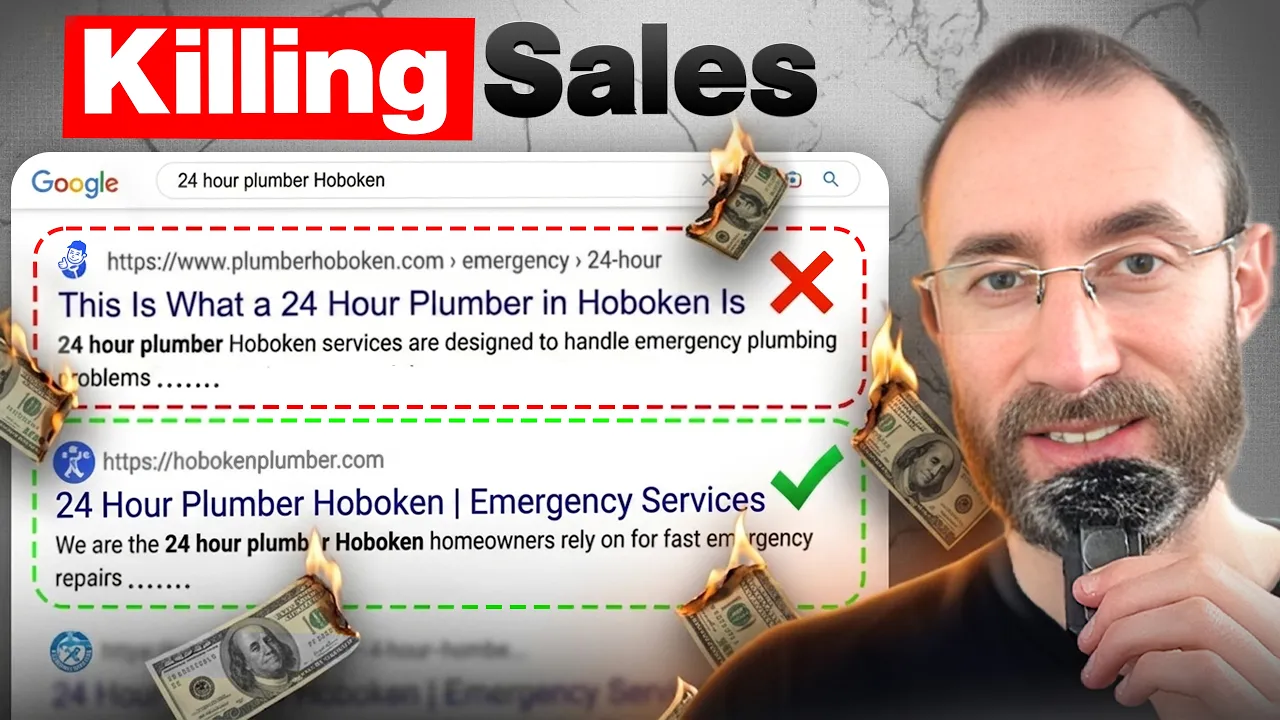
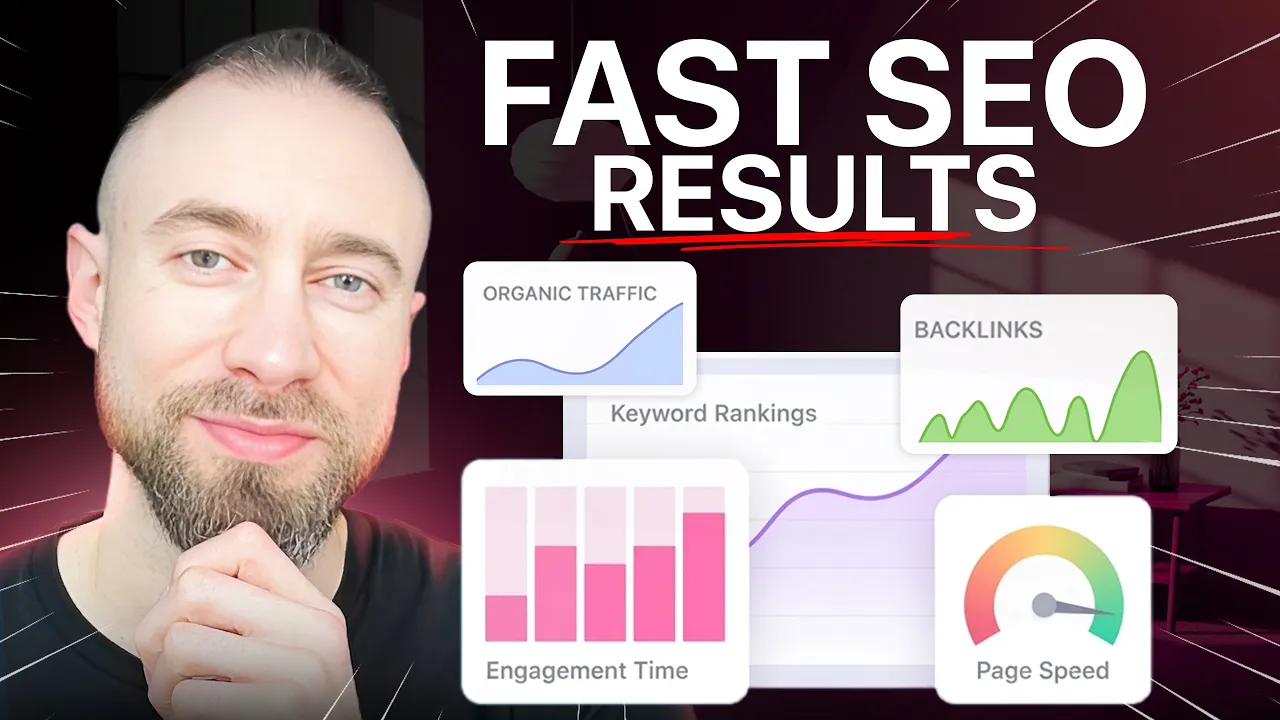








Get daily recaps from
Edward Sturm
AI-powered summaries delivered to your inbox. Save hours every week while staying fully informed.