SaaS SEO in 2026: Link Building, Topical Authority & the GEO Hype

Chapters25
David Quaid introduces the episode, outlining audience questions and topics on SAS SEO, link building, and current SEO subreddit chatter, and tees up questions from listeners.
Hard-hitting SaaS SEO strategies in 2026: prioritize topical authority, smart link building, and practical, data-driven experimentation over vanity metrics.
Summary
Edward Sturm chats with David Quaid about how to do SEO for SaaS in 2026 without chasing hollow metrics. They push back on domain authority as a sole signal, insisting that topical authority and page-level context matter far more. Quaid riffs on practical link-building methods, from leveraging local networks to targeted broken-link outreach and even leveraging press coverage when possible. He shares real-world tactics like the PAA hack for satellite sites, compact keywords, and careful internal linking that concentrates authority where it’s needed. The conversation also covers how to evaluate backlinks by traffic signals rather than just DA, and why sitewide relevance is often a myth. Throughout, they emphasize testing and data-driven decisions, real-world examples (e.g., satellite sites with modest backlink counts performing well), and the value of cross-functional collaboration between marketing, product, and sales teams. The episode also touches on content strategy at scale, the risks of over-optimizing, and how to sandbox new ideas with quick, observable experiments. Quaid’s spicy takes on SEO myths, Wikipedia outreach, and the realities of AI-assisted content add color to a frankly pragmatic playbook for SaaS SEO today.
Key Takeaways
- DA is a solitary metric that’s less meaningful than topic-specific authority; treat topical authority as an array of signals tied to each concept, not a single site-wide score.
- Backlinks should be evaluated by real signals (traffic, relevance, and contextual placement) rather than just domain authority; a niche site with traffic can outperform a high-DA site that sends little traffic.
- PAA (People Also Asked) pages offer low-competition, high-value rank opportunities; using parent-domain links to boost FAQ pages can accelerate rankings.
- Broken-link outreach and satellite/partner sites are viable, cost-effective ways to seed authority; external links from credible sources carry more weight than internal links for context.
- Compact keywords and “SEO funnels” can outperform traditional long-form blogging by delivering closer-to-sale content with fewer words.
- Internal linking should be restrained and purposeful (limit to a few relevant links per page) to avoid cannibalization and overoptimization.
- Content strategy at scale works best when focused on intent-aligned, high-quality pages rather than mass-producing low-value pages; test, measure, and prune quickly.
Who Is This For?
Essential viewing for SaaS SEO teams and growth marketers who want practical, battle-tested tactics for 2026. If you’re balancing product-led growth with content, this episode helps align strategy with real-world data and cross-functional collaboration.
Notable Quotes
""DA is a solo metric. It’s kind of like a really old calculation... the idea that you can only chase certain DA is ridiculous.""
—Quaid argues against DA as a primary signal and champions topical authority.
""Sitewide relevance is also a myth... authority lives in topic-specific signals, not across the whole site.""
—Emphasizes topic-by-topic authority rather than global site relevance.
""If you can get a link from Healthline that sends traffic, I’d take that over a higher-DA link that sends no traffic.""
—Highlights traffic signals over sheer DA in link value.
""Compact Keywords is about dozens of pages that sell to searchers who are actually looking to buy.""
—Describes a high-efficiency SEO approach for SaaS.
""Internal linking is wiring; if you don’t have authority, wiring won’t fix the grid.""
—Warns against over-reliance on internal links to fix weak authority.
Questions This Video Answers
- How should I value backlinks: traffic or domain authority in SaaS SEO?
- What is a PAA hack and how can I use it to boost SaaS pages?
- Is sitewide relevance a real concept in Google’s ranking system?
- How can I build quality backlinks for a new SaaS site with low DA?
- What is compact keywords and why does it work for SaaS SEO?
SaaS SEOLink BuildingTopical AuthorityDomain Authority (DA)PAA HackSatellite SitesBroken Link BuildingCompact KeywordsInternal LinkingContent Strategy at Scale
Full Transcript
David Quaid, welcome back to the podcast. Hey, thanks for having me. Happy Easter. Happy Easter. We have uh so we have some audience questions that we're going to be getting into. We're going to be talking about doing SEO for software as a service for SAS. We're going to be talking about link building. Um we're going to be talking about the crazy things going on in the SEO subreddit. And uh I'll start with um with questions from our audience here on YouTube uh or people who are listening on Spotify or Apple Podcast. So we have uh user Glorious Abberel who wanted you to talk about different types of link building methods and their respective riskto-reward ratio.
What's your favorite link building method, David? I think that the the first thing is to give up on this idea that DA is important, right? Like DA is a solo metric. It's kind of a it's kind of like a really old calculation. It's replacement for toolbar page rank. And it's very problematic because it gives you one number for a whole website. Whereas topic authority is really a an array. So each each con each topic each concept has its own value. And so sites inherit that. Um I've seen so many people talk about like we've kind of got into this weird world where people like you can't get links from less than da40.
And I it it just really undermines the whole concept of page rank. the Microsoft gets its high DA from lots and lots of little DAS, right? There's no such thing as negative DA. It's not it's a it's a positive integer. So, or long end. So, this idea that you can only chase certain DAS is is ridiculous. The other thing is that a lot of people um rest their DA in their homepage or in their blog page. Uh technically, page rank should be lumpy. It sort of like flows up and down the site. So if you're going to uh get a backlink from a site and you're publishing a new page, technically speaking, that page may have zero, right?
Absolutely nothing, right? So if you're if you're going to publish a a a post on a page that talks about NASA and you're talking about dishwashers, that page might not rank, right? Because it's outside of the topical authority. And that's sort of like where people get this sort of like sitewide um relevance. Sitewide relevance is also a myth. So, I think there's so many myths that handcuff people before they even start link building. I think go back to your network, go back to your friends, go back to people in your chamber of commerce, um go back to your like weekly tech hangout and if you don't have one, start one.
Uh because there are local businesses, there are local SAS companies that all have the same problem. Um you need to mirror your real life networks like your clients who you people you work with, people you go to market with with companies you integrate with. Um whether you're an electrician and you integrate with people who do plumbing work, right, or vice versa, there are so many opportunities for link building. Um while things like press releases don't carry a lot of weight, if you can get a press release to rank for something, i.e. if you don't like rest it all in your unknown brand, you could get some authority flow from that.
You could get actual recognition from that. So, this idea that like sort of like handcuffing yourself to DA is silly. The second thing is one of the things I love doing when people email those lists going like, "Hey, I want to sell you some backlinks." Um, because keyword research is hard and difficult and expensive, it's actually a great way to do keyword research. That's the one thing I find every time someone says to me, "Hey, look at these links. I wonder if any of them are worth it." It's always it's always like it's like a scratch card, right?
It's like you want to scratch it just to see if you win, right? And you're like, "Wow, maybe I'll get a good link in this." And so I love opening them up and sometimes you'll find like a someone has found a URL that has like zero keyword difficulty but has like a thousand visits a month. I found this so many times and I've gone like, "Yeah, you know what? For like $200, maybe that's not a bad link." And then I'll go and go, "Oh, look at the URL this is on. We can totally outrank this." And it's actually provide us with a ton of clicks that essentially then act like a backlink.
So I don't need to buy the backlink. So if you're like, "Oh, I wonder where I can do keyword research." The people who send you backlink lists are kind of doing it for you for free, right? They get those lists from people who own link farms or private blog networks of their own. Or maybe they built um a HCU site and maybe that HCU site looks really good on paper, right? So you put in the domain into your favorite SI tool and comes back and says like, "Wow, it's got like a really high DA." But that's made up of like estimated traffic clicks and estimated rank positions.
And that site could actually be waning, right, instead of growing. And so there's a lot of work to be done in sort of like evaluating domains. That that's that's much more important than just looking at the DA. So you're if you're getting a link from a friend's website or when I say a friend, I mean like a business friend, like a client, maybe you're doing a case study. Um you have to help that page rank. So you have to do keyword research. you have to get links to it as well. But as if it's getting Google traffic, it will flow authority back to you.
And if you link contextually, like if you say, "Well, I'm the plumber and this guy's the electrician," you'll you'll help provide context. And that's all you need to do. Um, and I people don't do that enough. And I I I shared a a an image last night of a a Samrush um chart for a satellite site that we built. So, we've spoken about how much I love satellite sites and EMDs on the show so much. Um, and I kind of forgot about it cuz we it it was working and I just didn't have to look in on it.
And I went to look in on it last night and I was like, "Wow." Um, this has got like a,000 SER positions, uh, 11,000 clicks a month or something. Um, and 20 back links. And none of those backlinks are from like a DA90 site, right? And it just goes to show if you and I actually used the PAA 5 minute hack that we spoke about to build that site. uh and I built it 3 months ago and you can see the traffic literally starts to grow in November. This method of marketing is so effective I had to make sure it wasn't against Google's rules before I kept doing it.
It's a form of SEO I call compact keywords. Whereas most SEO focuses on putting up articles to answer questions how, what, when. Compact keywords focuses on putting up dozens of pages that sell to searchers who are actually looking to buy. These pages rank on Google and convert so much better than normal that when I discovered this years ago, I couldn't believe this was allowed. It's less work, too. The average compact keywords page is only 415 words. Compact Keywords is a 13-hour deep course on getting sales with SEO. A customer recently said, "Each lesson is dense with information.
You're giving years worth of experience boiled down into 15 to 30 minute lessons with no filler or fluff. I feel like I'm gaining a new superpower. Compact Keywords is about setting up an SEO funnel that brings you sales for years and years and years. It works with AI. It's less work than traditional SEO and it makes way more money. You can get it now at compactkeywords.com. Back to the podcast. So like that's how how did you say you were doing link building for that? So the the PAA hack. Okay. You okay? So you were getting authority by putting up people also ask questions.
These people also ask questions are very easy to rank for because nobody else is targeting them. And so you rank for them. You satisfy search intent. There's not pogo sticking going on. So you're getting a good type of clicks and this is building your authority. And then you can take that authority and you can funnel it into more important pages. Precisely. And we used the parent domain to link to the FAQ pages and so they were just linking and so they didn't need a lot of authority, right? It just gave them that extra push to hurry up the process.
So you had you had no links and you were putting up these people also asked questions and you were you were ranking for people also asked questions with no links at all. Thousand of them from less than 20 pages. But but you had no backlinks going to this site. You didn't put it anywhere? No, we had 20 backlinks. Oh, you had 20. Okay. Okay. And where do where do those come from? Mainly from the parent site. Oh, okay. From the parent. Okay. I sorry I misunderstood. I I I thought you Yeah. Yeah. I misunderstood. Okay.
So the parents the brand that you set up this satellite site for was linking to this. Okay. Yeah. Yeah. Cool. And the parentite barely has the parent site barely has 500 clicks a month. It's very very small. And um it an external link provides a lot more context and weight than an internal link. Right? just because it's an external link, it just weighs more than an internal link. And when you look at it and you say like, you know, people are like, oh, you know, the site only has 10,000 backlinks, the site only has 40,000, you know, um that's not how it works.
It's it's very very nuanced. Um and so understanding the methodology and not putting in place all these handcuffs is far more important. and just, you know, experimenting. A lot of people talk themselves out of it before they even do it, right? It's like, what have you got to lose? Like Google's not running around trying to punish you, right? Yeah. For people for new listeners of the show, by the way, I I probably should introduce you. You're just like one of the most legendary SEOs. You've been on the show many times. So, for people who haven't listened, Mr.
I'm always saying Mr. David Quaid. And uh yeah, you just all of our episodes are fire. Um, and yeah, again, like a very very very talented uh SEO and the the DA distinction is interesting domain authority. It's something that's useful for people who are newer who don't even really understand like authority just to like see that. But like you said, the reality is that it's so there's so many variables involved with SEO. And it's like you can have a site that has high domain authority, but many pages aren't being indexed, like a majority of pages, and it has really bad rankings.
And if you get a backlink from that high authority site with terrible rankings where very few pages are being indexed, it's not really going to be very valuable to you. Absolutely. it it's as a solo metric it's bad. It's kind of like brake horsepower. You know, if you say like a a Honda Fireblade is 100 brake horsepower, it's also only got one seat. So, if you're looking to take two people, it's not very good. And so, understanding that is is very very important. So, okay. So, I put up I put up this question on X and and I got some interesting answers.
I said, everything else being equal, which would you rather get? a backlink from a domain authority 20 site on a ranking page that sends you a lot of traffic or a backlink from a domain authority 80 site on a ranking page that does not send you a lot of traffic. Both sites are in your niche. Both pages are are ranking both pages are indexed and ranking. Um and just one is sending you a lot of traffic and the other isn't. And to make it even more interesting, let's just say like the DA the high DA DA site is Healthline.
So, you're in the health niche and you have a a backlink from a niche blog, a niche health blog that is sending you a lot of relevant traffic versus a backlink from Healthline, which is not sending you a lot of traffic at all, but it's still ranking. Which would you rather have, David? The first one. Yeah. Yeah. Yeah. Wow. So, I think I think people over um have a very wide net of YM. I I um somebody asked me to help them out on something and I I did a project where they were trying to rank for something to do with COVID vaccines and I tried out some content on a website of mine and you couldn't find it unless you put in like the actual page title in inverted commas with the domain name.
You it would not show up at all. Um they had tried to um move their their content to subdomain and it wouldn't show in Google in that case. I would prefer a link from maybe a health line if if it had if I if it sent the right signals and those signals only come from specific sites. Um whereas I've worked with dentists, doctors, plastic surgery, um stints, none of those fall into YM. I've worked with fintexs, I've worked with uh banks, I've worked with uh investors, I've worked with M&A companies, I've worked with VCs. They don't fall into YM the same way as like COVID vaccine technology does like COVID vaccine that those pages would not rank for 6 months until we hit very very specific things.
I had to reach out and get a lot of help from people. Um I've seen people rank you know stocks. So people think anything to do with finances your money your life and it's it's not that broad a category. So that's why I would I would definitely prefer the link that's sending me traffic. I think it'll correlate better. I don't care about sitewide relevance. I imagine imagine how manual that process would be of trying to somebody a human would have to subjectively decide like even if you take cyber security apart right there are parts of cyber security that people are like well actually that's not cyber security that's compliance right that's GRC that's TPRM um that's not cyber security that's dark web monitoring or dark web you know threat investigation so even within cyber security who gets to decide what is what.
That would take human editors and I don't think Google has a time for that. Um there's nothing stopping Microsoft, you know, if if you look at it naturally, why couldn't Microsoft link to a an airline or a holiday company or hotel company? That there's it it's really a an overcautious. You're saying that page relevance is a thing, but sitewide relevance is not a thing. Yeah. I don't even think page relevance is that is that important. like the the very original page rank actually just talks about the um a riffs text. So okay so you know because I was going to ask you if page relevance matters how is Google measuring relevance of the page if it's not able to ma me measure relevance of the website.
So that's sort of like a downstream metric right? So, for example, as they've tightened topical authority, as we've seen sites drop and lose ranking positions, um it's a tightening of authority. So, a lot of as pages be sort of lose traffic, pages that they link to and are further and further along the edge of the topic, they fall out. And so, like I said, if you're if you're going to go for a link placement versus a guest post and you're on a domain that talks about NASA and you try to get a dishwasher post up, that dishwasher post is unlikely to rank, right?
Unless they've got other established authority about dishwashers. That's why it's probably safer to take a bit on a link placement because you can see if the page is already ranking and and that's hard to do as well, right? There's not a lot of page level stats in Sim, right? page that would have to be ranking for quite a well-known keyword that's also bought in a Google auction. So, some background on SER tools and keyword research. The only person who knows what keywords are used as Google. If you go to Bing web master tools and look at the keyword research tool, it'll give you it's got a very tiny database.
Uh because 25% of searches are new in Google, they can't store all of those. So, they just store keyword data on keywords that people are buying in ads. So, if they're not buying in ads, they don't have the keywords for it. It's kind of like for my own name. If you put my own name into Samrush, I think it's like 20 searches a month, but I set up a branded domain for myself and the searches are close to a thousand a month, which is kind of what you need in order to become a known entity.
I think another part of like the schema myth and the persona schema and a known entity. A lot of people, especially in GI, are saying that if you put a persona or a business or an entity uh schema in, you create it. You don't. It doesn't exist until people search for it. And that's a big difference and it comes from the publisher myth versus Google tracking actual user data. You you cannot fabricate yourself as a known entity if no one's searching for it. And if people stop searching for it, it stops becoming an entity. Yeah, that's true.
Oh man, this this is great. Um, actually, how I want to ask, so were you s you were successful getting the co with the co site doing SEO for the co it was a page or a site? Um, it was a subdomain. Okay. And you were successful with it. And so you said you had to get a lot of help when doing link building for that. What were you doing? So I reached out a couple of people that I knew on X that were doing and they gave me a list of places to get links from.
Okay. And so what type of links were there? So um we we we weren't successful at all of them, but you want to get like a link from Wikipedia. you want to get a link from like any of the big health government sites, which is very very hard to do. Um, it actually brings me back to something I missed earlier. Another thing about link building is um broken link building. So, if you're creating people also ask pages or glossery pages or you've got some information about um very technical topics. If you reach out to sites that have broken back links or outbound links, you can uh suggest new links.
And so uh we actually had to hire a a company to help us with that outreach. It's very very expensive. And um they will uh basically the same way that you scan for broken internal links in your site, they scan for broken internal links or external links on other domains and then try to reach out to the different email addresses like admin editor SEO at uh try to reach the people on LinkedIn and say hey we noticed you've got a link for like um whatever crisper technology is broken. Can we get a link to our page?
We wrote this page by Dr. so and so or this engineer who's got such and such a qualification about this particular topic and so if they link out to it then you can get that link. Yeah, Hrefs has a uh a good free broken link checker. Oh, it does. I didn't even know that. That's great. That's great. I love their tools. Yeah. Um so is that where you how are you doing how are you getting links on Wikipedia and government websites? I don't know if you can share that. Um you've got to look around. And there's actually a lot of people on LinkedIn who advertise it.
Um, and so that's why I suspect that Wikipedia has slowly been losing credibility with Google. Um, you can also create an account on Wikipedia and you can actually go and see who's been editing pages and you can send them an email and you can say, "Hey, I noticed this article links to something and it's broken. Um, what if we got you a press release or news article that could replace it?" So, um, in some cases, you've just got to actually go and get PR done, which again can be expensive. Um, and then, um, or if you know someone who's an editor, you can get them to go and and and fix the link.
The the thing is to make sure that it's recorded properly and then if somebody questions the edit that they can respond back to it. Otherwise, you can have all of your edits rolled back. you said wait it's it's question it's what properly okay so basically when you make edits on pages especially if they're pages that are frequently edited or frequently modified um some wiki editors will watch them and automatically make roll backs so um if they catch for example a PR person creating a company page and it reads just to like marketing right like Wikipedia has this like really dull monotone um editorial standard um which to be honest is bland and and most content on the web I don't think people realize it's very subjective and confirmation biasy um and so I think Wikipedia is just boring and just lacks any like you know qualities but um when people are editing pages and adding links and Wikipedia editors think that they're doing it for marketing purposes they start to put blocks in it like I've I've had a company we were trying to create a Wikipedia page and I tried to do it myself but we didn't know that a PR agency had tried before and and they had a permanent ban.
So every time you created the page, it would be it would live for a day and then at night midnight um an automatic bot process would just undo it. And if you do that too many times, they'll actually remove your account and roll back all your changes as well. Wow. So that taught me how to So there's like within the Wikipedia system, you'll see like many court cases going on where someone will say like I want to file an injunction against this person from doing that or this this uh any mention of this brand must be automatically um wiped every night and uh to remove that process you have to go to the person who implemented the process and they they'll want to see that you've got approval from like a team of a committee of Wikipedia entries like a judge.
So, it's um it's a very lengthy process. Crazy. Uh all right, next next audience question. This is from Criminal Cash, who said, "I haven't been seeing any noticeable changes in specific page rankings from guest posts with links to specific pages anymore. I'm thinking of trying a different route with it. What do you guys think about finding a few websites with increasing traffic to become a monthly contributor for? That way, I can have an author bio on that site along with a new article every month that would all interlink with an author page building its own credibility and then linking the author page to my website.
Is that a better strategy? Especially if my author has credentials to be legit on those sites. Seems a better use of off-page SEO time and energy. Just curious. It sounds a bit idealistic. I mean, it sounds like a journalist's job, right? If you can find it, go for it. But, um, you having an author bio isn't going to do much, right? Like, even if you were a known entity, right? Like if say you were Jason Bernard and, um, if Google thinks that a search for Jason Bernard is the same Jason Bernard and it's got a high confidence level, it will also list other articles, right?
So, it's just an association. It's not a wow, we've flown a team out from Mountain View who've interviewed him and made sure like authors can make mistakes. Authors lie about things. Authors aren't scientists and everything they do is automatically peer-reviewed. I just we got to get over this sort of like fascist idea. Like Google Google democratized the web. Whether or not they're monopoly and you don't like them, fair enough. But that's the reality of the situation, right? There's nothing stopping me from blogging. I don't have to be a certified expert. Um, so this idea that your your author bio page will have authority if it gets clicks, if people are searching your name.
If you write a lot and you get read a lot and people start to dig into you, maybe it'll but that's just not the way to do it. Um, and and I think that would be a very long arduous process. Um, you may as well just set up a link farm at that point. All right. So So how about how about guest posting as a link building strategy? What are your thoughts on on it? When does it is it just in general a good strategy? When does it work? When does it not work? What do you think?
I think that's exactly what I'm talking about when I talk about between friendly companies, right? So, if you've got a lot of integrations, let's say you're a SAS product that supplies stuff to, you know, services to um financial advisors. You could um integrate with onboard which is a client onboarding application. Uh you could integrate with asset map which is a financial planning software and then you can both do like a joint press release. You can write blog posts about each other. You can create integration pages. You can link to each other. You can provide uh technical documentation on the steps to integrate to each other.
And like Google says, instead of like saying click here, you'll say click here and how to import your client list into our onboarding management software, right? And that's what helps spiders tell the indexing system what these pages mean. And so guest posts, um, collaborated posts, very very strong, but the page has to rank and get traffic, especially if it's a lower authority site. Yeah. I so so I made a I made an episode about how guest posting is like I the title was guest posting is dead and I I the episode was about an article that Matt Cuts wrote I think it was in 2014 about like stop guest posting like we as Google we Matt Cuts for people who don't know was a head the former head of web spam at Google really nice guy and he put up this post like stop guest posting it doesn't work we know what a guest post is And like if you're putting up a guest post on a site that's just only guest posts, it's not going to do anything for you.
And um and so I talked about this and a lot of people really got mad at me. The nuance is like if you're guest posting and it is indexed, that's going to be valuable. If people are clicking on it, that's going to be more valuable. it even if it's not indexed, but if you can like use it for your own brand to get credibility, it's not going to be necessarily valuable for SEO, but it can still boost your credibility. Like let's say you got an article in the Verge and you were a guest post, you you wrote that and then it wasn't indexed, but you could still say I wrote for the Verge and that could be useful and u absolutely that's how I think about it.
Yeah. If if you write for like uh someone builds a blog and then they get bored of the business and they just start selling guest posts on the blog that that's Matt Cut is right that's not going to do anything right it's just none of the topics are going to align you know one will be about photography the next will be about like bird watching next will be about yachts and then it'll be about like car rental and it it just won't make sense right and so when I use the word guest post I just mean like this is a guest writer or this is a contributed blog post or a collaborated blog post so yeah it comes down to your definition and and so you're right if if you have the wrong post but between two companies that are trying to rank and demonstrate a relationship between each other you know so something I spoke about before and something I tal to Jake Hundley a lot about um is the idea that you know when I lived in Ireland when I was setting up first of all I was a member of Limrich open coffee and um I eventually ran Limick open coffee or I was the main host for Limrich open coffee and it's a great way to network and it's a great, you know, if you're a solo freelancer, it's a great way to meet other business people.
Uh, we had like a single simple rule, don't bring business cards. It's 11:00 on a Thursday morning, so it discourages sales people from turning up. And it creates relationships first and then business automatically flows. And the business might be, hey, you know what? I I really trust this Dave guy. He he recommended an accountant or he had another member come and build a sun room on his house for him and he paid him on time. He seems like a really trustworthy guy. I'd recommend him as an SEO to someone else. And it's a really great way to build a network and a lot of towns and cities have them.
And if you're a web developer in a more rural area or in a big city with lots of other there's lots of space for you to run your own community and you'll meet lots of business owners who have the same thing. Look, I want to I want to get links for my site. who can I link to, who can I talk to? And back in those days, we used to write blog posts all the time. Like we um it was like the 2008 crash uh following the banking crisis and Ireland had its own crisis and we ran a bis camp and we all put up blog posts from our own blogs to the bis camp which made the bis camp rank and we had like five people 500 people over a weekend at the University of Limmerch and you can build all these things and they're all legitimate reasons to create links to each other, right?
Um, and that's why I hate it when people get very narrow and they start talking about branding and recognition and it's just a form of Google that doesn't exist, right? Google's there to list nonprofits and websites and research centers and universities and per people's personal blog posts and linking to them are about saying to the user like I'm talking about this guy, you know, I met this Edward Stern when I was on holiday in New York and things like that. Yeah. Yeah. I mean the branding is helpful. Those things are helpful with uh reducing pogo sticking or increasing click-through rate if you have a known brand or or if you have a known brand people will trust your crappy page more and and they some of them might not pogo stick because there's more trust built in your brand.
But yeah, for SEO it's not Yeah. It could even be like a form of eat, right? Yeah. Yeah. Yeah. Um actually, you know what's funny? the when I started doing SEO, the way that I was getting clients is I was going to tech meetups in New York where I'm from. And I at first I tried just uh I didn't really know what to do. So at first I tried just like bouncing around the room talking to everybody saying, "Hi, I do SEO. Hi, I do SEO. Hi, I do SEO." And I got no clients. Got no clients.
Then after like months of doing this, I like I I happened to come to an event early and everyone was kind of like looking for somebody to talk to. So it was first of all like a lot easier for me to find somebody to talk to where I wasn't pushing myself into a conversation. And then I because I was just tired of bouncing around, I just kept talking with that person. And then I said, "Oh, let's go out to dinner afterwards." And we went out to dinner. And then I was like, "Oh, I got you.
Don't worry. I p I paid for their dinner." and I created a relationship and then this person was going to events and met all these people who needed SEO and they're like, "Oh yeah, Edward Sturm is a great guy. Talk to him." And I I'm like, "Wow, like actually having referrals works really well." Like having people trust you and wanting to refer you works really well. And absolutely. And that's why the hosting those events as well because like people are like, "Wow, I'm really grateful. I'm, you know, I don't want to go out and sell every day, but I want to meet other people who are also in business.
Um, and wow, I really owe Edward. He set up this function for us. He's so nice. He comes and talks to everyone. Makes feel everyone feel welcome. You're paying it forward and you're putting it into the system. And then when people trust you, they say like, "Oh, my current SEO or my current web designer left me or I'm stuck with this problem." And you can say, "Oh, you know what? You should just do this or you can use this to fix it." And they go like, "Wow, this this is really helpful." Because SEO is about trust, right?
like um companies aren't afraid to spend money. They're afraid to spend money and waste time on the wrong thing because that's 8 months they can never get back. Um and so that's a big part of it and demonstrating that upfront is better than any advertising plan. Yeah. Yeah. And actually afterwards I started the New York City SEO meetup group which was so great. I was doing it with a friend who had one of like the biggest programming meetups in the world. So we would combine them and do like a programming be a programming meetup with an and this was in 2016 and I mean I I don't know if you remember New York and like programming and the interest in SEO in 2000 it was it was phenomenal.
We would host these events at the Microsoft center um across from the Port Authority and from the Microsoft building across from the port Port Authority. Yeah, it was it was so good. Um, all right. I want to move on to questions from the SEO subreddit because this moderator, the guy guy guy guy guy guy guy guy guy guy guy guy guy guy guy guy guy guy guy guy guy guy or girl I don't know web linker put up a post SEO SAS questions. Edward Sturm says said he's going to cover SAS and I've DM'd a little bit with web linker said he's going to cover SAS SEO questions on his on his podcast.
If you ask questions here he will put them to various experts. I saw something where someone I I saw two things. Someone was talking someone said up like a post saying that they were like banning people but most of the accounts were suspended. Um I think I mean I I noticed I said I think Matt Lunworth said that um or Malt Lond said that it's like the least spammed subreddit. So I figured he was just upsetting or they were just upsetting people um and banning spammers. Um, I gave up on the subreddit years ago. There there was a moderator who did nothing.
I think he had like he was paytoplay. He seemed to have like some learning site. Every time you every time you asked a question or made an answer like you got like a free ad from some learning SEO learning thing and it just got frustrating. Someone actually once said I thought they thought you were web linker. I don't know. I I didn't think you were. Sure. People people thought that I was Weblinker because I do cover a lot of stuff from Weblinker on on the show. Web linker is always posting um about how geo how geo is just SEO and there's geo disinformation campaigns going on like generative engine optimization companies are literally paying SEOs and I've gotten these offers too to to say that SEO is dead and everyone needs to be paying attention to geo now.
I don't know if you've seen this. I've seen a lot of geo disinformation like LinkedIn is is ruined with it like and and it's all these like recycled SEO myths like um you need eat and schema and someone just before the show someone was telling me on on um on on X that they'd built a an eat detection tool and that um AEO is different because um you know these tools talk about um you know they site Reddit and stuff and I actually had a quick conversation one Friday with Patrick Starks from AFS and we he's got knows so much about this um you know because they've got actual tools whereas you go on LinkedIn and someone who's like a marketing person of one has no backlinks to their site doesn't know how to rank anything they're going like oh I researched 14,000 brands and here's how they site everything from Reddit and I'm like I don't have the tools to do that how did you magic how how is it that you can't rank a website but you know how to do all this research and I was saying to Pat like how can all these sites site Reddit when uh only Gemini has access to it.
And if you know if you go to Reddit and or sorry if you go to like Perplexity or Chat GPT and say well find the best subreddits or find the this information on Reddit, it doesn't go to Reddit and crawl through. It runs a query that says like bring back the top SEOs and that that's not the top people who answer on it. It just comes back and goes like I found or Google found one page that mentions this and I've synthesized all the data. Right? So this idea that um somehow Chat GPT is mirroring Google's knowledge graph it it's these are tinfoil hat the uh conspiracy theories right it's so weird that these people all have the same story and and I I drew a cartoon on on um perplexity was like uh a a a geo market research guy going to catch how do you site brands and then running a a seminar going oh this is how they site from Reddit and YouTube.
And I'm like, I'm pretty sure that they site Reddit because Reddit is most returned by Google, but the the faith in in in this like AI citation building is so strong. Um, and I think people are so ready to believe it. And I think it's just because they don't understand the prompt is not the query, you know, which is my we we've spoken about a few times, you know, it's like the prompt that you put into Google and then put into an LLM, that's not what the LLM is running on, right? You've got to dig deep, find the query fan out.
If you rank for the query fan out, you then rank in the LLM. It's that it's just that little switch. And it seems to be very hard to explain that to people. Well, now it looks like um it looks like so Weblinker posted this image of it was the initial query fan out and then the LLM, I think it was Perplexity, doing further searches into what it found. Basically doing due diligence. So, it gets a list of companies and then it does due diligence with more searches into the companies. I wonder if that's what we're seeing in like the AI Bing performance report like um the initial query and then the grounding queries and if that's the same thing.
Um, and then I wonder if you can sort of like divide that number by like three or six or nine and then work out how many searches you've appeared in like and then looking at the number and that's the other thing I noticed um if you look at um when we were looking at the AI Bing performance report and we were looking at that small site I had with like 90 clicks over 90 days it had was it 27,000 impressions or something or citations and it was like eight pages I think right? Oh yeah. Yeah.
It's crazy. And and I said to Patrick, like, how is this building an index and then over 90 days it went and retrieved these files 37 27,000 times? It doesn't make any sense if you've got an index and it's just the same eight pages. Surely it makes sense just to rec crawl them when they change and not like every time. But that's how they're doing it, right? They're every time they do a query fan art, they live crawl the pages. And this sort of like undermines the sort of like training concept that sort of LLMs remember everything from training.
So if you look at like Google's data plexes, they're all over the world. They have multiple types of Google crawling systems. They have they're in different pools. They have different systems that create crawlers and different bots that follow the crawlers. And they have different ones for news and query define query desert freshness and caffeine and discover. and they have like 15 exabytes of data and I think YouTube has like 24 and people talk about like Google needing to save space and all of this which is also not true. I mean you look at how big a 1 hour 4K video takes up like a billion HTML pages, right?
Um but if you look at like the memory needed for training when when an LLM is being trained, it learns vocabulary. It learns like basic definitions of keywords and it learns heristics which are like maps. It's like take it takes a ma it takes a a concept and turns into a mathematic model. The reason you need GPU processors and not Intel processors is GPUs were designed to do 3D graphics for games like Grand Theft Auto. And so they can draw draw polygrams and polyraphics, right? So they can draw models. And it's that level of of math processing that's very good for both crypto mining and for for G um GPTs.
Whereas Intel is based on a large amount of disk infrastructure, crawling infrastructure, firewalls, load balances, points of presence, and not a lot of of RAM except for the application. So, it's two different types of memory, two different types of services. And the LLM companies cannot keep up with the infrastructure. I know Plexity has a page about we've got a data center. I know X says they have their own data center. Google has hundreds of data centers, right? it. It's not possible to do all this crawling, create all these Google search consoles, all these good Google business profiles.
So, they can't do it. So, they just leverage the search engines. And the way you can test it's not training is that the LLM are trained in batches, right? And I think it takes a long time to do this training. Yet if you go and update your page that you rank in an LM4 today and then run another um prompt get cited the change you make in your page is visible in the outbound in the in the synthesized results. So it's not coming from training, right? You can test this. It's not very hard. And so it it starts to undermine the story.
And I think a lot of people that I've actually debated this with are actually using LLM to write the debates for them, which is also very very difficult and frustrating. Yeah, I bet. Dude, you know what it is? It's it's um it's the it's this concept that really exist I think it existed more 10 years ago and it's coming back where SEOs were kind of seen as magicians and I think it's the same I think it's the same thing with LLMs people who like if seuite people or people without a ton of SEO experience or Yeah.
Yeah. Oh, no, no, no. Maybe they have they could have some SEO experience, but they're not getting the most amazing rankings and and then they think like getting covered in LLMs is is magic. And it's it's the same thing. It's the same thing. I had this discussion recently and um what I would say to people especially like you know obviously CMOs and boards are under pressure to bring in AI. um they have to demonstrate that they're bringing AI tools in and and and that's all good. Like we should always be getting the best of breed of everything, but go and look at your analytics, right?
I've seen sites that get 100,000 visits a month that are getting like 20% of their traffic from social, right? That are getting maybe 40% of their traffic to 80% of their traffic from Google, that are getting a higher number of leads from paid search, which you'd expect. You're paying for it. getting most of their leads from organic and then the amount of traffic coming from Chat GBT has been in decline. So I've looked at sites where they're getting 100,000 visits total in January maybe 600 visits from Chat GBT by February that had dropped to 400.
Gemini had made it to 300. So Gemini is almost 60 75% of the traffic that Gemini is that sending but 300 400 visits out of a 100,000 that is that is not from a lack of coverage that's from a lack of adoption right there is a social in societal inertia that hasn't happened yet I don't know I'm not and anyone who tells me they're a visionary I'm like look it's a good prediction put $50 on it if you want I'm not going knock it, but and it makes sense. It makes sense that people will adopt the nick, but the the numbers aren't behind it.
And so if you're demanding that your audience has moved to to LLMs, go look at the data, right? And be data driven. The data is in your analytics, it's in your HubSpot or your Salesforce and see where the volume is coming from. By all means, invest in I I I love playing with LLMs. I think query fan outs are easy to rank for. absolutely do it. But make sure that you're not using data to back up your subjective preference versus basing your decisions on actual data. Yeah. And and even and even when the adoption is higher, if you know how to do SEO, you're fine.
More than fine. Absolutely. Absolutely. Um you know, look at look at the really smart people in the room, right? They're, you know, to say that SEOs are behind the curve of being stuck to Google. We we're we're the people who follow. We can't tell people to abandon Google just like we can't tell people to go to Google. If you look at like look at Microsoft strategy, they've adopted index. Now they've built these AI performance report to attract SEOs. SEOs don't move users to the web. The your average Google user isn't looking to the SEO community for what and how to search, right?
It just it's not happening. We need to be realistic about that. Let's get into these uh into these questions from the SEO subreddit. So, first one is from informal ammoeba 888,884 who said, "Honestly, one of the biggest SEO questions for SAS right now is how to handle programmatic SEO versus quality content at scale. I've seen so many SAS teams try to ship thousands of lowquality landing pages that just get tanked by the helpful content updates law. Real talk, the move now is focusing on search intent rather than just keywords. I'm finding that one highquality long- form guide that actually solves a user's problem outperforms 50 thin pages every time.
It's a grind to produce that much quality manually, but it's the only thing that would act that actually builds topical authority. Would love to hear the experts take on the death of thin programmatic SEO for SAS. So I don't think there's a problem with thin content. Um you know that you go to the go to the Google SEO starter guide where everyone should go. Don't be too proud to go there. There's no minimum word requirement there. People a lot of people talk about information gain. That's a patent that Google owns that might be for LLMs.
It might not be but that's not implemented. If I think urgent care has 458 million pages according to Simrush in the index. Those pages can't all have something different, right? They can't all possess information again. It's impossible. Uh there's not that much to write about urgent care. Um it's definitely not implemented. I I don't think thin content is a thing. I think thin content is still a hangover from long form content from people who build content for a living and want to charge by the word. Um I start off with oneliner pages all the time.
That page we built, what is a fun influencer? That was a oneliner or twoliner. Um thin content is someone's preference. So, I I saw someone else on uh Tik Tok talking about content has to be grammatically correct. How come all of the content in Reddit is indexed? People are debating on Reddit, which means statistically speaking, half of them are wrong, right? They can't both be right. So, Google doesn't know, right? So, thin content is not a real thing. I think the problem with scaled content, uh whether you all write write it all with AI or you manually edit some of it, that's going to be problematic.
I don't I think Google's cracking down on that a lot and and that seems to be consensus across everyone. Um I've seen Nathan Gotch talk about it. I've seen Gag and Got talk about it and Harpit who've both been on the show. Great guys. I've seen Nathan has been on as well. Well, who hasn't been on? Um so um that's that's not going to work, right? It's not about being thin content. The second thing is that it's not about content. It's also about authority. uh which come can come from backlinks it can come from low keyword difficulty corner stoning you you have to match your page roll out with authority right that otherwise you get one link from Microsoft and you could build 10 million pages and sell everything under the sun you could take on Amazon right I think if you look at Amazon's indexation rates and there's a company there's a website that does research into it I think it's like 42%.
So the dampening effect means that you can't just move authority from your homepage across seven tiers, right? So I I I think I calculated that within three jumps, it's near enough to dead, but no authority can survive four jumps. It's 85% tax plus that's only if it's if Google thinks it's relevant at every single jump. So or 85% removals, you're 15% of 15% of 15% of 15% that's nothing. Yeah. And and for people who don't know, you're talking about page rank decay. Whereas whereas you get a you get a link, you link to another page and now that page has 85% of the original author authority within the link.
Yeah. And remember I I we did a podcast and I talked about people painting authority out of the picture. Uh I see this a lot especially with web engineers talking about like uh fixing things with internal links and saying internal links are underrated. Internal links is just wiring, right? So you've got an you got an electricity source like a power plant providing electricity. If if one of the wires from one of your rooms to another room is broken, it's not going to send current. So that's what internal links do internally. But if you don't have authority, they don't replace it, right?
It's not like adding more lights to your house that's off the grid doesn't replace the grid, right? So, um, that's a very narrow observation and and and I I would love if people could consider that their observation isn't universal. And other people who are building brand new websites, they're not connected to the grid. They're not going to get crawled. They're not going to get indexed. And and I want to say you're not somebody who hates content that is written with AI. In fact, when you are putting up your people also ask pages, you are literally writing all of them with perplexity.
So actually an in and like and you have a prompt and I've shared your prompt. It's like a one sentence prompt. Create an a 120word answers for each of these questions and you paste the questions return them in a markdown file something like that and then you use them and actually so my question is um with like a new site when you're putting up people also ask questions how many is too many? I think you you and you sorry one one more thing for people for people to understand this each question gets its own page.
So so yeah each question gets its own page because you need a relevancy score right and so for people who again coming back to people who have observations on websites with like massive amounts of authority coming back and saying you put all your questions on one page that suits your observation point. The thing is that your page name is sets the relevancy score to your authority. So if your relevancy score is 100%, you use all of your authority. If it's 50%, you use 50%. So if you're going to put three questions on a page, you're diluting them, right?
And so if you've got a lot of authority and you want to rank a page for a very high rank, high highly competitive term, putting the FAQs can help you increase the pages broader topical authority and its click-through rate on those topics, helping your score go up. Very different to if you want to grow authority. Same thing if you're an influencer, you can just post onto X or LinkedIn and people will come and ask you questions. If you have no followers and you go to X and just start posting uh thoughts from a live conscious stream, no one's going to engage with you, right?
Two very very different systems, right? How many page? Mhm. I start with like 12 to 20 and I wait to see what ranks. And if nothing ranks, then I've gone in the wrong direction. If something ranks, I start to build up. But I would never go beyond that. Um, and so, okay, let's say nothing, let's say nothing ranks. What do you do? Then I come back and I mean it's very rare because I typically actually build them from looking at the keywords in Google Search Console, right? Or from people also asking Google. And so, um, the ones that definitely don't rank where I can start to see like they hit page 80, I'm like, "Okay, this isn't this is going is not going to rank.
I might pull it down or um Oh, yeah. You take it down. Right. Yeah, absolutely. And and when when will you make that decision? How long will you wait before taking it down? How long will you expect for it to to rank? Well, 3 4 days. Okay. So, you'll put up the page and if if it's not on page one, in three or four days, you'll take it down. So, typically, you'll actually see that the page will will rank like this and come back down like a failed rocket launch. And then, you know, it's not going to happen.
And publish keeping it live isn't helping anymore. And why do you think why do you think the page will come down once it it gets to page one and then it goes down? Why do you think that happens? I think Google is like, "Okay, I'm going to give this a shot from a click-through rating point." But then when you do the when you when you apply the mathematics of click-through rate history, topical authority, backlink authority, it fails. It just keeps it just keeps scoring low. So it goes up and it comes back down. And so it just gets rotated.
I call it rotated out. And once it's rotated out, that's it. You're done. Um, you are going to need to park it, remove it, come back another day when you've built authority for that area. So, one of those keywords is out of your authority zone and and build authority for that area is so spot-on. So, I I always share this story about how I took I took this tip um that I that I found from WebLinker uh but I think you've shared it as well which which is if you have a page that isn't ranking well just put it up with a new URL.
And so I I took all the content, I changed literally a a handful of words and I added an extra word to the URL and I put the same that I I had that happen where it hit page one, came down and then it hit page one like a few more times, came down and and then it was like off for years. And it was a very easy keyword. And so I had built up topical authority over years and I took I just took the page down or and I 301 redirected the old URL to a new URL with like one word.
The content was exactly the same and it's been on number one for the keyword ever since because the topical built up I put up a I edited I added like a handful of words and that was it. And it's the same content, right? Right. So whenever people say, "Oh, yeah, this didn't index. It must be the content quality." It that's clearly not true, right? No, it it was it was that the site didn't have enough authority for the specific topic. How often do you do that? Do you comb through GSSE looking for that or this specifically?
Well, I mean for pages that have stopped ranking or No, because it doesn't really happen a lot. Okay. Okay. You know your topical authority. Yeah. Yeah. because I know my topical authority. Uh, this was this was just like I thought this keyword was so easy and I I I hadn't really built up I thought I had enough topical authority at the time and I didn't. And when people talk about SEO taking months and they sit there and wait and wait and wait, I think what you're saying is well, it takes months because you're sitting waiting waiting.
But if you actually decide to go and do something, the waiting kind of goes out the window, right? Because there's no time concept in either the latest leak or page rank or anything Google have said. Google have never said like we need time to appreciate, right? You know, it's not like we're putting one. To be fair, to be fair, I have seen it I' I've also and we can we can argue on this. I I've also seen it take months where like clickthrough rate is being tested. Um pogo sticking is being tested and it's going up and down and up and down.
You're putting up more content. and Google. I mean, you you've seen the patent that uh Charles Float shared where they're they're seeing if you're doing anything funny and so like I've also seen it take months. But is that all your SEO? Is that just one page? I mean, at the same time, you also have other pages going up, right? I have. Yes, other pages are also going up. Um, yeah, I'm I'm hopefully building links and Yeah. So, I guess what I mean is like, yeah, I I I totally appreciate the the nuance in that point.
Like, if if you're trying to target something like load balancer and you're number four and you got Google, Microsoft, and F5 above you, it's not going to be by Friday. So, you'll be moving up slowly, but you can still publish other content, right? Where whereas I think the problem with like SEO takes time is people like give up and go do something else expecting that something's going to change on its own. And I think that may be where people are going wrong. Well, the thing that you could be doing is you could be going off and building internal links and or or actually building building links.
Say that again. Or building other content, right? Building other pages with other links and so on. What do you mean? I mean like while you're waiting for that one page that's struggling in that competitive index, you can start entering other indexes, expanding your topical authority. Drilling down into special keywords. Like you said, you can go back to your link building playbook, right? you can try to get more broken links back to that page to help it rank, right? Yeah. Yeah. Yeah. What do you think about when um So, we talked about this concept of like a sitewide quality score.
If if a site has put up a lot of pages where they just had a lot of pogo sticking going on. People like they the site has put up all these pages and people have clicked on the pages and said, "Ah, this isn't what I'm looking for." and they've gone back to the search results and the click-through rates haven't been great and it's just over and over again for years like the p the site has like not the greatest quality and then they they start taking SEO more seriously. What sort of patterns would you expect to see there if they are targeting very easy keywords like let's say the people also ask trick?
What kind of patterns and everything? Yeah. What kind of like patterns in terms of how long it would take for them to rank one the the test that Google would be doing on pages if they historically have low engagement signals. Um it's it's it's a good question. So, one, I think overall, even though there's a sitewide score, I think the sitewide score, it's really difficult to know what what they mean, right? Um, I've only seen pages fall in a few occasions. I think it's largely, you know, page by page level. Like, again, going back to that site that that ramped up, um, I've had a few sites where we've had nothing happen and then one FAQ gets a,000 clicks a month.
And then it automatic that links to all its other FAQs, right? They're all in the FAQ subfolder and they all go up and then it's it's a hockey stick and um and then you you you publish another FAQ and you put in too many or you're just you stretched a little bit, they go up and they all come crashing down. It tends to be quite quick. Um, what I've seen with sites that have lost topical authority or had topical authority adjustments, so this typically happens after core updates, especially like the last 3 years, um, they tend to go up and then there tends to be rotation with other pages quite a lot.
Um, but normally it's okay to see pages fall within like a three position range, occasionally to a second page. But anything that goes on for more than I would say 6 weeks starts to starts to become a problem and flag a signal. Um, and you want to start mitigating against that. And it's normally a change in approach to normally we rehome them. In other words, we we give them a new slug um to stop that um rotation out. And so I don't know if it's pogo sticking cuz I can't really tell if other pages are getting more clicks.
Um, maybe it's that the we've been paired with a keyword combination that doesn't match the right intent and so there's a change that way. Um, but once pages start to do that, they start to get a lot of my attention. Um, and so another way around it might be adding FAQs to it. Another way might be to look at ancillary questions that we're not ranking for that may help support it. So I I will start to put a lot of focus in that versus like I probably would stop new content from being produced at that point and start looking into how those pages go.
But but you just said the new content would be it would be ancillary content that you would I mean I mean content I mean like thought leadership content order content that kind of thing. I I I mean, you know, you're a blog stream. I I would I would start building supporting FAQs very very close to that when I which is kind of like to me like same similar content if that makes sense. Yeah, it would be the it's it's uh you're putting you're finding more easy keywords within this topic that that are so easy that you can rank for that won't have pogo sticking and then you rank and you're ranking for them and then you are and you are internal linking to this page that needs help.
Exactly. Right. Exactly right. So basically um supplying authority at the point that needs it the most. Yeah, that makes that makes sense. That makes sense. Let's go on to another question from our lovely lovely audience on this. We have the best audience. They're so kind to us. I really I it makes it so worthwhile. Yeah, it's it's it's fun. I agree. Um I I mean honestly like just some of the things too like people share their wins too in the comments and that makes me so happy. I don't know if you share your wins. I also love the guy you keep saying the guy you keep saying Mr.
David Qu. Mr. David Qu. Yeah. Um thank you for that. I appreciate it. This is from embarrassed Jean 763 who said and and and this person asked two questions. How do question one is how do experts handle niche specific keyword targeting when search volume is low but intent is high. The reality check is that most SAS SEO wins take months to show results. So the discussion is more about process and alignment than immediate traffic spikes. Well, this is what we were just talking about. I love this. Um I work in in um B2B SAS all the time and so it gets really interesting sometimes like there's 90 searches per month and so if you can win a a small number of clicks you can win the click-through rate battle right it becomes very very small numbers right um and so you know sometimes like talking about thin content and this is like where when I first started doing this and and I started people people started talking about thin content.
I was like, "What?" Cuz like I think one of the first things I started ranking for was like, "What does how do you pronounce VPN?" And it's ve e- py-n, right? That's the answer. You don't have to write any more than that, right? And that was like a page that got us so much traffic for VPN. And then we started putting all the other VPNs on that page and started taking over from like Net Scope and um Zcaler and stuff. And so if it's starting to take months and you realize that the brands above you just too hard to crack, that's when you start you just move away and you start focusing on other terms like we just said, right?
And then as those terms go up, you can start linking them back. And then you should start to see that your average position per day per phrase starts to change. And there's a lot of in intent and and there's a lot of like for example if you if you're doing competitor pages which I think is very important in B2B SAS and and and they don't have to be review sites. You don't have to do copy over reviews or rate them. You know someone was um I think Le Ray was talking about FTC guidelines and making listicles.
You can make listicles that are top 10 SAS platform features. You don't have to mention other people, right? Or you can put people in a list, right, in a row like here are other people in the same group in no order or I copied the order based on the average order on another. It's not necessarily a review or a grading system, right? There's so many ways to to do that. And but what people are looking for is like, well, if I buy Marquetto and I buy part, what what are the benefits for them? And sometimes they're very subjective.
Sometimes they come down to culture. Sometimes they come down to what people think they're better at, right? So, you can use that to put in your what you think you're better at, right? You don't have to run anyone else down or be slanderous or lious or anything like that. You can just like put it up. And so, within competitor keywords, there are always versions of that like alternative, competitor, pricing, pricing control features, pricing billing platforms. And so there's always wherever there's an A, there's always an option B, right? People will always like Apple and some people will always like Samsung.
Yep. If you can't win Apple, go beat Samsung, right? Sorry, Samsung. I didn't mean that. Uh I want to actually So something that Lily Ray and I and I talked about, I think I asked her what was triggering the helpful content update. And then during our discussion with you, Lars Lafrren and Gagen Gotra, we kind of talked about the same thing which was this concept of there being too much SEO and and you were just kind of talking about that yourself when you you said if you expand too much and and interestingly uh this has been I'm sure you saw it.
This has been going super viral on X. Uh yesterday Replet put up this post. There's no longer an obstacle to creating SEO optimized content at scale. And the comments from SEOs in this post are they're just hilarious. But I I want to go back to this question, which is when do you get worried that there is too much SEO going on and that the site will lose rankings as a result? Like how can you tell? So, one thing I I I don't like very much is internal linking and and having that automated and and that's I see a lot of people talking about using claude co-work things like that open claw to do internal linking and a lot of people I talked to it sounds like they've read the kind of like Google fairy tale um spiders crawl your site this page links this page helps us get context and it's a very cute story but it's not realistic right and when you go and listen to how Matt Cuts talk about it and we we both you know we miss him very much and he was a great guy and a very appreci for him.
That's where I got my style of SEO from. Um, it's not that the spiders crawl your whole site and start go, "Oh, this is a pillar page and it links to your money page and this is a blog post and and a lot of people like want to, you know, when they ask me about people also ask FAQs and they say, well, I want this to link to the target page." And I'm like, "Whoa, whoa, whoa, whoa, whoa. You're you're writing checks that your bank balance can't afford. You you can't start saying your blog posts are going to link to your hub page before they even rank.
The first thing is they've got to rank. Their associate pages have to rank. Once they're ranking, then you can use the authority, right? Stop spending authority you don't have. When it comes to internal linking, I don't think Google's really good at synony handing handling synonyms and semantics. Uh like for example, sock could be security operations center. It could also be system on chip. Go do a search for it. There's both in there. it doesn't get the nuances. Um, when you start putting in too many links, one, there's an there is decay on internal links. We didn't know what it exactly it is.
I just apply the same rules. I never have more than three. There's no point in linking pages that don't rank to another page cuz they're not going to help. There's no point in linking synonyms to two different pages. You're going to um you're going to cause issues. So, that type of optimization is wrong. The second type of optimization is where you introduce too many synonyms and they cannibalize. I've I've spoken about a lot of projects where I've seen sites go from 4,000 visits a month to 45,000 just by removing posts, just by blocking cannibal or stopping cannibalization, like just no indexing pages because they're too similar.
Um, is that what you mean by synonyms? Yeah. So for example um top legal expert New York and best legal advisor NYC those two pages can cannibalize each other. And how much to what extent when you do that are you looking at search results to see to see what the crossover is between between these keywords. So what I will do is and and um Dano from um Teal actually has a claude service that does this automatically. You put in the two phrases and it tells you if what percentage Yeah. what percentage similarity happens. And if they're very similar, they're synonyms and so you can't differentiate them.
You've got to use the two in the same page. Um and a lot of people aren't aware of that. and the it's the final part of the processing service that actually blocks the two pages. Um, and so that's just a fun feature that Google's always had. So that's that kind of optimization is too much optimization. Does Google have a penalty for overoptimization? I I don't think so. I think it's like it's your content. It's your right to free speech, right? you're and and as Gary Al has said and I think you can Google it is like how boring would it be if Google or or you know if Google had a preference and you could scientifically prove that Google had a preference for a page structure it would be a very boring world right if you look at the the innovation in media and advertising in the last 20 years it's been phenomenal right like brands using typos play on words things like that Google can't get in the way of that right um and so I think I I don't think that Google can have too much SEO.
I think it's a fear. I think it a lot of it comes out of the HCU thing where now when people are overtargeting and their business model is converting search traffic to blah content to make money from AdSense. Is that too much SEO? like your slug exactly matches exact URL. Dude, I got to tell you, I've I've literally So, you and I, we both do SEO tests and we and and like when I when I run a test, like I measure the date. I write exactly what was changed. I write why I changed it. And I've done tests where like I've had the exact keyword in in the page title, the URL slug, the metad description, the H1, the beginning of the first sentence, and the alt text.
And then and then it's an easy keyword. I'm like, I should I should be ranking for this. And then I'm not ranking and I'll take the keyword out of the alt text and then I actually start ranking well for it. Which is okay. Which is why and and the these are these are tests that I've run in the past, which is why I I I do I think personally I think over overoptimization can be a So it could be and I guess maybe where um I can't speak is like I don't actually put in alt text.
Oh, cool. Um, and I don't put in metad descriptions. Yeah, I know you don't you don't you don't like metad descriptions. Yeah, I've seen I have a minimum I have like a minimalistic um which by the way I I love the minimalistic because it it's like it shows how pure and easy SEO is and how simple it is. I believe you can't drive to to the supermarket by putting your foot on the brake and the accelerator at the same time. and you so um I I got so tired of writing metad descriptions and then people coming back saying I did a search and it changed.
I'm like well Google's going to change it. So I'm like if you can't fix it, why don't start? And and it just made my life so much easier. Um I I I improved the odds by putting out more pages and seeing them rank rather than putting all my eggs on one basket. Right. Yeah. Yeah. It was actually um that was that was a comment that I got when I said that guest posts aren't aren't like the best way to do it. And and someone's like, "Yeah, okay. Haha, sure. Just post more content, bro." And I'm like, I bet people get very angry with me saying that like you have to have metad description.
And they get like really irate. And if I post and say like, well, this this page doesn't have they go like that's not a very competitive index. Like it actually it can make sense how how not having it could be helpful. Like I think it makes a lot of sense, right? Yeah. And and I remember 25 years ago people used to give out to me for not having a keywords met uh um metag because that was all the rage in the 1990s. You know, it's it's a similar concept to if you if you use a keyword too many times, you also won't rank very well for keyword stuffing.
if you're keyword stuffing like stuffing. Yeah, that's going to hurt you. That's been Mhm. That that that's an overoptimization. Um but again, it's just something I I don't do. Exact match anchor text as well. Yeah. Exactly. Joy Hawkins was on the show a few weeks ago talking about she was saying she's like she she's like with the December update, we saw sites that had too that had like what I previously thought was an okay amount of exact match anchor text just getting completely slammed. And what was the amount? I don't remember if she mentioned the amount.
Um or maybe maybe she did and if she did then I don't remember the exact amount that she mentioned. But yeah, she was she was saying like an amount that she previously thought would be okay was she saw she saw a pattern of sites getting hit for using too much exact match anchor text. And so I think that comes back to that sort of like slow judicious process of internal linking, right? Um, I have a page that's talking about legal insights and I link it to my legal advisor program page. I will only link two or three pages and I won't put more than three links in those pages.
So may maybe I'm avoiding an overoptimization penalty, right? That's why I don't see it. I I don't think that you have to hit every nail with a sledgehammer. I think sometimes it's okay to use a small hammer and give just the appropriate amount of push, right? Um I don't believe more is is everything, right? Um so I I I used to be a server engineer at at at Dell and um I migrated from 486 Unix 5 to NT4 after it just came out and we had quad processor servers that cost $64,000 and we had to optimize everything.
we had to um measure what services were being used and turn them off um and manually configure SQL databases to run faster. And I remember like when it would configure a computer, they would turn everything on, have all these system tray icons. And I'm like all of those are processes taking off time. You're you're not optimizing it, right? You're just having 90% of those applications will never do anything. And so sometimes optimization is like focusing on the least amount of things that need to run very very well. Right. I like that distinction that you that you that you put in which is doing doing an amount of SEO that might be good for one keyword that's not that's not good for another keyword.
So it's like a competitive keyword where you have lots of good authority what however you me measure authority sites that are also targeting that keyword. Okay. Now you got to do SEO for this to to rank for this keyword versus a a keyword that nobody else is targeting. And it's like all you could do is just have the keyword in the page title and that might be enough. Absolutely. Absolutely. Um and and also I think that's where where it's so fun using those um backlink lists, right? Because those people have discovered it, right? Um and and in a way you're like crowdsourcing it.
Yeah. Uh all right. All right. And a lot of those guys actually might be hidden from Semrush, which is why you don't see like the competition Oh, yeah. Sure. Um, all right. A few more questions from the audience. So, this is this is act to embarrass Jean who asked, "How do experts measure contentdriven lead generation versus productled growth in SAS?" Interesting. Very interesting question. Um, so you can see if you add feature pages and people end up direct on them or and and it's getting harder. Attribution is getting harder. Um, you you know in in analytics you could look back like 18 months and you could see a user have nine sessions, five pages per session.
They'd hit the glossery, they would hit a blog post, they'd hit the product feature page. Um it it it can be very very hard to tell. Um one of the things I found is that the majority of organic search will come through branded paid search and you don't have a look back window anymore. There's no like Google Ads doesn't tell you like there's a 50% overlap anymore. You know, it's if you look at like HubSpot or you look at you start to see like everyone landed on the contact us page, right? So it's very hard to do.
A couple of things that you can do, you can put UTMs inside your own links. Um, analytics does that. So, if you go to the analytics page and click to login, you'll see that it puts in a UTM. So, the UTM survives some of the referral jump. Um, you can look at the initial landing page, I think. So, one thing we did at Kemp is our web team really smart. They actually built local storage cookies. um and they put in your first visit and when you when you completed a contact form, they took that customer journey and exported it into the CRM system and um they only did that if you ticked a box on your form and that gave us your entire history and that the quality and completeness of data was much when we got it was much more complete.
So you kind of what was a box they had to they had to tick like a a box on the form. Yeah. when when they submitted, we just said like allow marketing and then that allowed us to to track to take the local storage um which was a list of all your first pages that were date timestamped and then we could look in the Salesforce record and see that you'd actually started your visit on this page and then we would use that in a deanonymized way to look at what the actual root pages were. And so if you've just added a web application firewall to your ADC and suddenly 50 people come through that then that's a good hint.
If people are still coming through a use case like they're looking to load balance Microsoft Exchange server then that's probably they found you doing a search for Exchange load balancer and then you can sort of like you can argue over the difference right? Yeah. Yeah. Yeah. And and versus productled growth in SAS. So, okay. So, you've established how how to measure leads that are coming from content driven lead generation. How to measure Yeah. content from content but versus productled growth. So, you're just like uh Yeah. How how does David Quaid do it? Great difficulty and lots of arguments.
Um, no. Um, listening to the SDR recordings is a great way of doing it, especially if you can get their the transcript and look through it. Um, it's always interesting how I'll talk to the sales team and they'll give you a version of events and then I'll listen to the recording and I it's like I'm listening to two different conversations. The sales team is looking for signals that they'll for objections to overcome. the marketer is looking…
Transcript truncated. Watch the full video for the complete content.
More from Edward Sturm
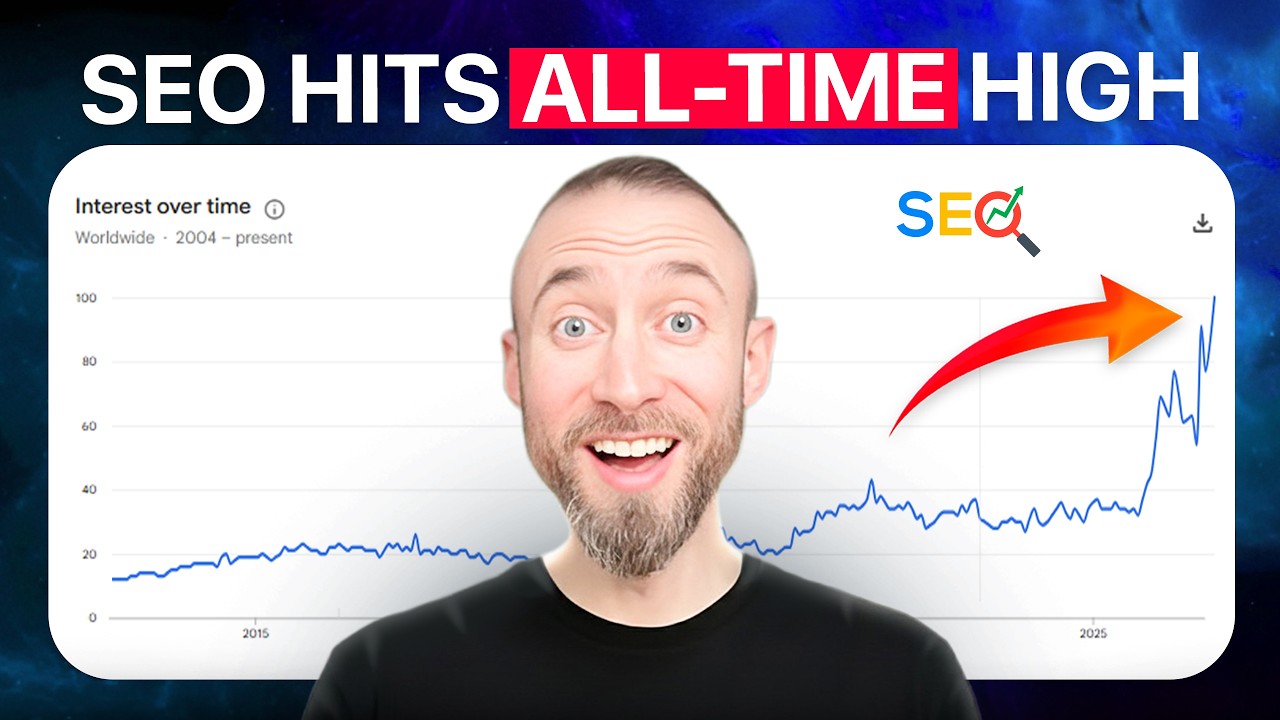
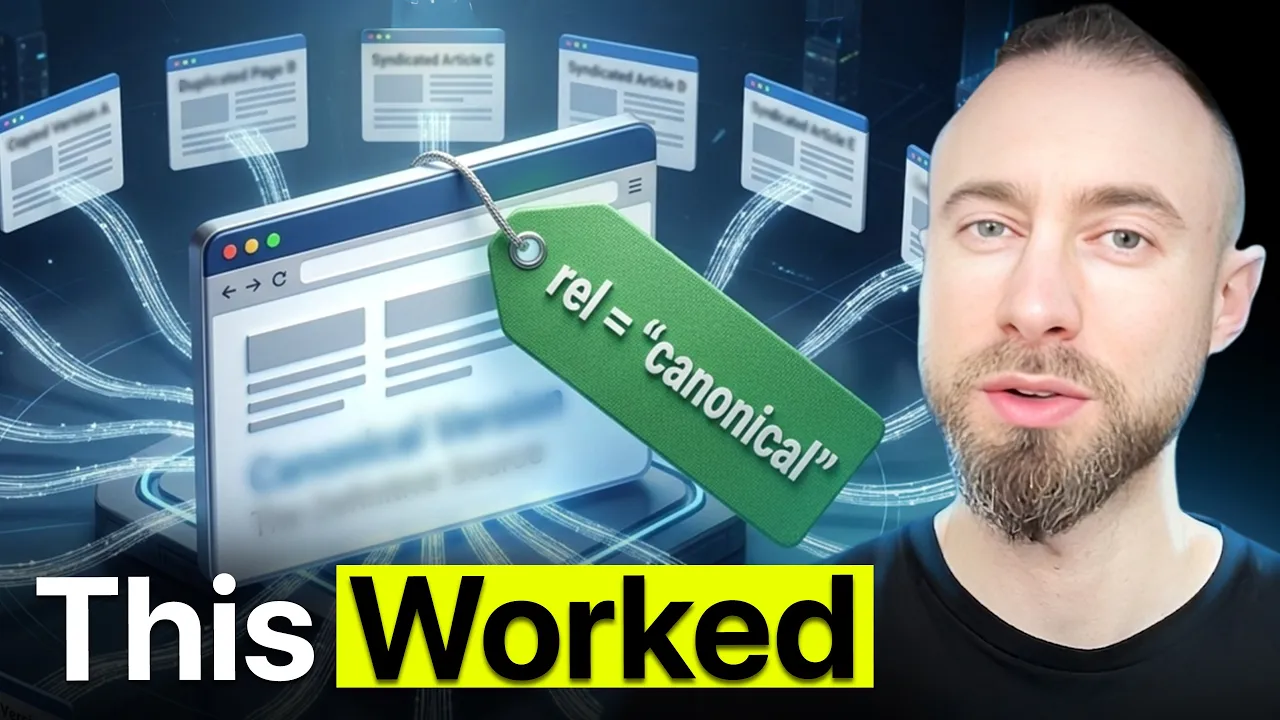


![SEO Full Course 2026 [FREE] | SEO Tutorial For Beginners | Search Engine Optimisation | Simplilearn thumbnail](https://rewiz.app/images?url=https://i.ytimg.com/vi/jmLPfO2AHKw/maxresdefault.jpg)


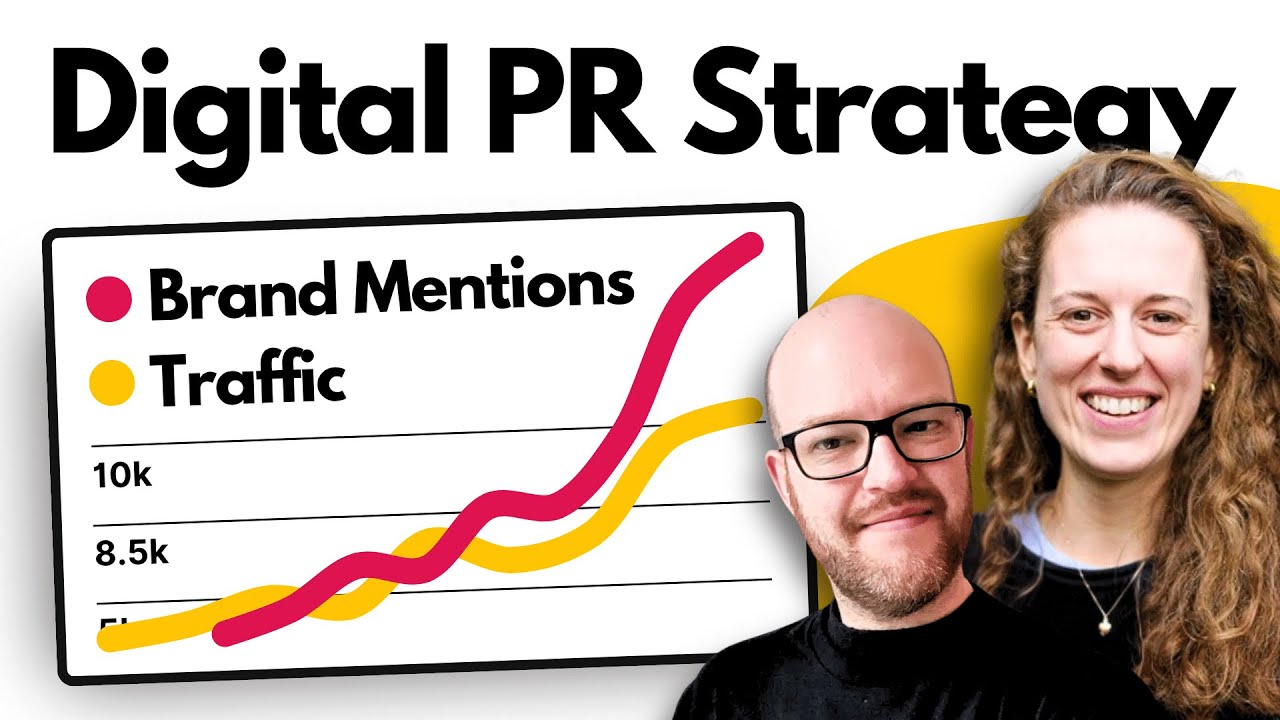
Get daily recaps from
Edward Sturm
AI-powered summaries delivered to your inbox. Save hours every week while staying fully informed.