Adding to the World of Dias

Chapters8
Discusses expanding the Diaz world with new artworks, lore, and culture using updated agent skills.
HashLips Academy demonstrates how to weave new lore into the DAS universe by tagging artworks, using Story Architect, and adding region-specific myths and inhabitants.
Summary
HashLips Academy’s latest walkthrough shows how to extend the world of Diaz (DAS) by turning a single artwork into a full piece of lore. The host discusses the role of the Story Architect skill, available in the agent skills repo, as a tool to define fictional worlds and craft stories around assets. New companion skills—the agent creator and agent skill creator—are introduced as ways to standardize MD files and blueprint skills for consistent AI-driven worldbuilding. The example centers on the ATC artwork and the Glass Water Fields region (F432, a frequency realm in DAS) to illustrate how regions, inhabitants, and myths can grow from existing art. The process involves dropping reference art into the assets folder, letting an agent describe and generate multiple lore entries, and then reviewing the MD files with front-matter metadata that ties the entries to themes like night watch. The video emphasizes metadata as a backbone for future expansions—helpful for books, games, or movies—allowing content to be organized and easily re-used. Throughout, the host reflects on how the artworks acquired over years can serve as starting points for evolving stories, rather than rigid constraints. Finally, they show optimism about AI-assisted worldbuilding, inviting viewers to try expanding their own art into a cohesive universe.
Key Takeaways
- Dropping a reference artwork into the assets folder anchors its lore, preventing duplication as you expand the universe.
- Frequency realm F432 (glass water fields) is used to place and expand regional stories within DAS.
- Glass Water Fields drifters float on tubes in dams at night, watching the skies as a core myth and job.
- MD files feature a prominent metadata front matter (the 'meta') that records theme and context for each entry.
- Story Architect generates multiple narrative entries from a single artwork and stores them as structured MD files.
- Agent creator and agent skill creator tools help standardize agent outputs and keep worldbuilding consistent across entries.
- The process scales from individual artworks to large-scale worldbuilding suitable for novels, games, or films.
Who Is This For?
Ideal for NFT artists, game developers, and worldbuilders who want a repeatable method to expand artworks into a cohesive fictional universe using DAS and AI-assisted storytelling.
Notable Quotes
"The front section over here, the meta, I call it the metadata of the MD file over here."
—Highlights the importance of the MD file's metadata front matter for context and future use.
"These inhabitants, they go out into these dams and they drift there all night long and they enjoy it because it's serene."
—Describes the day-to-day imagery of the Glass Water Fields drifters and their serene nocturnal routine.
"I want you to create the artworks, create the entries of that, create the inhabitants, add a little bit into the glass water fields region as well."
—Shows the requested scope: generate art-driven lore entries, inhabitants, and regional details.
"So now I'm just speaking to the uh agent to cursor's agent which is basically going to use the story architect."
—Illustrates how the Story Architect is engaged via the agent to generate narrative entries.
Questions This Video Answers
- How does Story Architect help turn artworks into worldbuilding in DAS?
- What is the Glass Water Fields region and who are the drifters?
- How can I use the agent creator and agent skill creator tools to standardize my worldbuilding MD files?
- What is the role of metadata front matter in DAS MD files for future expansions?
- How do I review and accept AI-generated lore entries in the DAS workflow?
HashLips AcademyDASStory Architectagent creatoragent skill creatorMD filesGlass Water FieldsATC artworkfrequency realm F432worldbuilding
Full Transcript
I hope you are having a fantastic day. So, as promised, we are going to continue building out DAS. And I'm actually going to show you now how I do add new artworks, new lore, new myths, new culture into this world of Diaz that I'm busy building. The world of Diaz is a fictional world, so watch the previous videos for more information on this. But it's essentially to display two things. The first being the story architect skill which you can find if you go to the agent skills repo. You can find it inside of the skills folder right over there and try it out for yourself.
And that particular skill helps us to define fictional worlds or build out stories. I also added two new skills which is basically the agent creator skill and the agent skill creator. both either helping you to define agent MD files or build out blueprint skills which is pretty cool if you want to stay consistent with what you do regarding AI. So yeah, I'll make a video definitely on the agent creator skills but for now let's start by adding to DAS. So where we left off in the last video, I showed you the area of Wabet now and also Sorrel.
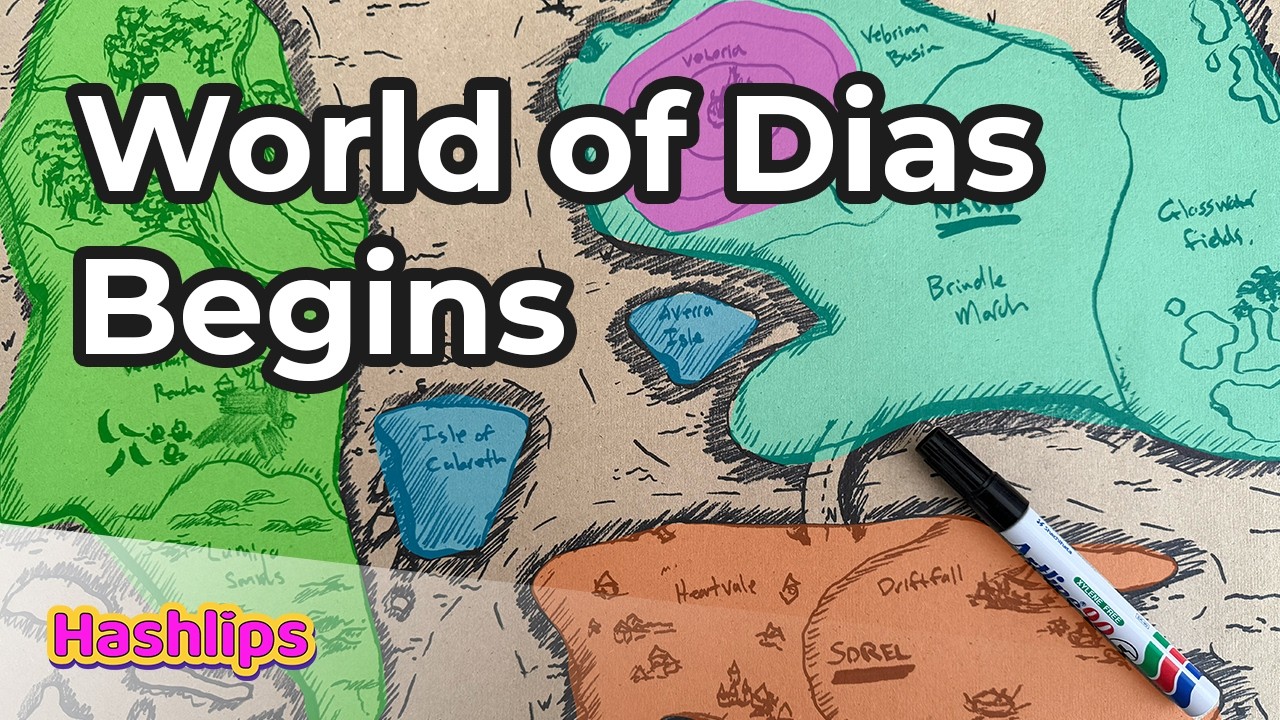
These areas or regions live in the frequency realm called F432, which is a frequency realm in DAS. And DAS can have many frequency realms. It's a way to expand the story or the um universe as we create more things. Right now, inside of these regions, I would like to define them a bit better. So over the years I've created these artworks and now we're going to expand on some of them. So I've got some of these artworks and I'm trying to find one which we can use that would be pretty cool to make a story about.
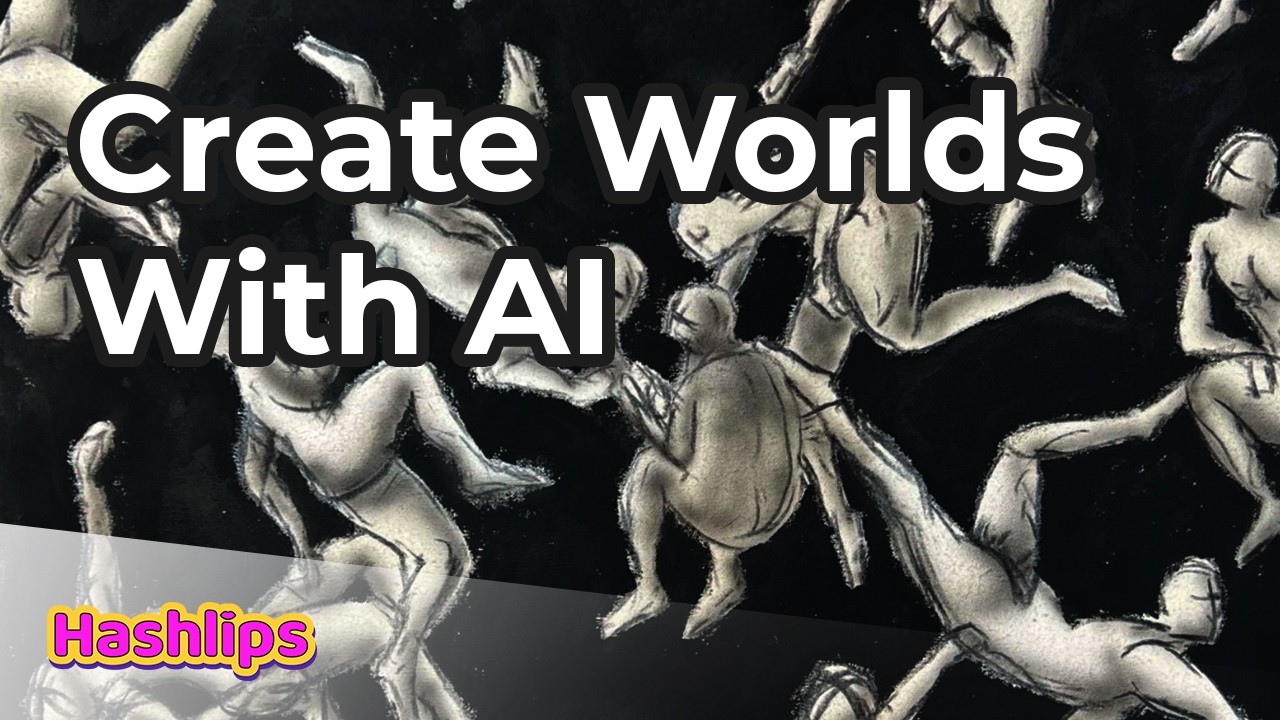
And I found this one which is pretty interesting. It's called ATC. And I think we can start by creating some law around this artwork. So, I'm going to take it and drop it in the assets folder. As this is the system I use, I take my reference artwork, drop it into the assets. That way, I know I've already made uh some sort of law around this particular artwork. So, I don't duplicate myself over time seeing that there's a ton of these artworks that I have to go through. All right. So, what we'll start off with is analyzing these images.
Basically, I would like to look at them. And back then when I drew this or I created this digitally, I had a different meaning for it. Maybe I felt like someone at sea drifting around, you know. So there's various reasons why I've created specific artworks throughout the years. However, the artworks don't necessarily have to have that meaning inside the world of Dios. It can have something else. It can have a different meaning. In this case, I think it should portray some inhabitants of the region of now. And if we have a look quickly at the map, and we haven't really said anything about the glass water fields area in now.
So, I think this image at sea makes perfect sense for these kind of inhabitants to do something around the glass water field. seeing that in glass water fields there's a lot of clean water pure water and these might be inhabitants drifting there for some reason. All right, so let's give it a go. Now in cursor I've got in the skills dtory architect and then I just like to copy the relative path which we can then paste after we done. So now I'm just speaking to the uh agent to cursor's agent which is basically going to use the story architect.
So let's give this a go. I want you to make use of the story architect skill that you have to your disposal and I'm going to describe uh the at artwork that will form part of the Diaz world specifically in now in glass water fields in the southern re region of glass water fields basically there are these big clean pure water dams and in this artwork it's depicting a bunch of inhabit habitants floating on tubes on these dams. And what these inhabitants are doing is they are the watchers. They watch the skies. They watch the stars, especially in the evenings.
And so as soon as the nighttime is roughly about to start, uh, all these inhabitants, uh, we can maybe call them the field glass water field drifters. We'll come up with a name for them later on. But these inhabitants, they go out into these dams and they drift there all night long and they enjoy it because it's serene, it's calm, but they have a very important job and that is watching the skies. Now, glass water fields, the region and like the inhabitants staying in glass water fields respect these inhabitants, these drifters quite a lot because they keep them safe.
We don't know why yet, but we know that it's a very important job for them specifically to watch the skies. Each glass water field drifter has their tube that they float on and they keep that tube with them for their entire life. Some of them even pass their tubes onto their children as they are proud to take on their job as a glass water field drifter as well. I want you to uh create the artworks, create the uh entries of that, create the inhabitants, add a little bit into the glass water fields region as well.
And then let's add a myth, right? Uh a myth about why they are watching the skies. I think it's said that many years ago uh there were creatures that would invade uh glass water fields and these creatures would always come from the sky. Now we'll define these creatures in a later stage but they are flying creatures and usually it's hard to observe the skies all the time. So, their best strategy is to just have these drifters looking up at the skies in the evening, especially when no one is awake. Uh, let's do this entry and see how it goes.
All right, so now that was a lot of talking, but I must say it's quite fun as well because you get to experience the artwork in a different way. I get to look at it, get to observe it, I get to imagine a story, right? And whether this is the perfect entry, the perfect story, who knows? It might change later on. It might change depending on another entry. Uh but I want to show you the power of the skill once again. And then I just want to show you my process as well. So here it goes.
The agent is busy, you know, describing the ATCMD artwork and we're going to check in to see which entries it had made for us. All right. And it's completed its entries which is pretty nice. And you can see from over here we can see four entries. We can also see in the get changes uh some of the entries. Now I've added two other things as well. So we can just basically have a look at the artworks over here. Open the AT cmd file. I'm going to accept all of this so that we don't have the green.
And let's take a look. Now, something important about this skill and what I really like about it, I've said it before in the previous videos, is this front section over here, the meta, I call it the metadata of the MD file over here. It gives us the context of where this thing takes place, whether it's an artwork or an artifact or a myth, which we'll see later on as well with the myth. But it tells you what is this related to the theme. As you can see, night watch. Um, it is pretty cool, right? So, give it a read.
Pause the video and and see what it's created. Now, whether it's perfect or not, this is an entry point for someone to start imagining glass water fields, the region, what's happening there, one of the inhabitants, which is the glass water field drifters. If we go ahead and go to inhabitants now, we should see an entry for the glass water field inhabitants and again there is the metadata again the theming. And so what makes this great as well is later on if you are using this skill to flesh out a book or flesh out some sort of story, some sort of game, anything really that needs metadata and a story piece or law or you know just organizing some piece of content.
If you want to turn that into a game at some point or a movie or a book, you can do so easily by starting to piece these things together, making sense of it. And it also helps an agent later on make sense of the pieces because of this front piece in each of the files. But needless to say, so we've got our glass water field drifter inhabitant explaining what they do. And then like we said as well, uh, we needed a myth. Now, as you can see, I've got a ton of myths already. And it's so fun to add these things that it comes so easy, right?
Cuz you can just pick an artwork or you can pick a scenario. I'm planning on making some lino artworks of stamps. And I'm going to include that in the world as well. And I'm really just setting up my previous artworks to give some context of some sort of universe so that when I create I kind of imagine in my head already how a story progresses from there. And it's not necessarily that I create my artworks to fit into the story, but more so that it finds a place. Right? When you look at all the artworks, you can see different um elements of the story as well.
Now, there's still a lot of artworks for me to go over and slowly build up just stories around them. And I think it's so fun because I have all these artworks and it's taken me all these years to build out and just looking back at all of them now finally getting to put together cool stories that can complete the universe and having AI to help me out do that. So I wanted to share this with you so that again maybe you get inspired to work on your art, work on your book, work on your movie, whatever it is.
If you have a little bit of time throughout the evening and you want a quick way to add to that story without it taking too much time, you can always use something like this. However, I hope you have a fantastic day and I'll see you in the next video. for now.
More from HashLips Academy


Get daily recaps from
HashLips Academy
AI-powered summaries delivered to your inbox. Save hours every week while staying fully informed.