Digital Marketing Strategies Full Course 2026 | Digital Marketing Strategy Training | Simplilearn

Chapters28
An overview of the digital marketing foundation course, goals, and what learners will explore, including audience understanding, strategy, channels, and performance tracking.
A practical, in-depth tour of digital marketing foundations in 2026—from core channels and analytics to SEO, ads, influencer marketing, and WordPress basics.
Summary
Simplilearn’s long-form session dives into digital marketing foundations with presenter Jigisha guiding viewers through the full landscape. The course starts by reframing digital marketing beyond social posts and ads, stressing audience understanding, channel selection, and measurement. Jigisha covers career paths (SEO, performance/paid marketing, social, content, influencer, email), the customer journey (awareness to retention), and essential metrics (CTR, CPC, ROI, ROS). The tutorial then walks through website strategy, homepage/landing page differences, and the role of SEO basics (keyword research, on-page/technical SEO, meta titles). Paid advertising sections include Meta, YouTube, and programmatic considerations, plus the importance of analytics tools (Google Analytics, Search Console, Microsoft Clarity, Meta Pixel). Behavioral marketing, audience segmentation, and full-funnel strategy (reaching, acting, converting, engaging) are tied together with the RISE framework. The speaker also shares hands-on, field-tested insights about working in agencies vs. in-house, AI’s impact, and the realities of cross-functional collaboration, upskilling, and managing client expectations. The latter parts cover the practicalities of YouTube ads formats, media planning, and the realities of campaign management, including ethical considerations, KPI forecasting, and risk management. The session ends with a pragmatic tour of WordPress vs. free WordPress sites, plugins, SEO auditing, and how to approach website optimization from on-page, off-page, and technical perspectives, emphasizing planning, dashboards, and continuous learning as the landscape evolves toward AI-driven tools and AI-assisted optimization.
Key Takeaways
- Performance marketing drives rapid growth but comes with high pressure and budget accountability due to large ad spend on platforms like Google, Meta, and YouTube.
- SEO is a long-term, iterative discipline—fast wins are rare; brands frequently run paid ads in parallel to gain quick traction while SEO matures.
- RISE framework (Reach, Interact, Convert, Engage) maps the entire customer journey and guides channel selection and metric tracking at each stage.
- Avoid unrealistic client expectations; forecasts are educated and contingent on market conditions, competition, and product-market fit, not guarantees.
- WordPress offers a practical path for small brands or personal projects, with plugins (All-in-One SEO, Yoast, MonsterInsights, etc.) enabling strong on-page SEO without deep coding.
- Backlinks and domain authority remain important for off-page SEO, but quality and relevance matter more than sheer quantity; avoid spammy links and disclose paid links properly.
- AI is reshaping both content creation and optimization; marketers should embrace AI tools to automate repetitive tasks while focusing on strategy, testing, and experimentation.
Who Is This For?
Essential viewing for aspiring or current digital marketers aiming to understand 2026 best practices across SEO, paid media, analytics, and website optimization. Great for marketers transitioning to AI-enabled workflows and agency folks seeking a holistic, hands-on primer.
Notable Quotes
"Every brand wants attention online, but only smart marketers know how to turn that attention into clicks, leads, sales, and loyal customers."
—Opening framing of digital marketing goals.
"Performance marketing is the only way to quickly grow your business, but it’s high-pressure because brands spend big on ads."
—Explains the appeal and risk of performance marketing.
"AI will replace those who don’t know how to use AI, because it removes repetitive tasks and frees you to focus on strategy."
—AI integration in daily marketing tasks.
"The RISE framework is Reach, Interact, Convert, and Engage — a four-stage ladder for guiding campaigns across the funnel."
—Framework for planning and measurement.
"WordPress is a practical path for small brands to build a site; plugins make SEO doable without deep coding."
—WordPress versus coding for website deployment.
Questions This Video Answers
- What are the practical steps to set up a YouTube ads campaign for a brand in 2026?
- How do I forecast ROS/ROAS for a new product with limited data?
- Which SEO tools should a beginner use to audit a WordPress site?
- How is AI shifting digital marketing strategies in 2026?
- What’s the difference between on-page SEO, off-page SEO, and technical SEO for a new site?
Digital Marketing FoundationsSimplilearnSEO BasicsKeyword ResearchOn-Page SEOTechnical SEOMeta Titles and DescriptionsWebsite StrategyYouTube AdsMeta Ads / Facebook Ads
Full Transcript
Every brand wants attention online, but only smart marketers know how to turn that attention into clicks, leads, sales, and loyal customers. Welcome to this digital marketing foundation full course by simply law. Today, almost every business is online from small shops to global brands. Everyone is trying to reach the right audience, get more traffic, generate leads, and increase sales. But digital marketing is not just about posting on Instagram or running random ads. It's about understanding your audience, building the right strategy, choosing the right channels, tracking performance, and improving results step by step. Now, that is exactly what we are going to learn in this course.
First, we'll start with the basics of digital marketing and understand why businesses are shifting online and how digital marketing help brands grow. Next, we'll explore different career paths in digital marketing like SEO, performance marketing, social media marketing, content marketing, influencer marketing, email marketing, and many more. After that, we'll understand the customer journey and marketing funnel where we'll see how a user moves from awareness to consideration, purchase, and retention. Then, we'll learn about important marketing metrics like CTR, CPC, ROI, ROS. We'll also move into website strategy where we'll understand why websites matter, how to analyze a website and what makes a good homepage and how landing pages are different from e-commerce website.
We'll cover SEO basics including keyword research, onpage SEO, technical SEO, meta titles and many more. Then we'll talk about paid advertising, performance marketing like meta ads, YouTube ads, campaign planning, budget estimation. We'll understand web analytics tools like Google Analytics, Google Search Console, Microsoft Clarity, Meta Pixel Helper, and how marketers use data to track user behavior. Later, we'll explore behavioral marketing and audience segmentation where we'll learn about how to use user interest, location, actions, and intent to create better marketing campaigns. Finally, we'll look at fullfunnel digital marketing strategies, including the race framework, reach, act, convert, and engage, and how brands use SEO, ads, email, content, webinars, and retention strategies together.
And by the end of this course, you will understand how digital marketing works from the ground up. So, let's get started. Now, before we get started, here's a quick information. If you want to become a digital marketer, I highly recommend you checking out this AI powered digital marketing course from SPJ School of Global Management and Simpleon. Now, this is a five-mon online course that will teach you everything you need to know about modern digital marketing and it's designed specifically for the AI era we're living in right now. And the best part is you'll be learning how to use tools like charge, Canva, SER along with 50 other marketing tools that companies are actually using today.
This isn't just theory. You'll be getting live interactive classes with real professors from SPJ and global work on seven hands-on project with mentor support and study over 15 real world case studies. The course covers everything from SEO, social media marketing, email campaigns, analytics, and automation. And what really makes this course stand out is that you'll be getting free meta and Google ad credits to practice with. So what are you waiting for? Hurry up and enroll now. The course link is mentioned below. Now before we get started is a quick quiz question for you. What is the main goal of digital marketing?
Only posting content online, reaching the right audience and driving business result, only increasing followers? Let me know your answers in the comment section below. So now um what exactly is digital marketing? U guys first thing in digital marketing before I start no need to mug up anything. Okay. So like this industry doesn't expect you to mug up any definition. Um whether you go for the interview, whether you do your presentation, whether you speak to your client, right? If you know the concept and if you can explain it in your own way, that's completely fine. And I mean um uh no one would expect you to give a proper definition with some exact words.
No, you can explain things in your own own way as well. Just try to understand the concept, the logic behind it and I think you're good to go to explain it to someone else as well in future. So now what exactly is digital marketing? Starting with the most basic thing. Okay. Basically you can call it is one of the form of marketing uh where you're trying to promote a brand uh product or it could be a service to digital medium. Okay, that's what we call as digital marketing. The most uh basic way to define it.
Okay. Now digital marketing to be very honest was popular. It it is not that it's something completely new but I would say um like I joined digital marketing before co obviously uh so before co as well I think people kind of knew about the industry but it wasn't that popular popular uh what happened was at least for India location for other countries might it might be something else but after covid because uh you know the clothes the the offline medium was stopped you know the only way for a brand to go grow was to online mode and to grow through online mode they have to do online promotion and that's where I saw a bigger boom in digital marketing.
So I remember during co time um I saw a lot of brands integrating themselves into the digital world in India. Uh they started creating their website social media they thoroughly started creating content doing paid ads and 10 other things into digital marketing. So uh I'm not sure about other industry but during covid time at least this industry was doing pretty well. uh compared to the other industries in the market that I knew. So and after that there was like obviously we you are seeing that boom that's going on like uh I'm not sure how many of you watch Shark Tank but uh whenever you watch Shark Tank and whenever you heard like if you listen to any of the pitch uh that the founders talk about for their brand when they talk about marketing uh rarely anyone talks about the offline side of it it's very digitally heavy.
Okay. So, so you can see that shift clearly. You see now irrespective of what kind of brand you join or what kind of industry you work into everyone needs marketing and like as I said like nowadays I think 70 80% of market share of marketing is into digital right 20 might be offline that to when you talk about startups they are heavily into online side of it okay so like uh you know you can work what I like about digital marketing okay this is what I personally like that um let me just open a word doc as well while I speak.
So what I personally like about digital marketing is that I can work with different industries. Okay, that's first thing like I I never got bored into this industry because every year I might be working like Adobe has been someone for which I'm working very constantly for the last few years but before that I used to juggle between working with so many different industry so many different categories in general okay so there used to be time where at a time I used to work with one BFSI one e-commerce one a tech so you never you will never feel bored you would never feel that oh you know I'm doing some repetitive task nothing on those line okay like uncertain is the word for this like when I say uncertain basically you are there's there's lot of diversity in your work okay so this is what I and I I'm someone who personally like that but otherwise I'll get bored okay second thing so when I say diversity diversity comes with different you know industry or brands you work with okay diversity also comes with um different platform platform that you work with.
Okay. Uh when I say platform, you work on Google, sometime you're working on Instagram, sometime one time you're talking to an influencer. So like you know there's a diversity of work when it comes to platform as well. There's a diversity on region as well. As I said the experience that you'll get when you work with the Indian market is complete different experience that you'll get when you work for a Japan market or a UK market or a US market. And the good thing is as a digital marketer you can sit anywhere and you can work like uh again the next thing that I personally like about digital marketing is um the flexibility that it gives.
Okay. Like I know I I travel very oftenly and I can work from anywhere. That's a very good thing. I I personally feel uh there's no restriction as such that I have to go to office and if I I work uh I think the companies are also very supportive on those lines. So you have that flexibility over there. Okay. Uh next thing about digital marketing guys uh that you would see is uh people don't only just do job. Okay. So like when when I talk about career-wise as well, we only think about job as a as as a career into digital marketing.
But trust me, when you join this industry, you will see people exploring 10 different things. Okay? For example, sorry. So like let's say you are doing job but apart from job let's say what all what else you could do you can do freelancing right you might have heard this term very oftenly freelancing is basically uh like in a job you are doing all the operation task uh while you're representing a company but in freelancing once you get an experience you can yourself work with the brand directly without any company in between okay uh there are many people who do consultancy in this as well when I say consultancy now in Freelancing you have to do execution plus you know client handling and all of this kind of work.
But in consultancy you are just providing your strategies. Okay. You are not doing any execution as such. Right? So you if you have that kind of experience you can just act like a consultant where you will provide the strategies you will give those insights but rest the execution part is not your headache. So if you're someone who get very bored that okay I don't want to take that headache of execution. do consulting. Okay. Um, apart from this, people do training as well. When I say training, it is like the one the one what I'm doing right now.
There's corporate training, there's with one with edtech. Uh, colleges have nowadays a proper subject of digital marketing. By the way, so this is there in the picture. Now people start their own business. When I say like when I say proper business, I mean they'll start their digital marketing agency or they might start their institute, right? they can do something on those line. Now there are many people what they do they collaborate with other businesses and work on revenue sharing model. Okay. So what do I mean by this? Let's say here on the call we have um Miranda, we have Somia, so many people out there.
Okay. So let's say you all have a business. Uh let's say you know Somia has a skincare business. She's good with operation. She's good with creating those product but she's not a great marketer let's say. So what I'll tell Somia that Somia you have a great product I'm a good marketer we both can collaborate. So I'll look after all the sales and marketing part you look after operations and 10 other things and whatever money we'll earn whatever revenue we'll earn we'll share and there are many digital marketers who have done that right so they didn't took a fixed cost I won't take a salary from Somia I'll tell her that whatever business I'm able to give her so over here uh won't like you know I won't take any salary from him I'll tell him that okay you know whatever business we'll generate let's share the revenue you let's share the profit basically I don't need any fixed u salary from you or a fixed hourly charge or something on those line okay so that's how things work here so you can and I mean as I said digital marketing is applicable in every industry so whatever industry you personally like so I know many people who only collaborated with those businesses for which they had an interest for example I am someone who's very uh interested in healthcare brands okay so I would only collaborate with those businesses because I the thing is I know marketing and second thing is I know the product I know the industry I have that passion for that industry right so that's how things work over here now earning wise as well people take some you know fixed monthly charges there are brands uh there are some you know people who work on hourly basis as well there are some um uh you know businesses who work on revenue sharing model so it's up to you like there's a lot of flexibility over here is what I would say.
Okay. So I would say the pro about this industry like the pro part about this industry is the diversity. I call diversity as a pro. Um uncertain is not the word but how should I say uh it you will never feel bored. You'll get exposure of different brand, different industry, different platform, different region. Uh flexibility a very good thing. You can work from anywhere. Um as I said you don't you're not just restricted with job. you have all these other things that you could do. Okay. Um one thing about digital marketing and and also one more thing you can be like so you know when we talk about people there are some people who are number people or a creative person.
Okay. So let's say if you're a number person you can join this industry even if you're a creative person you can join this industry. So this industry is has space for both the kind of people number and creative both. Okay. But one thing about this industry that uh one should be comfortable with is it keeps on changing. Okay, when I say keeps on changing basically let's say whatever you're learning today probably won't remain the same exactly same in next year things would change. Okay. So you know you have to uh evolve basically uh you have to upskill upgrade whatever word you want to use uh quite frequently I would say the reason quite frequently because if you want to keep on earning that kind of money you have to keep yourself upgraded otherwise other people won't entertain you on those lines okay um next thing uh and and I also personally do that like I mean it's been seven plus years but trust me every year I have to give my exams okay So what I personally do is because I want to stay relevant in this industry every year I give my exams or different for different platforms.
Obviously when you work with good brands they sponsor those kind of upskilling and upgradation for you. So that can be done but you should be like if if if you're looking that okay I'll join this industry and then for the next 10 years I don't have to upgrade I don't have to upskill I don't think this is the industry one should join. Okay so that's how this industry function. Okay, these are like some common things that you would see within this industry. Now, um also coming to the next part. So, what all digital marketing consists of?
Okay. So, digital by the way uh one more thing about digital marketing is there are lot of aspects of digital marketing uh that you would do which is which also includes business decisions. Okay. So there are lot of section of digital marketing where you're not just doing marketing you're taking some business decisions as well for the brands and I'll talk about this later on. So that is also a very good thing that you get skin in that game like you know you learn business side of it as well. Okay. Um now what all do we have into digital marketing?
Let's try to understand this. So there are different departments. Okay. Um let's start one by from po. So I'll I'll give a ranking from the most popular or the most high paying to you know the one who was at the lower end. Okay. So currently the most popular one is performance marketing. Okay. People have given different terminologies for this PPC, SEM but like the current trending one everyone call this as performance marketing. You have SEO, you have social media marketing. Now in social media marketing as well uh you know it's divided like some some people only work towards the influencer side of it you have content marketing you have um I think this much and when I say social media marketing this is pure organic we are not talking about paid performance marketing includes the paid side of it okay we have programmatic advertising I'll I'll I'll give you an idea of all the aspects.
Don't worry. And then we have something called as analytics. Email marketing is also part of it. So here I'll write plus email marketing. I think these are like your major uh departments when it when we talk about you know digital marketing. Okay. Now the highest to lowest looks like this. I won't say this is lowest but still. Okay. Now this are major department. Obviously there'll be some small nitty-gritty work but for that there's no department as such. Everyone works into the same uh section only. Okay. Starting with performance marketing guys. So what exactly is performance marketing?
Now people have given different terminologies to it. But basically wherever you see some ads showing up to you. So let's say you're watching a video on YouTube and you see an ad that you can skip or you're scrolling on social media and you see some ads showing up right you go on Google and you search something you see some ads coming up anywhere where you see ads or sponsored or promoted that is part of performance marketing okay so performance marketing is nothing but basically promoted sponsored or your ads whatever you would want to call it okay now performance marketing in itself is a very big department because like all the online platforms gives you an option to promote your brand and you can work on them.
Okay, I'll give you a list like right now only when I'll write the list you'll be like okay there are so many things to learn over here as well. Okay, so first thing you as a performance marketer you have to like there's a lot of numbers thing that you should be okay with plus there are some creative role as well that you can work on. Okay. Now in performance marketing people work into different se like there's lot of things. So starting with search engine. So you work on platform like Google ads, Microsoft ads, uh you know Yahoo ads etc.
You work on social media paid side which is you are running ads on Instagram, uh Facebook, LinkedIn, Pinterest, Twitter, um you have Tik Tok as well though it's banned in India but for the location it's very popular. Whatever you have your WhatsApp uh let me see if I'm missing anything. You have Snapchat right? So all of this are part of it. Your YouTube is over here. So I won't count YouTube separately but YouTube is part of the search engine. Then you work on aggregator e-commerce as well like Amazon, Flipart, you know, etc. You work on OTD platforms as well like your Netflix if you want to show ads on Netflix or Prime or Hot Star whatever it is.
Okay. You work on payment platform as well like your GP payta. you work with affiliate plus email marketing plus SMS as well. Okay. So there's lot of thing. Okay. You work with some uh you know publishers as well like you know times of India or in shorts or other news app etc. Okay. So there are lot of things over here. I might have missed out few things because I mean it's a very endless list but you as a performance marketing itself you have to work like you me working for 7 years there are still some platform that I still don't got an opportunity to explore on okay so I won't say that I have explored all the platforms there are some there are things that you'll miss out because things keeps on coming okay like now we have uh Apple ads and Samsung ads as well in the market okay so I I got an opportunity to only work on the Apple side but okay there are Apple ads there Samsung ads um by the way chart GPD and all this EI platforms will also have their ad integration uh might come in future so that is also something that has been expected so performance marketing itself it's such a big department okay where you're working on so many different things now uh by the way all this platform names that I've wrote they keep on getting updated okay so it is not that okay I've learned Google ads today it will remain the name next year.
No, there would be upgradation and I have to be updated with it. Now, why this field or why this department is popular? When I say popular, I am saying that it is popular plus high paying as well. Okay. Uh now why is that so? Okay. So the major reason over here is only way of marketing where you can quickly grow your business. Okay. So other form of digital marketing are much more slower when it comes to growing the business like to do SEO or if you're doing social media organic. Programmatic is different. We'll discuss this later.
It's not part of it. But like the three major thing of digital marketing is performance marketing, SEO and social media. So if I compare all these three, the only one which can quickly grow your business is performance marketing because your social media and SEO thing will take time. Social media at one at once inside let's say you create a very viral content or you do a very different collab then yes it can go viral and can quickly grow your business but that that doesn't happen every other day right I mean it's very uncommon right? So SEO, social media takes time.
Hence all this new age brands that are coming into market, all the startups, everyone who want to grow their business very quickly, they per they prefer performance marketing. Okay. So it is popular, it is high paying but high pressure compared to other departments. Okay. When I say other department, when I'm comparing it to social media and but what is the reason? What do I mean by pressure? Because as I said this is a one of the most popular way to quickly grow the business. They the brands obviously wouldn't take chance wouldn't allow any major mistakes as such.
Okay. Second thing the brands pay uh you know two ways on performance on performance marketing. Okay. First one is service charge of the performance marketer. Okay. So basically let's say I'm a performance marketer. the brand would pay me for my services charge plus um you know payment to the platform for running ads and trust me the amount that brands spends are in crazy so now in this like for social media still you're giving service charges and a very bare minimum amount to put things on platforms or get getting some tools and all of that that doesn't cost that high but here the cost is not only like first thing they're giving me for my service charges.
Apart from that they have to heavily spends on they have to heavily spend a lot of money on Google or social platform to show their brand product to promote or to sponsor that brand product. So they're paying double the amount. So they expect that kind of business growth. They expect that kind of revenue jump. This department has like both. I am uh now okay uh performance marketing again would it get automated? How AI is coming into picture? See AI has been used in all the aspects of digital marketing. Um I mean the most popular saying AI will replace those people who don't know how to use AI is very true.
Okay. Because AI will get help will will at least get rid of your repetitive task. We'll discuss about this later but like still even if like you join this department trust me it will take lot of time for you to work on all this tool together because not every other brand is showing ads on Amazon or Flipkart or G pay or payment right? know even if you're working with a very big brand as well right so you would never get bored you will get lot of insights on the business side of it you will re get really great with your numbers uh a high pressure department um in India it is little bit high pressure compared to other international market international markets are not high as high pressure as Indian market um because in India we still have some frugality from the brand's end but still like if you want lot of learnings things are very very different kind of learning.
You should first experience this with the Indian brands and then when you go international you can go and like do more deep dive research. Okay. So that's all we have under performance marketing. Moving next is your SEO. Okay. SEO is all about you know so I'll just quickly show you a classic example over here. I'm searching for health insurance. Let's say so can you see sponsored result? This is basically performance marketing. Whatever falls under sponsored result. So 1 2 3 4 the are all part of performance marketing. If I hide this like you can see some website which have been ranked.
This is part of SEO. Okay. So SEO in a very simple term is to rank website or your video on YouTube or or organically higher on the result page. Okay, that is what we call as SEO. Basically you are not paying any money. Okay. So for Google all this brand HDFC, Policy Bazar, Ditto and Dupa have same are giving some money to the Google ads platform to show their ads over here. But for this for policy bazar or again for Tata Star they are not paying any money to the platform to show their website. They have organically reached this uh you know benchmark.
So in SEO you have to make sure that your website rank higher and not just on any other page but the first page because nowadays people don't have that kind of questions that they'll go and check till 10th page. Correct? Now SEO has also changed a lot. SEO earlier it was all about getting it ranked higher on the search engine. Now but people also want you know um um AI optimization because now you get AI answer right. So you have AI, go whatever it is. Basically the whole point of them is that now because AI also gives you a summary answer.
Okay. Let's say I'll search for best health insurance. Okay. Not sure why I'm not getting any summary right now. But yeah, like this. Now here I would want my my brand to be shown, right? So now it is not only about ranking your website higher on the search engine result page brand also want to rank higher on the AI answers right and that's how SEO has shifted. So one major difference that people have seen on SEO was see don't you think before AI if you wanted to do any research you used to go on Google and search let's say Somia want to buy a laptop he would go and search best laptop under 50k would you not go on Google and search about it but now that shift has come to the AI tool so now for research or for education purpose hardly people go on Google and search because they have to find out from all the answers which answer they should go and refer to.
So they directly go to charg or claude or perpexity or gemin or any other a2 they ask over there that okay you know uh best laptop under 50k don't you do that guys have you seen that shift amongst yourself that few months or few years back you used to go on Google to do all this kind of education based research right your awareness based research but now you go to the AI tool to search ask such kind of questions yes No, correct. Miranda, you don't go to uh AI tool to ask any qu like don't like do you still use Google a lot compared to AI tools but like what is the um breakdown?
So see I'm talking about the research stage like when you are at an awareness stage. So you go on Google and you list down from so many websites and then you chooses what you're saying like you still don't completely rely on AI much is what you're trying to say. Okay interesting but the cases are again very few like out of the all the answers that we have seen it's only Miranda probably who's still relying a lot on Google compared to the AI tool. Okay. Uh obviously he would have his own reason could AI obviously does give lot of wrong answer.
It also hallucinates you. Uh there are 10 things that the AI does. U but again uh correct correct correct. I also agree. I I use AI very frequently. So I know it hallucinates you. Uh sometime it also gives some wrong answers because the model is still getting trained. Right. But um there are some AI tools which does a really good job. I really like claude personally compared to charg and all of that. I've been working I've been using claude for a very long time and I had a very great experience. uh but coming back so again I'm not like obviously there are people like Merinda and who are still not having that kind of trust on AI but there are many people have shifted towards using AI compared to asking questions on Google right so what this created an impact was the queries that like what people saw that okay now from education perspective hardly people are coming on Google people are going to Google but on for a very transactional kind of queries like you know I I don't remember last when did I went here and search for best health insurance.
I didn't but I do lot of transactional kind of questions like you know let's say buy uh Dell Elliot book laptop you know I would ask such kind of transactional questions over here but I would like the shift is more that okay people are still asking transactional questions or queries but they are not asking those kind of educational queries anymore right I mean I'm not saying everything has been stopped but they have seen a very um steep decline in those kind of queries so the now Now the whole point for brand is that they want not just their website to rank here on the search engine result page but also on the AI answers.
Okay. And that's how SEO is getting shifted. Correct. Um so that's like that's one thing in SEO but SEO is still um uh I mean you would still need SEO like SEO won't go anywhere. You still would want because see people are smarters now day. They can differentiate what is ad what is organic. Okay. on a very serious note. Uh so what happens like there like one some percent of your brain would trust a organic answer more than a paid uh sponsored content right so it's not that you don't have to do SEO you have to do SEO but you can't just completely rely on SEO SEO takes time to grow okay so till that time your business can't get impacted so what brands do they start their business heavily with performance marketing and side by side they do SEO side by side they do social media organic And when like when this SEO and social media organic grow let's say in the next 2 or 3 years what they would do they'll decrease their amount of money that they're spending on performance marketing and they'll go rely get the reliance on SEO and social media that's how things work okay but if you're a new brand new business new product new service and you think SEO and social media will help you to grow your business very quickly very rarely that would happen you'll have to rely on performance marketing to do that okay so the ideal strategy for a new brand has always been the heavily spend on performance marketing.
While they're heavily spending on it, they try to grow SEO and social media side by side and later on once they both get equal, they try to reduce some spend on performance marketing because performance marketing will only work when you're putting money. Once you start when you once you stop putting money your performance marketing will have zero impact, right? So brands don't want to blindly get dependent on performance marketing because it it like you you spend a lot of money. I I mean brands spend in crows and whatn not like obviously B based on brand's capacity but there are many brands whose business 30 or 40% cost comes from performance marketing like they're heavily reliable on this particular section of digital marketing right so to reduce that dependency they are realizing that SEO and social media is also very much important the organic side of it and they're doing it side by side okay now when you do all any form of uh digital marketing because it involves number Analytic is also very important.
Okay. So there are uh basically in analytics you don't run any ads or you don't do any marketing but you analyze the data. Okay. Analyze the data um get some insights from there create a strategy uh and pass on that strategy to the people who are working on the operation side of it. So analytics obviously it's required. It's all digital it's all number. So you need to analyze the data, get some insight, get some strategy and share it across to the people who are working on it. Now what is programmatic advertising? This is also one of uh by the way social media, we all know what is social media.
Basically all brands who post different thing on their page and all. Obviously social media also the like it is divided. There's influencer marketing where you do collab with the influencer could be paid, could be uh organic as well. You never know. Content marketing is basically all the content that you put on your social media platform. Okay. The strategy behind it is part of content marketing. So, social media consist of all this mix. Uh I would say a very creative field. Okay. Uh SEO is both creative plus number but social media is very creative heavy field like you have to be you should have that um creativity within you I would say.
Now like for example okay I won't say uh if you if you're not a creative person don't join this field. I am also like if if I compare myself with the industry benchmark I won't call myself a creative person but I still learned this. Okay. So people like me who don't come up with lot of creative ideas and it could be it could be possibility. What we what what we do is like we try to study other brands. We take some inspiration from other brands. So we do a lot of competitor analysis to get those kind of creativity within us.
So it is not that okay ma'am I'm not a creative person then I won't join this field. No you can okay then you'll have to do a lot of computer analysis. You'll have to read lot of thing. You'll have to see what brands are doing and you take idea from there. If it doesn't come naturally to you right so that is also one of the way to work. Okay. Now coming to the last part which is programmatic advertising. Okay. Now programmatic advertising is basically um okay here also you are running ads okay basically ads or you call it promoted content uh or sponsored all of this has been done here as well but on premium inventory.
So what happens is in performance marketing lot of things are accessible to any kind of brand like you can work on Google ads uh and you can show ads on YouTube whether you're a small business or a big business or a normal midsize business. So then what happens that it it's it's very difficult for a bigger brand to differentiate themsel. So then they came into picture call as programmatic advertising where yes you are trying to show your ads um but on some premium content okay or a premium inventory you are not showing your ad randomly anywhere you are choosing very pre when I say premium inventory basically um expensive inventories okay there are a lot of expensive inventories digitally where you would want to show your ad and it's part of programmatic advertising okay uh I won't say it's a new field it is there in the market but and there's Uh there's a very big gap by the way over here.
Okay. So there's a lot of demand but um less quality supply over here. Okay. Because not everyone know about it. Okay. And one more thing the demand is mostly from uh you know big brands. So you don't you don't want to get into that clutter. You don't want to work with smaller brands and you want to work on something that is very specific to bigger brands. Currently programmatic advertising is what it provides. Okay. So programmatic advertising is not done by every other random brand. only big brands can do it because it needs that kind of money as well.
So if you want that kind of exposure, you can do programmatic advertising. It's it's it's it is not new. It is not it it's just that not everyone knows about it. Uh so there is a demand in international market but I see supply-wise or skill-wise there's a lot of gap. Okay. So I mean this is all major part of digital marketing. Now apart from this we have email marketing, we have SMS marketing, WhatsApp, um we do affiliate marketing but all of that is part of performance marketing only. There's no separate department as such for it.
Okay when I say affiliate by the way you would have seen on YouTube right those influencers um who share referral who say oh you try to use my code get this uh offer. So in affiliate there are different ways you can do marketing but we'll talk about this later but again your SMS email marketing uh all of this are part of performance marketing and there's no specific department for it because all of this is automated right you don't need so many people to work on email or SMS or WhatsApp it's all automated okay now um with within all this part of digital marketing guys AI is been integrated okay I'm not saying AI is not being used and if you would ask me am Am I happy?
Am I sad about AI? I'm happy about AI. Okay. Because um I hate doing boring repetitive manual task like I am not uh for the initial years of my career I did it because that was a need. I was an intern. I wasn't at an executive position. So I had to do it. But I find it very boring if if you just tell me J like to do one kind of task for a very long duration. I can't do that. Okay. I need that uh I need strategy. I need brainstorming. So with AI coming into picture I got rid of all those manual tasks.
So anything that is very manual repetitive it got automated at least it by the way not every brand is able to do it only some brands are able to do this and um the brand that I work with uh they have automated lot of manual repetitive tasks. So I'm happy because that gave me more time to look into strategy client handling relationship building and 10 other things. Okay. So I am I'm I'm in favor of AI because I don't have to do those boring task anymore. Okay. And you will have to integrate AI. Okay. Without um like you know it is it is it is mandatory um like AI integration in digital marketing I would say you should do from day one.
Okay. So for initial few months do some repetitive task just to get an hand an understanding on it. But the rest anything that is manual or repetitive um like you know doesn't need creativity or strategy I believe should be automated and that's what AI is doing. Okay. So I'm someone who's very happy because I have so many things to learn. Okay. I'll be only able to learn all the so many things when all this manual task get rid of it. And trust me um you can't survive the market if you are just doing some same repetitive task.
The world is very uncertain. It is very it is changing. Uh the jobs are changing. The way people work is changing and you have to adapt accordingly. And one of the adaptation is AI integration. Okay. So the classic line that AI will replace those who don't know how to use AI is pretty true. Like I I'm seeing lot of impact over there. Coming back to um the other part. Okay. Now uh in digital marketing guys as I said either you can work there are different ways like as I told either you work with the brand directly or you work with the digital marketing agencies.
Okay. Now um all my career I worked with an agencies. I didn't work directly with the brand because I want that exposure and diversity as I mentioned. Obviously everyone has their own requirement. By the way you can work with the platform as well. Okay. So you if you are doing job okay I would say you can work with okay so you can work with some established well-known brands uh you can work with digital marketing agency you can work with platform when I say platform you work with Google you do get an opportunity to work with Microsoft uh Apple they all have because they all have ad section and to so now here with this platform you won't like if you join Google Okay.
Uh you are not joining Google to promote Google but you are joining Google to promote the ad section of Google. Basically you will sell businesses that they should use Google ads. Okay. Or they should use any other platform that Google has developed when it comes to ads part. So uh once you get that kind of experience you do get hired by Google, Microsoft, Apple, Samsung and there are many other platform who have this section. Okay. Uh startups again they also have an opening. digital marketing agencies are basically all these brands or all the startups they do have in-house digital marketing person but um how should I say they don't have that kind of capacity where that in-house person can handle everything okay so lot of brands lot of big brands as well though they have enough people they try to outsource some of the part to a digital marketing agency and there are many brands who outsource everything about digital marketing expect to an agencies okay so now this agency uh there are domestic as well and international as well in the market.
I would say to take an experience of both. I'm more in favors towards the agency as an employee because I think I this industry need diversity. This needs like you know you should have an experience of working with different platform, different industry, different brands and I do get that when I work with an agency. I won't get that exposure when I'm working with a brand or a startup because when I work with a brand it's just one brand I'm working with. When I work with a startup with just one startup I'm working with. So what many people follow is they start their uh journey with an agency.
While they're working with an agency they figure out they find out okay what industry they like working with what uh platform they like working with and accordingly after like you know 3 to 5 years they do the switch like they might join a brand side. Let's say you are someone who really like cars. So you might would want to do digital marketing just for Mercedes and you would join Mercedes as a digital marketing manager right? But you are let's say you are someone who always had a dream to work with. So all these fang and mang companies then you would directly work with Google, Microsoft, Apple or Samsung you can give some interview and you can get hired over there as well.
You like to do a lot of hustle and all then you have a startup culture which is also uh heavily does lot of digital marketing. So that's how um you know work-wise things can be done. Okay. Um I think I have given you like a very good summary about digital marketing and how things works over here. Let's just go to some theory now. Okay. So as um let's just understand some basics that okay what are the roles of digital marketing guys? So role-wise um you as a digital marketer has to establish an online presence for your brand.
That's the first thing. Okay. Um now while you're creating that online presence guys you have to create some personal connection with your customer as well. Okay. So when I say personal connection with your customer but in a digital media. Okay. So let's say you will create lot of customized content. You'll say person you will send personalized messages, emails, all of that. Okay. When I say connection, personal connection, I don't mean you go offline and meet them. It is more with respect to how personalized communication or ads or uh you know marketing you can create for them because digit in digital you can do that.
It doesn't cost you much. Like if I ask you create a uh billboard for one of your customer, it will charge a lot. But if I ask you send a customized email to one of your customer, it's very dirt cheap for you to do that. So that's what I mean by creating or fostering a personal connection. Um uh you have to do marketing in a way where you can retain your customer. Retaining is basically uh you know uh because nowadays customer has so many options with respect to brands for every category. It's very difficult for the customer to retain.
Retain as in like to uh make them stay with your brand. So you have to do marketing in a way where they are retained as well. Okay. Now how that is done? It is not just done by showing ads or giving them offer right that every every other brand is doing. Don't you think so? See product quality can't be compromised. Service service quality can't be compromised. That is not even a question that you will deliver the best. But in marketing form you would say okay ma'am I'll provide more offer. Um I'll show more ads that every other brand is doing.
what exile you're doing. So hence that's where value comes into picture like you know you're trying to educate them, guide them, follow them, try doing some personalization. So you do all of this that gives you an edge when it comes to retaining your customer through digital media. Okay. You also have to adjust a lot with the current marketing trends like any marketing trends uh any uh movement marketing that's going on you have to integrate your brand over there and you have to keep yourself updated with the trends. Okay. Um again when you're doing digital marketing you have to make sure you're doing it in a way that is profitable as well.
Okay like because in digital marketing you spend money so it's not that you are uh because your marketing is so expensive uh uh you are not able to give that profitability to your brand that shouldn't be the case. Okay. And digital marketing should be should have a resultoriented method. The approach should be resultoriented, performance oriented and that's the only way the brand would want to work with you. Okay. Um now let's discuss this. I have already discussed types of social media uh digital marketing with you. Uh I'll discuss this part of digital marketing structure. I'll come to it.
Uh but let me just take you through the other part first. Uh skills needed. I've already said uh you should be creative. You should know the trends. So you should be uh you should know you should do good researching and analysis as well and you have to do a good you should be good with communication because though you're working in digital marketing and there's lot of online work but you will be talking to different department different client different stakeholders. So you should know how to communicate things well how to put your things across to your client or to manager or to any other stakeholders.
Okay. So these are like basic obviously then you can have attraction towards number or creative that is a very personal but these are three basics that irrespective you're working with the creative side or the number side of digital marketing. Okay. U now in digital marketing guys we follow this something called as um rise framework. Okay. What is rice framework? Like basically how do we do digital marketing? So anyone who comes from the sales background they might know about this. uh you might have heard awareness, consideration and purchase. It's the same thing. Okay, there's no much difference like rice where R stand for reach, I stand for interact, uh C stand for convert and E stand for engage.
Okay, so what exactly we are trying to do in digital marketing is first we try to reach out to as many consumer as possible and make them aware about our brand, product or service. Okay. Then we try to interact with them. When I say interact, we create a way of marketing where the user can interact. They can show some engagement. Uh you know they can give their idea, they can when I say idea about like what what exactly is that trouble problem? What is their problem? How we can handle it. Then you try to convert them.
Obviously directly you can't tell them there's a 50% off buyer product. No, first you'll educate them. Then you'll personally interact with them. Then you'll try to convert them is what I'm trying to say. And lastly you have to keep them engaged because as I said in market there are a lot of options for consumers okay in some categories. So it's very easy for those competitor to take away your consumer if you don't keep them engaged if you don't keep them hooked. Okay. Now obviously for each of the stage of rise reach interact um convert and engage.
There are different strategies that that gets followed. Okay. Uh and there are different digital marketing ways that have been used on all these three strategies. I'll discuss this later on in detail but that's what we mean by rice framework. Okay. Um what are steps involved in digital marketing? So there are few basic steps that any other aspects of digital marketing need is first one you should know whom whom who is your audience okay like who is the audience for your brand that's very important for you to know irrespective whether you are doing performance SEO or uh social media.
Okay, you should have a very clear strategy. You should know how to analyze and examine your customers and your competitor. Okay, you should be good with creating some content strategy. You should know which channel will work for your brand. Okay, so let's say if you're a B2B business, you should know that LinkedIn will work better than Instagram, right? If you're a clothing business, you would know Instagram would work better than Facebook probably, right? And lastly, you should be flexible enough to analyze and adjust your plan based on if things gets changed. Okay guys, um this part is very interesting where this is like basics of digital marketing that one should know.
So we are just trying to cover all the basics today. So we'll start with the first main important part of our digital marketing which is metrics. Okay, metrics is basically um how to analyze the performance. Okay, and there are different terminologies for this and we'll be discussing each one of it. Okay. So now I'll create sorry um stages metrics explanation formula and any further comments. Okay. So basically for every stage of user journey as I said we have awareness stage we have consideration stage and we have purchase stage and lastly you are trying to retain them okay retention stage now for each stage of user journey this is what we call as user journey okay like uh basically in a very simple term let's say I I will give you an example I am having lot of acne problem okay let's say now what I would do me as a customer I'm frustrated with my acne.
So first for an awareness stage um I understood my problem I'll go on Google or I'll go on AI tool or anywhere place and I'll search okay for an oily skin getting lot of acne what is the cause how it can be solved. Okay so you have to make sure when the user is at that awareness stage you you try to educate them over there. Okay. Okay. So there are some brands who write lot of blogs who write uh create a lot of content on how to cure acne or uh you know what causes acne.
The the only reason they create those kind of educational content is because they know that the customer has such kind of problem they go on Google and they search on such kind of queries and they want their brand to be shown there right at once I get an understanding okay what is the cause and how it can be solved at a consideration stage I would have come across a lot of brands who are giving answer to this. So I'll consider them only right now. At a consultation stage, you as a brand should talk about your USPs and offer.
Okay. So basically at awareness stage, you are trying to educate me. At consideration stage, you are trying to show me some USPs and offers like how you stand apart from other brands. So I will consider your brand. Okay. Apart from the five options that I have at the purchase stage, you will have to convince me. So you can show some testimonials or review or etc. And lastly at basically that will convince me that okay this customer has bought it they had a good experience I can also buy it from this brand. Lastly at the retention stage you as a like basically at each stage the way you do marketing is different.
At a stage you have to educate your customer in digital media. At at consideration stage you have to talk about your ESPs and offer at purchase stage you have to talk about some testimonials and review. And lastly at a retention stage you will create some personalization for the consumer. Okay. Now at all the stages there are different metrics that we see to understand okay did we did good awareness or not or did we do did good consideration or purchase or retention or not. Okay. So how would I understand that okay whatever awareness activity I've done is good or not or how whatever consideration activities I've done has been good or not.
So for that we check some metrices. Metrices is to understand whatever digital marketing activity we are doing how are they performing. Okay. And there are different matrices for each of the stages of user journey. And this is what we'll be discussing. This might take around I think 1 hour or so. So for right now what I'll do I'll just show you the name of those metrices and once we come from bake we'll discuss this in detail. Okay. So starting with for an awareness stage what are the metrices that we check is impression reach frequency clicks link clicks landing page views.
Okay, we see something called as click through rate or we also call this as CTR. We see cost per click or we also call this as CPC. We see engagement. We see engagement rate. By the way, engagement and engagement rate is only for your social media. So, I'll write it over here. We see cost per engagement. We see views which is very specific to YouTube. We see view rate. We see cost per view. Now at a consideration stage or a purchase stage, we see metrics like results or conversion or leads or sales. We I mean there are different terms for it.
We see cost per result or conversion. We see result rate or conversion rate. Specifically for e-commerce we see something called as revenue return on ad spend which we also call as rorowes. We see a ov which we the fill form is average order value. We see posos which is called as profit on ad spend. We see some cross-selling upselling. So basically like these are basic metrics. Okay. And these are all you know basic digital marketing metrics. Okay. For platform to platform there are other additional metrics as well. Okay. I'm just talking about the overview right now.
For platform, Google will have their own additional metrics. So, Facebook will have their own additional metrics. Okay? They will have their own customization as per the platform. But these are standard. These are standard metrics. Okay? So, basic I'll say this are your standard metrics that one should know whether you are doing SEO, social media or performance marketing or anything of that sort. Okay. We are starting with impression guys. Okay. So, we'll start with awareness stage first. Starting with impression. What is impression? So all these three metrics are correlated to each other. So I'll explain all these three metrics together and then I'll see if you have any questions.
Okay. Impression, reach and frequency. Okay. What is impression? What is reach? And what is frequency? Okay. So now impression is I'll write a line also over here. Number of time Your ad has been shown to the customer. Reach is number of unique C users who have seen the ad. So no need but this means number. Let me just write properly. Okay. And frequency is on an average a single user has seen your ad how many times? Okay. So let me just repeat this and I'll explain it in with an example as well. Okay. Impression number of time your ad has been shown to the user.
Reach number of unique user who have seen the ad. frequency is on an average times? Okay, so what does this mean? Now I'm going to Google and I'm searching for health insurance. Okay, just exactly in front of me I can see a ad by policy bazar company. Okay, so this policy bazar is running an ad on Google. Okay, so on the Google ads back end basically. So whenever a brand runs an ad, they run it through a specific platform. For example, if you want to run ad on any Google property, you have to use this platform called as Google ads.
Okay. So now in that platform, you will see okay your ad has got how much impression, how much reach, how much frequency. Okay. So on that back end right now me as a customer I've seen this ad by policy bazar. Okay. So on their back end they would see say they would see one impression and one reach. Okay. Hold on till here. Now if I refresh this page again and if I see now I've seen this ad I'm seeing the ad by the same company. Correct? Now this brands the same brand policy bazar on their platform would have got two impression and one reach.
So impression is basically number of time your ad has been shown to the customer. So this ad to me has been shown two times but reach is unique user who have seen the ad. So the ad has been shown to me two times but I'm just one user right. So my reach the this platform this particular brand on their platform would see two impression and one reach. One reach because I'm the same user two impression because to me the ad has been shown two times. Guys did you understood what is the difference between impression and reach.
So for example we have nine how many people on the call? 1 2 3 4 5 6 7 8. Eight people on the call right? So what I'm right now if I'm doing a promotion my reach is eight because you are eight people all of all eight of us you are listening to me okay but my impression would be basically let's say each one of you have seen my ad 10 times or 12 times that mean that that makes my impression so impression is basically how many times my ad has been shown to a customer but reach only calculate the unique users who have seen the ad okay and that deres the next metric which is frequency Now frequency is used to understand this correlation that on an average a user has seen the ad how many times.
Now why this metric is required is because when a brand spend in crows they get lot of impression they get lot of reach. So it is very difficult to do the maths right hence this metric has been derived called as frequency. So for example guys let's say I'll write some numbers okay hypothetical numbers. This are hypothetical number just for your understanding. Let's say for XY Z brand okay the XY Z brand let's say have got around this many impression okay how much it is 2 lakh 15,711 impression and it has got around let's say um this many reach.
Okay. Can you tell me what is the frequency? You can't do the maths, right? Frequency is basically you have to tell me on an average this user 98,267 user has seen ad how many times? Okay, one user has on an average seen ad how many times? Can you do this maths by just seeing this number? No. Hence, you need frequency to calculate it. So how does the how does the frequency gets calculated? You have to take your impression divided by your reach. Okay. So here impression divided by reach. So what is my frequency? The frequency is coming around two two.
So what I'm trying to say is on an average each user has seen my ad around two times. Okay. Apart from this the use case of this frequency is all these brands okay who show you ads on prime or YouTube or Instagram they set this frequency at the back end. So they are not randomly bombarding ads to you. They set a frequency on the platform that okay to this user we want to show our ads two times but for another user I would want to show my ads five times. Again how does a brand decide this?
It depends on how active you are on that brand's website or on their app. Okay. So let's say you are someone who frequently goes to Amazon and check binge watch those product check those products randomly you're seeing 10 other products. So Amazon would feel that okay you are very active on the platform and they'll show you show you the ads multiple time but let's say I'm a person who don't have Amazon installed on my phone I only go to Amazon once or twice a year. So they know that I'm not that active user. They won't do that kind of bombarding to me as well.
So the brand decide that how many times they should show ads to you based on how active uh you are with the brand or um if there any major offer or sale is coming or like black Friday and all or the Diwali sale. So the brand keeps on changing this frequency based on different events and to different users. Okay. But just one thing on an average, okay, on an average day or basically uh a frequency of two to three times a week is considered good. Okay. Okay. So like this is an average uh frequency one can set default like you don't want to do a lot of tweak then you can choose like you know let's just show ad to one consumer of our brand um probably two to three times a week.
Now you can go very aggressive based on some events or based on a different kind of audience interaction. You can cool down as well. So by the way here I'll put all the hypothetical numbers so that you can imagine. Okay, basically all these numbers for whatever platform you're working. Okay, they will show you all these numbers but you should know what does mean. Okay, hence we are discussing all these concepts. Now what does click, link, click and landing page view. Okay, so all of these three things have lot of similarities. Hence I've wrote in slash slash and slash.
Okay, so now I'm seeing this policy bazar ad. Okay, if I click anywhere on this ad, it is called as click. Okay, so whenever you see an ad and you click anywhere on that ad, could be a picture, could be a text, could be a URL, could be anything that is called as click. Then what is link click? Link click is when you're clicking on this this things like where when you click it will take you to a specific page, right? That is what we call as link click. Link click. The word says link click.
So it should have a link to it. So if I click over here it is link click. If I click over here it's a link click. Okay. Then what is landing page view? Now if I just go back like I have not even stayed here for a second that only that only makes it to be a link click. Landing page view would be when you click on it when you do a link click and you spend some time on the page it is called as landing page view. When I say sometime at least like 3 to 5 second on the page or more than that.
So if I if I just click if I just do a link click and cut like you know in in not even one second in fraction of second I bounce back there's no landing page view that has happened landing page view means that the user has spent some time at least over and about 3 to 5 seconds make sense so click link click landing page view click is like you're clicking anywhere on the ad link click is like you're clicking on a specific link which will take you to a destination and landing page View means whatever destination you have visited if you spend some time that is calculated as a landing page view otherwise it won't get calculated you just go back to your original uh page in fraction of second then there's no landing page view am I clear okay so you will mostly you will see that click count is higher than link click and link clicks count are higher than landing page view that is like basic um how should I say user flow.
There are many people who will click on the ad. Okay, there are only some who would do click on a link and there are very some there will be only few fraction of people who will spend some time on your site. So you'll always see a link you will see a lot of clicks but when you see link click the number would drop when you see a landing page view the number would drop further clear so I've wrote that here as a comment but this is most of the scenario I mean rarely I have seen that the click link click and landing page view numbers are same like I don't I don't think I've seen that kind of scenario yet uh for that you have to do a extremely dangering or a very viral marketing but rarely I don't think I've seen that kind of scenario yet like that the numbers are exact I have always seen drop drop drop probably that drop won't be that huge but there's a drop okay so I'll write a random hypothetical number that out of you know 2 lakh 51,711 times my ad was showed to a consumer let's say I got only um this many clicks X 41,289 okay again hypothetical number now this can be click this can be link click this can be landing page view I have just wrote here for your explanation perspective okay so then what is clickthrough rate and what is cost per click okay by the way you can call this as clickthrough rate if you are calculating for clicks you can call this as clickth through sorry link clickthrough rate if you are calculating this calculating this for link click And you can call this as a landing page view through rate as well.
If you're calculating this for landing page view, whatever you would want to call it. Okay, you can call CPC as well as cost per click or you can also call this as cost per link click or you can call also call this as cost per landing page view. Okay, it depends on what you are calculating but the formula and the concept remains the same. Okay, so now what is CT clickthrough rate and what is cost per click? Okay. So now when you like let's say you are um you are my client and I'm explaining this to you guys that uh see guys we have got around u 2 lakh 15,711 impressions and out of that we have got 41,289 clicks.
Can you make any conclusion out of it? No. Right? Like you're not you won't understand what she's trying to say. What does she mean? Right? Like because this numbers it's very difficult to and the numbers are still small in digit. Let's say if this in crows and all it's very difficult to understand right. So hence we have this formula or a metric called as clickthrough rate which will calculate okay you know basically um will give you an idea that out of number of time your ad was shown to the user how many of them actually clicked on it.
but in percentage format. So it's easier to understand. Okay. Now how do we calculate this is we take clicks we divide it by impression and we do into 100. Okay. So if I have to calculate this I'll take this clicks divided by impression. Now I won't do into 100 because in Excel I have a percentage sign but it is 19%. So now instead of telling you that we have got so many impressions, so many clicks, I'll I'll just tell you one number which is our CTR is 19%. Instead of making it so complicated, am I clear?
What is CTR? CTR is basically in percentage we convert that out of the number of time my ad was shown to the consumer, how many people actually clicked on it. Just to make it easier to understand, we convert into percentage and we explain. Okay. So right now you can see my CTR is coming to 19%age. Okay. So then don't you think you should have a question that then ma'am what is a good CTR? Right. Like what do we consider as a good CTR? Don't you think so this don't you have this question in your mind that okay you are telling us that right now the CTR is 19%.
Is it good? Is it bad? Is this percentage good or bad? Right? You will you would think right okay 19% but should we consider this as good or bad percentage okay so and there might be some clients you would work with and they let's say you're working for any brand and they'll tell you see we need a 50% of CTR so is it possible for you to do that okay that's the question so now this CTR thing okay this CTR varies okay guys it varies for IND like it is different for every industry, for every platform, for every go and for every audiences.
So there's no standard CTR percentage. No one can tell you okay this is a good CTR. There's no standard benchmark. This CTR you'll have to do a comparison. So let's say okay I'll take an example. Let's say I am a clothing brand and uh Rohit is working for my digital marketing campaigns and I'll tell Rohit Rohit see I need a 50% CTR. Now Rohit shouldn't give me this commitment. What Rohit will have to say is okay ma'am let me just go check what is the industry benchmark for this e-commerce uh companies or e-commerce industry for the location that we are planning to target and the platform where we want to do our advertisement and then I'll give you a commitment that can we get the CTR or not okay did you understood this there's no standard answer that okay 50 should be the CTR Now from where do you get this number?
Okay, first thing to understand this number guys you need an experience. Okay, like you as a fresher no one would ask you in general um because it you get this learning over with an experience but let's say you say okay ma'am we are a fresher we still want to know this then there are some blogs okay so every year all this platform like Google uh uh Instagram all this platform they release blogs that okay to do for any industry to do any advertisement what kind of CTR they can get or what is the CTR benchmark on their platform.
So you can you can take that as your standard number. For example, okay, I want to know for a clothing for a e-commerce brand, what is the CTR benchmark? By the way, this is released every year in 2026 for Google ads. Let's say for Google ads, it will be different for social it will be different. Okay? So you can go and read such kind of blogs and there it will tell you. So you have to go down. You have to see for CTR. This is the CTR picture if you could see. I'll zoom it. This is this blue one is e-commerce if you could see.
And what is the CDR percentage? It was I believe around see this we are here. So what it says again in Google there are different way you can do advertisement but on an average it is around like 2.69. Right? So now this is your benchmark but as I said it is not just platform and the industry there are two more factors the audiences and the geography. So all these benchmark blogs that you see are considered US as like the the benchmark is considered for US location. This this is for US location. So then you are doing advertisement in India then what would you do?
You take a lower number over here. So you don't say 2.69 you might say between 2 to 2.4. But now let's say in India also you are doing promotion only in tier three cities then again this will be different your your um target audience for clothing is not genzi or millennial it is older age group then the CTR would be more different it will be much more lesser so your CTR like though you get this benchmark for a platform and industry you'll have to see what go and what audience you're targeting because that also impacts the CTR right so now for e-commerce if someone would tell me that okay Jigisha you run Google ads for our clothing brand and you get us a CTR of 50% I would straightly say no not possible because that is not the industry standard for Google ads if they would see okay then try to get this on social media I'll again go I'll see okay for Instagram what is the CTR standard for e-commerce brands you anyone who will come up one time will tell you get you to get give you XY Z CTR you can't say yes to them.
You have to do a research that for that industry, for the platform they want to do advertisement on and for location and audience, for that for their brand's location and audience, you have to tell them let me just go and find that number. There is no standard answer to it. Okay. But just one more thing, a higher CTR always indicate that the campaign or the advertisement is performing well. Okay. And one should always aim for a higher CTR basically if more people if for the let's say I increase this click count okay I add I make this to one two don't you think so what I'm trying to say the number of time of your ad has been shown to the consumer if more people are clicking on it that will automatically improve the CTR right don't you want the number of time your ad has been shown to the consumer at least 50 or 60% of audience should click on it.
Right? So higher the CTR indicate that you're doing a good advertisement. Okay? So if you're getting a CTR higher than your industry benchmark, that means you're doing a really good job. But if you're getting a very poor CTR, that means there's something wrong wrong with your advertisement. Okay? And by the way, in digital marketing, this is what you get paid for. You are getting paid for to increase the CTR or to improve the CTR. No one brand don't just pay you to um do some operation task. They want improvement. They want improvement on month-on-month basis.
They want improvement on quarteron quarter basis. Right? So to show that you have to like you would say it let's say your industry standard is 2.59. Right? So you have to tell your client that okay we will improve this we'll start with two we'll make it 2.2 we will try to get to 2.59 as well. You have to show your growth trajectory to your client on all this metrics. Otherwise why would they pay you? Let's go to the next part which is CPC. Now what the CPC you call this like by the way you can calculate CTR for link you can calculate link click through rate as well.
You can calculate Uh the formula remains the same. It's just that you have to replace click with link click or you have to replace link click with landing page view. The concept also remains the same. Okay. Now what is cost per click or cost per link click or cost per landing page view? Basically uh on an average how much you are paying to the platform for each click. Okay. Or link click or landing page view. Okay. So basically here comes the math that okay for whatever clicks I'm getting how much I'm paying to the platform.
Whenever you do advertisement, whenever you run ads or whenever you do performance marketing, you have you are paying money to the platform. They won't do it free of cost for you. Google won't give uh Google won't tell you that okay, we won't charge you anything. You do advertisement. No, right? They'll ask you for some money. Correct? So for that you need amount spent. Okay, amount spent is basically how much you have spent to do all this promotion. So again I'll write some hypothetical numbers over here. Let's say we have spent around um 1 lak rupees.
Okay, I'm just taking some hypothetical number again. So this I'll put a currency sign so we can understand. Then how what how can I calculate my cost per click? Okay, what I have to do? I have to take that this one lakh divided by the number of clicks I've got. This makes my CPC. Okay, so I'll make a round figure again. I'll put a currency sign. Okay. So for to do this you have to take total amount spent divided by total clicks or link clicks Okay. Now again is it a good cost per click? Is it a bad cost per click?
Same thing. This thing also varies for industry to industry, platform to platform. Geography, audience wise, all the CPC fluctuates. Okay. But ideally, it is always said that over basically you should always aim for a lower CPC. Okay. So, lower CPC will indicate that the campaign advertisement is performing well, aim for a lower CPC. Basically, what I'm trying to say, don't you want to spend less? And like it's like you know I'm asking you to take a very minimum budget but get me as many results as possible. This is what what I'm trying to say that why you want to spend so much right let's say if I if I make it two lakh the CPC increase that mean you are paying more for a click.
So wouldn't you want to spend less and get as many clicks as possible? Correct. Now by the way see again the same thing here like you have CTR you have CPC benchmark as well. If I scroll down, let's see this. Okay, this is a CPC benchmark. For e-commerce, what is it? Is $1.16. You have to like now you're pitching this for an Indian client, you have to convert this into INR and you take a more higher amount for CPC. So to take a buffer, don't say let's say for US they considering 1.16 for India, you consider let's say 1.3 to be on a safer side.
Again this is just for Google ads and for uh this industry but location wise let's say in India also you are doing this promotion in a very uh premium location then the CPC would be more high because there's lot of competition. So the CPC also varies based on platform industry location and audience. Okay good question Rohit. So um there are some platform. So Google uh you know okay some advertisement of Google on charges only for clicks. Okay. But on social media if you want to do advertisement on social media it charges for impression as well.
Okay. So Google in Google there are different way we can do advertisement. So Google mostly most of the form of Google advertisement would only charge you when a user click on an ad. But on social media even to show your ad you have to pay some money. So platform to platform this vary. There are some platform which charges you for impression as well. There's some platform who doesn't charges for you for any impression. They charges you for only when the user click on that. So this differs for platform to platform. Am I clear? So now if someone would tell me that Jigshisha for India location get me a cost per click of two rupee, I can't get it for the e-commerce brand because the standard if I convert if you just convert $1.16 to INR and for a prime location the CPC will be much more higher.
Right? So I can't give a commitment. I'll have to do the research. So you should never give a blind commitment that okay I'll give you lowest CPC, I'll give you lowest highest CTR. No, obviously a client would want high CTR and low CPC. That is what they want. But how much high CTR you can get and how much low CPC you can get. You have to do your research. You have to tell them let me see. You first tell me on what platform you want to do advertisement. You tell me what is your location that you want to target and who's your audience.
You give me the C data. I'll tell you what is the CTR and CPC that I can achieve and how I can make it better month on month or quarter on quarter. Clear? So obviously you are not giving this fixed commitment your client what would let's say if I'm giving this commitment to my client my client would expect that quarter on quarter or year on year I increase the CTR and I decrease the CPC and that's the only reason they'll pay me the salary or they'll give me money otherwise what's the use case if for every year I show them the same number and no improvement would the client pay me for that no so your job as a digital marketer is not just to do operation you have to optimize when I say the word optimize means you have to make your existing work better.
When I say existing work better, I'll have to create advertisement in a way that my CTR rise and my CPC decreases. Obviously considering the industry benchmark. Okay. So we have discussed so far till cost per click. Now on social media we also see metrics like engagement, engagement rate and cost per engagement. What do we mean by engagement? Now engagement means your total of like, share, comment, save, scroll, any interaction basically and other interactions. Okay? Apart from click is called as engagement because on social media see this is only for social media because only on social media you can like a post, you can write a comment, you can save it, you can share it, right?
You can scroll around. So that is what we call as engagement. Okay? And this is only for social media platform. It is not for search engine like Google, Microsoft, Bing and all. Okay. Then what is engagement rate? Again the same thing that number of time your content was shown to the consumer. How many people have actually engaged with it? Okay. So number of time your content was shown to the users. How many of them have engaged with it? again convert in the percentage format. Okay. And lastly cost per engagement basically same thing um how much you are getting charged for each engagement.
So this same metrics is only for your social media platform not applicable for search engine. Now on YouTube okay we see this is again I'll write yours…
Transcript truncated. Watch the full video for the complete content.
More from Simplilearn
![Machine Learning With Python Full Course 2026 [FREE] | Python Machine Learning Course | Simplilearn thumbnail](https://rewiz.app/images?url=https://i.ytimg.com/vi/UW3-UUyh3Lo/maxresdefault.jpg)
![Machine Learning With Python Full Course 2026 [FREE] | Python Machine Learning Course | Simplilearn thumbnail](https://rewiz.app/images?url=https://i.ytimg.com/vi_webp/EkhpHYXMuAk/maxresdefault.webp)



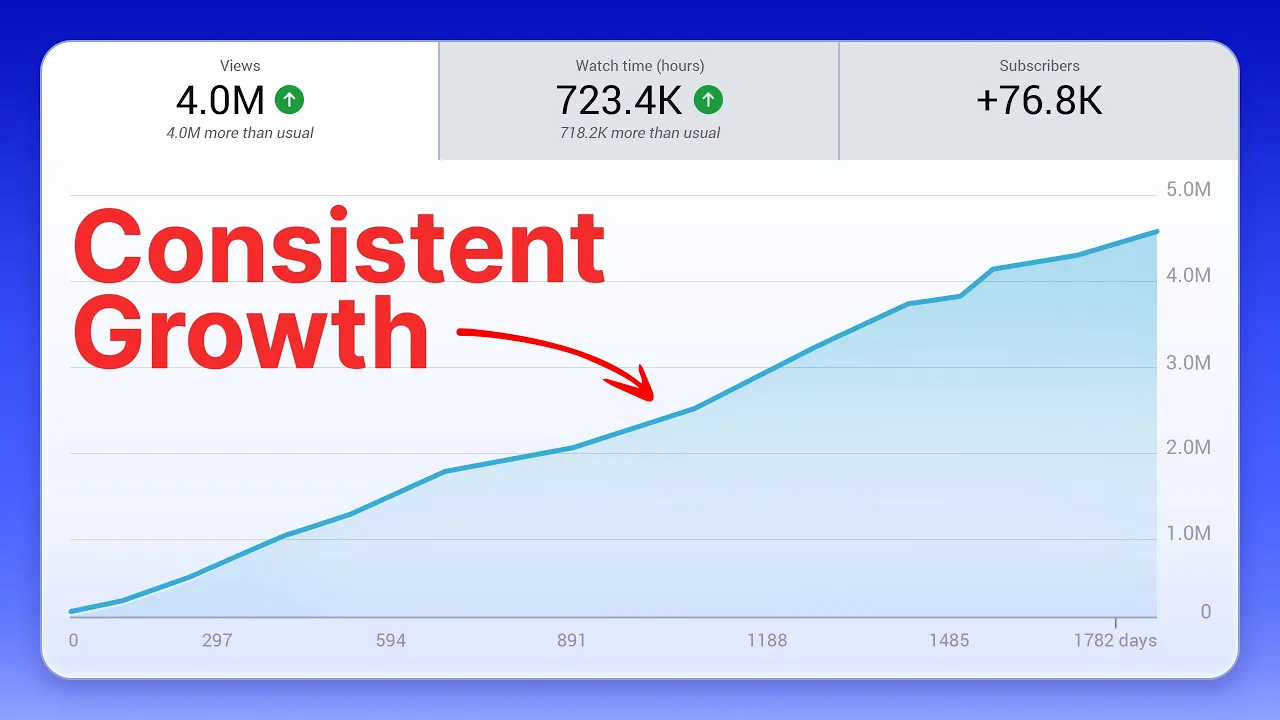
Get daily recaps from
Simplilearn
AI-powered summaries delivered to your inbox. Save hours every week while staying fully informed.