
Matt Pocock
Become a TypeScript wizard with tips, tricks and tutorials. Plus, updates from the latest TypeScript releases (and other open source awesomeness).
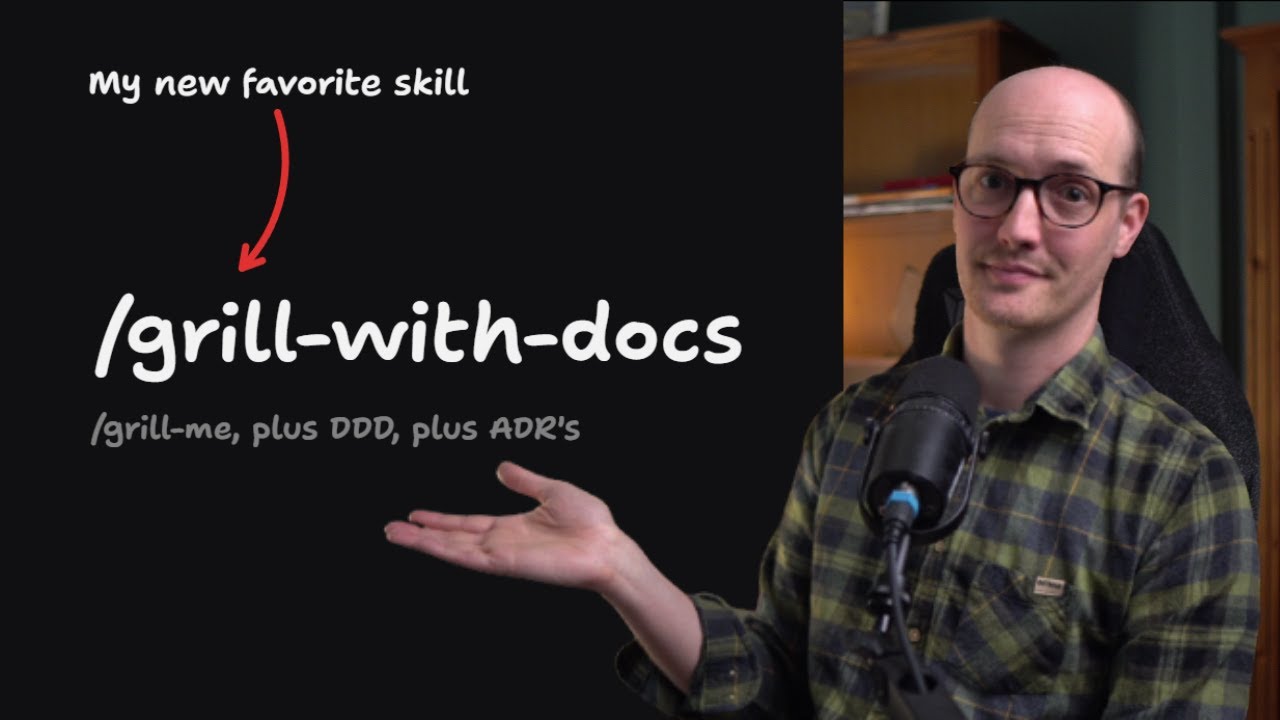
I stopped using /grill-me for coding. Here’s what I use instead:
The speaker describes evolving AI-assisted design workflows built around a four-sentence technique called 'Grill Me' and its successors. He introduces 'Grill with Docs' and ADRs (architectural decision records) to capture shared language, context, and nonobvious decisions in a codebase, showing how these tools improve alignment between humans and AI, streamline communication, and accelerate productive work. The talk emphasizes applying ubiquitous language, documenting decisions, and balancing precision with flexibility to support both codebases and non-code project uses.
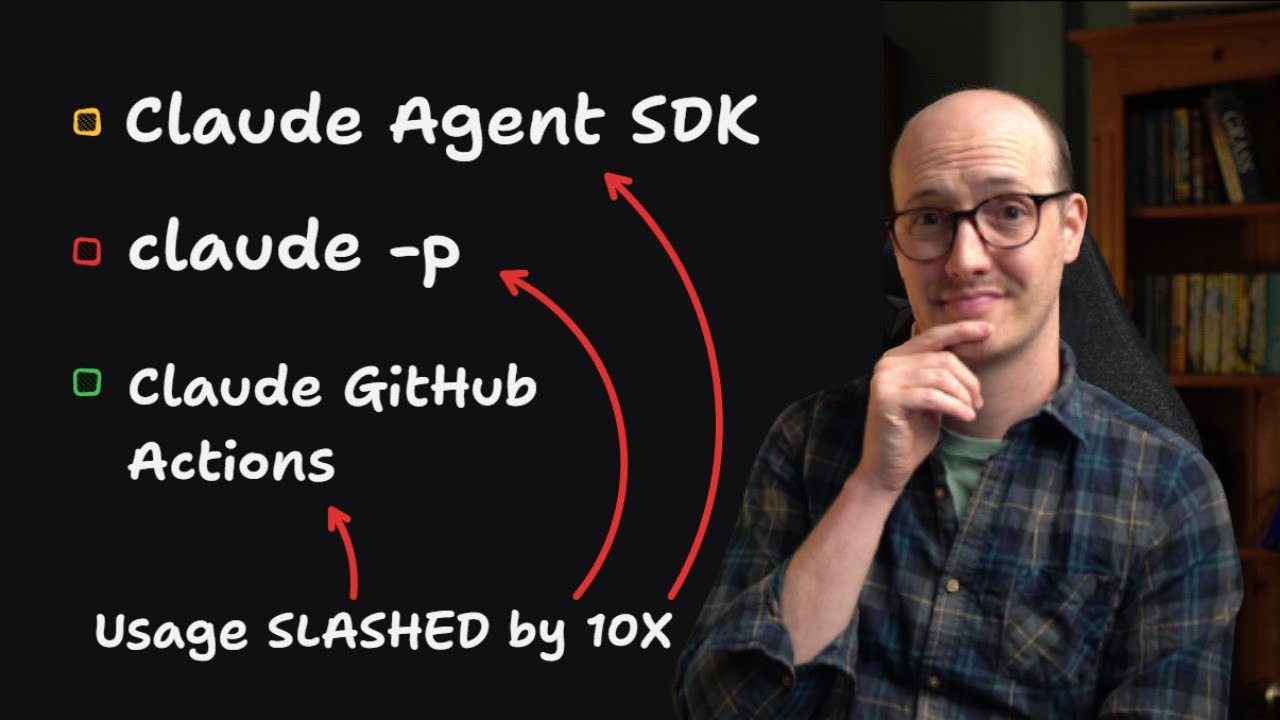
Anthropic's "dedicated monthly credit" is actually a huge cut
The speaker breaks down Claude’s new paid monthly credits for programmatic usage (agent SDK, Claude P, Claude Code, GitHub Actions) and explains how this affects AFK (away-from-keyboard) workflows versus human-in-the-loop use. They dissect how credits and plan tiers work, discuss potential vendor-lock risks, and share personal implications, including a shift away from Claude Code for AFK tasks toward CodeEx, while still valuing Claude for planning and human-in-the-loop scenarios.
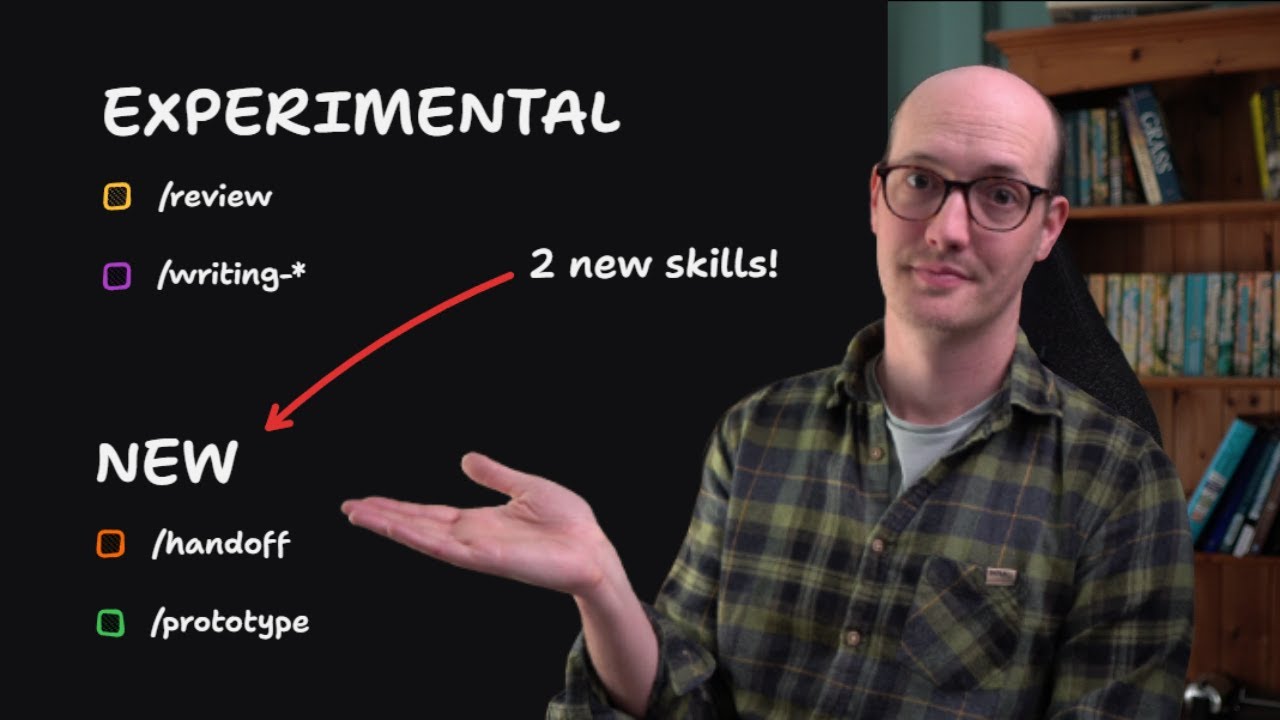
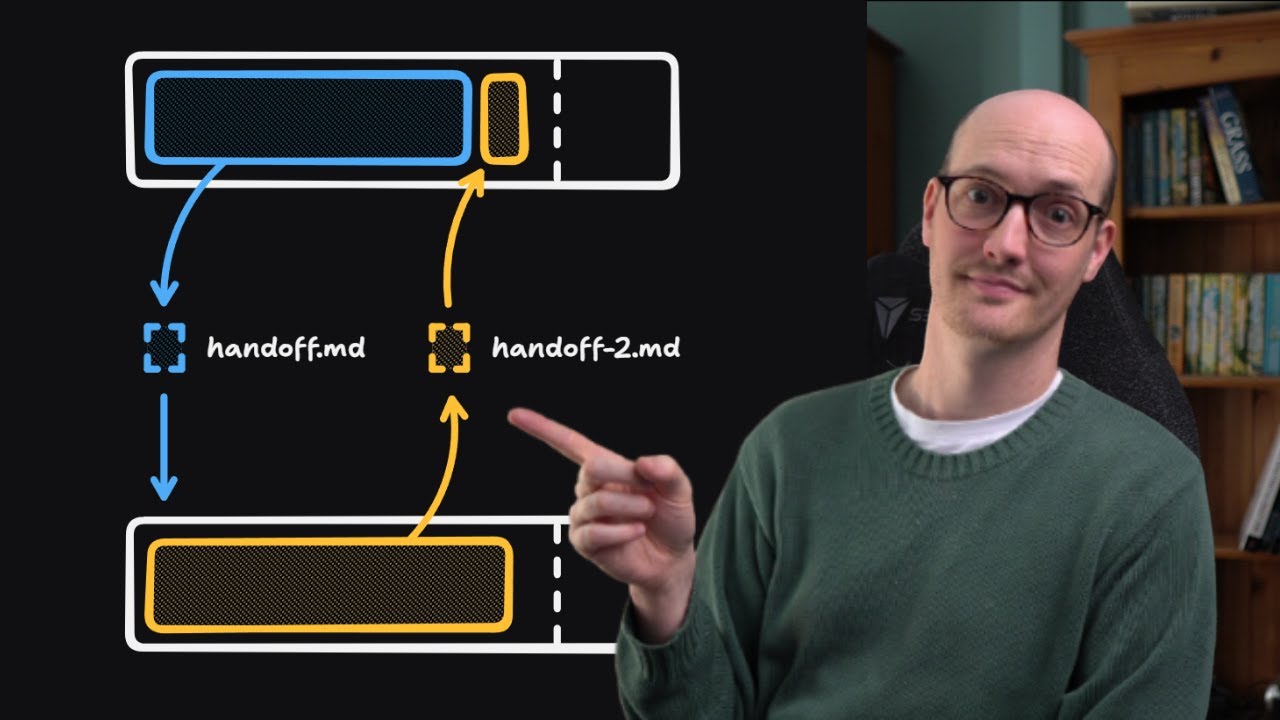
New Skills! /handoff, /prototype, /review and /writing-* | Skills Changelog
The video introduces two new skills, highlights how a handoff document works to transfer context between agents, and discusses prototyping and code review skills, along with bug fixes and ongoing work on a docs site for skill updates.
I Open-Sourced My Own AFK Software Factory
The video introduces Sand Castle, a TypeScript library that orchestrates AI coding agents in isolated sandboxes to run AFK tasks safely and in parallel, and demonstrates how to set up and use it within a repository to automate complex workflows.
How To De-Slop A Codebase Ruined By AI (with one skill)
The video argues that AI accelerates software entropy, making codebases deteriorate faster, and shows how to rescue a fragile codebase using deep module architecture, clear interfaces, and hexagonal design principles, complemented by a practical AI-assisted refactoring demo.
Never Trust An LLM
The video explains that LLMs frequently hallucinate and introduces a taxonomy of these errors (intrinsic vs extrinsic information, factual errors, contextual inconsistency, and fabricated entities). It then discusses why hallucinations occur (training/evaluation incentives, reward guessing) and offers practical ways to work around them (prefer intrinsic information, use search tools, verify critical outputs, and deploy prompts that fetch external data).
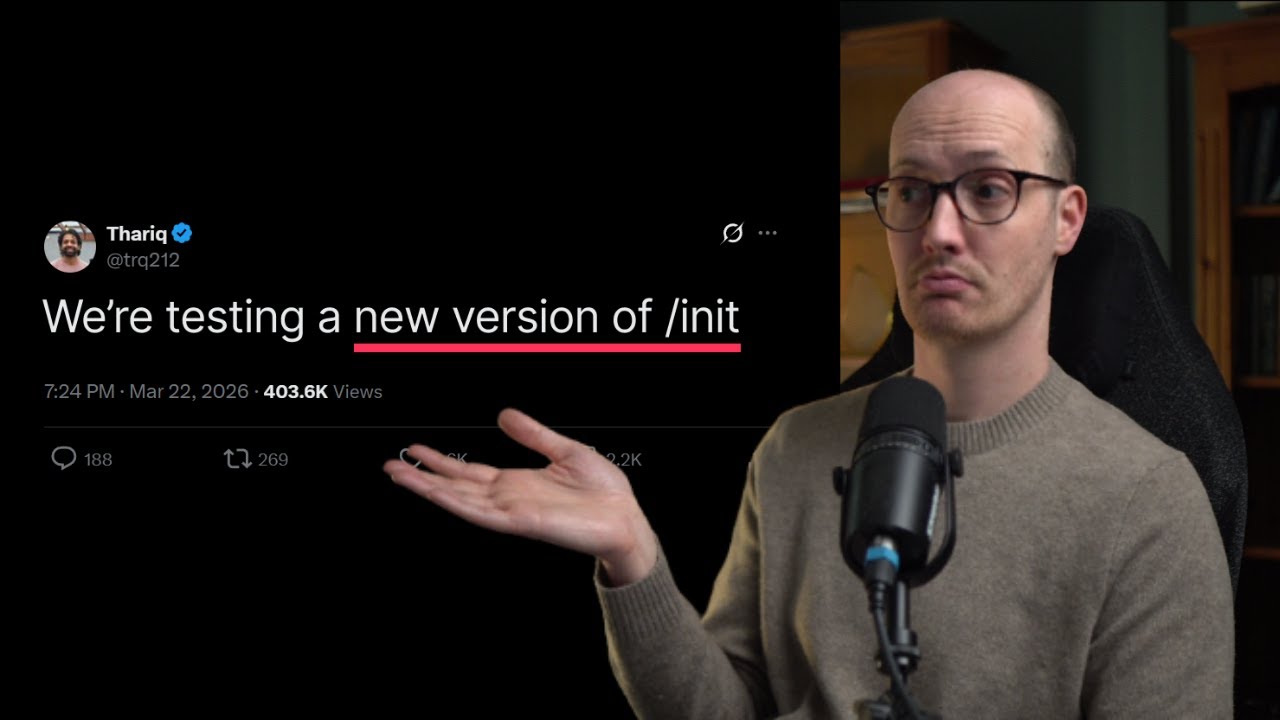
Claude Code tried to improve /init... Is it any better?
A reviewer examines the latest init updates for Claude code, tests the new initialization flow in their repo, and weighs design choices for claw.md, skills, and hooks, offering критical feedback and practical adjustments.
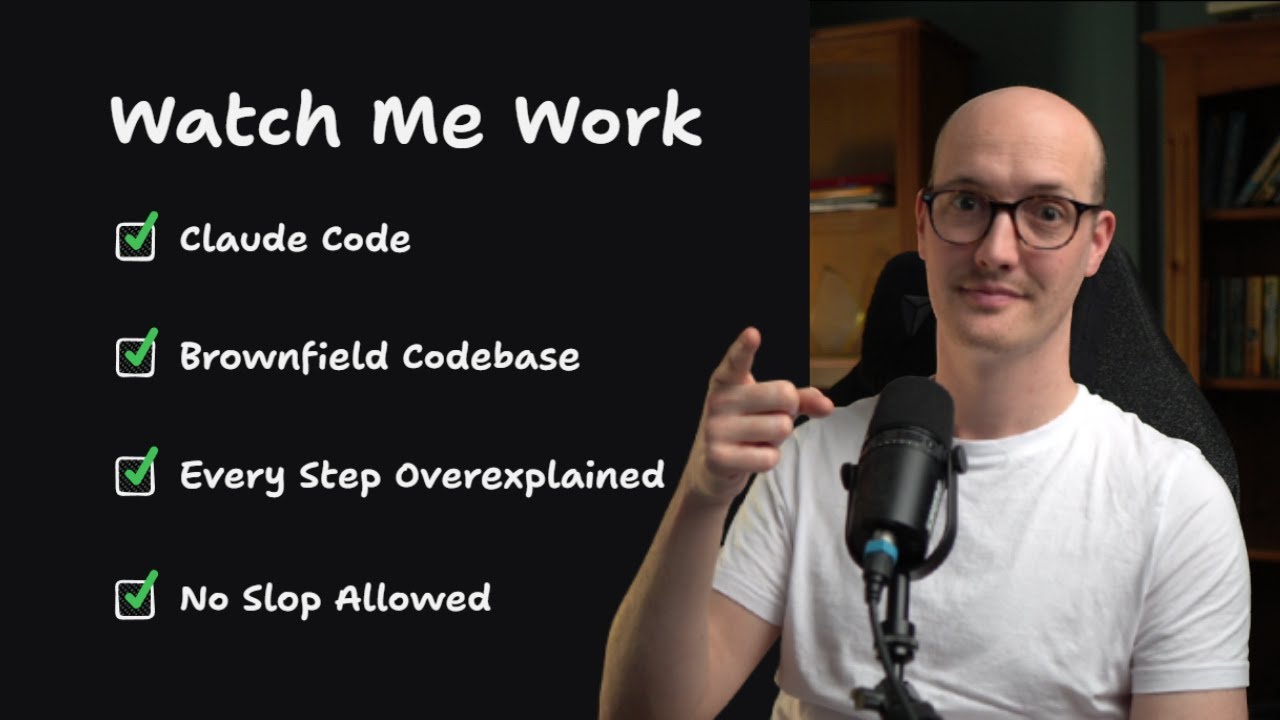
Building a REAL feature with Claude Code: every step explained
The video walks through practically using Claude Code in a real project, showing how to structure features as ghost and real lessons or courses, grill ideas with an AFK agent, and ultimately translate insights into PRDs and issues while detailing UI, data flow, and testing considerations.
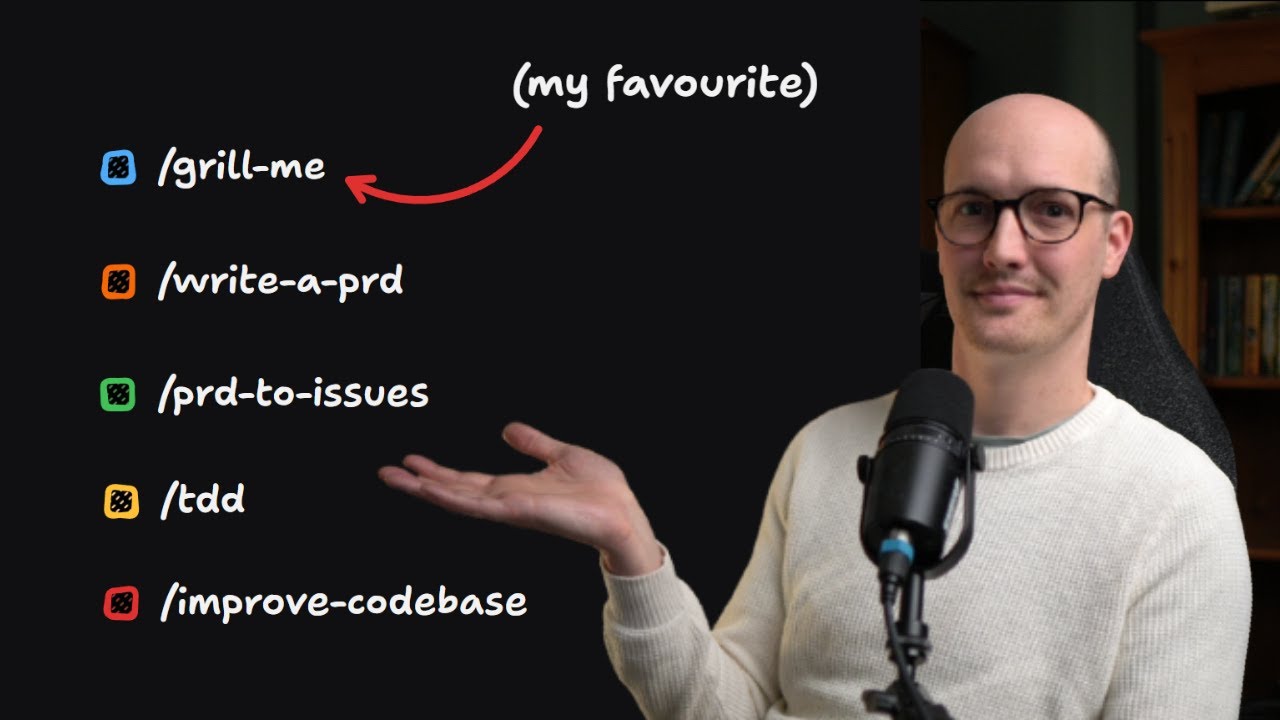
5 Claude Code skills I use every single day
The speaker, an engineer, outlines how to build and steer AI agents with strict, well-defined workflows. He introduces a framework of interlinked skills (Grill Me, PRD, TDD), a design-tree approach to decompose problems, and practical practices to ensure shared understanding, testability, and durable code as AI-assisted development scales.


Get daily AI recaps from
Matt Pocock in your inbox
Get AI-powered summaries delivered to your inbox. Save hours every week while staying fully informed.