The Playbook for a $100M AI Agency

Chapters8
The speaker argues that most AI-driven work today may not survive until 2027, arguing that AI readiness services are becoming commoditized while AI will permeate every vertical; the episode features Devin Karns of Custom AI Studio and promises practical insights and future-exit goals.
A veteran AI agency founder explains how to build a high-value, enterprise-ready AI services business and why most “AI agency” play is doomed unless you package, price, and scale strategically.
Summary
Nate Herk sits down with Devin Karns of Custom AI Studio to break down why the AI-services market is shifting toward high-margin, enterprise-grade engagements. Devin argues that AI development value is collapsing and that the real opportunity lies in designing scalable, AI-native operations for mid-market to enterprise clients, with clear ROI and repeatable frameworks. They discuss the exact path from solo practitioner to a multi-million exit, including how to position services, price outcomes, and build an “AI native” org. The conversation covers a spectrum of business models—from AI readiness consulting and managed agents to enterprise partnerships and revenue-share arrangements—emphasizing the need for a repeatable playbook and a strong differentiator. Key anecdotes include a successful e-commerce refund-reduction project and the evolution from pure customization to framework-driven delivery. Devin also shares five lessons learned, such as the importance of distribution, packaging, and accountability in client engagements. Throughout, they highlight the tension between being the builder and being the salesperson, and why reputation and process matter just as much as technical prowess. The episode closes with practical guidance on workshops, discovery blueprints, and the value of aligning incentives with clients for large-scale engagements. If you’re aiming for a big exit, this chat lays out the blueprint and the mindset you’ll need to get there with AI at the core of the business model.
Key Takeaways
- AI work will be commoditized by 2027; the real value is in delivering AI-enabled business processes with measurable ROI for mid-market and enterprise clients.
- Mid-market focus (roughly $10M-$250M revenue) often provides the best mix of deal size, repeatability, and procurement discipline for an AI-enabled services model.
- A repeatable framework and clear differentiation (an ‘AI-native’ operating system) are essential to command high-value contracts and reduce scope creep.
- Pricing should align with value delivered (e.g., ROI-based or performance-based) rather than pure time-and-materials to maintain healthy margins as model costs fall.
- Two most important sales accelerants are (1) upfront discovery workshops to align AI strategy with business goals and (2) a written blueprint that defines the ROI and required capabilities.
- Having a strong, upsell-friendly framework allows you to grow beyond a single project into ongoing partnerships and tech-creeping advisory roles.
- A successful exit tends to scale with revenue and margin; once ARR hits a certain threshold (often multi-million levels), equity buyers value the enterprise capability and repeatable ROI more than pure services depth.
Who Is This For?
Aspiring or current AI services founders, consultants, and agency owners who want to scale from freelancers or small shops to enterprise-grade firms with a path to a meaningful exit.
Notable Quotes
""Most AI work being sold today won't survive 2027. The value of actually doing development is trending towards zero.""
— Devin lays out the core thesis about AI service market erosion and the need to shift to value-based AI delivery.
""Every single vertical will just have AI seeping into it.""
— Emphasizes pervasiveness of AI across industries as a justification for an AI-native operating model.
""We decided on the latter and I just don't see a lot of people talking about this.""
— Devin explains the choice to pursue a high-enterprise exit strategy rather than a lifestyle business.
""The big opportunity is building an AI-native org; a few directors and AI systems can produce the same output as a large team.""
— Highlights the AI-native org concept and organizational implications.
""Let's make sure we're on the same page about what AI means... and let's map that to ROI.""
— On the importance of aligning client understanding with business value before deep engagements.
Questions This Video Answers
- How do I transition from a freelance AI consultant to an enterprise AI services firm with an exit in mind?
- What is an AI-native operating system and why is it critical for high-value AI engagements?
- How should I price AI consulting work for mid-market clients to ensure ROI-based, scalable margins?
- What is the difference between AI readiness consulting and full-stack AI implementation for a mid-market company?
- Which sales strategies (workshops, blueprints, profit-sharing) best close multi-hundred-thousand to million-dollar AI projects?
AI AgencyAI AutomationEnterprise AIMid-Market AIAI Readiness ConsultingManaged AI AgentsAI FrameworksFraming and Packaging ServicesROI and Pricing in AIAI Sales and Marketing Strategy
Full Transcript
you've got here most AI work being sold today won't survive 2027. Let's unpack that. The value of actually doing development is trending towards zero. It's like very very stark and very very clear that it's happening. AI is not its own bucket. Every single vertical will just have AI seeping into it. As a pure AI readiness consultant, 2 million a year, right? So like your profit margin, you're going to be able to sell that business for probably $2 million. But if you're making six million a year, then it's like, "Oh, now I can sell this business for like 5x, right?
I can sell it for 30 million." Like a lot of people think they want this opportunity to start an agency, but then they actually don't. They don't they don't want the the sales. Maybe they just want to be more of the builder. Honestly, most people probably shouldn't do their own thing, right? Like it's probably not ideal because it's competitive and most people fail. All right. So, in this one, I'm sitting down with Devin Karns, who is one of the guys that got me into the AI space about two years ago. So, him and Custom Studio are doing some really, really cool things.
They've been around the block. They have seen a lot of stuff. So, in this video, he drops a lot of great insights. There are timestamps below, so you can jump around to what piques your interest. And at the end, he dives into like five things that he wishes he knew sooner. And throughout the video, he basically talks about what is his path and what is his plan for that $und00 million exit that he's gunning for. So save this one for later. I really hope you guys enjoy it and I'll see you in there. Hey guys, my name is Devin Karns.
I am the co-founder CEO of Custom AI Studio. We've been architecting, designing, building and deploying custom AI systems for clients of all sizes from, you know, publicly traded enterprises to solo founders and and startup teams for about two and a half years now. Um, we've been frankly, you know, fairly successful. We got in the game really early. obviously have like a YouTube channel and and a little bit of thought leadership in the space and our journey has been one of doing what was $2,500 NAD in automations that I was building in the early days all the way to now we have you know4 million half million dollar projects over a course of a year with you know ongoing managed service contracts and partnerships with clients um typically in the mid-market space but you know a couple of enterprises here or there specifically within departments.
Um, and so, yeah, excited to talk about our business, what we do, and everything in between. All right, Devin, it's great to have you here today. It's great to be here, man. Yeah. So, Devin is the co-founder and CEO of Custom AI Studio. It's actually really funny. Devin is kind of the one way back in the day that that woke me up to the NN stuff. He had a video that went viral. It was called like 18 months of building autonomous agents or something like that. And that one I was like, whoa, this stuff is cool.
And I and I dove in. Um, and yeah, we actually we were working together for a little bit doing some stuff back in the day. Um, so yeah, I wanted to just first of all just say thank you for, you know, kind of being a big inspiration to me throughout my journey and yeah, it's really really great to have you here and I'm excited to dig into what Custom Studios been up to. I appreciate it. It's been awesome to see your growth. Um cuz back when we started working together, you had maybe a thousand subscribers on YouTube and uh you know people were coming to you about like hey I want this AI agent or I want this AI automation and we were supporting you and like building those solutions out and we actually are still working with a guy.
He's been a longtime client that you brought us back in that really time period. Yeah. Yeah. That's awesome. I love to hear it. Amazing. Yeah. I remember I remember sitting in my car um on my lunch break from my job and we were I was doing the interview with you and I was I remember being like so so nervous about that. So just uh just really cool to uh get the chance to chat today. So you've put together some stuff for us which I think is going to be really really helpful for my audience here.
Before we jump into what you've got to go over, if you could just kind of sum it up like what are people going to learn and take away by the end of this video? So basically to sum it up is uh I want to uh I guess tell people uh or at least share the approach that we're taking as AI experts, AI consultants, developers, AI automation guys, whatever you want to call us, and reframe the way a lot of the people who are like us who build the stuff or obsessed with it and you know maybe we're trying to grow an AI agency reframe the way that most people I think in space are thinking about it.
I think most people are thinking about it in terms of, you know, a lifestyle business and I do an agency and I have a couple of clients and, you know, I sell automations for a couple grand and, you know, it's a really great lifestyle business to, hey, I could actually grow like a sizable company that has real enterprise value and that I can actually do that myself. It's not some like pie in the sky thing that the opportunity is there in front of us. um and to share some of our experience having tried to work in this direction, right?
We obviously haven't sold our company yet or whatever, but we early on decided are we building a lifestyle business or are we building something with like meaty enterprise value with the uh plan to like exit eventually, right? Um and we obviously decided on the latter and I just don't see a lot of people talking about this. Uh so I wanted to be one of the the few voices in the space bringing it bringing it up. Yeah. Yeah, absolutely. And I mean, we've seen kind of, you know, this AI automation agency model already in the past years evolve so much.
And I feel like every time I've checked in with you, what you've been up to has also been evolving a lot. So, yeah, I think it'll be really interesting to see and hear, you know, how you got to these conclusions. So, yeah, let's just dive right in. Yeah. So, let's go to the deck here. Obviously big uh clickbaity title, the path to a hund00 million exit as an AI agency, which is our goal personally. Um, and why we think now is kind of the opportunity to really start thinking about this and repositioning your business if this isn't of interest to you, right?
Like most people, a lot of people are going to be happy with the lifestyle business and not want to put in the work to scale an organization that eventually has a $100 million potential exit, right? Uh but if you do, now is the opportunity where it genuinely does make sense. And part of it is because the early majority of companies are starting to come online to AI with Clawot, with Cloud Code, the massive wave of updates and model improvements that have happened over the last four months. It is seeping into, you know, all of the normies, basically all of their ecosystem.
They're starting to play with the stuff. People know what Claude is now. And uh it's pretty obvious that the early majority is coming online to this. And it's not just like individuals, it's companies, it's leadership, it's executives, people who have had it on their docket to figure out what to do with AI for the company. Uh you know, they could have just kind of like hold held off and not really actually done anything. Now they're getting pressured to really do stuff. Uh and this is a huge opportunity for people who have the expertise to, you know, deliver solutions for them and provide clarity.
So that's essentially what I'm talking about. It's how to grow a larger version of probably what most of you are doing today. So real quick though, like what do you think sparked this? Because I think a lot of people that I've talked to are kind of locked into their, you know, co-pilot ecosystem, right? So it's like they they see all this stuff and then what I hear very commonly is like, I want to learn it, but I don't know how to start practicing. you know, I don't have a a project to work on because I can't at work, you know, like is do you think there was something specific that happened this year that might have started to wake some people up or any thoughts there?
I think uh Opus 4.6 happened and I think uh Clawbot, Open Claw happened. I think those two things happen fundamentally because all of the updates that Enthropic has been pushing within the clawed ecosystem are all just wrappers around the model being better, you know, and then taking like little cherrypicked nuggets from OpenClaw and and then obviously like OpenAI is following suit and GPT 5.5 is like amazing, but they're all doing the same stuff and the value is really in the model. So when the model does a ma has a massive improvement, everything else like follows suit, right?
So I think that that's fundamentally what happened. Yeah. Gotcha. Yeah. I mean that that stretch of two or three weeks straight right after open call dropped and Anthropic was just going ham. That was fun. That kept me busy. Yeah. You were freaking busy, dude. Like posting every day. Like every second it'd be like I get a I get an email from Anthropic like, "Hey, we just updated blah blah blah blah blah." An hour later I see a Nate Herk video on my feed. It's I was having fun, that's for sure. I'm seeing a lot of AI Nates out there, too.
Uh, especially on Instagram, which is funny. So, I think it's pretty clear now. Uh, you know, clients that are coming to us now already have a little bit of a PC. They've already tried to like execute on their idea. Uh, because like Claude is like very very capable and it's just bringing, you know, it's making it accessible to the normies, right? And even normies are shipping things into production, right? And so the point is like the value of actually doing development is trending towards zero. And we've we've known this for a while. It's been a pretty obvious trend.
Uh you know, all of the engineers and developers are like, oh, they're trying to automate our jobs away. And this has been a part of the zeitgeist part of the conversation for a while. But it's like very very stark and very very clear that it's happening. And when I get a 67 year old lawyer coming to me with a vioded app that he's built that's like decent, you know, that that's obviously signal that the talent and the skill set of doing development. Uh while still important for right now, delivering projects as like, hey, come to me.
I'm the developer. I have this expertise and skill set. I'll be the one that develops it for you and then you know you're going to pay me for my time to do that and I'm going to charge like however much premium on my hours in order to do that. That whole thing is collapsing, right? Which is kind of the point. So, you know, you have to be aware like this is happening now and it's like it's like actively occurring, right? Like you will wake up tomorrow and run out of business if you're just like continuing to do the same thing assuming the market is going to stay the same.
Uh and the the outcome of this is across the board org charts are shifting and changing right they're just consolidating. We all know this where it's like yesterday was like you got the CEO and you got your directors and then you have a bunch of uh you know employees underneath that and you have this massive team that's producing like x amount of outcome or output and then you know today tomorrow it's going to be CEO a handful of directors and then a flurry of AI systems AI agents whatever you want to call them uh producing the same X output that the larger team was producing right and so I think that you got escape to where the puck's going.
Absolutely. Yeah. I think the biggest thing that we've been kind of orbiting is the question of what's not going to change. You know, the whole Jeff Bezos, what's not going to change rather than Yeah. what will. And I know that you've been talking a lot about an AI native org. When you start to see stuff like this where anyone can really take their idea and turn that into a working system, what do you think is the thing that scares you the most about that? The thing that scares me the most um I mean not to get existential but I'm scared about the entire structure of our uh like society and economy like like when you play out this idea that like intelligence is cheap everywhere.
It's on tap and it's greater intelligence than any human on earth. Uh, and you just like kind of just like play out the scenarios of like, well, humans could actually fit here. And then you're like, well, you know, wait, maybe that thing could actually just do what the humans are doing. And then you're like, oh, well, humans have hands and feet. It's like, well, the robots and the AI can figure out the robots. And you it really does get existential when you start to play this out and you realize how fast things are going. I don't have an answer to all that.
Yeah, I've I've gone down a few rabbit holes of uh Steven Bartlett podcast bringing on AI experts and it's just like hey, if there was a button here and it would reset all the AI progress in the past eight years, would you press it? And you know, many of these people saying yes is it does make you think for sure, but yeah, we don't have to go down that rabbit hole. One more quick question before we move on to the next slide for you would be, you hear all these people talking about, you know, like a oneperson billion dollar company or what an org chart will look like in in 20 years.
Yeah. When you think of an AI native or what do you think that that that org chart really does look like? You know, is is it can we really just have a CEO and then or maybe even just a founder and then AI agent CEO and the whole seuite or how do you imagine that um really playing out successfully? I think the you almost have to peel it back and go back to like what the actual point of running a business actually is, which is like providing value to the customer. And if you're, you know, what you were providing was a service that can now be replaced by AI and the AI can actually do it a lot better, you know, maybe that is not even a business of the future, right?
Maybe that's not something that is offered and you know bought and paid for there's no transaction happening there's no market for it like maybe that's the case like I I you know it's just the idea of like what what is the thing that you are providing that is valuable and then think can AI actually provide this thing with the same level of value you know and and start to one like say hey is this business even like viable as a business right are we going to make enough money selling these things. Can we set up an operation efficiently enough to where the margins make sense?
And I think a lot of businesses will collapse in that way. And so now you're starting to think, okay, every business has like sales, marketing, they got operations, they have customer success, they have finance and accounting and AI legal. And in each of those verticals, you're like, man, AI can do like 90% of that in sales, you know, 99% of that in marketing, 99.9% of that in accounting, and like every single vertical is starting to get just chipped away. And then you're like, what's left? Well, I tell you, like from personal experience, I can use Claude all day to do all of those things and all those variety of verticals.
But, you know, somebody who's really good at PR positioning and and writing, you know, how how should we position ourselves in the market and whatever, you know, an expert in that way. Working with them is way more valuable than me trying to work with Claude, right? Because I don't have that expertise in the way that they do. And so, something I've actually been thinking about recently is we talk to consultants and we hire consultants because we don't know certain things, right? we don't know you know what's the best way to position ourselves in the market what's the best way to you know run an engineering team or what's the best way to set up CIC pipelines whatever right like people have expertise the reality is like they as a consultant will work with us talk with us about our problem set whatever uh and then they want to have us on they want to you know get on retainer with us so they can actually execute the work the reality is we're thinking the whole time we could actually just build a bunch of agents to like do the stuff that they're telling the real value is like having these meetings with them having them come in understand the problem.
Having them like I can say something in a certain way. Uh but they can read between the lines, they can read the body language and they can pull out like the real truth of it. Uh and then once we have that documentation, that spec like that knowledge is like written down and codified, then we can build the systems to go and execute the work. So I think that there's there's just going to be a lot of value on that upfront, you know, defining because we just don't have the expertise to do all of the certain things.
And then Claude is like like Claude is like how do I know if something's good versus something's bad? Like I don't have the expertise to be able to validate and judge, right? Like so I can work with Claude all day, but like my output's just still not going to be all that great. You know what I mean? Right. So yeah, exactly. I mean, managing agents and managing people is very different skill set. Um, and I I'm glad that you touched on like the subject matter expertise thing. Um, you know, you could build a system that you could, for example, train it on 500 hours of Alex Ramoszi speaking, but you don't have Alex Herozi in that AI still.
You know, as you can get you can get closer, but you don't. But man, we we wasting no time here just jumping straight into it. Um, I like it. Yeah. You want to go ahead and go to the next slide? By the way, guys, I know we are diving into a ton of information in this episode. So, what I did is I broke all of this down into a free resource guide that you can access for completely free by joining the free school community. The link for that is down in the description. Also, if you want to check out some of the key moments from this episode and all future podcasts on my channel, then go ahead and check out the AI Automation Society YouTube channel where we're going to be posting some of the best moments from the podcast over there.
I'll link that YouTube channel in the description of this video as well. Anyways, thanks guys. Let's get back to the podcast. Let's do it. So one of the things that is kind of like a common I don't want to say trope but just like a common line that like you know people will say is like like okay AI is going to like all the hype and all the demos and like all you know all of the energy and investment and whatever it's all wasted because like these systems can't actually like do the stuff that people are espousing that they can do.
Uh, and AI is just not ready. And then you have like the real depressing people who are just like it'll never be there and whatever. Like it's and but the reality is like we have systems that we started building last year that are now over the last couple of months like very recently working at a scale that like I didn't even personally anticipate and providing like ROI that is so it it's so like businessch changing and thus life-changing that it's like man wait we this is this is actually insane like all this stuff we were talking about AI going to do this, it's going to do that, it's going to change the game.
It's actually real and we're seeing it firsthand. And one of the examples I always bring up is is the e-commerce example because we got started on that one early. They're processing 40,000 tickets a month. A big subset of those are refunds. In the e-commerce space, the whole game is like digital advertisement. And in order to win in digital advertisement, you need to outbid your competitors for ads so you get like the best placement. So you get more traffic to the site and more people buy the stuff, right? Uh but in order to like spend more to get the best placement on your ads, you need to uh be able to afford a higher customer acquisition cost.
And in order to do that, you need a high lifetime value for c per customer, right? It's the LTV to CAC ratio. Hermosi actually talks about this a lot. One of the things in e-commerce that hurts the lifetime value per customer is your refund rate. So every if you have a high refund rate, it's obviously going to decrease the average lifetime value per customer. And so when this company came to us, they have like 25 different products under their brand and they were like, "Hey, you know, we're sitting at a 21% refund rate for like our main product.
Uh if we could get that down by like one to two percent, it would actually mean millions of of dollars to our bottom line and allow us and put us on the trajectory to like actually sell this product, like exit this brand, uh and out compete the two competitors that we're going against. Uh and it's just all we need is like 1 to 2% decrease in the refund rate. We have this human team, we have this refund push back logic, human team's just not really executing it properly. Uh we want to build an AI system that actually does this.
And so we did and you know we did it module by module and we we did it correctly, right? And we got the refund rate from 21% down to 16. And it's like now we're deploying it to the rest of their products. And it's like man, if one to 2% was going to be millions of dollars for them on the bottom line and get them get them on the path to exit, like the fact that we were able to get four to 5% is insane and we're going to continue to improve it to get more.
What does that mean for them from an ROI perspective, right? Like they obviously paid us a certain amount to build the thing, but the value being provided is like absolutely insane right off the bat and only getting better going forward. Um, and so anyway, for them it's like, okay, now they have a bunch of working capital because they got millions of dollars coming back. You know, it's the feedback loop here, uh, or the flywheel. They got millions of dollars coming back into the bank. Now they can spend more on ads. Now they can actually create better ads.
Now they could actually hire us to to build AI systems to create those ads at scale at a cheaper price, right? Like the possibilities for them to scale and grow and to reinvest back in into the business are just like absolutely massive and to unlock more flywheel effect uh things that are kind of like locked in the business, right? If we can have better ads, better performance metrics, have a closed loop system, all this stuff. So, absolutely. That's my favorite. They're they're walking away thinking we just got a steal. Highway. We just got a crazy deal.
Yeah, absolutely. And you know what's interesting about that is so this e-commerce um company was obviously operating at some sort of scale before you started working with them. It sounds like now. Would this have felt as you know successful if you would have been working with a much much smaller firm? Like the bottom line would have been potentially the same amount of percentage saving, you know, 21% to 60% potentially, but it's not it's not the same like millions of dollars. And I know what you what you're kind of in here talking about today is who are you going after and who should people in this audience who are you know maybe wanting to start a little freelancing business um or you know working with the SMBs but really all of these opportunities that you're it seems like you're kind of talking about and shifting towards more of the the mid-markets or you know the bigger companies.
So, if that question makes sense at all, kind of how do you think about that that divide and also like how long did it take you to get there until you could could start working with some of these bigger fish? I know you mentioned this was one of your earlier ones, but yeah, any insights around around that point? Yeah, it's a it's a great question. I actually just shot a YouTube video about this and it the title is something like why midm markets are the best position to take advantage of the AI era. Um, and I actually don't think it's enterprises even though we do work with some enterprises.
I think mid-markets are so prime more than more than you know small SMBs like startups and solos because the key really like and the pattern across this this might be the most important part of this whole thing the pattern across every single 97% of the projects that we've done is when you really like break it down fundamentally what we are doing is we're taking the logic of the business whether they've written it down or not but we're taking the logic of the business the the the function that they want to automate or whatever and we're just converting it into an AI system.
And so for a lot of mid-markets, especially the the e-commerce one is they had already mapped out what the refund push back, the customer support team system was supposed to be. They already had the decision trees in place. They they had to do that, right? They needed the SOPs because they were hiring an offshore team. And so if you're at the mid-market scale, you've had to hire people, right? And you've had to build systems that are repeatable. You've had to write SOPs. You've had to build systems. And without a an existing system in place with like a clear KPI and a clear benchmark or like a clear Yeah.
like a clear benchmark to judge against the performance of an AI system. It's very hard to like one like define success and then two know what you're building is going to work be it's going to be valuable in the end, right? Because you end up in this whole like scope creep thing where it's like oh you know I thought the idea of like an SEO generator was going to like work but like it's just costing me money and I don't see the ROI on the other side and it's like well maybe that actually wasn't the high lever thing to build, right?
like maybe we should have spent more time figuring out what exactly is it that we can do that we know for a fact has a through line to the P&L. Um, and I think SMBs and and solo founders run into that mistake a lot. They end up being like passion project things that don't actually add to the bottom line. And enterprises uh, ironically are less systematized than mid-markets in a funny way because they just throw bodies at problems and yeah, that seems to like work for them. All right. And they're too distributed. they can't put together a holistic strategy for things and um but some of them are good some of them work.
In your mind, what is your mental map of the difference between SMB, mid-market, enterprise? Where do you draw the line? So, it's such a moving everyone's got a different take, right? Um when I say mid-market, I'm talking about my scale is much lower than most people's. Like I'm talking about 10 million to 250 million annual revenue which a 10 million annual revenue company and a 250 million annual revenue company are completely different uh profiles but that's that's usually what I'm talking about. I mean enterprise I'll go like 100 million to a billion you know or or actually like a billion will be maybe the annual revenue.
I don't really know, dude. Like, it's to me it's more about like definitely above five because at five you would have had to like actually build systems, right? It's more about the infrastructure of the business than it is like the headcount or the revenue. Um, so yeah, that's not No, that makes sense. I mean, it's almost like we need some sort of actual universal standard of what where business fit into what. Right. Right. Yeah. Yeah, because then you get into this whole thing of like low midm market versus high midm market and all this stuff.
You hit on something interesting which was, you know, when you start to work with with these companies, they either kind of come to you with like, hey, we've got this PDF of 12 agents that we want right now or it's we know that this stuff is awesome, but we don't know quite how to use it. Mhm. And when you have someone approach you with that in that second scenario, it's this balance of okay, you know, do I want to be a good a good vendor? I want to, you know, build some trust and just do what they they want, or do I have to kind of push back a little bit and really dig into how can we actually get you the quickest return on your investment here?
And I I'd be curious to hear what what your thoughts are about this, but when I was really in the weeds of doing this, I remember so many times having to push back and say, "Hey, let's actually do a couple automations that don't have any AI at all. Let's just build some of like the most fundamental things that you need right now just to move data around and to to sync things up a little bit better." And um it's interesting because some people are all for it and and that builds a lot of trust and says, "Hey, this person is actually looking out for my business." But some people are like, "No, dude.
like I just want what I want right now. I want this document that I've written up and I want you to execute on it otherwise I'll find someone else. Have you had similar experiences? Oh, for sure. For sure. And uh it was harder in the beginning because you have imposter syndrome and you're just getting started and you don't uh feel like you have the authority necessarily to be like, hey, you know, let's go a different direction. So, you kind of just do whatever they want to do. Right. Right. Um, but when you do that and you realize, you know, some of the percent of the time they don't get value out of it and they know, right?
Sometimes they know that it was like on them with the idea and we just kind of like executed what was in the scope. Other times like not so much. Most of the time what ends up happening is like scope creep like we need this and you need that and and then you as as a good person want to just keep working on it because you want to make them happy and you just can't you just can't run a business that way, right? So for us it was like we have no choice, right? Like if if we want our customers, our clients to be happy at the end of this stuff, we have to be very very honest, manage expectations effectively and like not treat this as a uh hey, you know, we're just going to make some money, do what's in the scope, uh check it off, you know, and move on to the next one and just leave like, you know, a bunch of angry clients in our wake, right?
That's no way to like build reputation, to build anything really to build culture within the company, right? Like so, uh, for us it was like, yeah, we got no choice. Like, now we have the authority. We've seen this not work a million times. Like, and we can say, hey, we've seen this not work a million times, but like, do you want this to not work or do you want this to work? You know, so, Yeah. You just got to get those reps in. So, you've got here, most AI work being sold today won't survive 2027.
Let's unpack that. Yeah. So I I part of this is uh it always goes back to the value, right? And and being way more sophisticated upfront and comprehensive upfront about whatever you're about to build. Cool. You can build it quickly. Amazing. Okay, great. But whatever you're about to build, is it actually going to is there a business case for it that makes sense, right? Or does it just sound like a nice to have project? Does it sound like a fun experiment? or does it sound like a bolt-on thing that like you're like, "Oh, I think my customers might like or oh, I think my team's going to like this, you know, oh, I'm going to build this like second brain for my company, which is great for most companies, but a lot of times people don't even like use the second brain for the company.
They still just go and and toggle to Google Drive or like Google Meets and ping the person for the information and they don't actually habit change into using this thing. And so now it's just sitting there on the shelf getting very small utilization and and you have the executive saying, "Use our thing. use our thing. And it's like, okay, well, you know, maybe you should have spent some time up front to figure out like, do people actually want to use a chatbot to pull information. Is there a better way to do this? Whenever they're pulling information, what are they pulling it for?
What workflow are they are they executing at the time for why they need that? Can we just collapse that entirely? You know, and and then you start to get dig into like really first principles about like what's the purpose of this data? Why does it need to move here? Who needs to see it? what what are people reasoning on it about or making decisions on it about, right? Uh and then when you when you do that, you start to uncover like one, a lot of inefficiencies, but two just a lot of bloat in tools that people are using and systems that people build, right?
Um, and so the purpose of this slide is is mainly to say like a a more holistic approach that's very very focused on the business case and and producing like real outcomes is going to be sustainable. Whereas like bolted on glue or solutions or features or whatever, those things are going to be less and less valuable because they're just not going to be needed anymore. And you know, whether it's the best thing ever and it actually works and you know, you get the output 100% accurate every time, it doesn't matter. It's just not going to be needed because the workflow itself will collapse and no one's going to have to actually talk to your second brain chatbot anymore, right?
And I I just want to say like those are still valuable. Let me say, you know, those are still valuable, but sometimes you just don't need that, So, hear you. Hopefully that answers that question. Yeah, absolutely. I mean it sounds like this was kind of a an adoption point rather than like a a tech point. Yeah. And it was also like a need, right? Like you know Claude for instance kills the need for a lot of the tools that we were using in the early days. Like when's the last time you set up a system that uses rag?
Realistically, it's been a long time. Yeah. Right. Like Yeah. So some of the systems we built, when's the last time you built something in NAM? That's been a long time. Exactly. Exactly. it's it's really interesting to think about, you know, how can you build things with the kind of assumption that in four months your the way that you interact with it will be different, you know, and that's what's nice about all of these different, you know, whether you're using cloud code or codeex or Hermes agent, they can all work out of a directory. they can all work out of a repo.
And so that's that gives me a level of comfort right now. But yeah, I mean it is it is definitely an interesting thing to think about especially as you know we're trying to build out things like a certification program. You know, how do we teach things that don't just get taken over in the next year? Yeah. Yeah. And I think that, you know, the pressure that people are feeling by maybe their bosses or their managers and having to make this stuff a culture shift rather than just like a a compliance training that they might click through once a month is is a very big question.
Yeah. Yeah. I mean, we're still even trying to figure that out, you know? Um especially with the politics of of AI, like it's just like people people hate it. Like they genuinely hate it. Um, some people do really not like AI. Yeah, it's like the vitriol is is absolutely insane. Anyway, it's uh it'll be interesting to see how it all plays out. Um, and so this I I put a lot of time thinking through this because there's a lot of when I was running my community, which I have since shut down because I'm just not good at it.
Uh there was a lot of people who were like, "Man, I'm playing with this stuff all the time, but like how do I make money doing AI stuff? Like, how do I make money doing it? Do I want to be an AI agency? Do I want to do blah blah blah?" Uh and so like these are 11 different playbooks or ways that people are making money as like AI experts, right? Okay. Okay. And it goes anywhere from like just the creator who's getting sponsorships, the freelancer, you know, one-on-one just like advisory consulting type um pure AI readiness consulting.
So it's like, hey, we'll do an AI readiness assessment, right? It's a workshop training and enablement. Metagu is making a crap ton of money out of Australia doing like Microsoft co-pilot, you know, training for enterprises. Mhm. Obviously like automations within ADN managed agents. It's like, hey, my agent's a content creator and I manage it over here. You pay me a license uh to use my agent. Vertical products, horizontal platforms, which is like the hardest play. Uh hardware, which you know is like a guilty pleasure of mine is the whole hardware space. And then you have like full stack consulting firms and private equity.
And you can see by the chart here that it's like okay there's technical depth and complexity along that X- axis but then there's also like the contract size which it's really like the value provided. And so for us we were like all right we want to build this like large company. We want to have a very very successful exit. We're not trying to go lifestyle business. How do we build enterprise value? Well let's look at the McKenzis. Let's look at the Baines. Let's look at the BCGs. We don't necessarily want to do the product. It's more of a lightning in the bottle play.
Uh, everybody's trying to do product and less than 0.1% are going to be successful uh or even defensible over time. But every company over the next 10 years is going to want to transform their operations into an AI first AI native one. And us as experts who've done this, who've got who got in early have a unique advantage to take it to take advantage of this opportunity. Um, we have a unique opportunity to take advantage of this. Right. So right uh yeah anyway full stack consulting firm is more like going up market doing a lot of the consulting and discovery upfront uh market analysis ROI analysis architecting technical architecture and then going and actually building and maintaining those systems.
Um I hear you. So what do you think about the announcement we saw a few days ago with Enthropic and Blackstone and Goldman coming together? What was it? What was the announcement? They launched a $ 1.5 billion AI enterprise services firm. So kind of going right at McKenzie. Wow. Um what I think about it is Anthropic and Open AI are very very very aware of the fact that the models will be commoditized and the amount of money you can make as just purely providing a model is going to be very negligible. And in order to be a trillion dollar um you know enterprise you have to be on the application layer.
And what the application layer means is uh obviously like putting wrappers like cloud desktop co-work cloud code around your model. Um and then the other side of it is providing services right and then obviously the other players the banks you know they they want to get involved as well and all this. So but yeah They just launched like those Yeah, they just launched like those 10 finance agents and you know right after this announcement they came out with the SpaceX announcement for all this compute and you know you've got clawed in your you know the majority of businesses corporate businesses are running on Microsoft's ecosystem.
So they got all the the word cloud in Word Cloud and Excel and then they freed up all this compute and they were doing that shift of like hey $20 a month users can no longer use cloud code. I think they rolled that back, but they tried that out. And it's just like they're clearly understanding that like the enterprises are going to need obviously a lot of compute and they're going to need people to help not only teach them, but help everyone internally adopt it. And obviously they've got like their little academy too with these different certification programs for for educators for for managers and yeah, it's just interesting to see what they're doing there.
So I I think that you've gone through with Custom Studio a lot of different kind of eras, I guess. And on this um on this graph here on the x- axis you've got technical depth and delivery complexity. And then what's on the y? Uh contract size. Contract size. Gotcha. Yeah. So basically just like potential for ARR maybe. And what did you see like as you bounced from, you know, a pretty lean team and maybe even working more so as like your your standard agency project revenue, bouncing from just kind of keep keep working your way up market, you know, like were there were there certain certain stories or challenges that you faced that made you realize you needed to jump up?
Yeah, I mean like for sure, dude. I mean like there's so many different uh um you know conflating factors where it's like okay there's one where I know the AI landscape itself this technology is evolving so fast and reshaping the approach you have to take like every few months that's one thing that's constantly happening the other is what is the adoption curve in the market who's who wants this stuff and what are they looking for um you know who's who's spending money on AI basically Right. And why, And that's changing over time. then there's like, okay, well, I have a co-founder and I have a team and my team has certain goals.
Freaking six people on our team last month got tapped or like the last couple of months got tapped by like clients and others trying to poach them, right? And not in like this this malicious way, right? But like AI expertise like showing on your CV that you've done things and actually deploy things and work with clients and all that is like so valuable and only getting more valuable, right? So like how do you keep a team who's really good, you know, involved and excited and growing and that there's part they're part of something larger than themselves.
Uh you know and then and then what's your ultimate goal, right? And we wanted to do a massive exit. So for us like one of the learnings was like I mean there's a there's a lot of learn like everything from like sales onboarding the customer experience the solutions that you deploy like literally all the way down you have to get better at each one of those aspects right because you're asking for more money so right and a lot of people might not want to do that like a lot of people think they want this opportunity to start an agency, but then they actually don't they don't they don't want to do all that the sales.
Maybe they just want to be more of the builder behind the scenes. I guess the question to you would be, you know, if you're kind of thinking about this this whole model of being more on the the the higher side of the market, but you're starting right now, you have to start somewhere. Where do you start? And also, what is your argument for sticking to SMBs, if any? You know, it's um I I you know, I almost hate it because it's said so much, but it is true. You got to start with distribution. You and I started on YouTube.
Like Custom App Studio didn't take off until YouTube took off, right? And that's what made everything else possible. So, if I'm somebody like like it's just like man, you have to find people who are willing to buy whatever it is you're offering. And you know, you have to be able to sell it. And if you're going to sell it, you got to either have like credibility, authority, you have to have experience, maybe a resume, maybe a portfolio, maybe you just need like good vibes and energy, maybe you need a personal connection, you know, whatever it is.
like the the unique thing about the AI space that's different from uh other things, especially in the whole AI agency game, is you don't really need a huge portfolio to prove to somebody that you know what you're talking about and that you can build what they want. You actually don't need you don't need a port portfolio at all, right? You you need to be able to whip up a PC. You really what you really need to do is be able to understand people's visions for things, right? like what does this person want? Okay, what do they really want?
Right? And then can I show them that I can provide that for them? And you don't even need all these case studies and you know all this proof or whatever because barely you know this it's just getting started right like no one's expecting anybody to have hundreds of case studies yet. Now some of us are lucky because we did get we started early but like find people who want to buy your stuff. to distribution and like don't have imposter syndrome would be my two things like just know what you're talking about, you know, and if you don't know what you're talking about, then like keep learning, right?
Like I think you just have to show that you've done stuff. It doesn't have to be specifically for a client that already has 500 RO 500x ROI, but if you can show that you're using this on the daily, and like you said, that a expertise is what what people need and what people want. and starting your own business isn't the only way to achieve maybe the financial freedom or the time freedom that you're looking for. it's it's going to be valuable. I mean, with the the anthropic partnership, they are kind of doing, you know, the whole like we're going to embed engineers directly into your operations because they already have the expertise.
So, yeah, I think that this was a a cool graphic. Yeah, I like the way it's laid out. Thanks, dude. Thanks, Claude. Thanks, Claude. Okay, the next three slides are a little um financeheavy, so I think I'm going to go quick because we've kind of uh you know, we like to yap with each other. Yeah, no worries. Keep it casual. Yeah, naturally. So, what I'm outlining here is like is essentially the enterprise value that you may be able to command uh at each of the stages, right? Okay. So, like if you're a freelancer, you know, it's like how are you going to sell a freelance business?
You're not. You're not going to sell it, right? SMB automation agency maybe, but like not really, right? I mean, this is eBay of ceilings, right? So, how much money can you make? These are lifestyle business types things. Still great money. And I imagine a lot of people watching this are like, "Yeah, dude. Like, I would love like any of these are great for me." Like, that's a win. Fantastic. Um, and then you move on to things where it's like, okay, you can actually make a lot more money doing AI training stuff, uh, AI readiness consulting, right?
There's just more compreh there's more work that needs to get done to provide this value. Manage agents of course. Um, it also depends. It this depends on how you um what your business model is. And then obviously the the product thing like these this is a lightning in a bottle. This is like you know the product thing is like you know what are you going for you like unicorn status? Like I guess you could have like a lifestyle business with a vertical product, but like I don't know, it's a little bit harder I think in my opinion, especially with things becoming obsolete with all the updates.
Uh and then like if this is like what can you command potentially uh with your like enterprise value as a big large consulting firm and then like a PE, And so I might I might uh this is this is taking taken a little bit off of like Hermoszi. Hormosi did something a couple years ago um when he was talking about acquisition AI and like what their playbook was and he's like we look for companies that are making one to three million a year ARR uh because that's like prime for us to just like improve it, grow it a little bit, get it over that five to six mil mark because once you get over that mark uh you command like you know five 5x your your IBIDA versus like before you could only command like 1 to 2x, right?
So there's a rerating that happens once you pass 56, you know, annual revenue. And so here it's like, okay, hey, services firms rerate at scale, not necessarily category, right? So they jump from 3 to 10, right around the uh, you know, like I saying, 3 to 5 milliona once you get to the kind of like 5 to 10, the multiple that you can get on your IBIDA is like is much larger, right? it's almost double. Um, and so like this is like important to know because when you're looking at this up here around like what's kind of like the natural ceiling for these types of businesses, obviously every business is different, but like typical ceiling for these types of businesses like okay well like am I going to actually be in a position to sell my company uh, you know, making 500k a year as like a you know one-on-one consultant?
It's like no. It's very much founder dependent. like there's just it's just not going to happen, right? Am I going to be able to do it as like a pure like AI readiness consulting firm? Maybe, right? Like if you're able to like really put in the systems to do it, you you might be able to get there, but you also might not, right? You might be stuck in that kind of one to three mil, you know, range and and not get the multiple that you want. So, if you're making if you're making two million a year uh as a you know, pure AI readiness consultant, you can probably, you know, 2 million a year, right?
So like your profit margin, you're going to be able to sell that business for probably $2 million, right? And it's like, okay, well, why would I do that? But if you're making 6 million a year, then it's like, oh, now right? I can sell it for 30 million. And it's just crazy how the values get rerated and what people are willing to buy changes as you go up. Uh, and it's it's quite the exponential. And so just understanding understanding this acquisition, you know, landscape and how it all works and what the numbers are is very important because then it defines kind of what your strategy is and the type of business you're going to build.
Yeah, absolutely. I mean, I didn't really know about that that line really. And I think it's interesting because I remember since, you know, our our early days, you always kind of told me about your goal with the exit and you've always been looking at that that number. But I think a lot of people aren't. And you know, I certainly haven't been I haven't had a number in the back of my mind that I'm aiming for. I don't know my my two-year, fiveyear plan. And I think that most people that are getting into this, it's because they see AI all over their feeds and they know there's an opportunity and they know that they can change their life if they they jump on it in the right way, but they don't necessarily have clarity on which opportunity it is or maybe even which which niche to focus on.
And you know, they probably they might not even know what you know, I beta is and have any idea like what type of exit is possible. So, putting you on the spot a little bit, but like if you're jumping into this space right now and you're kind of starting to play around with cloud code, stuff like that, what do you think is the play? Like you haven't built anything yet, you've never worked with a client before. What is the right path for someone starting out right now to ultimately start making money in in this space?
Yeah. What kind of what's the goal, right? Is are they is it lifestyle? Is it like support? Is it I want to do this full-time? Is it I want to build like a a large business? What's the instate? Yeah. I mean, I think the most common scenario that that I feel like I see is they have a job right now and they would like to work for themselves and be able to support themselves financially. I'm not sure the majority of people probably don't have a number in mind of of an exit that they're looking for, but they would like to work for themselves and make money um online essentially.
You know, the funny thing about that predicament for people is like all of the playbooks are out there to do it. Um, it's just not that easy. Like like you got to you got to sell stuff to people fundamentally and it's like what do I sell and who are those people? And I would start with the people like so here from from our story this is exactly what happened when chatbt came out. I played with it for a week and then I called my buddy from college, Andrew, who you know, and was like, "Dude, we need to start an AI company.
This is the next big thing." Now, I was running a go to market agency before that. And like I'd already kind of cut my teeth at at this whole agency thing. And he was like, "Yeah, whatever." Like, I got him on board. And the idea that we were what we were trying to do was build a SAS product. And so we had three different SAS products that we built, all of which became obsolete 30 to 60 days after we built them. And we had we had worked with like overseas dev teams like and because we weren't developers ourselves and you know coding agents weren't really a thing back then.
And so like we were working with these dev teams and we were just able to negotiate this where we didn't have to pay all this money to like build the thing at first and whatever, right? And we just had three flops of SAS. And at the end of that, I was like, dude, this thing is moving so freakishly fast. If we're trying to bet on building like a software product, which when you're building a software product, it requires a lot of upfront capital to build the thing, find product market fit, get, you know, get beta customers.
And traditional SAS is like, okay, you're going to charge 20 bucks a month. So, you need a volume of customers paying you 20 bucks a month in order to become profitable. Uh, now aentic SAS might be different because the unit economics are different, but that can be we can have another video on that. Um, but anyway, you need a lot of upfront capital to make it successful. And it's like, okay, if you're going to spend all that time and all that capital to try to make it successful in a space where the likelihood of it being obsolete, whatever you're working on is like extremely high, uh, then you're you're that's just dumb, right?
It's like not the right approach. So, I basically spent nine months like I was on mine studio. I was like I was like okay like ChachiBT's got these plug-in things like in Zapier is like really involved and like oh okay like AI agents are kind of like being whispered around and then you Google AI agents and there's nothing about them. Uh and then you know I stumble upon NAN and I kind of already know how to do automations. So I'm like oh Nad's cool and then find hidden in their node stack all of the lang chain all of the langraph uh stuff and I'm like oh like this is this is cool.
And then you're you're piecing it together and it's like the first time you were able to like really visualize like what this whole AI agent thing might be and nobody's even talking about it. Nobody can like explain an AI agent, right? But to me I was like this is the future, right? Like AI agents are going to be doing everything. And so so at that point I'm like all right this right here is so big and so key and I know business. I know business owners and I know kind of how they think. I'm gonna write a sales letter.
Um, and my offer is going to be to build an AI agent. Now, there's going to have to be a little bit of education that happens in the sales letter. Uh, but fundamentally the pain point that I'm solving is you as a solo founder or you as like a small team. Uh, you want to scale, but you can't scale because it requires hiring more people. You don't have the capital to hire more people and you're just stuck in this like this mode. Uh, and you can't get past the ceiling. AI agents and AI automation uh can help you break free, right?
and help you like grow past all this stuff. And here's how it works. Right. Um. Yeah. And Yeah. Go ahead. I was going to say there there's two things that I that I think I noticed from your answer that also translate over to everyone else I've ever talked to is you had a little bit of you had experience, you had knowledge of some sort that you were able to leverage. And then you also had just genuine passion and curiosity. And those two things really really helped because if you don't have that previous experience, you don't understand like the problem that the business owner has and you don't understand how to communicate it to them in a way where you know they will hand you over some cash and if you don't have that curiosity and the the passion for it then it's just going to burn you out because it is hard like you said and and at at times it does suck.
Um to bring up Hermosi again I just saw a quote where he was talking about like it sucks like I suffer my life is suffering. Yeah. But at the end of the day, I enjoy that suffering because it gives me, you know, I get something out of it. And I think if you are trying to basically you see the opportunity here in AI and that's why you're jumping on it to make money or you know because you don't want to miss the boat. That's just the wrong intention and it's not going to work because when you have to maybe you know burn the midnight oil if it's not fun to you at least in some way it's just not going to work you know.
Yeah. And I mean, I mean, it's it's basically just the greatest the greatest superpower you can have. And I think that the cool thing about AI is that obviously our world is AI automation and it's AI agents, but every single niche has AI. It's not going to be AI is not its own bucket. I mean, right now it really is, but every single vertical will just have AI seeping into it. So, at the end of the day, it's like everything will just be what it is now. Like right now we have this term AI consultant but like think about in 10 20 years it'll just be consultants like we've had but every consultant will just naturally speak AI so whatever it is you're passionate about already find how you can work AI into that passion I think that's kind of the the other thing that I would say is like to give you really the leg up because then you also have like the the experience the knowledge already to apply to it so you're not starting from from scratch right now.
Yeah it's a great point. I mean it goes back to what I was saying about every every single one of our projects has been just converting that knowledge that business logic into an AI system right so yeah that makes a ton of sense dude absolutely that's a good point and services the math made explicit let's get let's get let's get to here so let's say that you want to go after um you know the type of client I'm talking about all of them right now are ask are being asked what should we do about AI what's our AI strategy and there's so much noise out there so many tools there's a potential for lock in and stickiness like do I commit to claw do I commit to chatbt should we try to build something custom and what should be the strategy should it be holistic should we just like make everybody AI first and get them cloud accounts and like that's how we do it is like we augment you know every employee on the team or should we think about this from a systems perspective right these these people who have to make these decisions are getting more pressure than they've ever gotten before and they don't know what to do.
And that's the opportunity. And the hard thing though if you're just getting started, if this if it's the profile person you've been talking about, the hard thing is that this problem isn't it's just like you've been talking about. The problem isn't like an AI problem. It's it actually is like a it's a business problem, right? because the AI part of it just becomes a development thing. It's a it's a development skill set which is collapsing in value, but it's like it's a development thing and understanding how to architect and design systems, right? Which is important, but the point of it is to solve the business case, the the business problem, right?
And that's the perspective you need when you talk to these people because it's not about, oh, how does Rag work, right? Because no one uses Rag anymore. It was relevant at some point, now it's not. So, it's like it's not about the technology, it's about what it does, the outcome of it ultimately, and relieving them of the pressure that they're feeling. Uh, and that's such that's so key, not even just for this market, but just for sales and marketing in general. And these guys that the ones that we go after, they're just getting pressured from like they're bored obviously.
What's our AI strategy, dude? Like I'm seeing all these open claw videos and like you know people are making whatever claw that damn open claw dude and their internal teams are spinning up open claw saying hey what's our AI strategy you know you got one guy on the team who's just like loves AI super down for it then you got the other you know gal on the team who hates it right because it wastes too much water and then you got all the industry peers who are like posting LinkedIn content hey our AI thing saved us you know x million bucks and you know we're going to change the game for next year because they're hyping it up because their board is telling them we need an AI strategy and they're putting out their some hyped up AI thing uh that's like not even really real because they know their board's going to read it but then their competitors are reading it thinking it's real and then they're getting stressed about like you know we need to really get an AI strategy because these guys did it it's just like the it's just like the worst flywheel possible.
Exactly. Exactly. Feed it feeds upon itself. Um, and there's no one like there's no one giving them a clear coherent answer. The reality is actually everyone is giving them a clear coherent answer. Like that's the real problem is that there's just so I mean clear coherent everyone is giving them an answer. Uh, and that's really fundamentally the problem. And so the reality is like they're not buying an AI system or an in automation. They're buying relief, right? They're buying the fact that they can say they have an AI strategy. They trust it. It's future proof and they can tell their board this.
They can tell their employees this. They can tell their customers this. They can tell themselves this, right? Like like, hey, we're good. Actually, this whole like what are we going to do about AI thing is no longer a source of anxiety for me. It's actually a source of excitement because we're early and we're going to out compete people and we know our thing is like real, right? And not so that's what they're buying. Interesting. I've never thought about it like that. I've never thought Does that change the way that you, let's say you're meeting with a potential client for the first time, does this kind of mindset change the way that you speak to them about AI?
Yeah. 100%. 100%. Yeah. because I made the mistake of and mistake or not whatever of shifting my day-to-day mindset on to development and architecture and R&D and tech. And what ended up happening is I started talking technical about stuff on sales calls and with clients and whatever. And this is why developers aren't good sales and mark sales and marketing people, you know, because it's not really it's not about what the thing is and how to do it and and why it's cool. It's about the actual thing like the reason for why it even exists, right?
Like there's a thing in in marketing that's like unique mechanism. You like how many different freaking accountants are there? You know, there's a million accountants out there, but why do you choose one or the other? Well, maybe this accountant actually has a unique approach, right? like, hey, we're still going to all run your books, but you know, I really, you know, I do a white glove service and I meet with you like, you know, bi-weekly and like we we do XYZ and this is my this is my unique mechanism for delivering the service that a million other people also offer like the same service, right?
Um, and that that's what I lost and I had to re get gain that back and ever since then the conversations have been way better because it's actually keeping it core to the point of why we're even talking in the first place, you know. Interesting. Yeah. This is I mean a little bit unrelated but something I wanted to bring up is you know we we kind of started off by talking about the fact that almost anyone can build almost anything now. And when when you have that happening where people are vibe coding so much stuff, you know, I feel like my background with Naden helped a ton because I can understand even though I'm not reading the code, I understand what it's doing and I understand what could potentially go wrong when I deploy this maybe Python script on modal for example, you know, and I I can think about those edge cases.
But people who are just kind of describing their idea and they're brainstorming and then they get something that works, they're generating essentially dark code. They have no idea what's in there. Only the AI really does. And if you're especially if you start to get, you know, really technical where you have multiple people working on the same codebase and nobody's really reading it but their their AIs, you know, what happens when all of this stuff is is shipped into production and then it's just not it's not vetted correctly. So it's like the question I'm trying to ask you is I'm sure that you're you're building a lot of stuff that is is based of code and then you're probably not reading every line and checking it but what do you do to make sure what is your QA process essentially of like the metrics you need to hit in order to say okay we're going to roll out this phase or we're going to push this to the prod environment like what kind of are the the the check boxes that you need to hit?
That's such a reoccurring question. um which is like how do you actually get it into production? I mean the key of it is uh when you when you do your scope document and you have your different phases and modules to have a like an actual like success criteria checklist and not just one that Claude generated but one that you as the project manager or the engineer understands like what what this actually means like oh success is when you know it generates this document it's properly formatted you know whatever but you know what the right thing actually supposed to look like at the end.
And a lot of times when you're working with clients, it's hard because you're not the industry expert and so you can't necessarily verify the output sometimes. But like it it it unfortunately but yet fortunately requires like a deep understanding of like the thing that you're trying to build from an architectural systems perspective and the individual success criteria, what that is supposed to look like and like like that's fundamentally what it is. So when it goes through the pipeline and it's like all green checks on the success criteria and you have your project manager actually look at it sometimes you got to kick it back because it's like okay yeah Claude said success but you know it was missing a bunch of parameters in the JSON payload when it sent it to the LLM.
So the LN was missing some of the context. Uh and so like the output although like uh correct on your you know 100 tests runs. Um it will be incorrect on a thousand uh you know because the the margin of error is just going to increase over time. Like the standard deviation where the margin of error is like okay at 100 like maybe you got one or two wrong uh but at a thousand you have you know 10x you got 20 wrong. Uh well 20 wrong is actually like a really big deal for the business because when this is live it's actually going to be doing 10,000 uh you know per unit and at that point it's 200 wrong and if 200 are wrong the business is going to collapse right and so it's like oh okay this like test on 100 was like okay yeah we won it was within the margin of error 1% yeah but that's at a volume of a thousand and why was that 1% there oh because we can't just chalk that up to hallucinations or LLMs or nondeterministic black boxes like oh you know there's only so much we can do.
Uh actually checking like okay hey look this this uh input data you know this JSON that I'm looking at here is missing a couple parameters that we need uh potentially you know that like this metadata might not be important for most of it. Maybe the LLM can kind of like fill in the gaps for a lot of it and like figure it out and still get a right answer at the end. But the reality is like this metadata should be important. Um, and we don't want the LM to guess, right? Because at scale it's going to up.
So that's just like a small example of like it does it does take it does take the knowledge and the knowhow to verify these things. Now eventually the things will be able to verify themselves and make fewer mistakes. Yes. Um, but without a deep understanding of the the eval and test criteria, like success criteria, you're gonna you're just not even going to know until it's in production and at scale where those holes are, right? So, yeah. Yeah. Well said. Well said. I I just saw a thread this morning where it was like, these guys are just chucking at the end of every prompt.
Make no mistake, and then it's just like, yep, we're good. Mistake. Yeah. Didn't mean to sidetrack you there. What else you got for us? No, you're good, dude. Um this next is like a kind of a a pivot into so how do we do this right like this is our profile working with midm markets they have all of these pressures right they're you know how do we actually as a consulting firm that also like deploys um get to a point where the cont the the money we're asking for right the contract value whatever is like north of 100 grand north of 500 grand million dollar contracts How do you get to that point?
Because they're not going to come knocking on your door, have an intro call and say like, "Hey, here's a million dollar check. Like, figure out AI for us." It's just not going to happen. You have to build a relationship. I actually just posted a video, a YouTube video today about like, "Hey, you know, we lost a million dollars." And it was it was really a million dollars of like pipeline that could have come in that we lost because we did not spend the time to grow the relationship with the end customer. And this is kind of like a a little bit of a sales sales approach.
Um but it's like hey the what we learned first and foremost is that everybody like everybody who comes in has a different understanding uh and they're at different levels of understanding when it comes to AI, right? Like oh I want an AI agent or whatever. Like people barely know what they're talking about half the time and some people do. So, what you really need to do before you can actually present the value of what you're going to do for them is you need to say like, "Hey, let's make sure we're on the same page about what AI means, what this landscape is, the assumptions that we're making about where it's going to go, and let's just get on the same page." And so, we we spun up an AI workshop offer.
And that's like the initial like, hey, we're going to do one hour just teaching you about where the landscape is, right? You might know, you might already know a lot of this, but we're just going to make sure we're on the same page about the current state of AI. The next session is going to be two hours where you will have given us some pain points about your industry now that we're on the same page about the current state of AI and we're going to do another presentation on what you could possibly do for your company within your industry and where AI is going there and what what can possibly be done, right?
So you can get your mind going. Now we're on the same page. Now they trust us as the expert in the room. Not just from an AI perspective, but also like, hey, we understand you guys. After that it's like okay let's go deep into the business right let's really understand how work gets done inside of it how the data flows between systems and and not just treat this as hey you know it would be really nice you know if we had like this this AI thing for me or you know this dashboard for me and like taking a bunch of people's ideas and building those but going in from a like a current state perspective how much money is being spent to produce x outcome and how did I get it done uh and then what might this look like if if we were to convert this operation to an AI system, right, without any like conflating like constraints, if we were just, you know, pure first principles.
And then how can we map that to ROI? Yeah. Yeah. Are each of these milestones here that you've talked about, are all of those individual fixed price projects essentially? You looping in something some big. The AI workshop is fixed price, right? Lower tier to get them in, establish trust. The blueprint is a discovery process. That's that's the heavy consulting piece. Uh this varies based on like the size and scale and whatever. We charge around 15 to 35k for this right now. Uh and then at the end of it, you get a deliverable, right? And you could take that blueprint to a different dev shop and have them like build whatever we suggested.
Um but then we obviously can build the thing, right? And then this the custom project, just onetime project, we build it and then hand it off to you, teach your team how to use it. that is going to vary depend on like what we uncover in the blueprint and how we align on what needs to get tackled. And then the key thing that we are uh you know this is something that we really want to do and we we have started to do we flirted with it but now it's becoming possible is the AI technology partnership and this is if you remember the e-commerce example I gave earlier where it's like the the sheer amount of value we're providing it's like man this is this is actually insane right it's not just your typical like oh I'm a dev shop and I build software for you um but like I'm like producing work, right?
Like it's almost as if I like um just handed you like 10 employees that are like a fraction of the cost of your current employees and work 24/7 and are super smart. And it's like what the value of having done that is so insane that just just charging for the the cost of the project like time and materials uh you know doesn't make sense because it doesn't align with the value and also the time and materials is decreasing from a cost perspective anyway over time because it's getting easier to build this stuff. So for us it's like okay how do we grow our enterprise value um and also get the uh you know get paid for the value that we're providing but also align incentives and make it make a lot of sense for the end customer.
Um, and I know I'm kind of going off here, but like there's a very popular model, the growth marketing, uh, growth marketer, you know, partner model basically. And these are all like revenue guys who work with similar size like mid-market companies, sometimes enterprises, and they just go in as like revenue growth experts and they partner with the company. The company gives them like a budget and they figure out what the strategy is going to be to grow revenue for the business. It could be ads. It could be hiring a sales team. It could be like doing a number of different things.
There's a million ways to make to do growth marketing stuff. Uh and or it's it's really just growth partner to do like growth revenue like growing revenue. A million different ways that you can grow revenue. And uh you them as the expert they go in they say hey um you know just give me like a budget to spend on the resources required to do the things that I want to do and I'm going to take 15% of the topline revenue. um you know and and the more money that I'm able to make you is the more money that I get right and AI being able to deploy these systems even if you do it in the managed agents way right the performance-based marketing has it's it's a unique opportunity for like developers or for technical people or for like you know business consultants in some way to also adopt this growth partner model right which is what we're trying to do so right yeah I was just about to ask if you flirted with that that whole sort of like profit or rev share model.
And one thing that I'd be curious real quick to hear your thoughts on is like it's super clear the correlation when you're doing something like ads, you know, we spent this much, we made this much. How do you think about and how do you communicate if we're increasing productivity, if we're moving these metrics in a certain direction that that actually did come from our systems? Fantastic question. The answer is like not everybody uh qualifies for that kind of thing, right? Um, the second is like you have to align with the client on what the KPI is and there has to be a direct through line to the bottom line and it can't be a guess.
Like if they think it's like for example, we're working with this large uh real estate investment and property management company like very very large in in middle America and we're working with the investment team right now to to build a system that does a lot of the un underwriting work for them. and he's like, "Hey, my accountant guy like um I want to build a system for the accountant, right? This isn't this company is an opportunity for us to do an AI technology partnership." But when we think about doing a system for the accounting team, it's like how does that actually have a a throughine to the ROI?
Like how does it hit the bottom line for the business in a way where they feel it genuinely and uh we can get paid on that and there's attribution that it's like our system did X and so we deserve Y. Mhm. It's like, well, you know, you know, I'm going to call him Gary. His name's not Gary, but Gary's telling us like, I have a bunch of things that I need my accountant to do. Um, and it's like, okay, well, what are those things then? And what's like the value provided when he does those things?
And it's like, it's really working together on figuring out what is what is the KPI? What is the metric? For the e-commerce one, it was easy. It was refund rate. Can we decrease refund rate? Right? Uh, and that one's easier because it's easier to kind of like have a a clear…
Transcript truncated. Watch the full video for the complete content.
More from Nate Herk | AI Automation
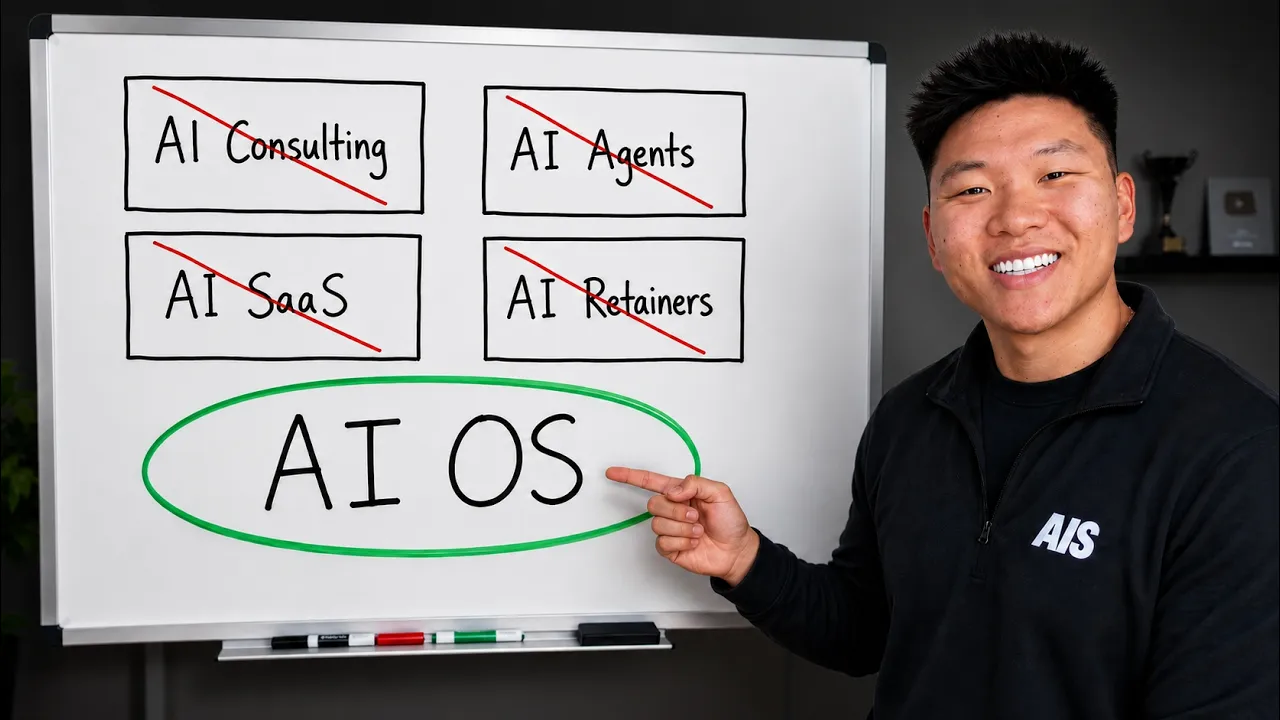






Get daily recaps from
Nate Herk | AI Automation
AI-powered summaries delivered to your inbox. Save hours every week while staying fully informed.