How does the combat system in Crimson Desert compare to other open-world RPGs like Witcher 3 or Dragon’s Dogma 2?
Answered by 3 creators across 5 videos
Crimson Desert’s combat system reads as an ambitious, action-forward sandbox, built around parries, big-move combos, and a flexible grappling toolkit, but its bite depends on how smoothly you can execute inputs. As Asmongold explains, the core promise is good: a responsive parry window and stamina-managed exchanges, yet the current keyboard/mouse controls and scattered UI drag the feel toward clunkiness, which bluntly hurts combat fluency. Maximilian Dood argues the real meat is in the depth and variety of moves (giant swings, grappling follow-ups, multiple stances) that can turn chaotic skirmishes into visually satisfying sequences, especially once you tolerate some wonkiness and learn to read the sandbox rules. He also notes that the game’s emergent systems—watching skills in the wild, experiment-heavy encounters, and co-op zaniness—can elevate combat beyond a strict “beat the boss” rhythm when the patch cadence smooths responsiveness. Swifty Unknown emphasizes the tonal flavor: brutal, close-quarters Kung-Fu dynamics in a campaign that rewards bold, in-the-moment decision making, which differentiates Crimson Desert from more linearly tuned swordplay. In context, Crimson Desert’s combat stands out for experimentation and spectacle, but its success relative to Witcher 3 or Dragon’s Dogma 2 hinges on improving input responsiveness, animation canceling, and unified item management to unlock the deeper, more satisfying combos consistently. And while Witcher 3 nails timing and targeting within a polished, cinematic frame, Crimson Desert invites a looser, sandbox-channeled approach where you “make your fun” through raids on the environment, grappling, and staggered combo strings rather than a tightly guided narrative beat-for-beat like Witcher 3. A closer parallel to Dragon’s Dogma 2 would hinge on the pawns and systemic combat rhythm, but with Crimson Desert’s own peculiar toolkit, the standout takeaway is that combat can feel incredibly rewarding—once the UX and controls stop fighting you.
- Asmongold points out that Crimson Desert’s combat promises depth through parry windows, stamina management, and fluid combos, but the controls and UI undermine the execution on PC.
- Maximilian Dood highlights the moveset’s breadth (giant swings, grappling follow-ups, multiple stances) and the sandbox ethos that makes combat feel like chaotic, satisfying play rather than a rigid system.
- Maximilian Dood also notes that patch updates can dramatically shift how combat feels, turning previously frustrating moments into rewarding sequences when QoL and responsiveness improve.
- Swifty Unknown emphasizes the visceral, Kung-Fu–style close-quarters combat in free-roam, suggesting the mechanic’s charm is in aggressive, high-energy exchanges and decisive momentum shifts.
Source Videos
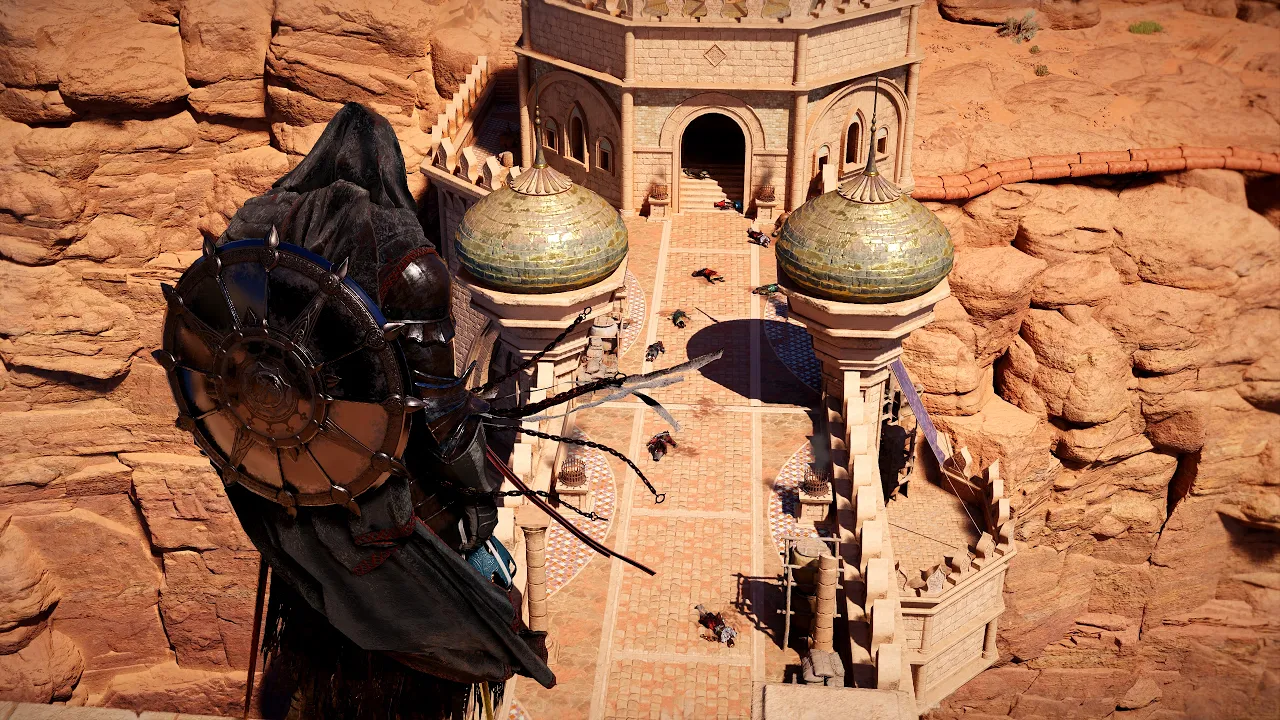
Crimson Desert - Brutal Kung Fu Combat - PC Free Roam Gameplay
"I'll track you down." [00:01:20]
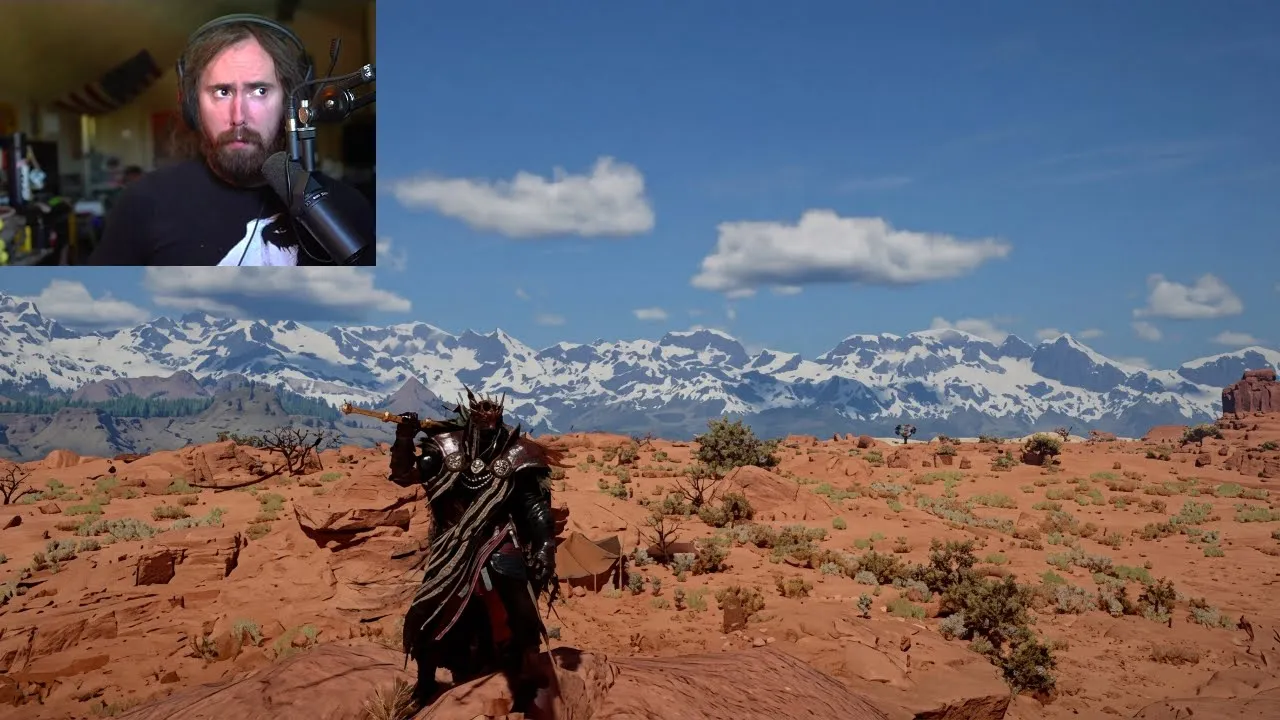
My last time playing Crimson Desert….
"I think Crimson Desert is really, really good. Oh my god, oh my god. I look so good, bro." 00:12:34
Max came back to Crimson Desert?! 🔴Full Stream🔴 (3-24)
"I absolutely refuse to play Crimson Desert after that terrible demo, after the bad reviews, after all the weirdness." [00:02:10]
YoVideogames Vs. Crimson Desert 🔴Full Stream🔴 (3-22)
"Crimson Desert. I think it's the best game ever made." [00:28:10]

So I Tried Crimson Desert..
"The controls for this game are absolutely the worst thing about the game in my opinion." 00:13:00