This is a Touchscreen MacBook

Chapters10
Introduces the concept of a touchscreen enabled MacBook and how it works with finger input and a pen for software like Photoshop.
A real touchscreen MacBook prototype with Magic Screen questions Apple's stance and hints at a future with touch and OLED displays.
Summary
Dave2D walks us through a tangible touchscreen MacBook prototype using the Magic Screen accessory. He explains it’s not a software trick but a magnetically attached digitizer layer that enables full pen and touch input on a 14-inch MacBook Pro. The device feels well-built, supports pressure-sensitive pens, and even includes a stand/brace for stability. Yet, he argues that while the hardware impresses, macOS isn’t designed for touch targets, making the experience feel clunky. He contrasts this with Windows laptops where touch is common, but notes that most users don’t rely on touch often. Dave2D also explores why Apple might finally move toward a touchscreen MacBook, pointing to integrated touch in displays, a potential future macOS UI that adapts to touch, and the benefits for universal apps and iPad/iPhone app testing. He suggests the timing could be tied to Apple Silicon gains, a renewed top-tier MacBook with OLED, and the desire to create a higher price ceiling for the lineup. In the end, the magic screen represents a glimpse into a possible future, even as current software isn’t ready for prime time on macOS. Expect more concrete changes, perhaps a revamped MacBook with touchscreen and OLED in the near future.
Key Takeaways
- Magic Screen attaches magnetically to a regular 14-inch MacBook Pro and requires a cable to enable touch, transforming it into a fully functional touchscreen.
- Hardware support includes a pressure-sensitive pen and a case that folds into a stabilizing stand, plus standalone digitizer use like a Wacom tablet.
- MacOS currently feels imprecise for touch targets, with small hit targets that make tasks like renaming files or dragging windows awkward.
- Dave2D argues the software limitation is the main issue, not the hardware, highlighting that the technology is solid but not yet software-ready.
- Apple moving toward a touchscreen MacBook might be driven by display-stack touch integration, macOS UI adaptability, and better support for iPad/iPhone apps.
- A future MacBook featuring touchscreen and OLED could create a new high-end price tier for the lineup, appealing to enthusiasts and pros.
- Speculation exists that Apple could release a touchscreen MacBook as early as this year, signaling a strategic shift after two decades of resistance.
Who Is This For?
Anyone curious about Apple’s potential future hardware directions, especially developers and power users who would benefit from native touch on macOS and iPad/iPhone app testing on a MacBook.
Notable Quotes
""This is something that technically should not exist. It's a touchscreen MacBook.""
—Introduction to the Magic Screen touchscreen MacBook prototype.
""For what this is, the pricing is reasonable.""
—Dave2D remarks on the value proposition of the Magic Screen setup.
""Mac OS is built entirely around the precision of a mouse cursor.""
—Explains the software challenge of touch input on macOS.
""If Apple themselves came out with a touchscreen MacBook today with the current version of Mac OS, I think it would just be an unpleasant experience for most people.""
—Argues about software readiness versus hardware capability.
""There's strong speculation that Apple themselves are working on a touchscreen MacBook that's supposed to release as early as this year.""
—Notes industry speculation driving the discussion.
Questions This Video Answers
- Will Apple release a touchscreen MacBook in the near future with OLED display?
- Why did Apple resist touchscreens for two decades and what changed now?
- Can macOS ever be fully touch-friendly, or will it rely on a hybrid input model?
- How does Magic Screen compare to other digitizers like Wacom with a MacBook Pro?
- What benefits do universal iOS/iPad apps bring to a MacBook if it has a touchscreen?
Magic ScreenTouchscreen MacBookMacBook PromacOS UIApple SiliconOLED displayiPad apps on MacUniversal appsTouch input hardwareWacom-style digitizer
Full Transcript
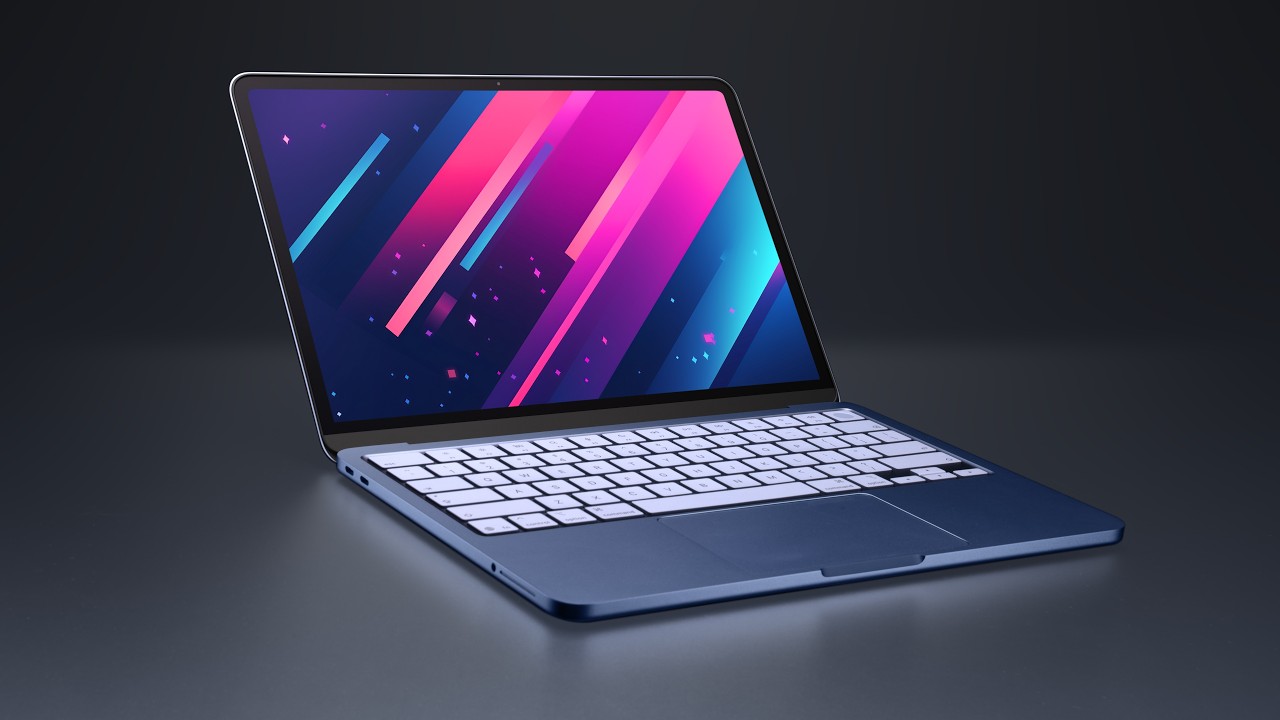
This is something that technically should not exist. It's a touchscreen MacBook. It uses a piece of tech called magic screen and it's not like a software hack or like an iPad taped to a MacBook. Who would be so stupid to do something like that, right? This is legit. This is an actual touchscreen enabled MacBook. And it's like you can use your finger as mouse cursor. You can go into browsers and use it as such. And you can also go into Photoshop and use it with a pen. Like you get full pen support, touch support. It's a legitimate touchcreen.
Now, having used this for a little bit, it's actually changed the way that I think about the concept of a touchscreen MacBook in the first place. So, if you look at the high-end laptop market right now, most Windows laptops just have touchscreens. If it's like a Surface laptop or Dell XPS product or Lenovo Yogas or Asus Zenbooks, they just have touchcreens. Even gaming laptops sometimes have touchcreens. It's not like a super important deal-breaking feature, but it's just a nice thing to have sometimes, but to interact with your computer with your fingers, and if you ever want to just casually browse and poke around, it's it's a thing that so many Windows laptops have that it's not really a selling point anymore.
It's just a thing that exists that you occasionally use. But Apple's stance on this whole feature is very different. They've actually been quite adamant to not include touchcreens on any of their laptops. Like back in 2010, Steve Jobs famously called vertical screens like the ones you'd see on a laptop. Called them ergonomically terrible for touch. And this has been their stance for 15 years, right? If you want to get an Apple computer with touch, iPad. If you want a laptop, like it's mouse or touchpad. That's it. End of story. Now, maybe there's merit to what he was thinking because even though touchc screens on Windows laptops are so commonplace, most people who have touch enabled Windows laptops don't even use that functionality because it is a little bit tiring to poke at constantly and it smudges your screen with fingerprints.
And for most laptops, the form factor just isn't built for touch. The two in one's great, but most clamshell laptops, like it's okay, but you got to tilt it a certain way, and it's not like a primary way to interact with computers. Now, even though Windows devices have had touchcreens for like two decades, the touch experience is just okay at best. Microsoft tries, like when you detach a keyboard or use a touchcreen, it can space out the icons and there's animations and little tweaks to make it a little bit more usable, but it's never felt purpose-built for touch because it isn't.
which brings us back to this device here. So, this is a regular 14-inch MacBook Pro. Uh, and this is the Magic Screen. Uh, so this is when it's just not connected. It's a sheet of plastic with a digitizer on it. And it attaches to the screen magnetically. This version, at least to my understanding, needs a cable. I don't know about future iterations of it, but once you've connected it up, it is a fully functional touchcreen. That's all you need to do. Connect the cable and touchcreen activated. Now, the hardware itself is genuinely impressive. It's built really well, and it supports the pressure sensitive pen that it comes with.
It even has a case that folds into a stand to brace the screen so it doesn't wobble when you poke at it. And you can use the digitizer separately like a Wacom tablet. And for what this is, the pricing is reasonable. But having used this for a little bit, it's kind of exposed this flaw that I can't overlook. If Apple themselves came out with a touchscreen MacBook today with the current version of Mac OS, I think it would just be a unpleasant experience for most people. Arguably even worse than Windows 11. So Mac OS is built entirely around the precision of a mouse cursor.
Like the touch targets are tiny. Renaming a file or trying to drag a window or even interacting in the menus with your finger feels like clunky and not particularly precise. And obviously none of this was built for touch controls. This is Mac OS. It's not supposed to have touch. I will say though for a third party product, this is awesome. Like the technology is great. It's just the software is clearly not built for this type of interaction. But there's strong speculation that Apple themselves are working on a touchscreen MacBook that's supposed to release as early as this year.
And the question that I think most people would have upon hearing this is why now? Like why after 20 years of just adamantly saying nope, no touchcreens on laptops, why now? So I think it comes down to a few things. The first is the available hardware now. So for years the idea of a touchscreen laptop meant that you had to add an additional digitizer layer on top of your display stack which makes it a little bit heavier, a little bit thicker. You cut down on brightness. Like the whole image quality is reduced by the presence of that touchscreen layer.
But now there's technology that has the touch sensitive components built into the display stack itself which gives you perfect image quality while having touch capabilities. Now the second reason as to why now is Mac OS itself. So the most recent version of Mac OS with its liquid glass design language. All of the design elements are like bigger, rounder, and just more prominent than previous versions. And supposedly the next version of Mac OS will have dynamic UI elements that will shift around depending on how you interact with them. Like right now, if you try to tap the red, yellow, and green buttons with your fingers, it's an awful experience because your finger is just so much bigger than the hit targets.
But with an adaptive UI, the OS could dynamically scale the hit targets and the icons the moment you reach for the screen. And it just makes that experience feel so much more fluid and usable. Now, the third reason as to why Apple would be doing this is because of universal apps. Ever since Apple moved over to their own silicon, like Apple silicon, even on M1, you could run Apple's iPhone and iPad apps on your MacBook. But the experience is usually pretty clunky because these apps were designed to be used with your finger, not like a mouse cursor that you click around.
And so a touchscreen on a MacBook would bring a lot of usability to those games and applications. And same for developers like they would now be able to test their iPad and iPhone apps directly on their laptops by touching the screen instead of like trying to simulate those touches with a mouse click. Now there's a fourth kind of reason that I think as to why this whole uh touchscreen laptop is going to exist. So, I mentioned in a previous video about like the MacBook lineup that the entry-level MacBook Air has become incredibly good. Like the M4 and M5 MacBook Airs are so powerful and priced so competitively that it's just closed the gap between what a pro product is and what like their Air product is.
And a new MacBook product like their top tier super MacBook would be like with the touchscreen and the OLED screen. It now just gives the enthusiast market and like the super professional market a reason to drop crazy money on like a new kind of MacBook. And not that this is their goal. I'm not saying that. But they'd have the opportunity cuz this would create a new higher tier price ceiling for the entire MacBook lineup. So there you have it. This magic screen technology is very cool. It's like a glimpse into the forbidden world of a touchscreen MacBook.
You can clearly tell though that the software just isn't cut out for it right now. All signs point to a fully redesigned, revamped MacBook in the relatively near future with touchscreen capabilities and an OLED screen. So, we'll see how that shakes out. Okay, hope you guys enjoyed this video.
More from Dave2D



Get daily recaps from
Dave2D
AI-powered summaries delivered to your inbox. Save hours every week while staying fully informed.