Goodbye Tim Cook

Chapters10
Examines Tim Cook’s early challenges as Apple’s CEO, his distinct leadership style, and his stewardship of Apple Silicon, arguing he created his own path rather than copying Jobs. It also hints at Apple’s ongoing innovations and industry impact.
Tim Cook didn’t fill Jobs’ shoes—he forged his own path, turning Apple Silicon and hardware mastery into a lasting legacy for Apple’s future.
Summary
Linus Tech Tips’ video delves into Tim Cook’s 15-year tenure and why his leadership reshaped Apple more than any single product. Linus highlights Cook’s strength in supply chain discipline, Silicon strategy, and the bold shift to in-house chips that began with the A4 and culminated in Apple Silicon. He argues the A4 was Apple’s first true in-house silicon that enabled multitasking, long battery life, and new IO features, setting the stage for the M-series era. The discussion then covers the Intel era’s struggles, the MacBook heat issues of the mid-2010s, and the strategic pivot toward ARM-based silicon that Apple pursued aggressively starting around 2011. Linus also praises the Neo and education initiatives as proof of Apple’s vertical integration and fleet-management prowess, and he notes Tim Cook’s achievements in keeping products in stock worldwide, even during disruptions. While not every decision was perfect (Vision Pro gets a critical nod), the video concludes with enthusiasm for Apple’s future under new hardware leadership as Cook moves to executive chairman. The host also previews leadership changes: John Turnis as chief hardware officer and John Suji as head of Apple Silicon design, signaling a continued hardware-first strategy.
Key Takeaways
- Tim Cook’s tenure transformed Apple from a Jobs-era innovator to a hardware- and supply-chain-focused behem, culminating in the Apple Silicon revolution.
- The A4 chip was Apple’s first in-house silicon and a turning point for multitasking, battery life, and onboard IO like the gyroscope.
- Apple’s transition from Intel to ARM-based Apple Silicon began to accelerate with the M-series, aided by Rosetta 2 for software compatibility and a prolonged support path for Intel Macs.
- The iPad-MacBook convergence and the Neo’s $599 price point marked a strategic shift toward accessible education devices and vertical integration for cost control.
- Apple’s leadership change emphasizes hardware as a top priority, with Turnis and Suji named to guide Silicon and hardware development.
- Cook’s era also showcased stellar supply-chain management, keeping products in stock and shipping on time across global markets.
Who Is This For?
Tech enthusiasts and Apple watchers who want a concise, opinionated take on Tim Cook’s impact, the Apple Silicon pivot, and what’s next for Apple’s leadership. Especially useful for readers curious about how hardware strategy and education-market moves shape Apple’s trajectory.
Notable Quotes
""What they failed to predict was that he would make his own shoes and that they would be pretty slick.""
—Cook’s unexpected leadership style contrasted with Jobs, yet became his defining strength.
""Apple’s M series silicon launch was a smashing success that vastly exceeded the expectations of all but Apple's most devoted of glazers.""
—Praise for the real impact of Apple Silicon beyond initial hype.
""Apple has completely overhauled their tools for education and fleet management, creating an alternative to Chromebooks and Windows machines...""
—Education market strategy as a major part of Cook’s legacy.
""Two new C levels from their hardware team... chief hardware officer""
—Signals a continued hardware-centric leadership direction under Apple’s transition.
Questions This Video Answers
- How did Tim Cook turn Apple into a silicon-first hardware powerhouse?
- What is Apple Silicon and why did Apple move away from Intel?
- Who are John Turnis and John Suji, and what will they do at Apple?
- What role did education technology play in Tim Cook’s strategy for Apple?
- Is Apple Vision Pro a misstep or a strategic pivot for future hardware?
Tim CookApple SiliconA4 chipA5 chipRosetta 2Intel transitionMacBook NeoEducation technologyApple hardware leadershipJohn Turnis (Chief Hardware Officer)
Full Transcript
In 2011, Steve Jobs' health failed for the last time, and Tim Cook took the reigns of Apple, Inc. This was a colossal shakeup. I mean, he wasn't just stepping up to the helm of a massive company that had revolutionized personal audio, mobile communication, and personal computing. He was stepping into the shoes of one of the largest personalities that the tech industry had ever seen. How could he possibly hope to fill them? In the early days, they didn't look so good. Apple lovers and haters alike would mourn the Jobs era whenever Mr. Cook changed something or failed to change enough.
The comparison was just painful between Jobs's obsessive passion and his replacement, the awkward supply chain specialist. Surely then he would turn out to be a poor steward of the soul of Apple, a company that treated their products like art and fashion as much as like personal electronics. And yet here we are 15 years later as Tim Cook is in the midst of stepping down as CEO for a well-earned permanent vacation. And I can say without a doubt that while his haters were right, he didn't fill Steve Jobs' shoes. What they failed to predict was that he would make his own shoes and that they would be pretty slick.
Okay, not every move was a great success. And there are folks who fairly have criticized Apple's less fun design choices over the last decade and a half. But as someone who's more focused on the technology of computers rather than their style, I am actually more excited about Apple's future than I have ever been before. And that is in no small part because of Mr. Cook's crowning achievement, IMO, his careful stewardship of Steve Jobs's parting gift, Apple Silicon. Let's talk about that. And let's talk about our sponsor, Threat Locker. If you run a small business, an infrastructure team, or even a large company, Threat Locker's zero trust approach to cyber security can help keep you protected.
Learn more at our link below. It's a storm. That's right, guys. Ship storm is back. From April 24th to May 7th, you get free shipping sitewide on ltstore.com on orders over $150 in the US and Canada or $225 worldwide. No code, no fuss, just load up a cart and get free shipping. And the best part, if you want an even lower threshold, you can sign up for our supporter plus tier over on Flowplane for an even better deal. We'll have that linked down below. It's like I've been working on my Tim Cook impression for nothing.
When Tim Cook took the reigns, Apple was on a win streak for the ages. Ever since the triumphant return of Steve Jobs, Apple had made PCs fun again with the iMac, turned personal audio completely on its head with the iPod and iTunes, and did the impossible with the mobile phone that changed the world. And those are just the highlights. By the time Cook stepped in, Apple had gone from the brink of death to a cool $300 billion valuation. And in his first year as CEO, Apple became the top smartphone manufacturer in the world. And why wouldn't they be?
Android devices, sure, were finding some success after stealing the idea of the iPhone, but they were still relatively unpolished, both in terms of their hardware and their software. Meanwhile, Apple's flagship iPhone was the first to feature an ultra premium double-sided glass sandwich design that still dominates today. And it was the first to ship with a humble little processor called the A4. Contrary to what most people think, the A4 wasn't actually the first custom silicon designed by Apple. That honor belongs to the Scorpius CPU, a quad core concept chip that would have enabled true desktop multitasking literally 20 years before Intel.
But what the A4 was was the first piece of silicon designed by Apple, Apple silicon you might call it, that ultimately made it into consumer's hands. And it was a gamecher. While everyone else was stuck using off-the-shelf or at most lightly modified ARM cores, Apple created a chip that was so powerful that it could accommodate multitasking on the highest resolution display on the market, make video calls with its front-facing camera, and interface with new onboard IO like the gyroscope. All with at the time downright outstanding battery life. The iPhone 4 with the A4 chip at its heart would remain part of Apple's lineup.
First as an entry-le model and then later as a budget option for developing markets for almost 5 years. But that doesn't mean that Apple rested on their laurels, at least not on the iPhone side of things. Within just 16 months, the previously groundbreaking A4 chip had already been replaced by the A5, which according to Apple was twice as fast. thanks to its more advanced architecture and addition of a second CPU core alongside vastly superior onboard graphics. And from there, the hits just kept coming. Now, there have been times when the mobile CPU wars have been somewhat close, as competitors like Qualcomm or Samsung have attempted to leapfrog Apple silicon.
Even the Apple haters have got to admit that under Tim Cook's leadership, Apple has executed nearly flawlessly on their mobile processor roadmap, delivering consistently industryleading performance year after year after year. If only the same could be said of Apple's partners. The mid2010s were a tough time for the MacBook and thanks to some questionable design choices that limited heat dissipation, a pretty tough time for the Mac as well. But why? You guessed it. While Intel had also been enjoying a long streak of wins, starting from the 2006 introduction of the Core 2 Duo, by 10 years later, they had completely run out of gas and begun a troubling pattern of releasing new chips that were actually built on old manufacturing processes and just were not moving the bar for performance or for efficiency.
At a time when Sir Johnny IVive was chasing thinner and lighter designs for Apple's products, this had a profound impact on their ability to innovate. Not helping matters was Apple's ongoing feud with Nvidia. Due to the bumpgate scandal that led to the untimely deaths of many GeForce powered MacBooks in 2008, Apple removed all Nvidia hardware from its product portfolio and then even today has never looked back. That's all fine and good until you realize that Apple's customers were relying on AMD's GPU team in order to deliver competitive GPU performance in their MacBooks and Macs. H little did we know though, Apple's leadership was cooking up a plan.
Rumors of an ARMPowered Mac prototype have actually been around since as early as 2011, according to this article from CNET. But it wasn't until 2018 that the first credible rumors began to circulate that Apple had deemed that their chip performance was actually good enough and a switch over from their floundering partner Intel was imminent. But why did it take them so long to make the call? To be honest, even with Intel's struggles and MacBooks overheating, I don't blame them. I mean, the transition from Power PC to x86 Intel back in 2006 was still a pretty vivid memory in the minds of both the Mac user base, not to mention Apple's own software teams.
During that time, many applications needed to be recompiled and then debugged by developers, which ended up costing consumers money directly, sometimes in the form of completely repurchasing their software. And that completely ignores that Apple themselves was stuck maintaining compatibility tools and parallel versions of their operating system for years. Then on top of that, developing your own chips, even for a company with the resources and talent of Apple, is kind of a hassle, you know, and it's pretty nice if someone else could just do it for you. While I strongly believe that the Apple silicon transition was inevitable the second that the A4 was a success, I also believe that if Intel hadn't fumbled as hard as they did, it could have come as much as 10 years later to just avoid rocking the boat and allow Apple to allocate their resources to new product lines rather than the oftlected Mac.
But with all that said, I don't think there's a person alive who would say now that the effort was wasted. Apple's M series silicon launch was a smashing success that vastly exceeded the expectations of all but Apple's most devoted of glazers. And this doesn't get enough credit in my opinion. It wasn't just the hardware. Apple's execution around software compatibility with Rosetta 2 and their ongoing support for Intel CPUs and Mac OS has given their legacy customers over half a decade to upgrade their devices before they'll lose access to the latest software updates. That's a pretty decent amount of time in tech terms.
Surprisingly though, it's actually not M series silicon that inspired me to make this video. And it's not even the AirPods. Another candidate for top Tim Cook success stories that rely on Apple Silicon for their competitive advantage. It was actually this. Every tech pundit worth their salt has been watching a couple of convergences taking place at Apple over the last decade plus. The iPad and the MacBook have been slowly, painfully slowly sometimes becoming more and more alike both in form and function. And when M series silicon showed up in the iPad, it had just about everyone, including me, going, "Well, it's powerful enough now." Mac OS on iPad went.
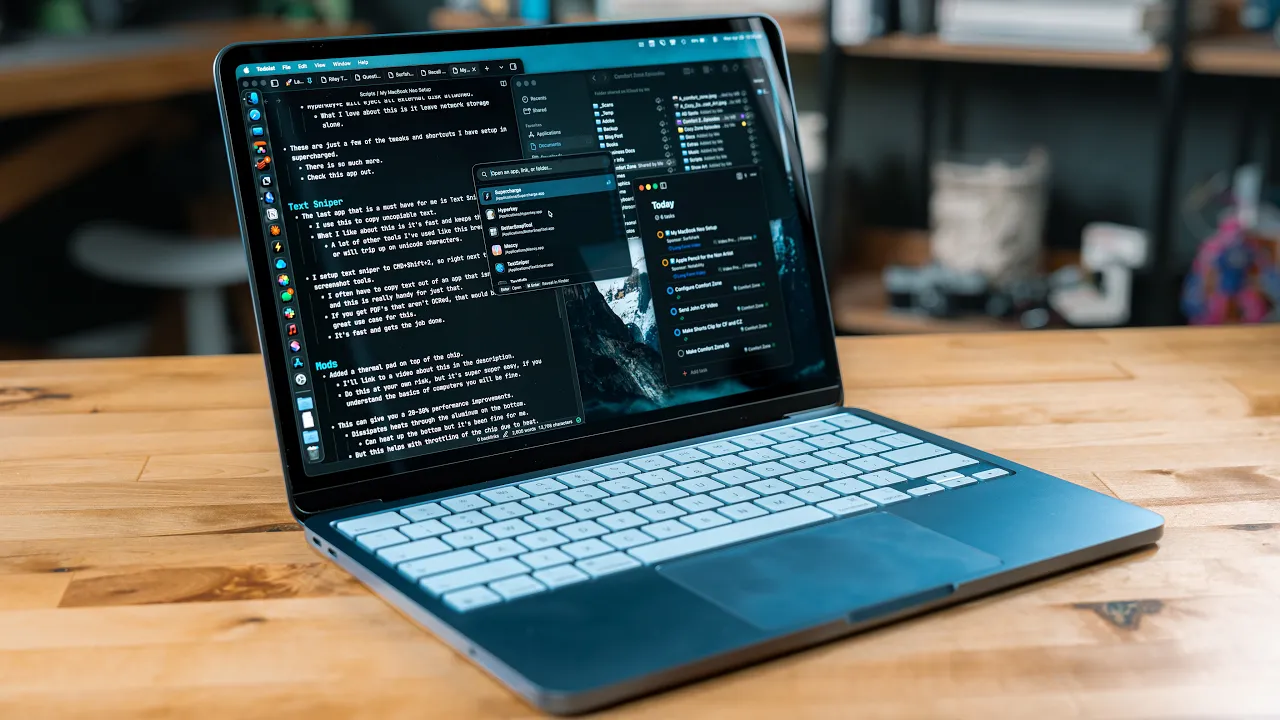
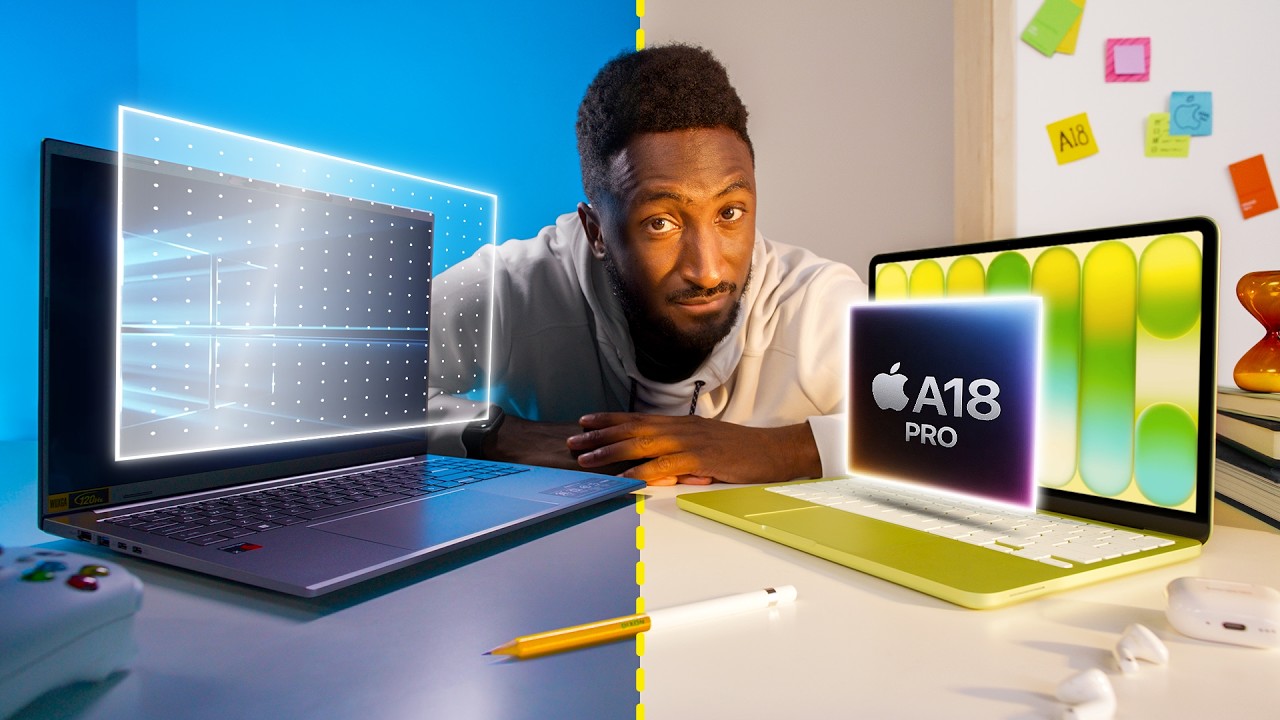
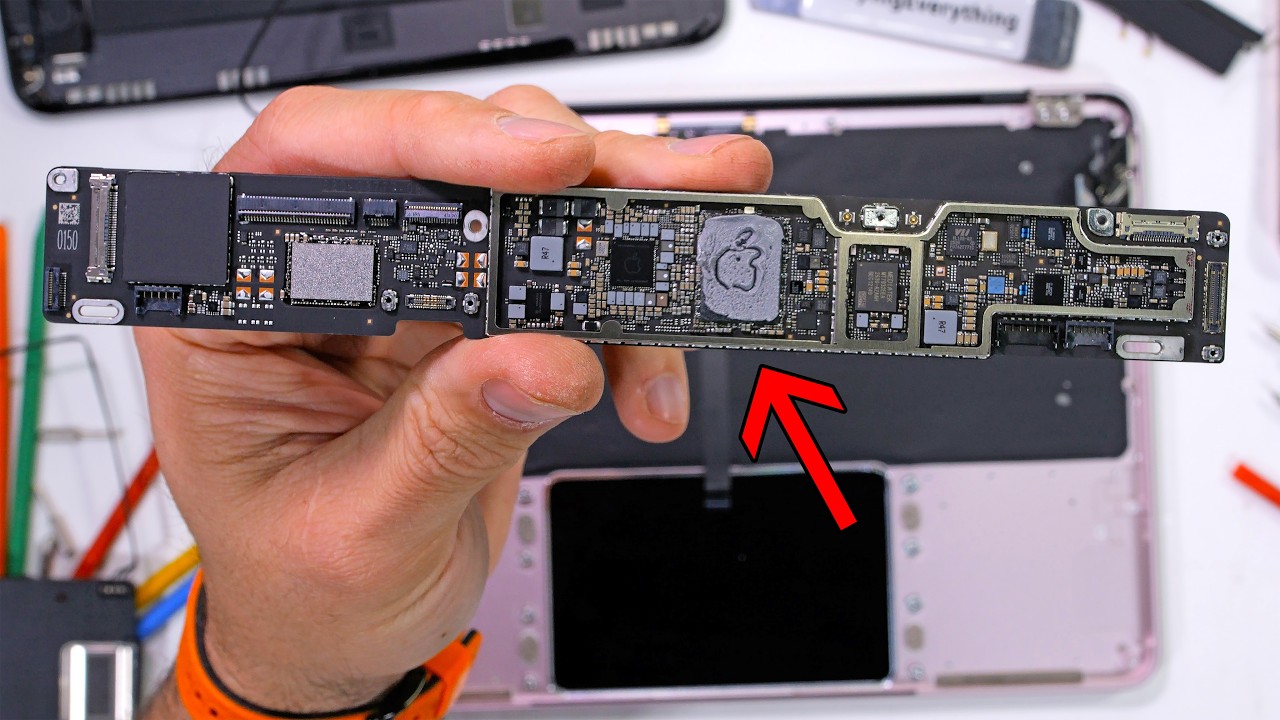
But then Apple went totally the other way. They zigged instead of zagged and they put the A18 Pro, a relatively inexpensive phone chip, in their most affordable MacBook ever. Now, in a vacuum, the MacBook Neo is already an outstanding product that deserves its millions of units of sales and more. But looking at the bigger picture, it is so much more than that. And I think it's going to prove to be the most important move that Mr. Cook has made during his entire tenure. I've talked for years about Apple's inexplicable, near complete abandonment of the education market.
When I was a kid, every machine in the school was a Mac. Love it, hate it, you had to use it. And an entire generation of children was raised believing that the left side of an app window was the appropriate place to click to close it. And then they just stopped being affordable and stopped caring that young people, especially young students, had been completely priced out of their ecosystem. That's what just changed for me. The $599 price for this was as big a mic drop as when Sony went on stage and said $299. And it would have been impossible without the vertical integration and supply chain mastery that Tim Cook oversaw.
Also, right along the Neo's launch, Apple has completely overhauled their tools for education and fleet management, creating an alternative to Chromebooks and Windows machines that's so powerful that within days of its launch, it was already changing the industry. Anyway, the Neo has been so successful that it actually almost punched a hole in that supply chain management aspect of Mr. Cook's tenure. All that stuff has been so expertly managed that I feel like we'd almost started to take it for granted. Remember how you used to line up for a new iPhone and it would be backorded for ages all the time?
I mean, any hot item has shortages, but I don't even remember the last time that we saw something like the Neo where it was backordered for like a month. Apple's ability under Tim Cook's leadership to keep products in stock on time around the globe, even during a disruptions, is nearly unparalleled. And I guess that's the wisdom of putting an awkward supply chain guy in charge. Under Tim Cook's leadership, Apple's gone from a valuation of hundreds of billions to multiple trillions. Which isn't to say that everything's gone perfectly. The Apple Vision Pro almost feels like an intentionally bad product.
I mean, a VR headset that refuses to acknowledge the two main use cases for VR, highfidelity gaming and highfidelity other things. What were they thinking? But hey, maybe I'm looking at the small picture. Maybe Apple's VR efforts are going to completely turn around with their rumored smart glasses. Kind of like we saw with the Apple Watch where it turned from a luxury gold-plated time piece to a health focused smart wearable. If that happens though, it won't be under Tim Cook who has taken a role as executive chairman. Well earned, sir. We haven't always agreed, but I respect the hell out of the hustle and I salute you.
Which leaves only one question. What do I meme about on my personal Twitter now? No, actually there are more questions. Who's taking over? His name is John Turnis. He's currently Apple's senior vice president for hardware engineering. And he was part of the team that introduced the iPad, which actually before the iPhone 4 was the first device to use Apple Silicon. And I got to say, knowing almost nothing about the guy, I love this move. I love the idea of hardware geeks learning biz stuff and then getting an opportunity to bring their deep product knowledge all the way to the top levels of leadership.
I strongly believe that Intel, for example, is much better off today because of Pat Gellzinger's short tenure as CEO, even if an imposttor is getting a ton of credit for the balls that Pat rolled into motion. And as if Apple was legit trying to suck up to me specifically, John Turnis' replacement is going to be John Suji, the guy who led Apple silicon design during the A4's development. He's also getting a title bump to chief hardware officer. So, Apple is getting two new C levels from their hardware team. They can't make it any more clear how much of a priority the hardware is right now.
And I got to say that is really exciting for me just like I get excited telling you about our sponsor Threat Locker. There are so many ways for a business to be hacked or their information to be compromised and leaked nowadays. And if you're overseeing a team of 100, 500, or a thousand people, that's a lot of points of vulnerability. Threat Locker goes above and beyond in the ways they can protect you and your team with something called zero trust. This means all network traffic is blocked unless it explicitly matches your defined policies automatically reducing exposure.
You decide which users can connect, which devices are approved, which resources are accessible, and which ports and protocols are allowed. You can even secure cloud access should your credentials be compromised. Say you were running a large YouTube channel where hackers somehow magically got access to passwords, 2FA approval, and hijacked some tokens. Hm, wonder where that happened. Well, Threat Locker could even neutralize those fishing attacks without interrupting your team's access to anything cloud-based. It's as simple as if something doesn't match the policies you set, it can't connect. So, start using a zero trust approach to cyber security today and check Threat Locker out using our link in the description below.
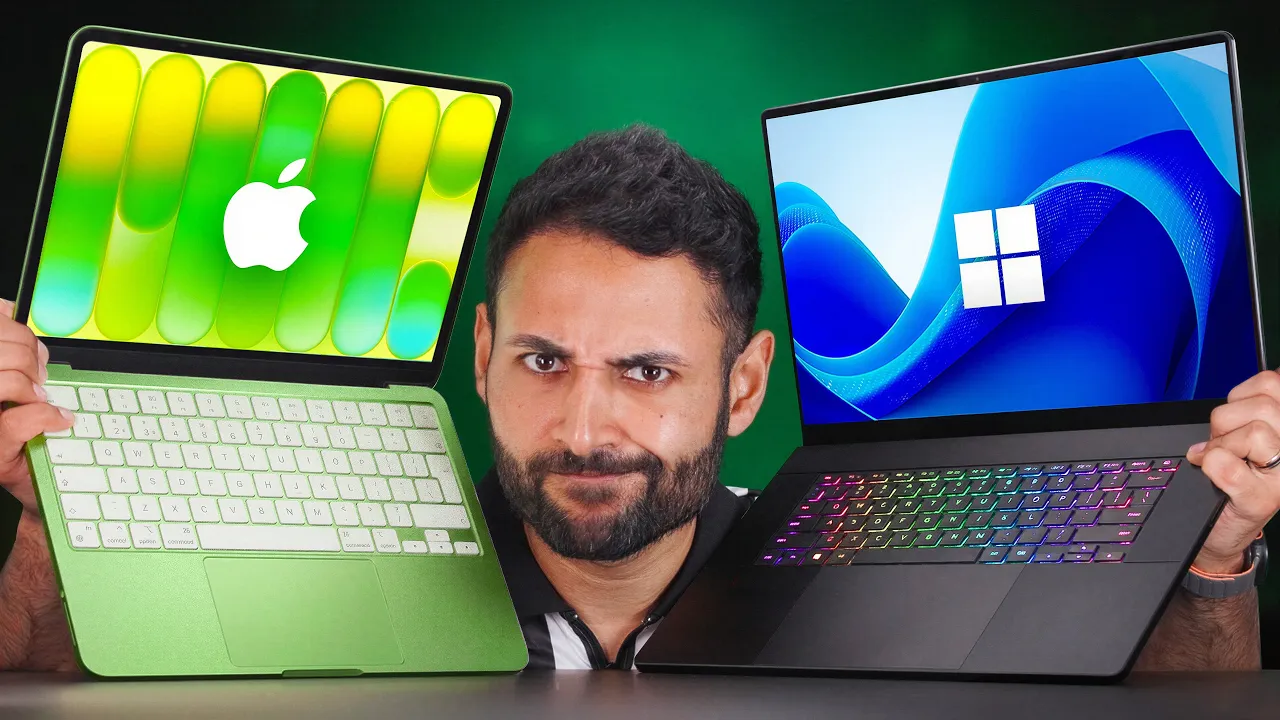
If you guys enjoyed this video, why not check out the recent comparison we did between the MacBook Neo and a bunch of other similarly priced Windows and Chrome OS machines. It's um it's kind of a blood bath. Not gonna lie.
More from Linus Tech Tips





Get daily recaps from
Linus Tech Tips
AI-powered summaries delivered to your inbox. Save hours every week while staying fully informed.