The Windows Laptop Problem

Chapters7
Introduces the MacBook Neo as a budget friendly rival that mimics the premium Mac experience at a lower price.
MacBook Neo at $600 reshapes high-end Windows laptop expectations, forcing Windows makers to chase Apple's integrated efficiency and premium feel.
Summary
Marques Brownlee kicks off by highlighting two standout Mac laptops—the budget MacBook Neo and the ultra-premium MacBook Pro 16-in with M5 Max—and argues they put Windows laptops on notice. He compares Neo’s aggressive pricing and solid build to the MacBook Pro’s top-tier performance, noting the M5 Max’s multi-core superiority and SSD speeds approaching 20,000 MB/s. Brownlee argues that Windows laptops win on variety and choice, but that this same diversity can hurt the user experience when hardware, drivers, and OS polish don’t align. He dives into the new Dell XPS14 as a case study: 14-inch, 2.8K tandem OLED display, Thunderbolt 4 ports, and an Intel Panther Lake Core Ultra 300-series, paired with 32GB RAM and a 1TB SSD. He points out trade-offs like port selection, no SD card slot, and a shallow keyboard, emphasizing that a premium Windows experience hinges on Dell, Intel, and Microsoft delivering a cohesive, ads-free, AI-light software flow. The overall verdict is that Windows can feel premium only when the hardware, silicon, and software ecosystem all hit their marks simultaneously—something that Apple has been doing for years with its vertical integration. Brownlee also notes the flip side: at lower price points, Apple’s efficiency and value proposition—exemplified by the Neo—reduces the appeal of competing Windows laptops, potentially pressuring Windows OEMs to rethink margins and strategy. He closes with reflections on why the Windows-versus-Mac dynamic mirrors iPhone versus Android: variety vs. a unified, refined experience—and teases upcoming merch stickers as a fun aside.
Key Takeaways
- The MacBook Neo at $600 delivers a premium feel and tight integration similar to higher-end Macs, challenging Windows laptops on value.
- Dell XPS14 showcases premium design (2.8K OLED, 14-inch, 120 Hz) and performance with Panther Lake Core Ultra 300-series, but requires ideal partner alignment (Dell, Intel, Microsoft) to feel truly premium.
- Windows premium experiences currently depend on multiple players delivering cohesive hardware and software; when one link underperforms, the whole package suffers.
- Apple’s lower-cost Neo acts as a Trojan horse, potentially converting first-time Mac buyers into service subscribers, not just hardware buyers.
- At budget to mid-range, efficiency wins: devices like the Acer Aspire 16 offer solid value through battery life and port variety, even if performance isn’t top-tier.
- The industry shift is forcing Windows OEMs to balance profit margins with the pressure to deliver a premium, bloat-free software experience free of aggressive AI features and ads.
- If Windows can achieve a consistently premium feel across hardware, software, and services, it could reclaim parity with Apple's long-standing dominance in the premium laptop space.
Who Is This For?
Tech enthusiasts and Windows laptop shoppers who want to understand how Apple’s pricing and integration affect the Windows market, and what to expect from high-end and budget machines alike.
Notable Quotes
"There was a quote recently from an Asus executive that described the new MacBook Neo as a shock to the industry and yes, but it also got me thinking, what is actually happening with the rest of the industry?"
—Sets up the central question about Windows vs Mac and industry reaction.
"It's not that the whole OS is like fundamentally bad. It's not super buggy or anything crazy. It's still functional, but it's just lacking the super premium feel that wins everybody over."
—Brownlee on Windows’ premium feel issues.
"In Windows land, this laptop being really good actually relies on a bunch of different companies all executing really well at the exact same time."
—Explains the coordination required for premium Windows laptops.
"Apple can make this computer even cheaper than they ordinarily would to effectively acquire new Mac users who will then go subscribe to TV Plus or Apple Care or iCloud or whatever other services."
—Delves into Neo’s business strategy beyond hardware margins.
Questions This Video Answers
- How does the MacBook Neo compare to Dell XPS 14 for premium Windows alternatives?
- Can Windows laptops ever feel as integrated as Apple Silicon Macs?
- Why is the MacBook Neo priced at $600 considered a game changer for the industry?
- What are the trade-offs of the Acer Aspire 16 for budget buyers?
- Is Windows 11’s AI focus harming the premium feel of Windows laptops?
MacBook NeoDell XPS14Dell XPSIntel Panther LakeCore Ultra 300-seriesWindows 11Microsoft copilotAI features in WindowsAcer Aspire 16Mac vs Windows competition
Full Transcript
So, two really crazy Mac laptops have come out in the past month. The MacBook Neo, which is one of the best deals in tech in a long time, 600 bucks and more efficient and more capable and better built than almost every other laptop in that price range. And the new MacBook Pros at the opposite end of the spectrum. I've been benchmarking a $6,000 16-in M5 Max MacBook Pro, and the results are just getting ridiculous. It has multi-core CPU performance at the top of the charts for every Mac ever. And the GPU is now more powerful than the M2 Ultra in my $10,000 Mac Pro.
And the new SSDs read write speeds are upgraded, approaching 20,000 megabytes per second. It's just absurd. It's awesome. It's a creative professional's dream. Both of these computers are putting Windows laptops on notice. and by extension Microsoft and Dell and HP and Asus and Lenovo and Razer, etc. all on notice. There was a quote recently from an Asus executive that described the new MacBook Neo as a shock to the industry and yes, but it also got me thinking, what is actually happening with the rest of the industry? What is happening on the Windows side of the fence?
So, I just started digging in. I started getting my hands on a bunch of these Windows laptops and and researching and benchmarking. And it's become pretty clear the more I think about it that Windows versus Mac laptops is basically the same as iPhone versus Android because just like Android, the advantage of the Windows side is the variety and the choice. But that's also now both an advantage and a disadvantage that's getting kind of scary now. Take this. This is the new Dell XPS14. I used to really like XPS computers back in the day. Some of my oldest computers were XPS's.
Then Dell did this thing where they killed off the XPS, the Latitude, and Inspiron names and rebranded them into Dell, Dell Pro, and Dell Pro Max for some reason. Then they came back to their senses and brought back XPS, and I bought this one, and this thing is really nice. 14-in 2.8K tandem OLED display, thin bezels all the way around with a webcam and no notch, 120 Hz variable refresh rate. And then it's this thin all metal jacket with soft touch finish around the palm rests which hide a massive force touch trackpad. There's three Thunderbolt ports.
There's a headphone jack. And then inside is an Intel Panther Lake processor. This one a Core Ultra 300 series with their new integrated GPUs plus 32 gigs of DDR5 RAM and a terabyte SSD. I liked a lot of the previous XPS's like I said, but this one is in a lot of ways better than those. Uh but it also does have a couple quirks. like the ports are all Thunderbolt 4 instead of Thunderbolt 5, and there's no SD card slot or any other full-size ports, which on a premium laptop like this is a choice. There's also no lip to open the lid for some reason.
So, it's always this little awkward pry to like get the laptop open every single time. And then the keyboard is probably its weakest point. It's a bit shallow. The layout is slightly wonky with these top menu buttons, which get slightly more misaligned the further from the outside you get. But otherwise, I mean, yeah, this is really nice. So, this this is a $2,200 laptop as spec. So, obviously a pretty premium option, but this is, you know, just one of many premium options you could pick. Now, why do I bring up this laptop? Well, in Windows land, this laptop being really good actually relies on a bunch of different companies all executing really well at the exact same time, right?
So, it relies on Dell putting a lot of effort into actually bringing back the XPS line and not cheaping out and doing the metal build quality and the nice display and the whole premium design. It also relies on Intel and this exact generation of Panther Lake chips being good and actually having good integrated graphics because they don't actually offer this laptop with a discrete GPU. And it relies on Microsoft to actually do a good job with Windows so that the software experience is worthy of a premium price tag and not riddled with ads or unnecessary AI features.
And if it all happens, then together this laptop feels like it's worth the premium price. But you can probably see where I'm going with this. That doesn't always happen. And lately, Windows has felt like a weak link and every single Windows laptop will have to suffer for it. Now, it's not that the whole OS is like fundamentally bad. It's not super buggy or anything crazy. It's still functional, but it's just lacking the super premium feel that wins everybody over. Like this XPS, the first time I booted this up to set it up, it took me like 45 minutes because of all the forced updates and then all these mandatory signins and then it's asking me to use Microsoft 365 and then one drive and then all these other services, etc., etc.
And then even once I got in, I got ads. Like I got a popup ad for McAfee Security on this $2,000 brand new laptop, which to be fair is probably a Dell problem. But then that's not even mentioning all the other AI stuff that Microsoft is pushing, the co-pilot stuff, the infamous recall feature that everyone hates. There's generative AI in Microsoft Paint. Now, for crying out loud, Microsoft actually requires a dedicated co-pilot button on the keyboard of every new Windows 11 laptop now to be classified as an AI PC, whatever that means. Uh, so just between that and the ads, it's just not really feeling like a totally premium experience.
And at that high-end, when you're spending a lot, users will start to get deservedly really picky. You're spending a lot of money, you deserve to. And that's where Apple has pretty much exclusively been playing for like the last decade. The cheapest new MacBook was always $1,000 and then it went way up from there. And they are so vertically integrated with their Apple silicon. And so the hardware is designed for the software and the software is designed for the hardware and it's always felt so efficient and clean and performant and people just love their expensive MacBook Pros.
Now there's obviously still reasons why people buy high-end Windows laptops. It's still a lot of the choice and the variety. And there are certain things you still can't get in Mac land. Like if you want a high-end gaming laptop, you know, that's one of those common things. You can go get a Razer Blade with a 5070 and a 240hz display. That's an option. So, there are still those things, but every one of those relies on all the parts from all those different companies again being good at the same time, and that is a tough challenge.
So now flip it to the low end. And this is where it gets really interesting because it turns out as we're learning, a lot of these efficiencies that Apple's been using to dominate the high-end are also very effective in the low end. Because to be clear, people are absolutely willing to accept some more shortcomings in lowerric laptops. Like that's a trade-off. That's a part of the game. You know, if you shop around, hey, maybe you'll be able to find a laptop with just the right set of trade-offs that you don't mind while still being decent at the stuff you care about.
Like this is the Acer Aspire 16. Super popular laptop in this segment. It's actually discounted recently, so I got it for 550 from Amazon. And there's a few more stickers on it. Yes. And there's a little more plastic and the keyboard deck flex is just a little bit lacking in build quality. Yes. And the Snapdragon chip that powers it, you know, it's not going to have the highest end performance, but it's efficient, so it has good battery. And then there's a nice big 16-in screen and a bunch of fullsize ports here. So, if I'm just going to be writing or web browsing or watching videos on this thing, feels like a pretty good value.
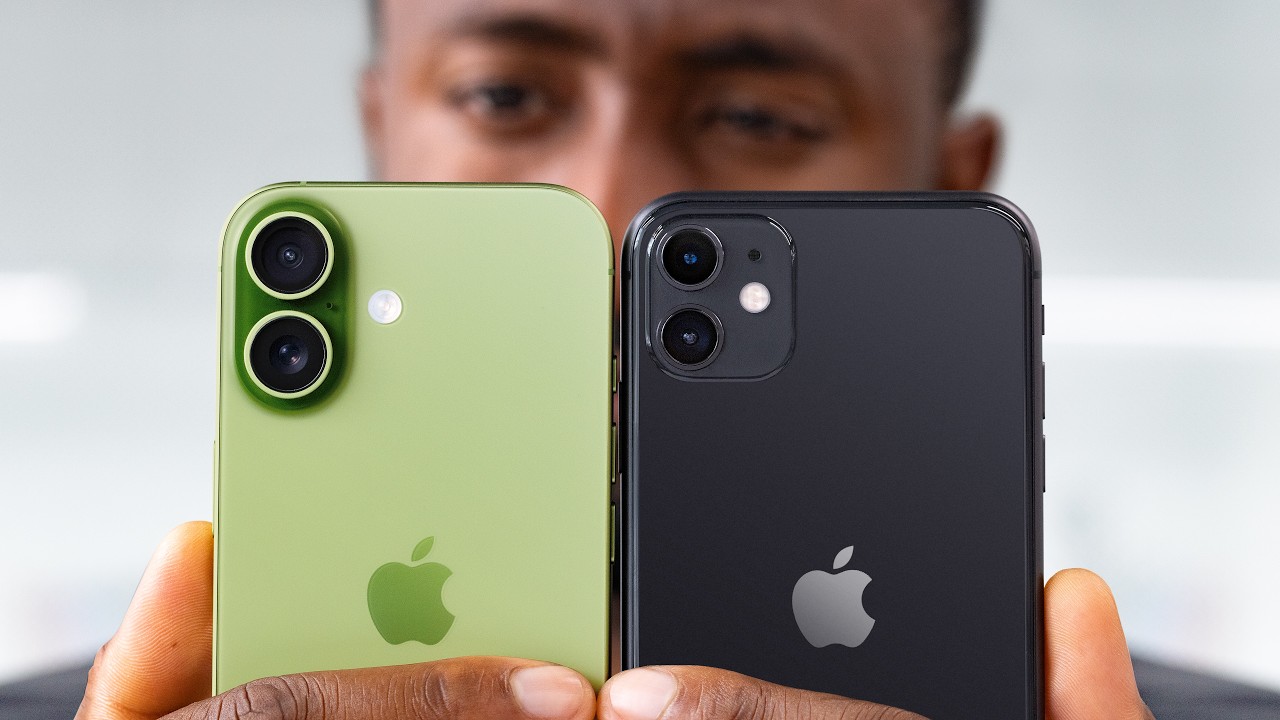
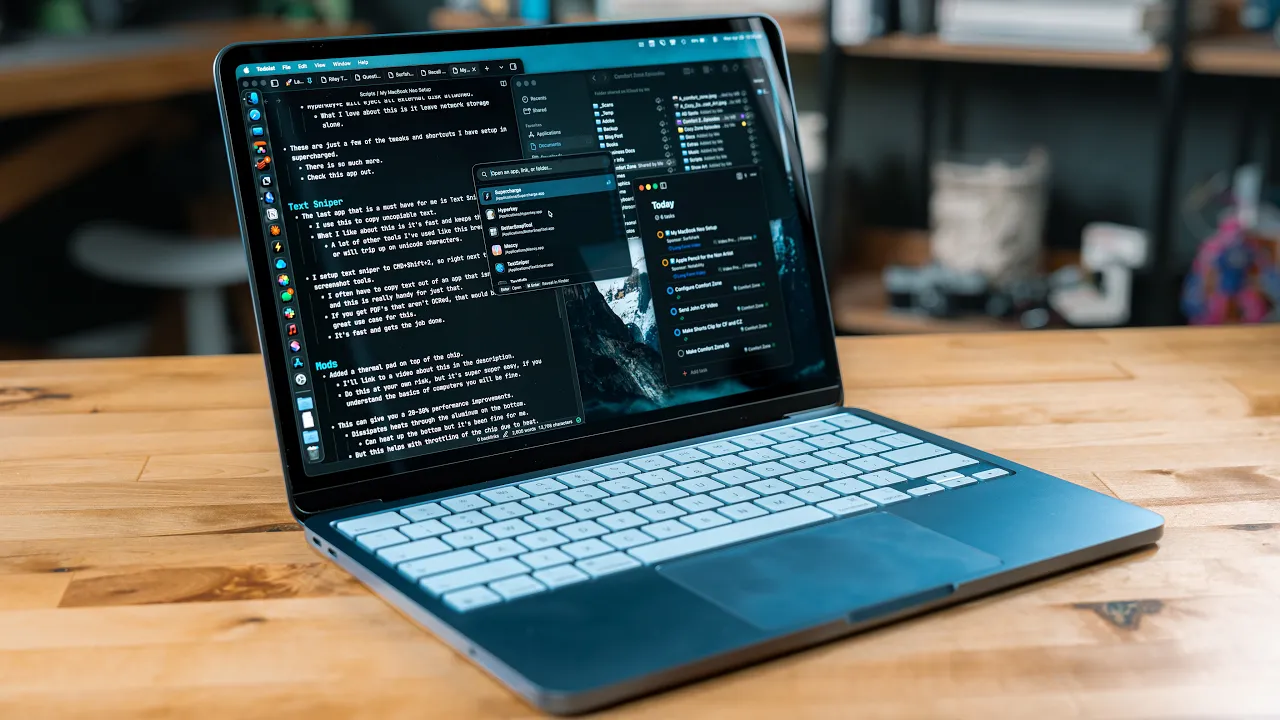
So, look, laptops like this have been just fine. They've been thriving at these price points. But here's the problem. Here's the brand new Gatorade colored MacBook Neoaped problem. The starting price for a MacBook has been $1,000 for a new machine for the past couple years. Now, it just dropped to 600 and actually 500 if you have a student discount. And if you've seen the reviews, you already know it turns out that they did a great job with the Neo to making it feel just like the more premium Macs. Same clean software, same metal build, same keyboard, and more importantly, the same tight vertical integration where the hardware and the software are designed for each other and work super efficiently with each other.
So, it's like unless you have a a Windows specific need or like a certain app you need to use software-wise or a certain game you want to play, most people crave the premium experience that's been associated with the Macs that are more expensive for all these years. And so, the Neo coming along for 600 bucks represented that premium, well-integrated, efficient experience that is going to be incredibly hard to compete with. In Windows Land, you're not only relying on all these different companies making the parts to all make them well at the same time, you're also paying them all who need their own profits to survive.
And so that makes it really hard to make good cheap laptops and actually profit from that. So then the cherry on top is not only does Apple basically print A18 Pros for cheap, but also Apple's not even necessarily concerned with making a huge hardware profit on selling Neos because this is more of a Trojan horse to create a bunch of new firsttime Mac buyers who then become Apple services subscribers. So, Apple can make this computer even cheaper than they ordinarily would to effectively acquire new Mac users who will then go subscribe to TV Plus or Apple Care or iCloud or whatever other services.
And that's worth more than the hardware margin would be. And it already seems to be working. There was just a Tim Cook tweet this week about how Mac just had its best launch ever for firsttime Mac customers. So yeah, I'm guilty of talking about Apple a lot in this video, but it turns out the shock to the industry is very real, and it's going to be so fascinating to see what sort of responses we actually get from Windows laptop makers in the next couple months and years and what sort of strings they try to pull because if they aren't able to do anything about it, then Neo is just going to keep eating their lunch and they could have a bit of a market share crisis on their hands.
Also, one more quick thing. Uh, we just came out with these stickers that we're adding to our merch store. I love the way these turns out. The team cooked on these. This one is a color picker sticker, which is so fun. So, it's kind of an if you know, you know design, but you can put them on anything colorful for fun. At least that's what I've been doing. You get a bunch of stickers in a pack. So, go get some for yourself and send me pictures of what you stick them on. Tag me on Twitter and threads and stuff.
All right, thanks for watching. Catch you guys in the next one. Peace.
More from Marques Brownlee









Get daily recaps from
Marques Brownlee
AI-powered summaries delivered to your inbox. Save hours every week while staying fully informed.