
Edward Sturm
SEO, digital marketing, organic social media marketing, growth hacks, and founder stories. Everything I'm doing to grow my ...

Generative Engine Optimization: Is It Safe and How to Do It the Right Way
The discussion centers on generative engine optimization (GEO) and its safety concerns, contrasting scalable content tactics with long-term risks to organic traffic and search rankings. The panel critiques hype around AI-driven content scaling, highlights how AI systems use web data and training history, and offers practical, cautionary guidance for evaluating GEO vendors, maintaining ethical SEO, and safeguarding brand reputation while leveraging AI.

From 1.19M to 28K: ClickUp’s SEO Collapse (And What It Teaches Us)
The episode analyzes ClickUp’s dramatic blog traffic collapse over 15 months, detailing how a combination of multiple Google updates, topically off-target content, and weak technical SEO caused a massive decline. It contrasts ClickUp’s strategy with peers like Zapier and Trello, highlighting how better editorial standards, alignment with search intent, and durable content models helped others weather the updates. Camilla Oleksa’s analysis and the edge-case data underscore that the root cause was systemic: poor content strategy, execution, and SEO hygiene rather than a single factor.
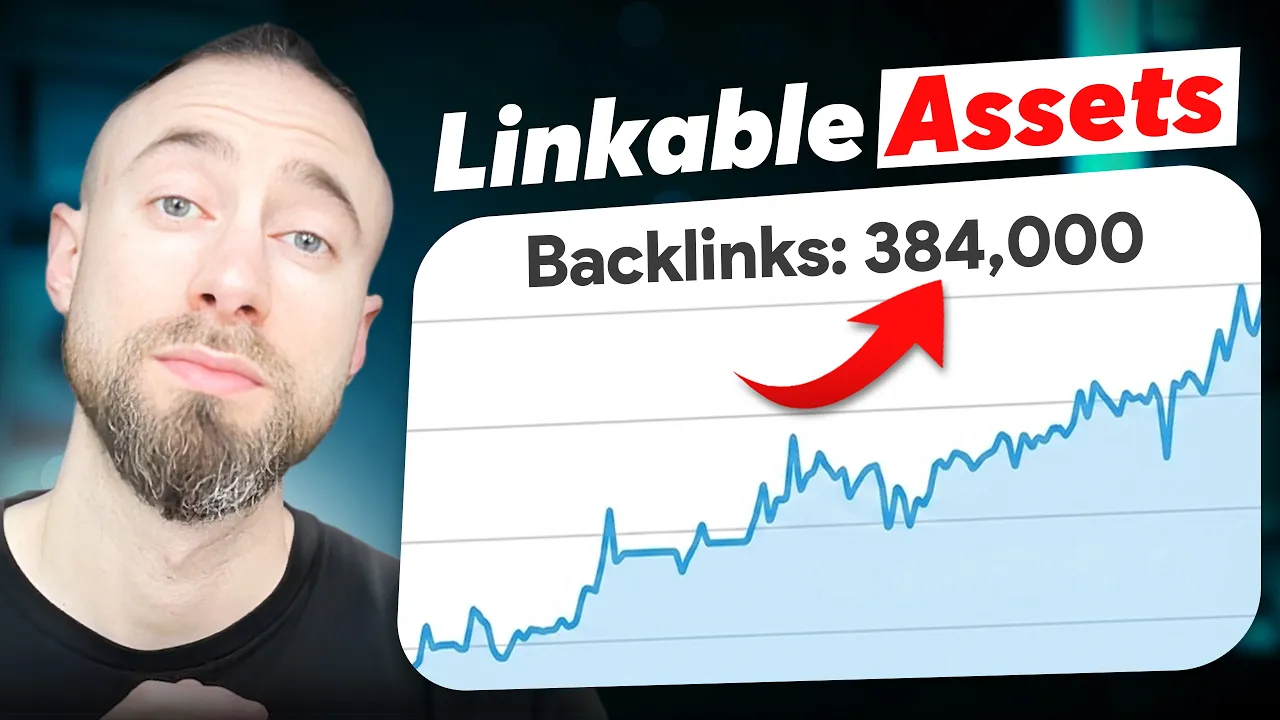
How One Simple Website Got 384,000 Backlinks (Linkable Assets Explained)
The episode explains the concept of linkable assets—valuable, easy-to-share tools or generators that others naturally link to and promote, boosting your site's SEO authority through inbound links. It covers multiple real-world examples (sleep cycle calculator, Canva color palette generator, “nothing for 2 minutes” viral page) and provides a practical prompt-based approach for ideation, creation, and distribution, plus podcast recommendations to help you implement and scale these assets.
Search Engine Optimization Tricks Everybody Should Be Doing (Do These Now)
The video bundles a Reddit-sourced compilation of actionable SEO hacks, emphasizing the power of positive, multi-platform reviews, especially video reviews, and the strategic use of intent-driven, local, and niche Landing pages. It highlights practical tactics like optimizing for overlooked keywords with high purchase intent, creating side-by-side comparison or competitor-based content, and writing content with a clear target audience and intent while avoiding spammy tricks; the presenter also stresses quality, human-focused content over AI-only outputs and shares personal examples and course promotions.
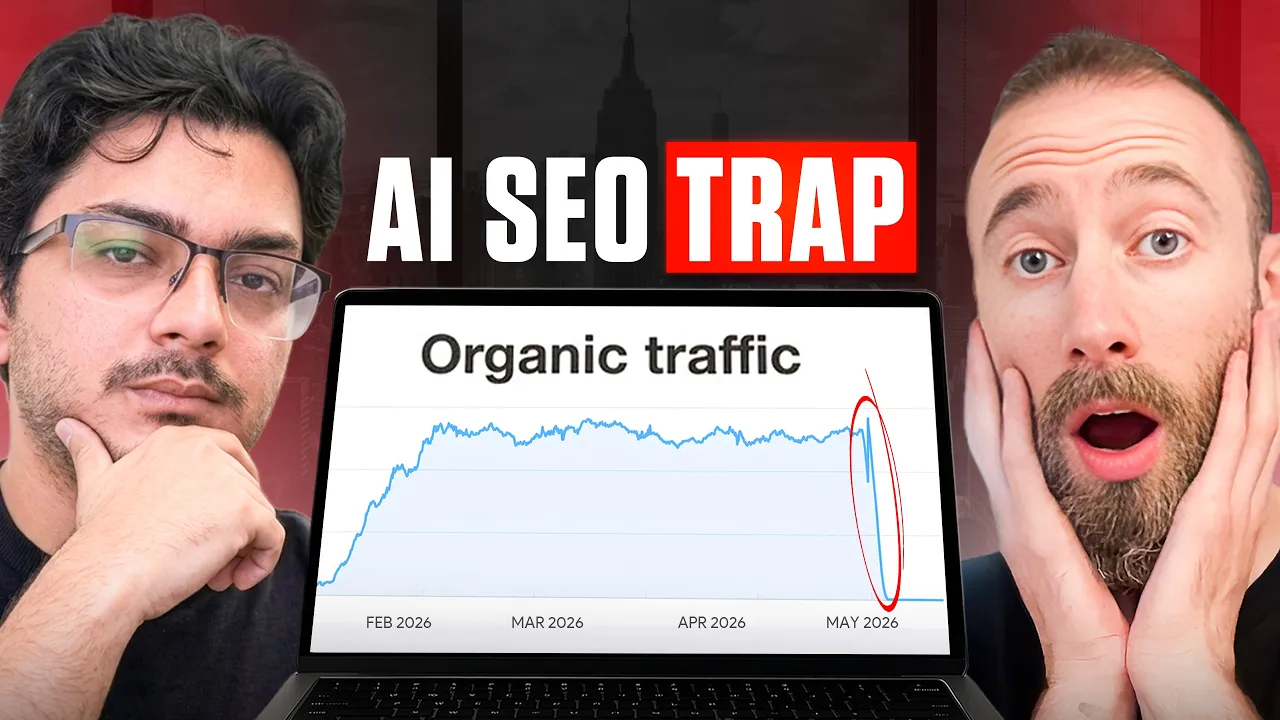
AI SEO Is a Boom-and-Bust Trap
The hosts discuss the current AI-driven push to automate SEO and scaled content, warning that rapid, mass publication often backfires as Google increasingly detects low-quality, non-unique pages. They advocate a balanced approach—combining AI with human input, focusing on branded content, and using omni-channel strategies (video, social, PR)—to build sustainable traffic and avoid the inevitable boom-and-bust cycles of scaled content abuse.

The GEO Grift: What Actually Works in AI Search (SEO Myths Exposed)
The episode features SEO veteran David Mweeny dissecting current myths around SEO, geo, and AI, from the overhyped value of schema and LLM.txt to the practicality (and risks) of cloaking, markdown, and signed entity claims. He challenges what actually moves AI visibility, emphasizes real-world SEO fundamentals like relevance and authority, and shares seasoned perspectives on experimentation, measurement, and the pitfalls of hype in the AI-driven search era.
The New SEO Playbook: AI Search, GEO & What Actually Drives Conversions
The speaker highlights key Brighton SEO notes on how technical SEO, content, PR, and social amplify reach, with an emphasis on intent-driven pages and real-world KPIs for organic channels. They discuss how AI and LLMs are reshaping SEO—from content creation and crawlability to user trust, brand strength, and shopping experiences—along with practical tips for structuring pages, optimizing for queries, and maintaining credible, neutral, and conversion-focused messaging.
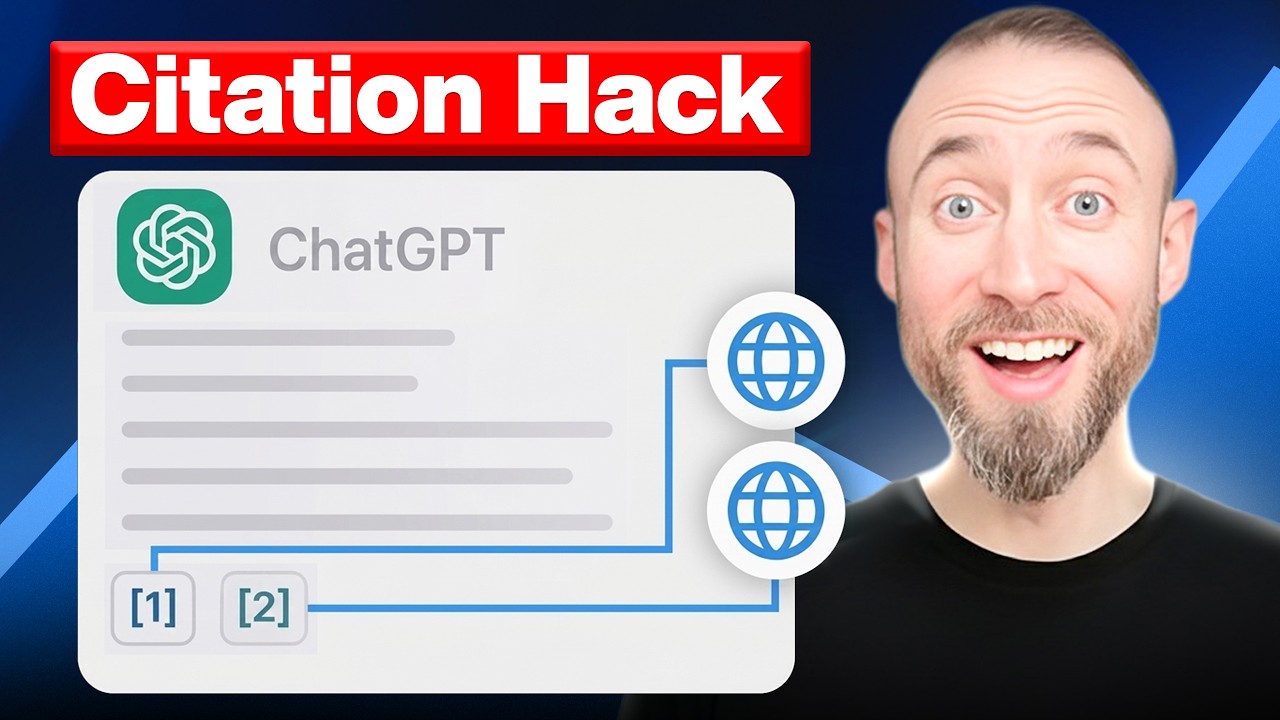
How to Get Cited by ChatGPT (1.4 Million Prompt Study Reveals the Truth)
The episode reviews a study of 1.4 million prompts from ChatGPT, revealing how the model gates and selects cited pages based on title, snippet, and URL rather than full-page content. It highlights that Reddit is a major but undercredited source, discusses how freshness and semantic relevance influence citations, and offers practical tips for optimizing pages (especially SEO-friendly titles and URLs) to increase being cited by AI and surfacing in fanout queries.
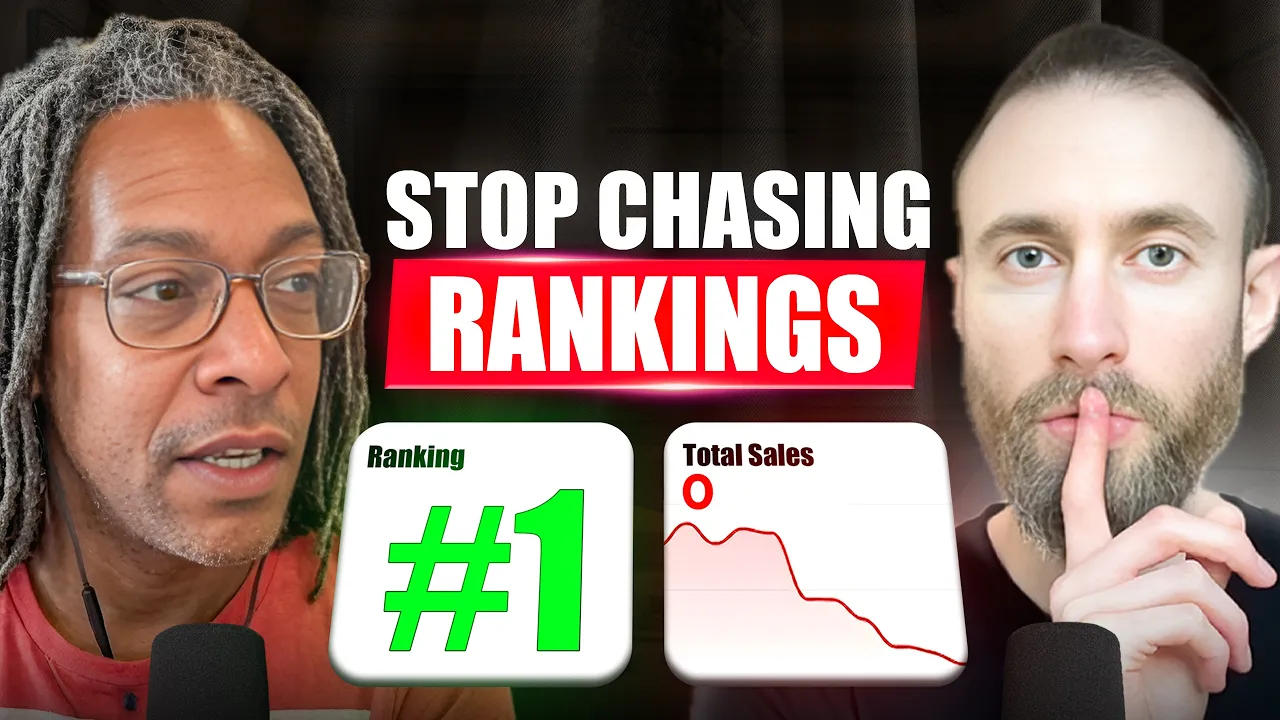
Wil Reynolds: Why Most SEOs Are Playing the Wrong Game
Will Reynolds shares candid insights from a long career in SEO, emphasizing practical, human-centered strategies over flashy tools. He discusses his evolution from keyword obsessing to building scalable AI-powered systems, the importance of authentic client relationships, and the mindset shifts needed to sustain growth, avoid “quick wins,” and operate with ultimate accountability.
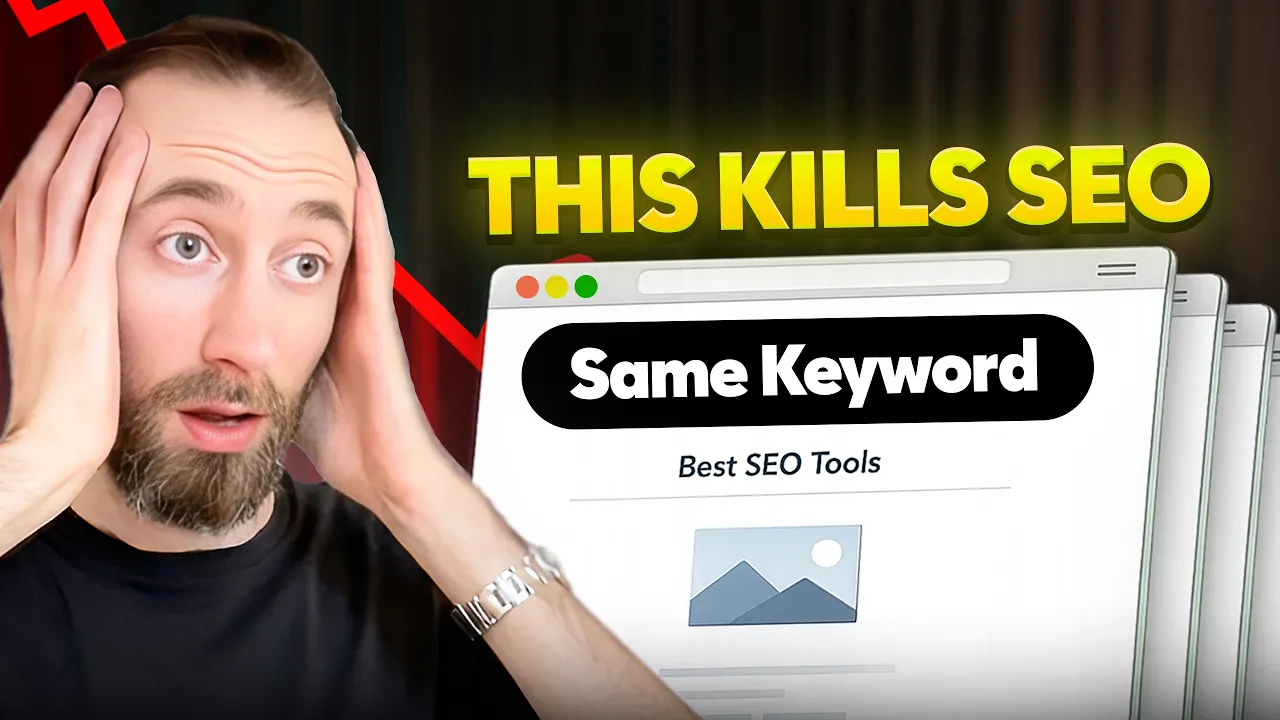
Keyword Cannibalization: Why Your SEO Pages Compete (And How to Fix It)
The video explains keyword cannibalization in SEO: what it is (pages on your site competing for the same keyword), how to spot it (GSC data by query and page, SERP overlap, and volatile positions), and practical fixes (consolidate to a single strong page, use 301 redirects, prune or noindex losers, and update internal links). It also covers broader nuances like when cannibalization matters (core, money keywords and high-intent terms), and cautions against overdoing fixes, emphasizing documentation, selective targeting, and the role of duplicate content handling by Google, with real-world examples and a plug for an SEO course.
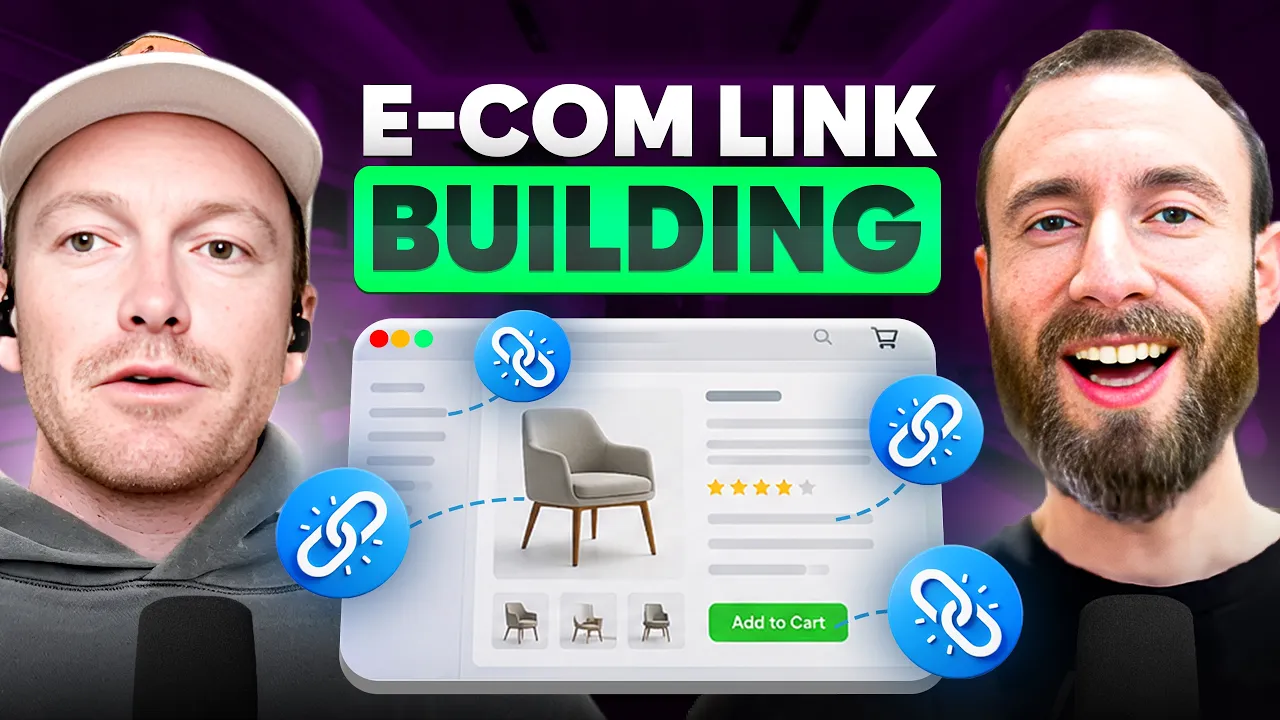
E Commerce Link Building That Actually Works with Kai Cromwell
The episode centers on how e-commerce brands should approach building backlinks, weighing options like cold email, marketplaces, press, and content-driven links. Kai Cromwell shares practical guidance on what kinds of links to pursue (and avoid), how to evaluate link sources, and when to use internal strategies (like blog and pillar pages) versus external tactics, as well as the realities of cost, time, and risk in link-building.
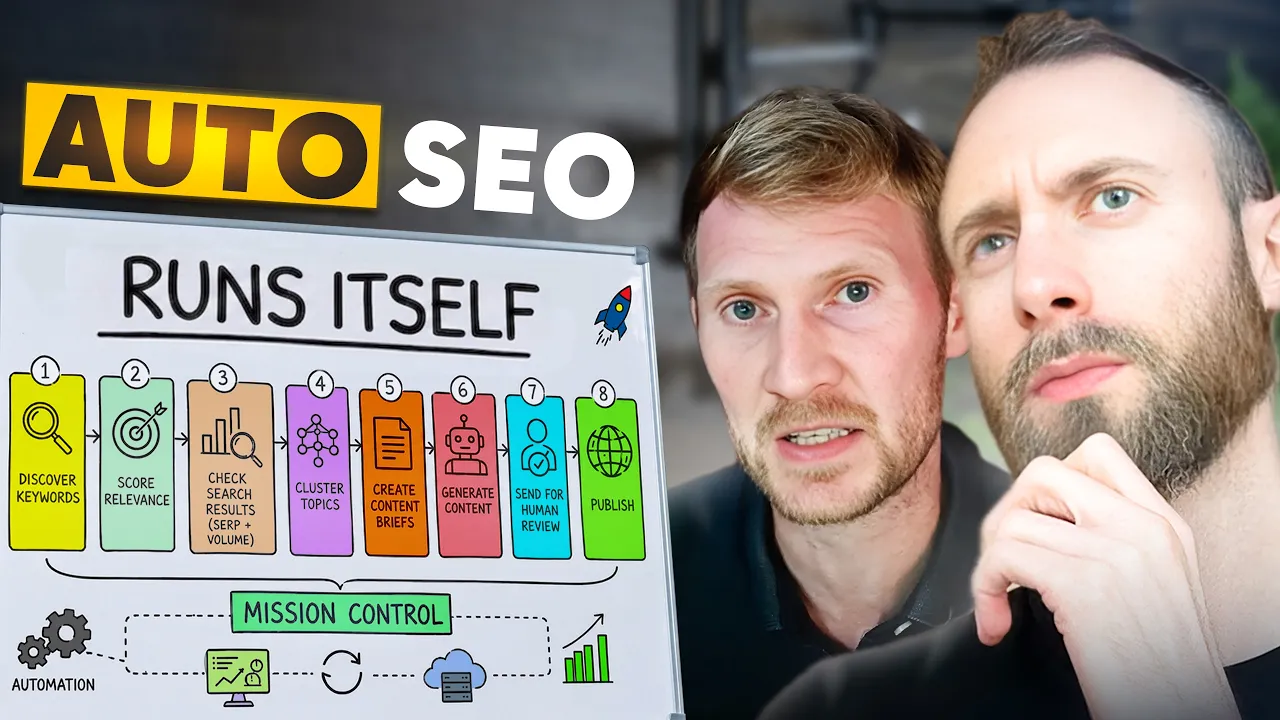
This AI SEO System Builds and Updates Revenue Pages Automatically
The episode outlines an AI-powered SEO system that automatically builds a keyword universe from multiple data sources, clusters keywords into topic groups, and maps them to pages while allowing human review. It delves into brand DNA profiling, agent-driven discovery and playbooks, and the workflow from research to content creation, discussing results, ongoing improvements, and plans to expand to landing pages, images, and domain discovery.


Get daily AI recaps from
Edward Sturm in your inbox
Get AI-powered summaries delivered to your inbox. Save hours every week while staying fully informed.