SEO Full Course 2026 [FREE] | SEO Tutorial For Beginners | Digital Marketing SEO Course |Simplilearn

Chapters18
Defines SEO as optimizing websites to help search engines understand and rank them, driving more traffic and visibility.
A practical, hands‑on walk‑through of SEO fundamentals for 2026, with real tools, WordPress playbooks and the three pillars: on‑page, off‑page, and technical SEO.
Summary
Simplilearn’s SEO Full Course 2026 unpacks how search engines decide rankings and how you can influence them. The host walks through core concepts—crawler, indexing, and SERPs—then dives into on‑page optimization, keyword research, and content strategy, punctuated by live WordPress demonstrations. You’ll see concrete tools in action: Uber Suggest for keyword data, Google Trends for popularity signals, and SiteLiner for duplicate content checks, plus image SEO with alt text and proper naming. The session also distinguishes white hat, black hat, and gray hat practices, and it demonstrates practical SEO enhancements using a WordPress plugin (Used SEO, with RankMath as an alternative). The instructor emphasizes the non‑static, evolving nature of rankings and the need for long‑term content strategy, including internal linking, meta titles/descriptions, and heading tag hierarchy (H1–H6). Expect actionable steps: how to access and optimize the head section of a page, how to craft meta titles/descriptions, how to structure content with headings, and how to fix common pitfalls like keyword stuffing and cloaking. The course blends theory with hands‑on demos, showing how a real site is audited, improved, and tracked over time. The closing practicals cover image optimization, alt text, internal links, and the importance of fresh, relevant content to maintain rankings in a dynamic landscape.**
Key Takeaways
- SEO rests on three pillars: on‑page, off‑page, and technical SEO, with on‑page factors (content, keywords, UX) typically driving 70–80% of rankings.
- Keywords drive SEO: use primary, secondary, and long‑tail keywords sourced from tools like Uber Suggest, Google Trends, and Google search suggestions to shape content topics and headings.
- Meta titles and descriptions are the crawler’s first handshake with your page; keep titles concise (roughly 50–60 chars) and descriptions around 120–150 chars to ensure full display in SERPs.
- Headings establish content hierarchy: use a single H1 per page, multiple H2–H6 as needed, and align headings with target keywords to improve crawlability and user clarity.
- Image optimization matters: rename images with topic‑relevant filenames, add alt text, and use royalty‑free images to boost SEO without copyright risk.
- Internal linking (and avoiding orphan pages) helps crawlers discover related content and improves user engagement time on site.
- Content duplication (internal or external) damages rankings; audit with tools like SiteLiner to minimize duplicate content and maintain page authority on a per‑URL basis.
Who Is This For?
Essential viewing for newer SEO practitioners, WordPress site owners, and digital marketers who want to build a practical, tool‑driven approach to improve organic visibility in 2026.
Notable Quotes
"There are three elements for which works in search engine which is so right you know list of search engine component to comprehend its working process... the three elements are crawler, indexing and search interfaces."
—Foundational explainer of how search engines process and rank pages.
"The task of the crawler is to ensure that because it's a search engine by Google, so the crawler knows that what kind of search engine usually what kind of keywords people are usually searching for and if I want to categorize this website which type of query... we will put into right."
—Covers how crawling and keyword mapping work in practice.
"Meta titles and meta descriptions appear in the head section of the website and are the crawler’s first introduction to what the page is about."
—Emphasizes the role of meta elements in SEO.
"H1 is the top heading, and there can only be one H1 per page; H2–H6 can be many, and this hierarchy guides both crawlers and readers through the content."
—Key guidance on heading tag structure for proper SEO semantics.
"Internal links prevent orphan pages, help crawlers discover related content, and keep users engaged by guiding them through a logical content flow."
—Highlights the importance of internal linking for crawlability and UX.
Questions This Video Answers
- how do I choose the right keywords for my WordPress site in 2026?
- what's the difference between meta titles and page titles in SEO?
- how can I audit a WordPress site for on‑page SEO compliance?
- what tools should I use for keyword research and content planning in 2026?
- how do I structure content with H1, H2, and H3 tags for better SEO?
SEO FundamentalsSearch Engine AlgorithmsOn‑Page SEOOff‑Page SEOTechnical SEOKeyword ResearchMeta Titles and DescriptionsHeading TagsWordPress SEOImage SEO
Full Transcript
Hello everyone, welcome to this video on search engine optimization or SEO fundamentals. Have you ever wondered how some websites appear at the top of Google search results while other are bene? Think about it. Whenever you search for something like best laptop, digital marketing course or restaurant near me, you usually click one of the first few results that appear. But have you ever asked yourself why those websites appear first? That's exactly what search engine optimization or SEO is all about. SEO is the process of optimizing websites so that search engines like Google can understand them better and rank them higher in search results.
And the higher a website ranks, the more traffic, visibility and potential customers it can attract. In this video, we are going to break down the fundamental concepts of SEO. Understand how search engine decide ranking and explore the strategies business use to improve their visibility online. So whether you are a digital marketer, business owner, content creator or someone curious about how Google search works, this video will give you a strong foundation in SEO. Now coming to agenda. In this video, we'll go step by step through some of the important SEO concepts. First, we will understand what search engine optimization is and why it is important for websites and businesses.
Then, we will talk about the difference between organic search result and paid advertisement on Google. After that, we will understand what a search engine result page SERP is and how websites appear in searchings. Next, we will explore keywords and keyword strategies which help website target the right audience. Then we will look at the main factors that influences website rankings such as content quality, relevance and user engagement. We will also discuss different type of SEO practices like white hat, black hat and gray hat SEO. After that we will understand SEO manipulation techniques like cloaking and how search engine detect them.
Then we will explore popular SEO tools used for keyword research and website optimization. And finally we will see how SEO fits into the larger digital marketing strategies along with content marketing and paid ads. So by the end of this video you will clearly understand how SEO works and how business improve their visibility on search engines. If you want to become a digital marketer I highly recommend checking out this AI powered digital marketing certificate program from SPJN school of global management and simply learnon. So, this is a 5-month online course that teaches you everything you need to know about modern digital marketing and it is designed specifically for the AI era we are living in right now.
And the best part, you will learn how to use tools like Chad GBT, Canva and Shameish along with over 50 other marketing tools that companies are actually using today. This isn't some random theory. You will get live interactive classes with real professors from SPGN Global. work on seven hands-on projects with mentor support and study over 15 real world case studies. The course covers everything from SEO and social media marketing to email campaigns, analytics and automation. What really makes this course stand out is that you will get free meta and Google ad credits to practice with.
So you can run actual campaigns and see the results. Plus they have job assistance, their career support program that helps you optimize your profile preparation for interview and connect with top hiring companies. I will drop the link in the description below if you want to learn more and enroll. Trust me, investing in the skills like these is one of the smartest move you can make for your career. Now, a quick quiz before we start. Here's a quick question for you. Which of the following best describes SEO? Option A, designing the layout of a website. Option B, optimizing a website so that it ranks higher on search engine.
Option C, running paid advertisement on social media. Or option D, creating logos and graphics for website. Now take a moment and think about the answers. We will reveal the correct answers as we move on through the video. Now let us begin by understanding what search engine optimization actually is. Now so as I said there there are n number of people looking for different kind of information, different kind of products, different kind of things. There are n plus many more websites which are serving those needs of the consumer. So it's like an ocean wherein all kind of things and then it's there's so many of choices for the customer that which one to pick and in that case Google comes into a blink right so or or any search engine rather why only Google maybe maybe uh Google paying then there's duck go then there is yandex then there is what do you call by do which is from China uh and and there's so many more of course there are so many more search engines Google will will take as in a primary thing in our sessions because it's one of the most known biggest search engine worldwide accepted and of course of at least in India and everywhere else this is the search engine that most likely 19 above 99 90 95% of the people uses right so uh so what it does is there are three elements for which works in search engine which is so right you know list of search engine component to comprehend its working process apply SEO to enhance the visibility of a website and drive uh drive targeted traffic.
This is what we're going to learn after the session after this this particular uh lesson and list the advantages and disadvantages of SEO to make informed decision about implementing strategies and analyze the SEO techniques of course. So we come to the techniques part a bit later. We'll try to understand first thing first. This is just a historical part of search engine that how it have evolved. Of course, Yahoo have been the uh Yahoo have been the giant in that category. Uh if you also some of you might be able to recall uh few more search engines back in the time but right now predominantly it's it's Google and with that we have now also the the the LLM which is called large language model.
Just a couple of days back a new large language model called deepseek have been launched from China and that has totally totally disrupted the market. Right? So Google is the search engine predominantly that it is. Now as I say whenever I talk about SEO there are three elements or that is that is there in any categories right? One is the user which is you, me or anybody else who is looking for the information. Looking for the product, looking for the information, looking for certain kind of certain kind of specific categories of product, a specific category for informations and then there is a provider which is all the websites.
If something like you guys have created your website, I have created the website along with you all you know right in the previous sessions and so the end number of audience whosoever is looking for different kind of information and there are equally number of or even more number of websites who are able to provide that information but there is a gap they don't know that which of the website the users don't know which has who has the who has this information or where to find that information right and to bridge that gap is comes these search engines be Google or Yahoo comes the search engine who bridges that gap there's a seeker there's a provider and it's like the marriage between the seeker and the provider is done by the search engines now but but there's as I said there's a huge set of providers which one is the best which one the which one will provide the most authentic information which one will provide the most legitimate information legitimate products sort of the right content which is there there needed by the by the seeker at that particular specific topic.
The entire process to churn that filter that out and bring the most relevant, most important and most maybe authentic piece of information, product, content or whatever you call it. That entire process is called search engine optimization wherein the search engine plays a bigger role and we facilitate the search engine that okay if there is a certain set of query comes to you this is the website and there is a reason why you should be giving access of this website to the user and bring that at the top right when when all this uh you you guys can ask me questions in between or interrupt me in between if at all there's any you know uh doubt or or question or if even if there's uh is there's lack of clarity in terms of voice just let me know right because all I'm all I'm doing is reading your text while I am uh sharing the screen the camera and speaking so I the only way to get for me to get to know that if there is any issues is your chat right okay so uh as I said so the entire process of bridging that gap between the seeker and the provider is is fulfilled by Google now there's so much of providers there Like it's like you enter a market there's n number of products and you don't know that which one to choose right and then that's why this inside the search engine says okay there's a mechanism using which out of millions of websites or millions and trillions of websites what we will do is we will filter out based on the meth method or algorithms you might have heard of this term called Google algorithm or search engine algorithm.
So there's an algorithm that decides that if I put any query on Google, let's suppose I go and search for anything, right? Let's suppose I search for digital marketing post or mobile phone or let's suppose I want to buy a smart monitor, right? I search for a specific keyword and then Google out of all the websites figure it out that which website is most authentic. Which website most likely be serving the purpose of the user which is the which the user is looking for and based off that pool it brings the best of the best to the on that front page to the users.
Right now when search engine started long back, people used to go I remember when when I was like studying and Google was uh Google into our life and we used to go to get the relevant piece of information we used to visit first page, second page, third page, fourth page, fifth page and and number of pages also to get the right relevant piece of information or maybe at times a part of information we used to get from one link then the other link then the other link and then we have to club those things right I don't think I also visit some of the universities and I don't think people these days even go forget about second page they don't go even beyond the top fifth sixth seventh eth nth link right beyond that even if there are multiple links on the website links like if you if I'll just go to yeah if I'll just go here and let's this is the search I'll Google first let's open Google search engine I'll search for mobile let's suppose right just random and you see just entire list and people don't even if you have to buy any let's suppose I to search for digital marketing as such and and these set of things comes into uh play.
Now I don't see people even go beyond forget about this the entire this entire scroll the entire first page forget about this number of other pages that they should be going also the process has become even more complicated with the rise of chart GPS of the world so people instead of instead of looking for let's say if they have a contentbased search which they want to do I don't think people now prefer even Google they go to any of those chat GPS and everything else so this is this size is getting smaller and smaller and The job for the algorithm to provide the best at the very top is search engine optimization right and how then algorithm works which is this.
So how it works? There's a if you remember while making the website section I have mentioned a term called web crawlers, indexing and then search interfaces. Right? So what is what happens is uh this now I'll explain that more in detail today. Uh what happen is uh so there are there's something called web crawlers or it's also called spider bots. What happen is that the moment any website is live and this these crawlers keep on searching the website at the back end keep on looking for different kind of websites analyze the website and they go to multiple all the pages maybe multiple pages within a website and they check multiple parameters which is there on the website what parameters we're going to talk about in times to come.
So they go first thing first of course they check the content that okay which kind of content this website is providing which category they fall into that's one then they check what is the content relevant is the content copied from some other sources is does it look like content or something like that uh what kind of what kind of uh UI UX a website has is it user friendly is it light on size is the element uh element on the website a few set elements which is there are rightly placed or not. How the entire website processes so many things.
Does this page does this website has has structure or not? Does this page has the there's something called content to image ratio which will yeah related to keywords or not that they put of course. Of course then there's something called content to image ratio right or content to layout shift. All those things we're going to talk about when we going come to the technical part. Right? So they analyze all those things whether this website is robot.txt or not particular website is a structure or not. Right? And they keep on storing that data which is called the indexing process.
It's like a library wherein Google also has its own depository. So all the information which this crawler g takes from the website is store in the database which is called indexing of the website which all the crawler also analyze that each page on the website is trying to optimize on which keyword and that's why it's called keyword optimization as well. So you might have heard of the system called keyword optimization on the website. what you are doing as an SEO. I'm trying to optimize for these these let's suppose five keywords and I'm trying to optimize the website or the web web page on these five keywords.
Why? Because that's the primary indicator for the crawler. So let's suppose like what you search over here in the search bar of Google, what you search over here in the in the search bar of Google is nothing but a keyword. Right? Now the the task of the crawler is to ensure that because it's a search engine by Google. So the crawler knows that what kind of search engine usually what kind of keywords people are usually searching for and if I want to categorize this website which type of query which type of keywords we will put into right and that's why this there's something called keyword optimization.
So the crawler get to know that which which of the keywords let's suppose four five hero keywords that you have selected and we'll see to that also that how to do that have selected the crawler indicate that okay this particular web page or the website like to optimize it on these set of keywords and the content is accordingly well placed along with that keyword. It's an indication. So whenever the next time user will search for a particular keyword out of all these out of all this lot many all these libraries or the the indexing of the website which has been done the algorithm brings the best result which is a right match to the keyword that user is searching or the query user is searching and is it also the keyword or the query which this website is optimized upon in providing the best set of information.
Then is the website technically strong and is not like any uh what do you call a random website or not very well organized website? The content is not proper or something like that. Is it a proper website? Does this website been trusted and a credible resource? Right? Uh does this website has a good amount of num good good amount of users already visiting? what is their feedback sort of things and any number of parameters the website get analyzed and based on that the result and it it happens all at the back end right and at the end then Google brings in these results over here these results over here as the search engine results and that's why it's called search engine result page SEP ranking and as a SEM as a SEO search engine optimizer or as an SEO Right?
Our job is to understand this entire process. What are the elements that is needed? What are the things needed to be optimized? How to do that? What to do that and everything else. So that we will have a better understanding. The the crawler has the better understanding of the website of the keyword the website is optimized a good content and all those things and then accordingly we'll get the website link placed over here. Now the question is why would in the age today why would any website would like to be placed over here at the top more business more visibility if your content then more maybe if if it's like videos kind of content anything else then maybe more uh more uh traffic because that is it it works as a so also in website or in videos or in mostly predominantly website it works as a ripple effect right to get 100,000 or 100 or thousand visitors it takes time now because there this the website already has a good amount of traffic the algorithm also promote the website and it's the chain become bigger and then you from 1,000 to maybe 10,000 and from 10,000 to one lakh visitors becomes faster because then the algorithm feels the the the the trust and the credibility factor has been developed for the website that's why the when that there's a website is new there are multiple ways to do that and all those things right so the three things There's web crawler that we need to take take care of the web crawler when visit the website our website is proper should have good un should have proper element layouts images good content good keyword optimization the right placement of the keywords and everything else that we will see how to do that and then the indexing process right and this indexing process and for this purpose only for the indexing purpose and the ander should also know that there's continuously some activity happening on the website is The reason why we have designed the blog page on the website that we have done.
The reason I explained the other time as well because the blog is the only page where you can address multiple different topics related to the category you are in. You can address or put multiple different keywords into different type of topics that you are covering. So that our our chances or our uh audience pool will increase because then you are addressing different topics, different keywords and the website will al the crawler will also have an idea that this website addresses different multiple topics and multiple we will be able to optimize our website on a different multiple set of keywords, right?
And that's why and then you see the search interface how it works. So you search for something uh it goes to the request to the index and it finds the proper website that which one should be pulled from the repository and and show it to the front page of the Google search to the users right now. So that's how it is as I just explained the working of a search engine has three main process crawler which is processing the data finalizing analyzing the data day in and out. Then we have a search indexing indexing of the entire process data and matching it with the keyword that has been optimized and the keyword or the query that people are searching for.
Right? And then we have displaying the ranked results accordingly. So this is I believe uh it's an online listing. What is web directories? Online listing or catalog for the worldwide web. It's a collection of websites often known as link directory. And so facts about SEO. It's a strategy. I'll just cover this part the first slide and then we'll do some practical stuff also. We'll try to understand how it works. Right? So facts about SEO. It's a strategy to increase the quantity and quality of traffic. Of course, that's what we've discussed because we need both. We need good quality traffic on the on my on my website which not should not be like random who's having just increasing the bounce rate of my website, right?
It should not be like just randomly coming from unauthenticated sources. So we need the quality of the traffic on our website because that brings what I said trust and the credibility but we also need numbers because that increases the reach and it works as a ripple effect from thousand to 100 to,000 and from lakhs it goes faster. So that's why we need both but we for that we need to have a quality content on our website. It improves the ranking of the website and it increases the website visibility. Now this is very important as the ranking improves more traffic more business as somebody said already more uh and it it works like overall it it takes care of the overall impact on the website right uh and then SEO advantages improves website traffic of course that will leads to good leads mature leads and sales uh it increases quality traffic I have just explained about that uh reduce dependency on paid ads As I said, if you go to the website, let's suppose if I'll go here now, uh I'll search for a particular keyword and you see these ones earlier by I believe till December 2023, Google used to write ads over here.
From December 2023 onwards, it has changed to sponsored. So this is sponsored, this is sponsored and this usually the top three or the four link at the top. Now this is paid links. That's why it's called sponsored. We'll we'll we'll we'll talk about this and in detail when we will do the session of search engine marketing not now but just in case this is not organic link. So this these links at the top has not been achieved be because maybe maybe not but has not been achieved because of better search engine optimization practices. This is just paid.
They have to they had they had paid an amount to Google for this keyword to appear at the top. Now beyond this, if you see now all these things over here are organic traffic, right? So if we have a better search engine optimization, if your website is getting ranked better, if your quality of content is great, if your website over overall is great, then we don't have to spend money at times uh to be featured over here. by default we'll be at the top here and we'll get we'll be able to get good traffic good amount of public coming to my website like for like HubSpot and this Corsia and Adob and Mailchimp and all those things is the these all links are organic links they are just good or would say better optimized website in terms of technically in terms of content in terms of keyword and for this keyword these websites are good optimized then that's the reason they are for these keyword at the top of the organic links that Google is providing.
Then it provides so it of course reduces dependency on paid ads. It provides measurable outcomes. It enhance credibility is what I said. Uh it enhances content marketing efforts of course and provide competitive advantage. How competitive advantage? You'll be ranked higher than your competitors. Yeah. your your your reach would be higher and you don't have to pay pay the paid ads also. Yeah. So your reach would be higher. You don't have to make do paid ads. Uh you you can position your brand positioning will be better in the digital marketing because your website is well called off.
Uh right. And uh and of course it's a long-term investment that can yield big rewards if done effectively. But as I said, if it's a new business, it will takes time. If a new website, it will take time to get you get yourself featured on the on the better ranking or on the first page or the first top links over there. So, it's a long-term process and that's the reason I I said that SEO is ongoing and ever going and that's the reason every website usually these either testimonial pages or the blog pages because you have to keep on developing content.
You have to keep on developing and optimizing your website on the on the different sets of keywords so that you know at like after after a period of time your website is well settled algorithm is has accepted the website better. The crawlers knows in and out about the website and then also it matches to the wide wide array of queries and the searches that people are doing and then accordingly your website will be featured right. what helps to enhance your SEO strategy. So identify the core competitors. Who is your competition? And before that I would say I always say that before identifying your core competitors identify your niche yourself.
Identify your uh strength that which type of content and which type of audience you want to target upon. Right? Then of course then compare yourself with the competition and then evaluate their strength and weakness in terms of SEO factors and content strategy. Do companies pay to visible to be visible on the top while searching for a product in their category of business? Uh yes uh many companies do pay to be visible at the top uh by means of Google ads by means of also if you might have seen sometimes you get Amazon sponsored ads at the top right.
So those are those are Amazon sponsored ads through Amazon root they pay through Google ads they pay also social media uh kind of platforms plays a role uh you know to to promote your Google businesses. So yes to get the ranking uh see uh promotion is uh promotion is is is any any company or the website will do the promotion only for two reasons right they need the customers to bring in to increase their sales that's at the in the nut nutshell the the real thing is now if you utilizing a platform if you're utilizing an particular kind of activity to do the selling and surpasses your competition income come at the top which means you facilitating some services from a engine and if and and you surpassing your competition uh and coming ahead of them to do so and and that you want in a in a short amount of time not like like you have to wait for one year or so.
So to do so of course you have to pay right so as Sumit has also added to to the question that we can also see the tag on them as a sponsor. So it's mostly mostly like this if I'll show you like I've been here and and you can see the sponsored links over here. These are all paid links, right? Similarly at times we see the Google if you if you look for let's suppose mobile phones like these see these are all paid uh platforms of e-commerce websites but these are all paid paid links like you see sponsors over here Shivangi to address your question I hope that's fine I have a query here I don't know whether I just new to it I have heard in the market that once you go for paid ads and all then when you when you like try to build an organic traffic that becomes a hindrance to you.
Is it correct master? Uh no I beg to differ on that. See what happen is that when you pay do the see what happen is when you make the payment uh when you make the paid ads to get the ranking your ranking get instant right it's it's like in a rotation so there's something called ad rotation I will not want to cover that part more in detail because that we will do during the SM session but it's in the rotation right so what happen is that instantly you get good amount of traffic now people try to replicate that amount of traffic through organic which is not possible right So it's not a roadblock.
What what the good way is that you s even if you do a paid ad you uh you simultaneously also keep on bettering the content of the website keep making the website stronger and better and then you'll get you'll get uh the kind of traffic that you want but uh it's a long-term process while in the ads are shortterm right so the it's like the till the time you pay the money it's there the moment you stop the money it will cut down. Okay, got it. Got it. That way. That way. That way. And also one thing we need to understand that all these rankings over here that we see like over here, these are not permanent rankings, right?
Today it might be this site but tomorrow it could be different. This is very dynamic. The algorithm keep on keep on refreshing the algorithm, keep on collecting the data, keep on changing the website. Let's suppose tomorrow the other website comes in and the other website have optimized better on that particular keyword. Then that website will come on the top. So it's keep on changing. Today you might be at the first maybe day maybe tomorrow you you'll be like you know for for a particular keyword you might be at at a at rank fifth also then let's suppose you you trying to optimize the website on 10 different keywords.
Let's take a take a scenario right now. It's not possible that for all the 10 keywords you will be always at the top right because you can't control how the user searches. Maybe the keywords are related but a thing here and there will change the ranking of your website and some other website will come at the top. So for some websites you'll be you'll be better placed for some keywords you'll be better placed for some other keywords that the competition or the other uh website will be better placed. So it's very dynamic in that sense.
Our goal is should be that we should be visible there on the first page. Ensure at the top 10 rankings and on multiple keywords that's give the better better uh uh results. Now so of course you need to build an effective online strategy to rank higher in SES. This is what we were going to learn in uh in these four sessions that we have. the strategies, what things to do. What are the elements that we need to check to make it well optimized uh website. This element is is the crux of the next two today's and the next three sessions that we're going to take and then provide a good user experience strategy to improve ranking and drive quality traffic.
So these two rather that how we should ensure to provide a good user experience and how what kind of strategies and the action plan of action that we should keep in mind uh the areas to address the things to be done the things to be placed in a way that we should ensure better ranking. Okay. So Shivangi has another question saying that if my if if some suppose that if someone is in the same business like two businesses in the same two different companies in the same business for example medicines is what she's saying then the key and the keyword also will be the same in that case how the ranking can differ in that case of course if let's suppose uh I am a e-commerce platform Shivangi I I'll take an example right and I am selling mobile phones, right?
And again, you also have a e-commerce platform and you also sell the mobile phones. In both of our cases, mobile phone is going to be the most generic keyword because both of us are selling mobile phone. So, we both have to optimize the keyword on on mobile phones. But irrespectively, you let's suppose you get better much better ranking on page one and I'm getting a ranking on page two or somewhere else. I'm not there on the first page. The keyword remains the same. Keyword is just one factor for a for an algorithm to decide that which category the website falls into and which kind of a website which kind of keyword or the website this is but just to ensure right for the indexing purpose but there are other elements like you know the content the the the uh the trust factor on the website how better designed which platform the website has been made is the structure of the website is proper or not.
How how easily accessible the website is, what kind of users coming to the website, what is the bounce rate on the website. There's so many elements that we're going to talk about and clubbing all those things. Keyword is not just the thing. Keyword is just a parameter to decide that if this website fits in that category after that. So on analyzing on all the set of things and more which I talked just now the algorithm decide that on all these parameters considering on all these parameters this four five six 10 websites are suited best and that's how the result appears.
Yeah. Uh if it's about the paid some of us said that uh so ojas said that it's it's the highest bidder who will be the first uh oas that's paid ranking. We are right now talking about search engine optimization SEO that's paid ads and in that case of course the highest bidder has an edge but it's not always the money say is 70% is a deciding factor but again there are other factors that decides that in the paid links will whom will be the first which we will cover also but when we'll talk about the paid advertisements Shuangi I hope that addresses your question.
Yeah. So, are the algorithms public? There are few uh there are there are few things which is public which we're going to talk about. It's not algorithm as such. It's like what are the things that you need to take care of and based on that the algorithm has been made. So, algorithm is is not like a specific thing. It's like a different parameters on which the website get checked and then yeah. No. So those parameters have been made publicly announced by Google or are we retrofitting it bases the results we've seen? No no no there there are announced by Google not like not as like algorithm.
There are parameters which Google says that website have to have these things checked to have a better results. Okay. Which we're going to talk about of course I'm going to cover that. Okay. Now, so here you see the dis advantages of you because as we know that in the objective we need to cover this consumes a lot of time of course as I said it's a long time process if you just start your SEO today and say that in a week's time I'll be able to achieve uh top 10 ranking most likely not possible right uh so it's it's it's a timet process and that's why in any organization in any of the agencies those who you know you need to continuously ensure that you're optim optimizing your website on a regular basis and the SEOI SEO search engine optimizers role is on a regular basis.
They can't just say that today I've done this and then I can set for like 6 months and I my default my website will get the ranking. No, it's a longtime process. It's a continuous process. It fails at guaranteeing results of course even if you do everything else but still you can't guarantee that I'll be that first rank website when it comes to organic ranking right there are always lot many things happening certain things changes your competition the keywords the users lot many things so it doesn't guarantee results uh like absolute guarantee is not there uh so yeah and fall short of keeping up with the frequently updating algorithm and that's very important point, right?
Because uh SEP is search engine uh search engine ranking, search engine result page. So fall short of keeping up with the frequently updating algorithm and that's important because algorithm changes very frequently. Sometimes we could notice uh uh so uh there are many times Google changes the algorithm drastically to check the bad activities or the or the uh the negative activities on the Google and and they totally change the algorithm because of which many websites does suffer at times in terms of ranking. Today they are on the first page and all of a sudden they are not they are not anywhere right.
So this and then they have to start from scratch all over again to build as per the requirements and build the credibility and sort of things right. Uh fall short of meeting increased demands yes because consumer is demanding consumer is impatient when I'm saying consumer we all are we just go to the website and for a few seconds and if you don't find it relevant we just bounce back. So it's because we have lot of options today. We have lot many website dealing in the same category today. Right? So consumers impatient and the ever increasing demand with the rise of all these uh artificial intelligence and all it's even tough and fails at providing complete control over marketing methods.
Yes, that's very important because in irrespective of what you say, you have a good designer, you have designed the best of the best of the images or the or the design element of the website using the good language on the website, the right content, the right balance, everything else. But is still you are only having 50% of the control on all these things. At the end, it's the search engine and the algorithm decides that whether your website make a cut or not. So, you don't have a full control. Like if you run a campaign you know that of you know a TVC if you run a TVC if you put a billboard you know that you have a control that which billboard to pick which will have the maximum visibility what is the time period how much time you have to run and this and that and you know more or less you know the outcome that this is going to be the outcome that I'm going to achieve in this no you don't have the overall control because algorithm decides the search engine decides you can do only the 50% of the part but rest 50% is on the search engine and on the algorithm.
However, the 50% control that you have plays a very very crucial and important role. I would say ensure 90% of the ranking based on that the role that you play into that. So that's why the search engine optimizer role is very very important for taking care of the website. Now we talk about now this you see over here is there there are three there there are three categories of how Google says in terms of uh search engine practices right one is called black hat then there's something called white hat and there's something called gray hat strategy have ever heard of these strategies black hat uh black hat uh white hat and gray had strategy is it related to the hacker also like white hat hacker and same related kind of kind of you can say yes yes yes it's related it's relevant in that sense so when I remember when I was I was like just in college and I went for some agency to pitch uh the first question they asked me that uh how would you differentiate between blackhead gray hat and and white hat isue so I still remember that.
Uh okay. So, Sundri, I'll I'll I'll address your question uh while let me just explain in in brief way blackhead and everything else and then I'll address your question. Will that be fine? Cool. So, uh black hat is is kind of practices. So Google has a set what do you call uh guidelines that what all things you should be doing in a legal way in the legal framework in the ideal framework in the ideal framework to get your website optimized or rank better. So they have a proper guidelines what to do what not to do anything else now so of course anything which is like legally going takes time to develop for the website as well right.
So white hat strategy is trying to mis use finding the loopholes doing some illegal or not invalid activities which is not approved by Google to get better ranking. Now one or some of the some of the ways that these people get better ranking from Google using blackhat strategy uh is this however not recommended at all. Not recommended at all. The reason is because uh the algorithm it it was very prominent I would say during the time 2008 9 10 11 the white blackhead and there are so many websites back in the days when people used to get ranked better without any substance in them without any element into them but still they used to rank better against a few set of keywords right but algorithm has developed right you know how this like like artificial intelligence also with every passing day it's developing It's becoming more smart, more better.
So is the search engine, right? So right now we are in 2025. The algorithm has developed a lot better. That algorithm is very fast. It's very advanced, right? And it catches certain kind of activities on the website. If not today, maybe a week's time, but it does catch it. And when that happens, you know, what happen is it's like it's like your your website will be totally getting suspended, penalized, uh never never be able to then part of of of any of the search engines kind of thing. And so that is the the the dark side of it and also that it's it's only to bring traffic on the website in which ways the user will not survive or sustain on these website because it's all immaterial over there.
How? So the most common black hat strategy is keyword stuffing. As the name suggest it's the website has no element, the website has no content. What some of the people do is they just stuff the keyword in the web page like random. Let's suppose I am into a particular category. Let's suppose medicines is what Shiva earlier shared. medicine but in between without any relevance I'll put some keywords which is more popular these days and people are searching for that right which has no which has no relevance to my website which has no relevance to my content which has no relevance to my category also but I stuff lot let's suppose 50 different categories of keywords lot many things into the web page and try to get ranked better so algorithm let's suppose the crawler check and they see okay these are the most used keywords in the website is there may get ranking but it will get noticed during the process right uh when user will also report and that is where the question answer also sundi to you that customer journey does impact the SEO let's suppose somebody has done black hat SEO stuff the keyword and get the better ranking now somebody have searched for a query found this website which is doing keyword stuffing go to the website and find it irrelevant that's a frustration to the user Right?
Because they it's at the top of the top of the ranking. The user landed to that and then found out that it's just a rubbish website. There's nothing there's no significant there's no element. There's no substance. It's not even related. It's just keywords loaded stuffed website. Right? So what you will do? You will report about that website to Google. You'll write a review. You'll write a feedback. Right? And all those things. And that will bring a black mark on the website or that website will be pulled down. So yes to answer your question customer journey does play a huge role rather in the entire process of the website ranking because it's about awareness.
It's about you know creating landing on the website and then finding it relevant and then you also spread some kind of some kind of what you call vulnerability factor to the for the website. You may recommend the website uh you may also refer that website. You may come again to the website. You may be a repeat visitor of the website that entire thing as I said if you if you have noticed earlier it helps to increase credibility somewhere it was there enhance credibility right so users credibility in the journey plays a very very important dominant role in the overall SEO journey of the website Sundri to answer your question then we have something called cloaking is one it's it's also one of the common practices of illegal practice practices rather to get the website.
So what yeah algorithm does catches it. Uh so what is what is cloaking? Any anyone any sense about it? Just randomly asking otherwise of course I'm here to explain. No. So what happened is uh this happened as uh cloaking is in a way try to cheat the crawler for a time being. How? So what happened is uh they create different pages and there's a redirect right so what is cloak like you know those you hide yourself you know the magic cloak you heard of that's from that the term is uh from there the term is called cloaking right so what happen is you hide your website to to appear as something else let's suppose your website is about uh say medicines right but for the crawler you create only one page not the entire website you create one page or something like that into different category having the same URL and you cover the website or mask the website to appear into something else.
Now the crawler will check rank the website into that category which is most more popular maybe more in demand right now that keyword is is more in demand everything else and will rank you. However the real website for the end users like me is something else. There's no relevancy. So to get the ranking among the in in the in the indexing process you use a different page while the real website is something else something different. That's called cloaking. hiding the real website and showing the crawler something else wherein the relevant is something else right so you hide the website for a timing and get a better ranking get the traffic on the website why they do so because once as I said once your website has let's suppose on one fine day because of this practice you get you get 10 million visits on your website now that 10 million website will will have some say because the algorithm will also notice that all of a sudden this website has having 10 million websites so which means maybe it's more popular, there's something new, something refreshing, something pop, something great on the website and it will provide the reference of the website to maybe million more people, right?
So to do so, people do this bloking activity. However, it does get catches over a period of time. Maybe the consumer again coming back to the point of sun mentioned no people will mention that there's no relevance in the content and the uh and the keyword that we're searching for. There's it's totally absolute absurd website and all those things, right? So cloaking is another Yeah, that's that's how it is. Right. Right. So uh so cloaking is that kind of activity that you do to get quick momentum temporary momentum on the website but not recommended because once noticed and it will notice your website will be pulled down, penalized and all sort of things.
Now comes sneaky redirects. You all must have seen these kind of links like when you try to download something from a from a particular website. Uh those redirects are not visible and all of us like you go to let's suppose you search certain things on your mobile uh you are reading you're just scrolling and all of a sudden you you see that the website redirects you to maybe the app store and download ask you to download download an application. How many of you have seen experienced that? Or let's suppose you're visiting a website, there's no link, you can't see it as a redirect and all of a sudden you you you land to some shady website which you don't want to visit.
Happens to everyone. Yeah. So that's called sneaky redirects wherein you place the uh place the redirect of your website to certain sneaky websites. Redirect of your website to certain sneaky websites uh to bring the traffic. Okay, they will get the traffic but the only pro problem is that those traffics usually is not considered genuine, right? Those the traffic the source of the traffic from where the traffic is coming is also considered not very legitimate. So shortly for short term you'll get the traffic but in the long term impact will be that the traffic usually is not credible.
It's a huge bounce back bounce back and the source of the traffic is not legitimate and hence the website will get penalized or will be pulled down. All right. So keyword stuffing, cloaking, sneaky redirects are like black hat strategy most common things and then say poor quality of content. I won't say it directly as a black hat SEO. Maybe let's suppose somebody doesn't know how to write the good content. uh so also happens uh what over here is the reference to things is uh kind of content which is uh not legitimate right the kind of content which uh is not relevant the kind let's suppose and and I'll be very honest let's suppose somebody had a website which is not gaining the uh gaining the momentum or which is not getting the ranking and they somewhere uh write content or indirect content about pornography Right?
uh and those are the keywords maybe the let's suppose and and and and pardon my language maybe but those are the keywords maybe the most used keywords at times right so your website will reflect in that case while the the entire purpose of of your website is not that right so that's where it's really poor quality of content you are misleading the audience with the kind kind of content you have however the kind of content you're providing which is not relevant right so these are the things people used I would say people used to do a lot during 2007 8 9 10 till 11 but after that the algorithm has evolved evolved and evolved and it's really really tough today to do these things and get your website ranked better and it still survive that's more important thing right uh okay so that's black hat strategy uh so far so good everyone any questions doubts any confusions or if there is absolute clarity which whatever have been explained so far.
Then comes of course your white hat strategy which is quite easy. Now once we have understood and explained the process of black hat we know what the white hat should be. It's like enhancing your search result or search engine result without algorithm manipulation with remaining within the guidelines remaining within the within the set guidelines or the legal activities that is designed to get your ranking better how the algorithm want you to optimize the website and doing the exact it's like uh it's like playing by the book by the rule book. So the rule book is there and you play by that.
So what are those things like you post relevant content you use unique metatitles we will we'll cover that what is that and you share links and acknowledge the sources so you have a right uh you have you have got traffic from the right kind of sources right kind of traffic use good content you and all other things that we're going to discuss going forward that what all things legitimately you can do that to get better ranking and all of those activities falls under white hat SEO netnet You are not avoiding any policies of Google search engine.
You are not avoiding any uh any uh you're not manipulating anything along with the algorithm to get quick results on your website and you are doing the entire process. You're taking that long-term journey to build the website organically better and get better better traffic. Okay. And then we have gray hat SEO. Now gray hat SEO is usually is a very interesting phenomena. It's neither black hat nor white hat. It's neither like Google permanently say that you don't have to do otherwise you'll be penalized penalized or it's not by the book as well. It's not like Google say that you should do it.
It's somewhere finding a loophole in between wherein the policies are also not very clear about those things wherein Google has not officially or unofficially said anything or any search engine have said anything you just try to tweak things in your favor like some great strategies include use expired domains right many of times people do that what happened is that some of the domains were popular and uh let's say that the the person who owns the domain already have a ranking on Google and everything else but didn't renew the domain now and since you get to know what you do is you bought that domain you pay the price for that domain and you own the domain and you launch your website on that domain now the domain already is aged the domain already has knowhow has a knowhow in the algorithm the domain already has a knowhow among the audiences but now the entire content has changed because now you own the domain very rare doesn't happen very not of not with big big of the brands but may happen right now.
You buy relevant links and you buy good reviews. These we know that at times you pay for the good reviews like you buy influencers or you say the audience to write the reviews for you or you influence the audience to write the review like many times happens is like you let's suppose let's suppose uh in a way to some of the restaurants you go or maybe a car dealership you go and then you know they bring in those these days everything is smart so they bring in those tablets in front of you. Please uh review us like also happens in real estate food industries automo that they bring those uh tablets or the or or the mobile phones in front of you say sir please uh write a Google review and give good rankings to you.
Now in a way it's not it's not it's not bought reviews but it influenced reviews because you are there at the site and they are there you write it good reviews you good give three to four five stars and all sort of things. It's like how Uber uh uh ranking is like Uber rating is like the drivers say that sir please five rating right similarly sir please give me five rating right similarly it's at times you at times ask for it at times there are also some people hire an agency to let's say spend some money let's say 50 rupees per review for the good reviews and they pay for it right and then these reviews are paid at times rather a lot of times the reviews are paid So these are not 100% illegal but these are not also 100% legal because you maybe the the people who are reviewing you or giving a positive review to your website have never visited the website.
They are not the right set of audience not the right set of customer because but because you have paid them they are without visiting the website writing the reviews. So okay so she says the re by relevant links. Okay. Uh so what happened is again this this used to be the practice would say after 20 20 uh 2010 till 2015 7 2016 17 it's called uh uh buying the link it's like link exchange they still exist link link exchange still happens that I'll provide a link to of your website you provide the link of my website but that's a part back in the days what used to happen is people used to buy link let's suppose there's a there's a hotel destination in in South Africa, right?
And you say that at the at the at the footer of your link of your website, if you if you place my link because your traffic is good, if you place my link, I'm into food industry like and you are a resort. Maybe people should order food from from my place or something like that, right? I will pay you for the link. Right? Now, that may not be the legitimate legitimate audience or the legitimate legitimate way to bring audience on your traffic because they are on that website because of their legacy. Now they are redirecting to your website because the the that website has the name and everything else and you're paying for that link to that website owner, right?
So that's called buying the link on from a one website to redirect the traffic on your uh uh It's not organic of course because it's paid and the entire process of entire process of SEO is uh uh in in SEO is that it should be organic though it's not organic but yeah it's also called paid links which is which is okay Google don't have a problem with paid links it should not be a lot of paid links only which is bringing traffic on your website and that's why it's under the gray heart it's like mix of black and white things are unclear in between and then you can play around with that and why it says relevant because uh because then you are utilizing the credibility of the other website which is also relevant to your category.
So you using the credibility of that website and then translating that credibility to your website in that sense I hope that clears the the the doubt now. Uh no I don't think so uh Aisha because someone can't use black hat strategy to sabotage their competitor's website because see whatever you will do uh you need to have the like last time uh when we have made the website you need to have the access to your CMS right content management system or the dashboard to make changes on the website. So even if they let's suppose they want to do the keyword stuffing or they want to do the cloaking of your website or they want to create irrelevant links and sort of things they should have the access to your uh CMS right if they have the access to your your your CMS they could do that otherwise it's not possible now someone try to sabotage your website creating bad content about your website using their platform different other platforms that's a possibility but not directly to your website.
Here just one more doubt. How does the algorithm catches uh or or differentiate the things between black and uh gray hat? Like for example, if it is not under the same niche. So for example, if I'm saying I own something related to medicine, but if I have a buying link which I think the traffic is better in this platform which is completely different could be a hotel service industry. So does the algorithm captures it as a black hat or gray? How does that work? Like does it have to be a relevant niche or how does it work?
Okay. So you could if I understand uh uh clearly that how in in plain h way uh how the algorithm catches the difference between black hand and white is that what your question is right net. Yeah black yeah because I I'm not seeing much difference to it. Uh so see to be very yeah I I'll tell you uh I will I wanted to I mean this topic is there but that will cover that I wanted to cover at the end there are few updates done by Google in the algorithm okay and then the because this updates has been done uh what happened is that these algorithms find the pattern like there's unnatural uh pattern in terms of linking of the website there's unnatural traffic all of a sudden increased on the website there is uh the then there is customer journey as somebody have mentioned already that you know there are a lot of complaints and then also if it notices the pattern that say that okay this website is having x number of amount till date or all now today there's x x plus n amount amount of people coming to the website but the bounce rate is so so high that none of the traffic is using there because if you land to the wrong website of course the user will bounce back right so also The algorithm does a profile analysis right over a period of time.
Let's suppose it collects the data. It throws the website to the users. But then throughout with the journey, it also does the analysis. Keep on doing the analysis of the website. So is the website is look like a spam website. Is there a lot of bounce happening? Is the quality of the overall content of the website is depleting but somehow it's getting the ranking and then it the algorithm goes deeper to understand the website. Right? it it then raises flags. You might if you have a CMS and whenever Google will will raise a red flag about the website like okay five six 10 red flags it you'll get to notify that there are 10 flags against my website on the CMS itself you can see that right and then uh based on those red flags Google Google or or the search engine bracket your website as like you know it's a it's a shabby website it's like something is wrong and then it it notify that also in terms of you can You can do what can happen is say in terms of blackhead let's suppose you have a you have a 50 50 or let's suppose 20 page website right no you can't keep on doing that for 20 pages let's suppose you did it for one or two pages and then you got the momentum but other pages will remain shabby right so Google notices that okay these two pages also are getting a lot of traffic the others are not what are the reasons then they check for the keyword search that is it relevant keyword that this website is optimizing is it keyword stuffing happening is the content is relevant or not what my users journey have been overall and based on that you know is it then there goes goes all the way into deeper that is it the duplication of the content and that's why people say that don't copy the content on your website don'tize the content from someone else's website and do do it right and those are those are those are the ways to well the search engine raises the red flag and then yeah user behavior uh sort of things check a pattern on that what is the pattern that website is developing right if it's a new website and doing it it checks that do you get penalized by Google for gray hat uh not uh I would say if let's suppose this is happening for example let's suppose this is happening now you will if if it's in a controlled manner if like you're just genuinely buying relevant links from relevant sites and everything else uh may not but let's suppose there's a website in Kenya.
I I'll give in a case study. Let's suppose there's a there's a website in Nairobi and this this started to happen. This did happen. There was a case there's a reason Google has went ambush on uh bringing more advanced algorithm. Uh there's a reason that back in the days what used to happen is that uh you know the link you this these links from the other sources used to have a huge importance in your overall ranking. Now that importance is not of that extent what it used to be. Why? So in in this case study we'll understand.
So let's suppose there's a there's a there's a website there are few websites in Nairobi, Kenya and all other places just I'm not I'm not against any place but just for sake of example right and uh let's suppose there are all shabby websites what you do is that you get in touch with the website owner and say that you know from your website let's suppose if I'll get x amount of traffic to my website okay I will pay you let's say like 2 cents per per per visit and they agreed to it. Now they will ambush your website link on their sh uh on their irrelevant websites and you're getting lot of traffic lot of traffic.
This is now you bought the link but it's irrelevant also. Also the algorithm will notice that all of a sudden there's irrelevant traffic coming to the website. How irrelevant somebody from Kenya Nairobi is rooting traffic to your website. The website that kind of traffic which is coming to your website is not relevant. They are not the right kind of users. They are bouncing back from the website very frequently and all the things. So then Google will realize that okay there's a pattern over here. then that it goes deeper and in that case your website will be suspended.
If you're doing in a controlled manner, let's suppose from really really authentic websites, good websites and you they are they are okay to place your link and you're okay to pay them and it's very controlled manner, good quality content, relevant content and there's a synergy between the website from where you redirect the traffic to your website. It's fine in your in your uh when your when your website will be registered with Google, you'll get red flags that okay these are there are issues. These are the issues your at times you get a red flag from the content for the content point of view also that your content is pagorized.
I I'll show you also how to check that uh and and if you not if you not take action on that your website will be pulled down. Since I search for a particular category I will only get that category of results. Social media doesn't work that way. If you go to in any of the social media platforms, you might be into different category, but every user see different kind of content at any point of time. So, it's not a search mechanism driven. You don't search most of the times on s on on on social media.
You search on Google. So, it's not that way related or doesn't impact content wise. But yes, social media has its own policy for the content. Uh if somebody I I I'll I'll be very plain and direct to you. If somebody flags your pages like you can like if you go to Facebook or Instagram you can always report to multiple pages right you can report about it. So if somebody reports to your page that the content is pellegorized the I I have uh somebody has copied my content then the team looks into that who had provided that content earlier.
Of course the the one who will copy will always be the the date of that will be later on right and then it may get impacted like for example a very classic case of myself if you consider LinkedIn as social media page right so uh I found a page somehow or a friend of mine have informed me send me a link that a person has totally uh what you call duplicated the entire my profile of lemon on their on his profile right exactly similar profiles right so then first I wrote to the person that this is not right I mean you've just to totally copied whatever see whatever I post on LinkedIn whatever I do whatever I write it's based of my understanding and my achievements whatever achievements or not achievements whatever it is so please don't do that because it gives a wrong message to the audience and doesn't make sense uh then uh you know didn't happen so I just flagged that page because it was also a lot about my credibility so I had it happens.
So I got a response and then the person have been informed by LinkedIn that if not happen then your LinkedIn page will be suspended. So you'll not be able to use LinkedIn further. Right? So the person then had to change the entire profile in that case. Then what happen is if you flag a page sometimes social media checks it automatically that okay there's so much of similarity in the content and they flag it. Sometimes sometimes if on purpose somebody somebody notify a social media page that okay this is a totally copied content they will come they will they will notify you to take an action on that and then this is how it works.
So key takeaways the three components of search engine are web crawlers indexing and search interfaces. A web directory is an online listing or a catalog of websites. SEO is a long-term investment that can yield big rewards if done effectively is what we have established. Blackhead, whitehead, and grayhead are the three techniques of SEO. However, not recommended at all the black hat highly recommended whitehead, gray hat case basis, but in a very controlled defined manner. Yeah. So, this is where it ends. Let's go to let's say what we have. Yeah. After these two slides, we'll try to understand from more more from the the practical point of view and I'll I'll show you some examples that how to do the keyword research and everything else.
So, we'll not run through the entire 51 slides here. I will try to develop some understanding in real. Right. So, uh the learning objective list the different types of SEO to tailor strategies and efforts based on specific goals and target audience. explore the factors that impact on pages to measure the visual stability, interactivity and long load type of web pages and sort of things. Right? So, so there are I would say there are three main aspects when it come when it comes to search engine optimization. When it comes to search engine optimization, there are three main aspects here.
It says two, but I would say three. How? There's something called onpage SEO. There's something called off- page SEO. And there's something called technical SEO or tech SEO. Are you aware of these terms? Familiar with these terms? Okay. So that's what we learned today. Uh today most likely we'll try to cover part of on page SEO because that's larger portion when it comes to search engine optimization. If you remember I said uh back in the days Google used to provide equal importance to link bank link link uh backing right that's off- page SEO. Now after certain black hats and these things onpage SEO takes the center stage 70 to 80% of your website optimization your website uh website uh ranking is controlled by onpage SEO reason because that's in your control onpage SEO is totally under your control to an extent not just onpage SEO onpage and technical SEO some people put into two categories say on page page and off- page.
Under off page, they take the technical SEO as well. For our understanding, what we will do is we'll keep it under three categories. On page SEO, off-page SEO and technical SEO. Now, what it does and as I said that we as we move further, we'll try to explain each element that how and what way to keep on checking the check keep a checks and balances on the algorithm. Ensure that we are following the algorithm. We are following follow following the the guidelines ensure that under the framework of the guidelines we are optimizing the website for the algorithm better way and find better results right so to do so larger brackets are on page I'll repeat on page off-page and technical SEO now what is on page SEO whatever you do so if you remember the website that we have created and the and the CMS or the the dashboard that we have created like if you remember some changes we have done how many of You remember that right we have we we have done we have went to provide a site identity we have went to provide some images we have added some blogs this and that some we have created the menu homepage tab this tab and we provided the uh the uh we try to bring in the homepage identity from the from the URL point of view all those things remember we did we added the plug-in to make the website better to make to access the website better and all those things right now all those activities and more that we're going to do today from keyword optimization from content writing from image from those URL optimizations from blog writing everything which is in your control content wise technology wise is called onpage SEO even the tech SEO is in your control that how you can make the tech website technically strong to rank better right that's called onpage and technical SEO now off-page SEO is about link building activities.
Now you do that or rather I would say it's in your control but on page as as the name suggests on page means whatever you can do in your control on the website that the website you have the framework you have the CMS you have you change anything and you you optimize anything to get better ranking is called onpage SEO. Now off-page SEO is whatever activity you do to get the traffic that enhance your ranking of your website on on any of the search engine but without making any changes on the website on the pages on uh on the framework on the content rather you try to bring traffic from the other sources largely off page SEO.
Is this definition clear to everyone? Yeah. So tomorrow if you start working and somebody says that what are the types of SEO you can say three onpage off page and technical SEO or you can say that on page and technical are under the same category because it's all the control I have and I whatever changes technically content wise I can do on the website to get better ranking is called onpage SEO. Off-page SEO is help me to get the traffic to enhance the ranking but I don't do any changes on the website as such that's outside the web page or the website that I have absolute clarity on that.
Okay. Now uh when it comes to onpage SEO and that's where our most important thing if maybe it's in the presentation as well uh here. So you see this is onpage SEO we're going to start and on onpage SEO on onpage SEO use the right keywords upgrade the existing content structure create engaging website design minimize website load time and create high quality content. So onpage SEO means totally about your content, content, content, keyword, keyword and the UI and the UX. Three things content, keyword optimizations and UI and UX which is also the technical SEO, right?
So three elements decides the quality of your onpage SEO which is by and large decides how the website will be placed in the al in in the will be placed by the crawlers and how the website will be ranked most important factor on page SEO under that most important factors your content your website uh right key set of keywords optimization and your website structure structure and the UI and UX, right? So these three elements besides that you have a good structured onpage SEO that will reflect in the ranking itself. So from here on uh as you said keyword everyone have must have heard of that keywords is the thing how to website the you know you all have heard of keyword research keyword optimization how to optimize the website if it's about SEO it's about keyword all of these things maybe many a times knowingly unknowingly yeah so we we're going to take it from here in terms of how and what way to understand the keyword Right.
What is keyword research? So the keyword research is nothing the journey that from the journey from which point the entire optimization of onpage SEO starts right you know so what which keyword to choose how to choose what the parameters how to optimize that and everything else is all about keyword research. Now, so I I I call it it's like you know how to know that if I'm in a particular category, what is currently in the search? What people are searching or what are the keywords maybe more relevant these days and how to optimize my content.
So what I'm going to do is let's say here so on page SE factors you say crawling user friendly URLs uh website speed readable and UX and keyword optimization. This is exactly I said right. So crawler based content it has more structure user friendly structure right better web speed which is technical uh good UI and UX which is again technical SEO and the keyword optimization. So remember keyword optimization and the keyword research is the most important factor when it comes to when it comes to your website optimization. Now how to do that? how to understand the keyword research and we will do it from very scratch right I call it primary and secondary suggestions now if in the PP you see over here they might have given yeah they've given it one tool over here but we'll try to understand more more different not just one tool over here we'll try to understand more dynamic understanding from that point of view so if you go here let's see here right and this is the Google this is the Google search right now uh let's say this is this is how the search page look looks like of a Google I want to know that in my category what are the what are the current related queries or the recent searches over that has been done and if I want to know that in what way uh the users right now whom I'm I'm trying to target my website thinking right now this is not the most or rather best way to pick a keyword I I'll just give the disclaimer in the beginning.
This is just to understand from the users's point of view that how the users are searching, right? It's just a you're just getting into the search journey of a keyword that based on various factors which keyword to choose to optimize in my category. Okay? So that's clarity. You won't later on don't start just doing this activity and say that these are the keywords I'm going to optimize my website. That won't be the ideal way. There are multiple ways which I'm going to teach but then you have to find the right permutation and combination to find the right set of keywords to optimize your website.
See what is the primary so I call it Google primary suggestions. Let's see. I go here and I talk talk about mobile or I'll say rather yeah here now I put in a keyword digital marketing course right now these are the recent searches in line not all the searches some of the recent searches which people have searched for it could be relevant for you it could not be relevant for you because that's how the user does the search right so So the moment I I move the cursor you see it it goes off right it goes off the moment I bring my cursor over here and it brings me it suggest me that along the kind of query you are searching in line with that in line with that there are other few more keywords that people have searched for these are the most relevant queries I won't even call it a search most relevant queries this is called primary Google suggestions This give you this may may not give you an idea but in a way to understand that what way the users of the category you are into are currently maybe looking for or what kind of services they are looking for what kind of searches they are looking for.
If you write anything let's suppose I write digital over here just one keyword and you see it changes right or I would say yeah so it this is what's called it's so primary level suggestion Google itself if I mean we all have been doing it for long but maybe some of you aware of some of you may not be aware of it's called Google primary suggestions Google give you an indicative idea that along with the kind of keyword that you are searching there are other set of keywords frequently searched keywords maybe which has been there So this is primary situation then you go let's suppose I click over here sir one question can I ask yeah yeah yeah please please ask will it will it change person to person country to country and also like if you are already searching digital marketing digital marketing and if I'm not searching digital marketing so for me the the section will be same and for you the section will be same no it won't be the same it depends on the vicinity it's called geography it's also depends on uh the the kind of kind of searches people are doing in that region.
It depends on country to country. It depends on also what you say uh uh a frequency of of it being searches and it can differ. Yes, it can differ like your cookies and my cookies will also change like Yes. Yes. Yes. Yes. But indicatively see if I'll go back I'll go back of course if I'll write digital over here. Okay. Oh, sorry. Right. Of course, when I write digital over here, these are not the only searches which must have happened. Right. These are indicative that these are the type of that's why I said this is not this is not the most authentic way to pick a keyword.
This is just way to indicatively understand that how searches are happening, right? These are these are not all because on Google there are millions of searches happen, right? There are 300 I don't know how many million searches happen every day, right? We we'll talk about that. But this indicates me this give me an idea. This is this isn't just to give a brief indication and the idea that you can also think in these lines. Maybe not relevant, maybe relevant as I said. Right? Got it. And that's why it's called primary suggestions. Now if I go here, I will I will keep this right.
So you see now I and what you do is you type a keyword. This is the primary suggestions. You can also search these things because these are the recent searches. And then I go to enter. Now I get all the results over here. Right? But this is where most people maybe not aware of or maybe others don't tell this Google hidden second level of suggestions which may be repetitive at times. But you see the moment this is this is the results appear but you want to see that even after the results have came what are the other type of related questions or the searches people are doing for this keyword.
All you need to do is you go here and press the button. You see a diff maybe a different set of keywords over here like social media marketing. If I go back again just to give the picture clear digital and you see it's different from here. Few may be repetitive, few may be different. Right? This is primary suggestions. I enter here I go to the landing page which is the first page of the search engine ranking page. And I go here I again I've got all the results but I am not interested let's suppose in the results I'm interested in the kind of search is happening.
I go here and you see now you see why is digital marketing types of digital marketing social media marketing. So it's more question formed and it's called second level of suggestions ahead of the primary keyword that first level was this keyword and the second level is like maybe more keyword and the kind of questions people are questioning on those related keywords. Are you getting the point Gita uh is that statement? It says keywords is important. Yes it is indeed. Do you have any question in that? Yes. So that means that means if we are typing anything on Google so if that suppose we are typing a digital so important is like a digital can be anything.
So we we have to add the some keyword which can link to a page right? So that is a keyword is the most important on the on the SEO right? keyword is in most important thing along with the content and the technical strength of the website when it comes to onpage SEO because I'm clubbing on page and technical both sometimes people club on page and technical SEO sometimes they separately I would say it's one of the same thing in…
Transcript truncated. Watch the full video for the complete content.
More from Simplilearn

![AWS Solution Architect Full Course 2026 [FREE] | AWS Solution Architect Tutorial 2026 | Simplilearn thumbnail](https://rewiz.app/images?url=https://i.ytimg.com/vi/J9R_huR5lDc/maxresdefault.jpg)
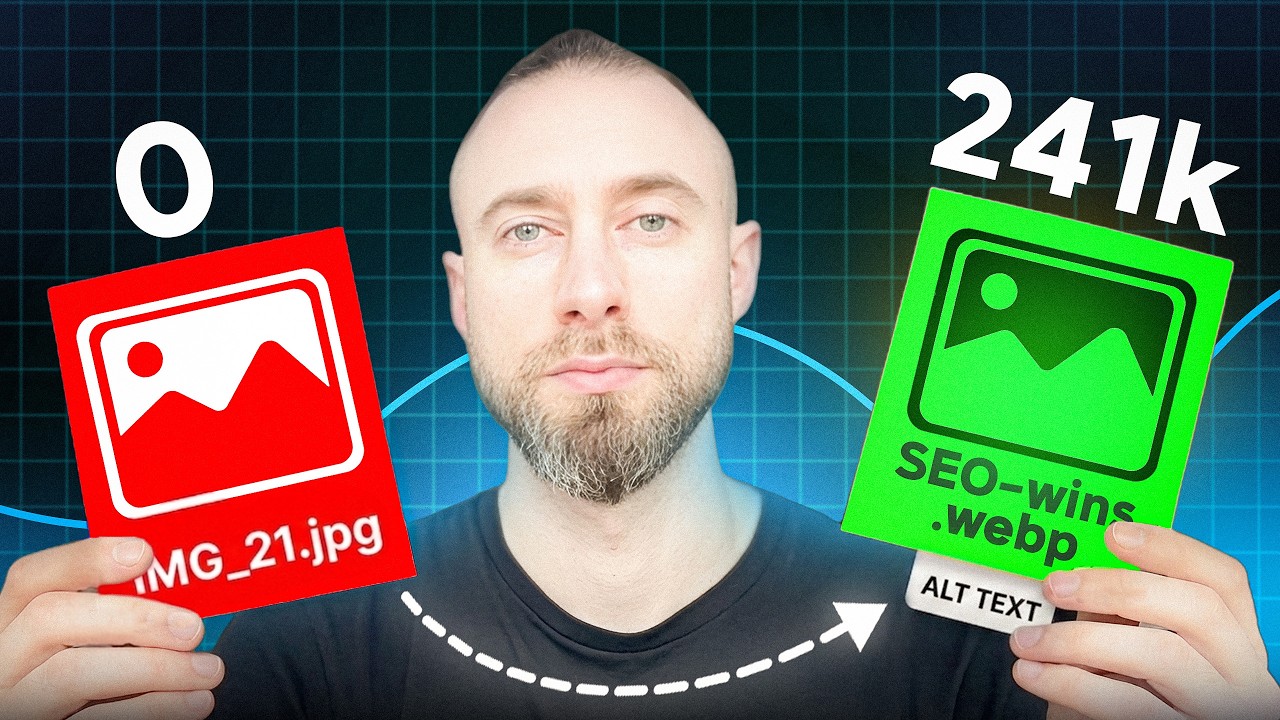



Get daily recaps from
Simplilearn
AI-powered summaries delivered to your inbox. Save hours every week while staying fully informed.