MacBook Neo - Only Apple Could Do This

Chapters7
Introduces the MacBook Neo as a budget-friendly, aluminum laptop aimed at students and first-time Mac buyers, with a base price around $599.
Apple’s MacBook Neo at $599 redefines entry-level laptops with an all-metal chassis and the A18 Pro, challenging rivals while offering a tempting price but some cutbacks.
Summary
Dave2D introduces the MacBook Neo, an unexpectedly affordable aluminum MacBook aimed at students and first-time Mac buyers. Priced at $599 (with an education discount dropping to $499) and available in four colors—blush, indigo, silver, and citrus—the Neo defies expectations by keeping an aluminum build at a budget level. Inside sits the A18 Pro chip, 8 GB of RAM, and 256–512 GB of storage, with a 13-inch 60 Hz Liquid Retina display and two USB-C ports (neither are Thunderbolt). The device weighs 1.23 kg, matches the Air’s footprint, and ships with a 20W charger and no MagSafe, backlit keyboard, or Force Touch trackpad. Battery life is projected as just a few hours shorter than the MacBook Air, according to Apple, with Dave2D planning hands-on testing to verify. He notes the lack of ambient light sensing (True Tone), and questions durability in schools due to its dent-prone aluminum chassis despite the premium feel. The A18 Pro, used in iPhone 16 Pro devices, offers strong single-core performance but limits memory to 8 GB, which Dave2D views as a potential hurdle for power users. He also highlights a notable absence of heavy AI marketing on the Neo launch, contrasting it with broader industry trends. Ultimately, he believes the Neo could disrupt the market by weaponizing price and performance, while making the Air a harder sell for some buyers. Dave2D leaves the door open for future testing and industry response to this groundbreaking Apple move.
Key Takeaways
- Apple’s MacBook Neo starts at $599 (education discount down to $499), targeting students and first-time Mac buyers.
- Neos use the aluminum chassis with a weight of 1.23 kg and come in blush, indigo, silver, and citrus.
- Inside, you’ll find the A18 Pro chip, 8 GB RAM, and 256–512 GB storage, plus a 13-inch 60 Hz Liquid Retina display.
- Two USB-C ports (not Thunderbolt) and a 20W charger; no MagSafe, backlit keyboard, or ambient light sensor (True Tone).
- Battery life is pitched to be just shorter than the MacBook Air; Dave2D will verify with hands-on testing.
- 8 GB RAM is a practical bottleneck for power users, but keeps costs down and reduces AI marketing clutter at launch.
- Dave2D believes the Neo could disrupt the market by offering Apple-level efficiency at a budget price, pressuring competitors and potentially steering a new generation toward macOS.
Who Is This For?
This video is essential for students, budget-conscious buyers, and Mac enthusiasts who want to understand whether Apple’s cheapest MacBook can actually replace a more expensive Air for everyday tasks.
Notable Quotes
"The sticker price is $599 US for the base model and there’s an educational discount that brings it down to $499."
—Gives the core price and education discount, central to the Neo’s appeal.
"It’s an aluminum laptop. It’s the same weight as the MacBook Air, 1.23 kilos, and it comes in four colorways."
—Highlights the premium build and unexpected color options at a budget price.
"Only Apple has control of the full stack because they control the operating system and write the operating system."
—Underlines Apple’s vertical integration as a unique advantage for the Neo.
"The battery life seems quite good. They’re quoting just a few hours shorter than the MacBook Air."
—Notes real-world expectations that matter to buyers choosing between Air and Neo.
"I think for like this is a thought before testing it. I think the MacBook Neo is going to satisfy the computer or laptop needs for like almost everybody."
—Dave2D’s initial verdict sets a hopeful tone for broad appeal.
Questions This Video Answers
- how does the MacBook Neo compare to the MacBook Air in performance and price
- what are the trade-offs of choosing the MacBook Neo over a traditional budget Windows laptop
- will the 8GB RAM on the MacBook Neo limit heavy multitasking or AI workloads
- does the MacBook Neo support Thunderbolt devices or external GPUs
- is the MacBook Neo a good choice for students considering future macOS upgrades
MacBook NeoApple A18 ProMacBook Air comparisonbudget laptopsAluminum chassisApple siliconeducation pricingMacOS ecosystem
Full Transcript
The MacBook Neo was just announced, a cheap MacBook that only Apple could have pulled off. So, some background for the past year or so, every computer laptop company that I've interacted with, so like any of the major players and like the chip manufacturers, they've all at one point or another asked me the question of like, "Hey Dave, do you know anything about this budget MacBook that's supposed to be coming out?" And obviously, I didn't know anything, but and they never outright said it, but it always felt like they were worried. worried that the existence of an inexpensive MacBook would be so disruptive to the laptop industry that they were trying to get some kind of information so they could plan around it.
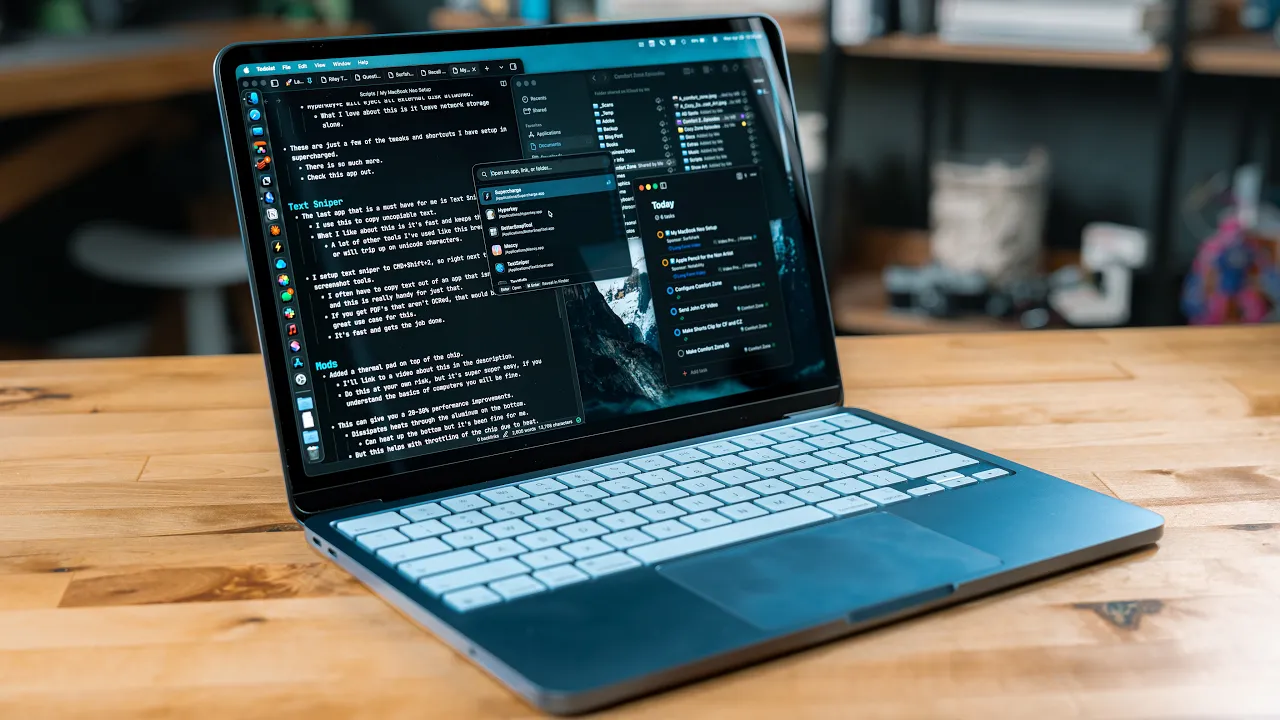
And it's finally here. An entry-level MacBook aimed at students or like firsttime Mac buyers who are trying to spend as little as possible. So, the sticker price is $599 US for the base model and there's an educational discount that brings it down to $4.99 and I imagine many, if not most of the kind of prospective buyers would be able to obtain that discount. There's also a higher tier version that has Touch ID on the keyboard and more storage. Now, the most surprising thing about this product to me, aside from this price, is that it's an aluminum laptop.
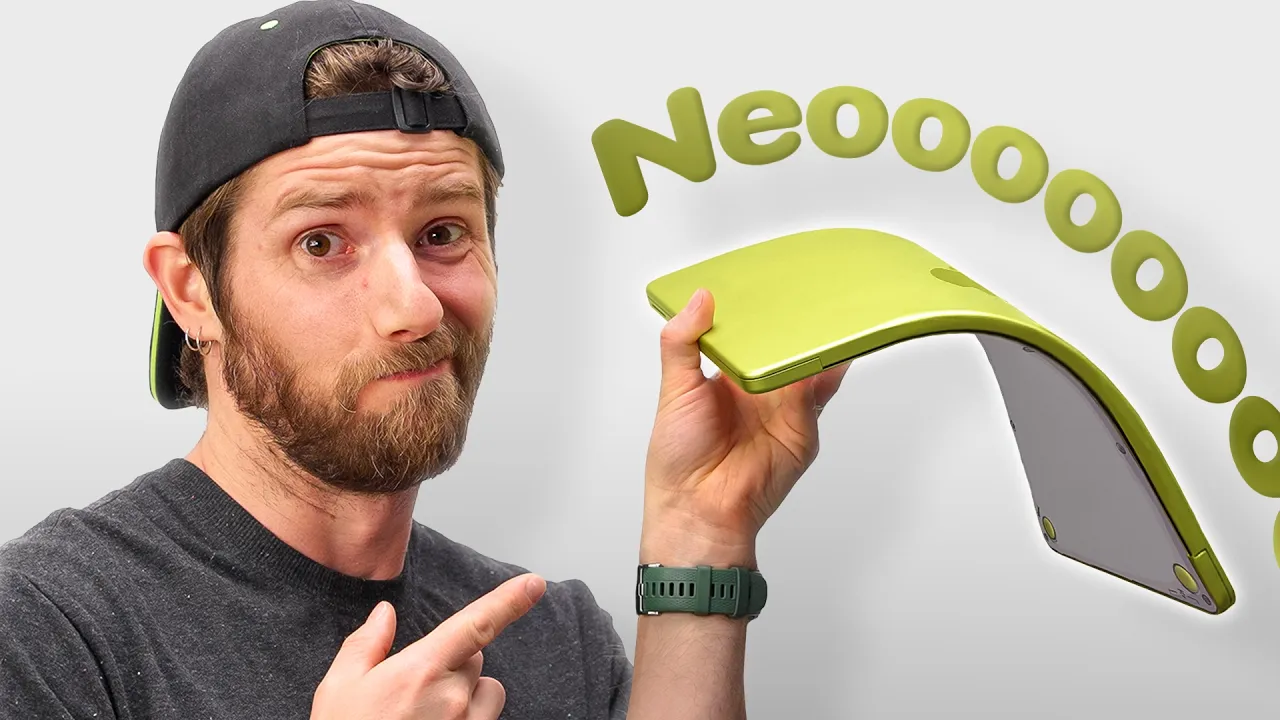
It's the same weight as the MacBook Air, 1.23 kilos, and it comes in four colorways. They call blush, indigo, silver, and citrus. But laptops in this price range are almost always plastic. Now, my first reaction was like, "This is awesome. A metal laptop is always just better than a plastic laptop, right? They're more durable." and my kid's Chromebook at school. He had this thing for like two months when I had to tape it up because it cracked at the hinge. And there was even a Reddit post recently where an IT guy at a school system was like just blown away by the number of busted plastic Chromebooks.
But on the flip side, aluminum dents and scratches really easily. Like this is a this is a 12-in MacBook, but this was like a very small drop. And like when this happened, I was so disappointed because it's like right, this is a really expensive machine that if this was plastic, nothing would have happened to it. I don't even think it would have cracked. It would just been like it would hit the ground and been like, "Okay, that sucks." But this dense and it's permanent, you can't like hammer that out. You have to I don't know.
You can't even fix it without just replacing the whole frame. So, as beautiful as these colorful metal MacBooks are, I imagine if these products go into a school system with a lot of young kids, there's be so many dented MacBook Neos in the future. Now, in terms of what you get inside, we have 8 gigs of RAM and 256 to 512 gigs of storage. You get the A18 Pro chip. You get a 60 Hz 13in IPS display. They call it liquid retina still. It gets good brightness and good resolution, but I imagine the color accuracy won't be all that good.
I will measure it in my upcoming review. The two USBC ports are not Thunderbolt, but you can connect a 4K 60 external display to the left one. The battery is 36.5 watt hours. It's not a like physically large battery, but the battery life seems quite good. They're quoting just a few hours shorter than the MacBook Air. I will test this for sure. Uh it comes with a 20 watt charger and there's no Mag Safe, so if you are juicing up your device, you only get one USBC port that you can plug up peripherals to. It still has the classic MacBook keyboard with their haptic trackpad.
The keyboard does not have backlighting and the trackpad doesn't have force touch capabilities and there's also no true tone. So, uh because there's no ambient light sensor on this thing, the tech where like it kind of measures the color temperature of your room and then adjusts the color temperature of your screen to match. That is not available on the MacBook Neo. So, the chip is the A18 Pro chip which was the chip in the iPhone 16 Pro devices. But this chip, if you compare to like M1 devices like the original M1 Apple silicon, this is very similar at multi-core, but noticeably faster than the M1 chip at single core.
And single threaded performance is the stuff that regular laptop tasks lean on. So, I really think this will be a great performer for the vast majority of users. The RAM being capped at just 8 GB is going to be the limiting factor for a lot of people. I will be testing that extensively in my review. But the one thing I will say that was good that came from just the 8 gig limit is that we saw almost no AI marketing in that whole like launch. If you think about this industry, the laptop industry, I can't think of any recent laptop that has come out that hasn't just leaned super aggressively into like AI Max in your life is like it's overwhelming.
But this was just like, hey, you can use Apple intelligence to like remove things in your photos like clean up photos and also this device can use chat GBT and that's it. Ultimately though for the MacBook Neo, Apple has to strip out enough features so that they can create some kind of like product segmentation, right? So that there's like a inexpensive budget product like this. But at the same time for the MacBook Air, they still have to make that thing a compelling purchase that you can justify the $500 price bump to pick up a MacBook Air.
And so they have like, you know, the 8 gig limit for the RAM, the storage limits, the lack of keyboard backlighting, like little quality of life features that aren't super important for most people, but you just want them. So you're like, h maybe I got to pay up for that MacBook Air. But I think for like this is a thought before testing it. I think the MacBook Neo is going to satisfy the computer or laptop needs for like almost everybody. It's just like a it's just such a great computer in terms of what it's capable of, but it's missing a lot of little features that make computing a little bit nicer.
I do think that this product will be very disruptive to the industry. Like if you think of the younger generation of students or kids that have access to something like this at an early age, they may grow to like it and may grow to prefer the operating system, which ends up, you know, down the line when they're capable of buying their own laptop. I can see people might prefer Mac OS at that point in time. the price point is so good and just so powerful at swaying a purchase decision, right? Ultimately, that's why a lot of people buy things like it's a good price and this is a very good price.
And I think Apple is the only company in the world that could have pulled this off. Like only Apple has access to such an inexpensive but also very capable chip, the A18 Pro. But more importantly, only Apple has control of the full stack because they control the operating system and write the operating system. They have the ability to just squeeze every last drop of usefulness out of that chip. No other company like if you grabbed two like a chip company and an operating system company and made them do this like it would never come out the same way.
This is the only company that could have pulled this off. So I think this is going to be super disruptive to the industry. I'm excited to see it. I'm also super excited to see how the industry responds to this because now you have a you have a threat. Your entire like entrylevel product line is at risk. Okay. What do you think of this device? Are any of you guys gonna pick this up?
More from Dave2D








Get daily recaps from
Dave2D
AI-powered summaries delivered to your inbox. Save hours every week while staying fully informed.